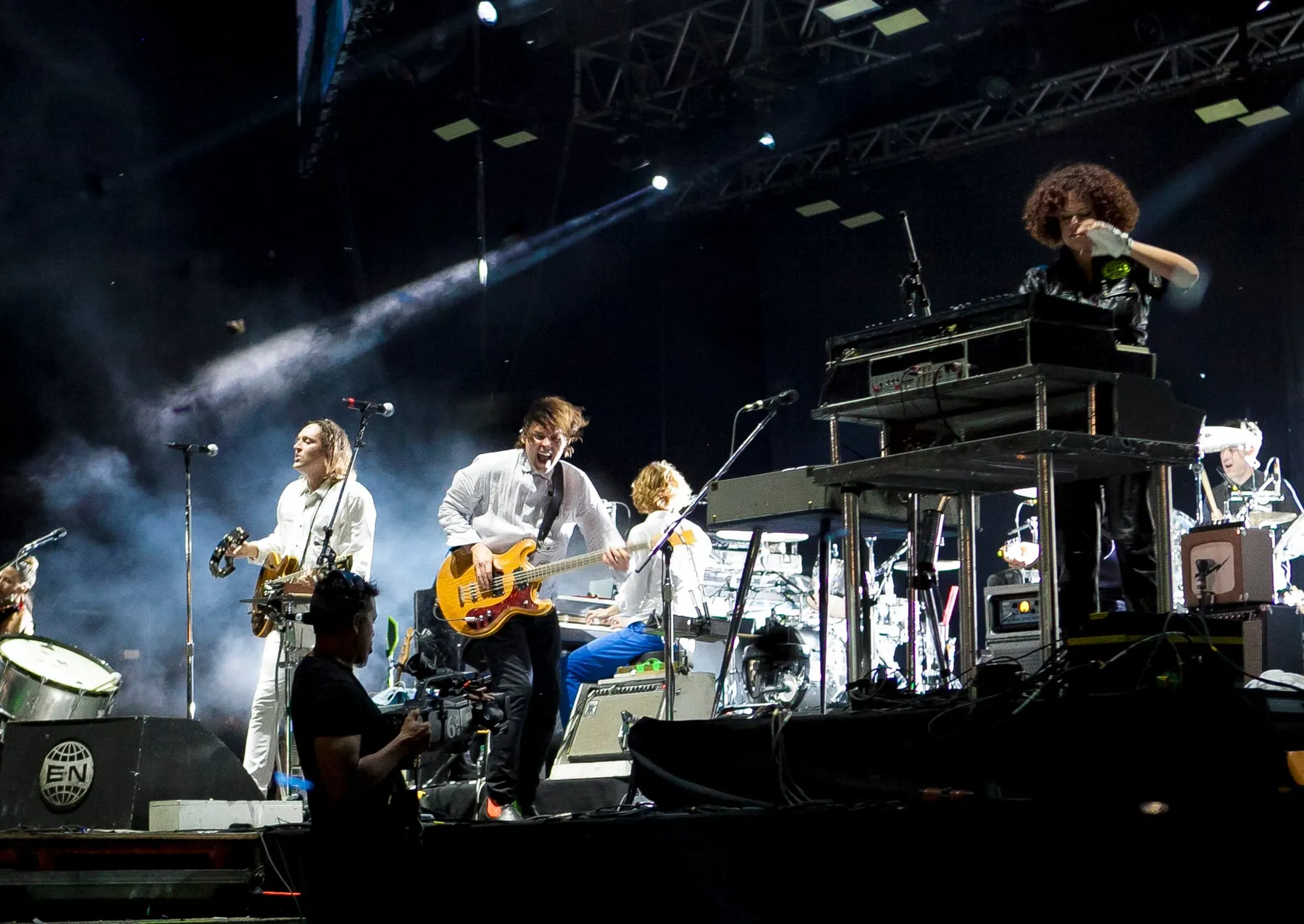
Photo by leonardo samrani from rosario, argentina , licensed under CC BY 2.0 · Wikimedia Commons
Rank #334
Arcade Fire
Montreal collective whose 'Funeral' is a 2000s indie cornerstone.
From Wikipedia
Arcade Fire is a Canadian indie rock band from Montreal, Quebec. The band consists of multi instrumentalists Win Butler, Régine Chassagne, Richard Reed Parry, Tim Kingsbury, and Jeremy Gara. The band's touring line-up includes former core member Sarah Neufeld and multi-instrumentalists Paul Beaubrun and Dan Boeckner. Most of the band's studio albums feature contributions from composer and violinist Owen Pallett, who has also served as a touring member.
Members
- Josh Deu (2001–2003)
- Régine Chassagne (2001–present)
- Win Butler (2001–present)
- Richard Parry (2003–present)
- Tim Kingsbury (2003–present)
- William Butler (2003–present)
- Jeremy Gara (2004–present)
Studio Albums
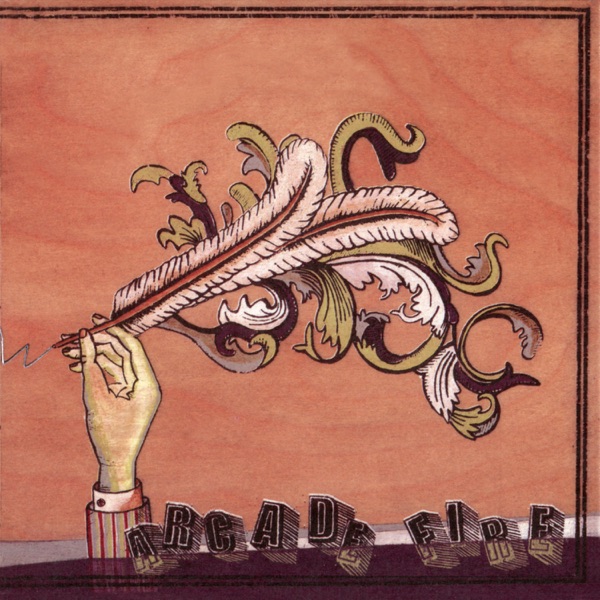
- 2004 Funeral
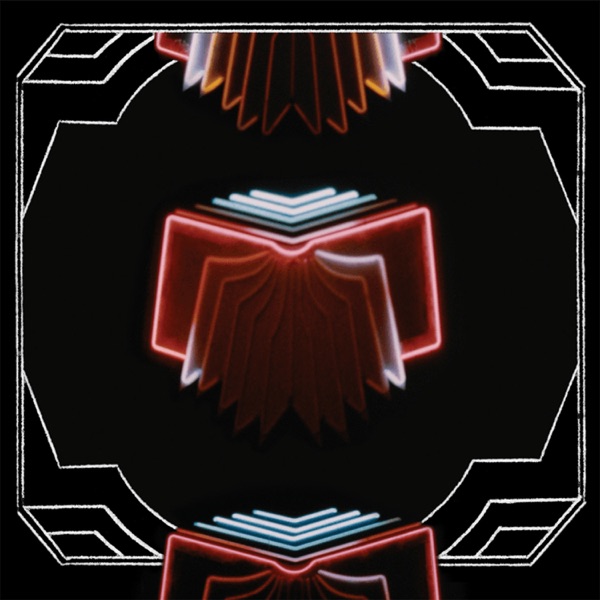
- 2007 Neon Bible
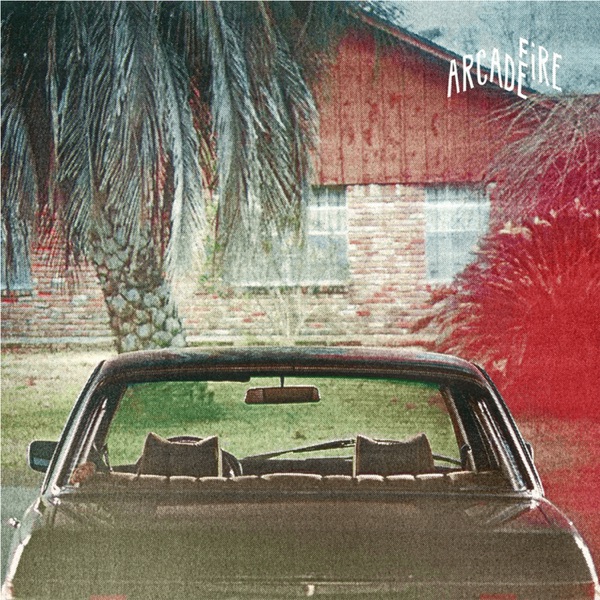
- 2010 The Suburbs
- 2013 Reflektor
- 2017 Everything Now
- 2022 WE
- 2025 Pink Elephant
Source: MusicBrainz
Deep Dive
Overview
Arcade Fire is a Canadian indie rock band from Montreal that emerged in 2001 as a multi-instrumental collective blending chamber pop, orchestral arrangements, and indie rock songcraft. The band built its reputation on densely layered production, string arrangements, and emotionally direct songwriting that resonated across both critical and commercial audiences throughout the 2000s and 2010s. Formed during an era of rising indie-rock prominence, Arcade Fire became synonymous with art-rock ambition executed by a rotating ensemble of musicians, establishing Montreal as a significant hub for innovative rock music in the new millennium.
Formation Story
Arcade Fire coalesced in Montreal in 2001 around the partnership of Win Butler and Régine Chassagne, who would remain the group’s principal voices throughout its existence. The earliest lineup included Josh Deu alongside Butler and Chassagne, but the foundational configuration solidified between 2003 and 2004 as Richard Reed Parry, Tim Kingsbury, and Jeremy Gara joined the collective. This core quintet—Butler, Chassagne, Parry, Kingsbury, and Gara—established the instrumental and vocal framework that would define the band’s sound. From the outset, the ensemble prioritized arranging around strings, woodwinds, and orchestral textures rather than adhering to conventional rock instrumentation, positioning themselves within the broader indie-rock movement while drawing equally from classical and avant-garde traditions.
Breakthrough Moment
Arcade Fire’s commercial and critical breakthrough arrived with the release of Funeral in 2004. The album’s twelve songs married funeral-march tempos, mournful string arrangements, and Butler and Chassagne’s interlocking vocals to create a sound both elegiac and dynamically expansive. Funeral transcended typical indie-rock distribution channels, becoming a touchstone album for listeners navigating the post-punk revival and emerging indie-rock landscape of the mid-2000s. The album’s success established Arcade Fire as more than a regional Montreal act and positioned them as major voices within a generation of art-rock-minded indie musicians, setting the trajectory for their subsequent work and touring presence across North America and Europe.
Peak Era
The period from 2007 to 2013 represented Arcade Fire’s most sustained creative momentum and commercial visibility. Neon Bible (2007) expanded on Funeral’s architectural approach, building intricate arrangements around themes of faith, technology, and social alienation with orchestral grandeur. The Suburbs (2010) further refined this aesthetic, delivering a concept album treatment of suburban ennui with song cycles, instrumental interludes, and production that balanced acoustic and electronic textures. Reflektor (2013) marked a stylistic pivot toward dance-inflected rhythms and disco-influenced production while maintaining the band’s core identity as orchestral arrangements and multi-vocalist interplay. During this period, the band toured extensively and became fixtures at major festivals, solidifying their position as one of the definitive indie-rock acts of the era.
Musical Style
Arcade Fire’s sound is characterized by orchestral density, multi-part vocal arrangements, and a production philosophy that privileges texture over conventional rock-band simplicity. Violins, cellos, and woodwinds function as primary melodic elements rather than decorative flourishes, creating chamber-pop architecture from which rock drums, bass, and guitars emerge as rhythmic scaffolding. Win Butler’s vocal delivery balances restraint and intensity; Régine Chassagne’s contributions—both vocal and instrumental—add harmonic complexity and emotional counterpoint. The band’s songwriting gravitates toward themes of mortality, childhood memory, technological displacement, and collective emotional experience, reflected in lyrics that prioritize universal sentiment over personal specificity. The instrumentation and arrangement philosophy evokes influences spanning post-punk, new-wave, and classical composition, yet the emotional directness and indie-rock production framework distinguish Arcade Fire from purely art-pop or contemporary classical endeavors.
Major Albums
Funeral (2004)
Arcade Fire’s debut established their core aesthetic: mournful string arrangements, funeral-march tempos, and Butler and Chassagne’s voices interweaving over orchestral foundations, creating an album that felt both funeral rite and indie-rock statement.
Neon Bible (2007)
Building on Funeral’s template, Neon Bible applied orchestral density to themes of faith and urban alienation, with production that emphasized grandeur and emotional weight across extended song cycles.
The Suburbs (2010)
A concept album exploring suburban childhood and displacement, The Suburbs balanced acoustic strings and synth-pop textures with song-cycle construction, achieving both critical and commercial prominence.
Reflektor (2013)
Shifting toward dance rhythms and disco-inflected production, Reflektor introduced electronic textures and rhythmic propulsion while preserving the band’s characteristic orchestral arrangements and multi-vocalist interplay.
Everything Now (2017)
Continuing exploration of contemporary themes through dance-pop frameworks, Everything Now maintained the ensemble’s distinctive arrangement approach across a more accessible sonic palette.
Signature Songs
- Wake Up — The Funeral closer became a concert staple, building from sparse strings to orchestral crescendo and serving as the band’s most recognizable anthem.
- Intervention — A mid-period showcase for Butler and Chassagne’s vocal interplay over baroque-influenced arrangements and urgent rhythm section work.
- Neighborhood #1 (Tunnels) — The Funeral opener establishing the album’s emotional parameters through intimate vocal delivery and restrained orchestral accompaniment.
- Modern Man — A Neon Bible highlight encapsulating the album’s themes of technological dislocation through driving rhythm and building instrumental layers.
- Ready to Start — The Suburbs opener combining autobiographical reflection with orchestral propulsion and multi-part vocal arrangement.
Influence on Rock
Arcade Fire’s impact on contemporary indie rock stems from their demonstration that art-rock ambition, orchestral arrangement, and emotional directness could coexist within indie-rock frameworks. The band validated the use of chamber instrumentation, multiple vocalists, and concept-album construction within a market previously dominated by guitar-centric rock structures. Their success encouraged subsequent indie and alternative-rock acts to embrace orchestral arrangements, multi-part vocals, and production density without ceding emotional accessibility. The band’s touring philosophy—bringing ensemble members, additional musicians, and elaborate stage setups to venues traditionally configured for rock-band performance—influenced how subsequent indie acts approached live presentation. Arcade Fire’s sustained visibility across the 2010s established Montreal as a creative hub for art-rock-minded musicians and helped reshape critical and listener expectations regarding what indie rock could encompass sonically and thematically.
Legacy
Arcade Fire’s catalog has maintained both critical recognition and streaming presence through the 2020s, with their albums serving as reference points for indie-rock discourse across multiple generations of musicians and listeners. The band’s continued activity—releasing WE in 2022 and Pink Elephant in 2025—has sustained their visibility rather than positioning them as historical artifact confined to the 2000s and 2010s. Their influence extends beyond direct stylistic imitation to a broader validation of orchestral ambition within indie-rock contexts, affecting how contemporary musicians approach arrangement, production philosophy, and ensemble construction. The touring line-up’s inclusion of former core member Sarah Neufeld and additional multi-instrumentalists maintains the collective’s original emphasis on expanded ensemble performance, distinguishing the band’s approach to live presentation within contemporary rock touring practices.
Fun Facts
- Composer and violinist Owen Pallett, though not a founding member, has contributed to most of Arcade Fire’s studio albums and served as a touring musician, making his arrangement work integral to the band’s sonic identity despite his status as external collaborator.
- The band emerged from Montreal’s indie scene during the early 2000s when the city was becoming recognized as a significant creative center, alongside contemporaries and parallel musical communities.
- Arcade Fire’s debut album Funeral was constructed with conceptual and emotional focus on mortality and loss, a thematic foundation that distinguished it from contemporaneous indie-rock releases favoring irony or detachment.
- The band’s live performances have historically required coordination among five core members plus additional touring musicians and vocalists, creating logistical complexity unusual within indie-rock touring structures.
Discography & Previews
Click any album to expand its track list. Each track plays a 30-second preview streamed from Apple Music. Tap the link icon next to a track to open it in Apple Music for full playback.
- 1 The Suburbs ↗ 5:15
- 2 Ready to Start ↗ 4:16
- 3 Modern Man ↗ 4:40
- 4 Rococo ↗ 3:57
- 5 Empty Room ↗ 2:52
- 6 City With No Children ↗ 3:12
- 7 Half Light I ↗ 4:14
- 8 Half Light II (No Celebration) ↗ 4:27
- 9 Suburban War ↗ 4:45
- 10 Month of May ↗ 3:51
- 11 Wasted Hours ↗ 3:21
- 12 Deep Blue ↗ 4:28
- 13 We Used to Wait ↗ 5:01
- 14 Sprawl I (Flatland) ↗ 2:54
- 15 Sprawl II (Mountains Beyond Mountains) ↗ 5:26
- 16 The Suburbs (Continued) ↗ 1:28

- 1 Reflektor ↗ 7:34
- 1 Here Comes the Night Time II ↗ 2:52
- 2 We Exist ↗ 5:44
- 2 Awful Sound (Oh Eurydice) ↗ 6:14
- 3 Flashbulb Eyes ↗ 2:42
- 3 It's Never Over (Hey Orpheus) ↗ 6:43
- 4 Here Comes the Night Time ↗ 6:31
- 4 Porno ↗ 6:03
- 5 Normal Person ↗ 4:22
- 5 Afterlife ↗ 5:53
- 6 You Already Know ↗ 3:59
- 6 Supersymmetry ↗ 11:17
- 7 Joan of Arc ↗ 5:24
- 1 Age of Anxiety I ↗ 5:27
- 2 Age of Anxiety II (Rabbit Hole) ↗ 6:41
- 3 Prelude ↗ 0:30
- 4 End of The Empire I-III ↗ 5:23
- 5 End of The Empire IV (Sagittarius A*) ↗ 3:54
- 6 The Lightning I ↗ 3:02
- 7 The Lightning II ↗ 2:34
- 8 Unconditional I (Lookout Kid) ↗ 4:34
- 9 Unconditional II (Race and Religion) [feat. Peter Gabriel] ↗ 4:21
- 10 WE ↗ 3:52
