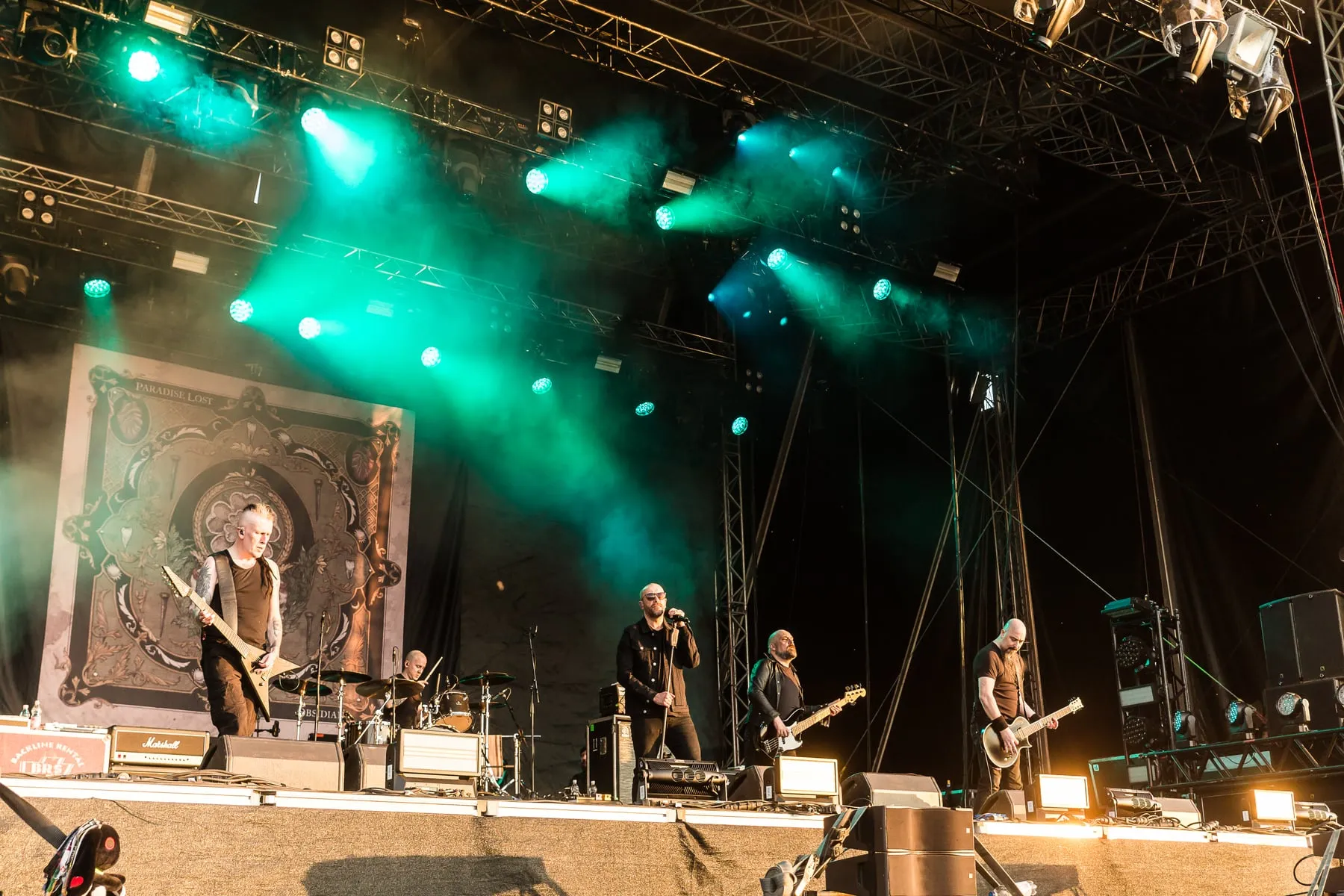
Photo by S. Bollmann , licensed under Attribution · Wikimedia Commons
Rank #441
Paradise Lost
From Wikipedia
Paradise Lost are a British gothic metal band. Formed in Halifax, West Yorkshire, in 1988, they are considered to be among the pioneers of the death-doom genre, and regarded as the main influence for the later gothic metal movement. As of 2005, Paradise Lost have sold over two million albums worldwide.
Members
- Aaron Aedy
- Adrian Erlandsson
- Gregor Mackintosh
- Guido Montanarini
- Lee Morris
- Matthew Archer
- Nick Holmes
- Steve Edmondson
- Waltteri Väyrynen
Discography & Previews
Browse through and click an album to open and play 30-second previews streamed from Apple Music.
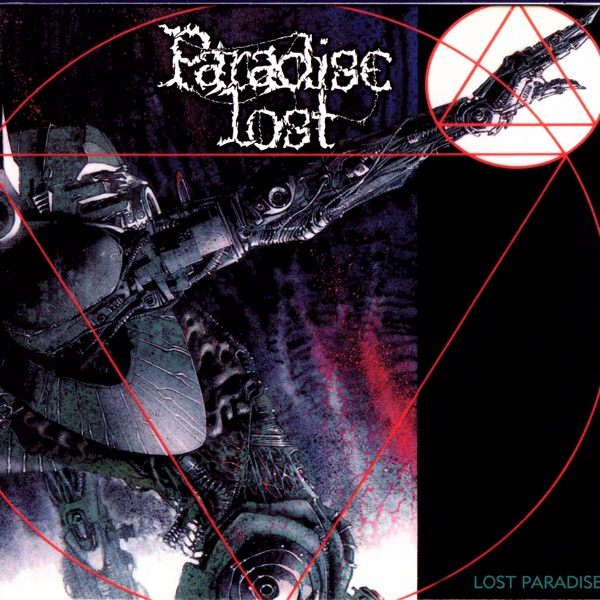
Lost Paradise
1990 · 12 tracks


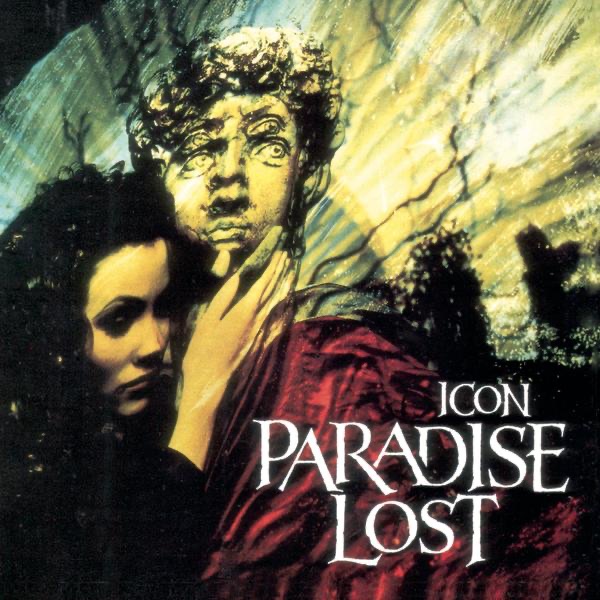
Icon
1993 · 13 tracks

Draconian Times
1995 · 12 tracks

Host
1999 · 13 tracks


Symbol of Life
2002 · 13 tracks


Icon 30
2023 · 13 tracks

Ascension
2025 · 12 tracks
-
 Lost ParadiseParadise Lost199012 tracks
 -
 GothicParadise Lost199112 tracks
 -
 Shades of GodParadise Lost19929 tracks
 -
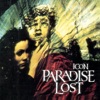 IconParadise Lost199313 tracks
 -
 Draconian TimesParadise Lost199512 tracks
 -
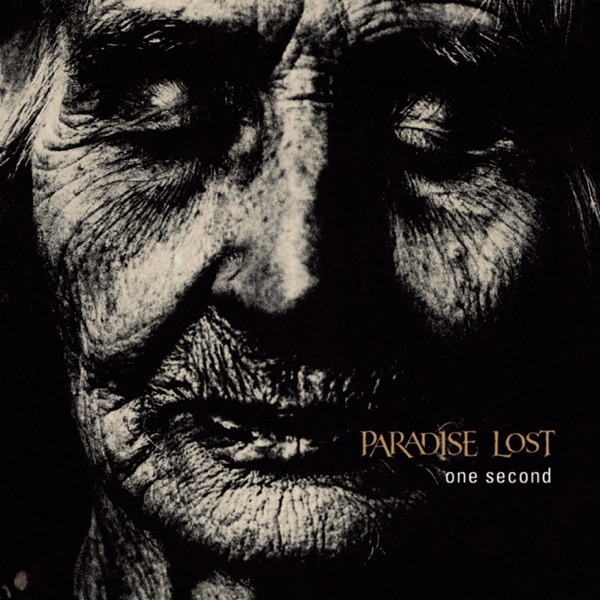
 One SecondParadise Lost199712 tracks
 -
 HostParadise Lost199913 tracks
 -
 Believe in NothingParadise Lost200112 tracks
 -
 Symbol of LifeParadise Lost200213 tracks
 -
 Paradise LostParadise Lost200512 tracks
 -
 In RequiemParadise Lost200711 tracks
 -
 Faith Divides Us – Death Unites UsParadise Lost200910 tracks
 -
 Tragic IdolParadise Lost201210 tracks
 -
 The Plague WithinParadise Lost201510 tracks
 -
 MedusaParadise Lost201710 tracks
 -
 ObsidianParadise Lost202011 tracks
 -
 Icon 30Paradise Lost202313 tracks
 -
 AscensionParadise Lost202512 tracks
Deep Dive
Overview
Paradise Lost are a British gothic metal band that emerged from Halifax, West Yorkshire, in 1988 and became principal architects of the death-doom genre and the gothic metal movement that followed. Over three decades of continuous activity, they refined a sound that merged the funeral dirge tempos of doom metal with the dissonant aggression of death metal, wrapped in synthesizer-laden atmospheres that anticipated gothic metal’s mainstream emergence in the 1990s. Their influence on the landscape of extreme metal has proven durable and deep; as of 2005, they had sold over two million albums worldwide, a figure that underscores their reach beyond the underground metal core.
Formation Story
Paradise Lost formed in Halifax in 1988, rooted in a city with no particular metal pedigree but with a hunger to synthesize influences from across the metal and post-punk spectrum. The founding lineup—Nick Holmes on vocals, Gregor Mackintosh on guitar, Steve Edmondson on bass, and Adrian Erlandsson on drums—established the creative core that would define the band’s first era. Aaron Aedy joined as a keyboardist, adding the orchestral and atmospheric layers that became essential to their signature sound. This lineup coalesced at a moment when death metal was hardening into brutalism and thrash was consolidating into stadium rock; Paradise Lost found space between those poles, slowing tempos to a crawl while retaining death metal’s distorted guitars and growled vocals, and layering in keyboard atmospheres that suggested sorrow and gothic grandeur rather than pure carnage.
Breakthrough Moment
Paradise Lost’s debut Lost Paradise arrived in 1990 and immediately signaled the arrival of a fully formed voice within death metal’s expanding palette. The album’s fusion of funeral-paced riffing, operatic keyboard work, and Holmes’ cavernous vocals demonstrated that extremity could coexist with melody and atmosphere. However, it was their second album, Gothic (1991), that crystallized their aesthetic and opened wider ears. Released just thirteen months later, Gothic deepened the gothic sensibility that had been latent in their debut, refining production clarity and expanding the dynamic range between crushing verses and synth-driven passages. The album’s success within the underground metal community and beyond established Paradise Lost not merely as a promising new act but as pioneers defining a new subcategory—death-doom—that would spawn numerous followers and eventually broaden into the gothic metal wave of the mid-1990s.
Peak Era
Paradise Lost’s peak creative and commercial period stretched from Shades of God (1992) through One Second (1997), a five-year arc during which they released four albums of consistent sophistication and ambition. Icon (1993) deepened their gothic vocabulary with more elaborate arrangements and clearer production; Draconian Times (1995) marked a shift toward a more accessible, melodic approach while retaining the heaviness that defined them; and One Second (1997) saw further evolution toward gothic rock influence, with Holmes’ vocals becoming more prominent and the band exploring a wider dynamic range. During this period, Paradise Lost transitioned from underground cult status to a band with genuine crossover potential, influencing not only death-doom practitioners but also presaging the broader gothic metal movement that would dominate metal underground culture in the late 1990s and beyond. Their consistency and willingness to evolve without sacrificing heaviness cemented their status as more than a one-album wonder or trend-following outfit.
Musical Style
Paradise Lost’s sound synthesizes the slow, funeral-march tempos of doom metal, the distorted guitar tone and growled vocals of death metal, and the atmospheric keyboards and romantic sensibility of gothic rock and post-punk. In their earliest period, the balance tilted heavily toward the metal components—riffs were monolithic, Erlandsson’s drumming carried a metallic crash, and Holmes’ vocals were guttural and cavernous. From album to album, the synthesizer presence grew more prominent and sophisticated; keyboards shifted from texture to narrative, often carrying melodic hooks that the guitars supported rather than overwhelmed. Gregor Mackintosh’s guitar work remained a cornerstone: his riffing favored thick, downtuned single-note phrases and major-key progressions that contrasted with the aggressive vocal delivery, creating a tension between melody and brutality that became the band’s signature tension. The production values improved steadily across their early albums, moving from raw and muddy (fitting for death-doom’s underground origins) to crisp and separated, allowing each instrument space without sacrificing punch. As the 1990s progressed, the gothic influence became overt: orchestral arrangements, minor-key synth passages, and a general aesthetic descent into melancholy and darkness that owed as much to Victorian gloom as to Scandinavian black metal’s atmospheric ambitions.
Major Albums
Lost Paradise (1990)
The debut that introduced Paradise Lost’s fusion of death metal brutality and gothic atmosphere, establishing the death-doom template that the underground would follow for the next decade.
Gothic (1991)
A rapid follow-up that crystallized their vision, deepening the gothic aesthetic and proving that their debut was no accident; this album became the defining statement of early death-doom.
Icon (1993)
Refined their formula with clearer production and more elaborate arrangements, solidifying their crossover from underground cult act to a significant force within metal.
Draconian Times (1995)
Marked a deliberate shift toward melody and accessibility while preserving heaviness, demonstrating the band’s willingness to evolve and broadening their appeal beyond the death-metal faithful.
One Second (1997)
Pushed further into gothic rock territory, with greater vocal prominence from Holmes and expanded dynamic range, showing Paradise Lost could grow beyond their pioneering sound without betraying it.
Signature Songs
- Lost Paradise — The debut’s title track introduced the band’s core aesthetic of funeral doom married to keyboard atmosphere.
- Gothic — The opening statement of their second album, immediately recognizable for its down-tuned groove and synthesizer melody.
- Say Just Words — A track from Icon that showcased the band’s ability to balance aggression with gothic melodicism.
- Enchantment of the Seas — From Draconian Times, featuring some of the band’s most overtly romantic and gothic keyboard work.
Influence on Rock
Paradise Lost’s influence radiated outward in two primary directions: they were the foundational template for death-doom as a sustained subgenre, inspiring countless bands to slow down and layer atmosphere, and they were among the primary architects of gothic metal’s emergence in the mid-1990s. Their synthesis of death metal extremity with gothic and post-punk sensibility opened a pathway for bands to reach beyond the metal underground’s core audience without abandoning distortion and darkness. The gothic metal explosion that followed—encompassing bands ranging from Type O Negative to the more symphonic end of the metal spectrum—owes a considerable debt to Paradise Lost’s demonstration that darkness and melody could coexist, that keyboards could carry equal weight to guitars, and that a band could evolve its sound across albums without losing its foundational identity. Within doom metal specifically, their integration of keyboards and atmospheric production became standard rather than novelty, reshaping how new bands in the subgenre approached composition and arrangement.
Legacy
Paradise Lost’s status as pioneers of death-doom and architects of gothic metal’s template remains secure even as metal’s mainstream attention has cycled toward other subgenres. Their three-decade run of continuous activity, extending from 1988 through the present, stands as testimony to both their artistic durability and the sustained underground audience for their sound. The band has continued releasing new material regularly—Obsidian in 2020, Icon 30 in 2023 (a rerecording of their seminal third album), and Ascension in 2025—demonstrating that they remain creatively active rather than playing on legacy alone. Their influence persists across generations of metal musicians and listeners who discovered the death-doom and gothic metal movements they helped pioneer. As a British band that rose from a provincial city without metal heritage to international influence, Paradise Lost’s trajectory also illustrates how the internet age and underground networks of the 1990s allowed niche subgenres to build global followings independent of major-label machinery or mainstream media attention.
Fun Facts
- Paradise Lost formed in Halifax, a city in northern England with little prior connection to metal’s infrastructure, making their rise to international influence all the more notable.
- The band has maintained remarkable lineup stability, with Nick Holmes and Gregor Mackintosh present since the 1988 formation and Adrian Erlandsson drumming since the earliest era.
- Icon 30 (2023) was a complete rerecording of their 1993 album Icon, allowing the band to revisit one of their classic statements with modern production and three decades of additional musical maturity.
- Paradise Lost have released new studio albums consistently across their career span, with no extended hiatuses, maintaining creative output from their 1990 debut through Ascension in 2025.