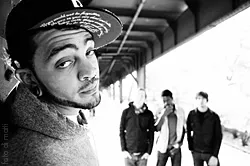
Photo by Fotodimatti , licensed under CC BY-SA 3.0 · Wikimedia Commons
Rank #443
Gym Class Heroes
From Wikipedia
Gym Class Heroes is an American rap rock band from Geneva, New York. The group formed in 1997 when Travie McCoy met drummer Matt McGinley during their high school gym class. The band's music displays a wide variety of influences, including hip hop, rock, funk, and reggae.
Members
- Disashi Lumumba-Kasongo
- Matt McGinley
- Travie McCoy
Discography & Previews
Browse through and click an album to open and play 30-second previews streamed from Apple Music.
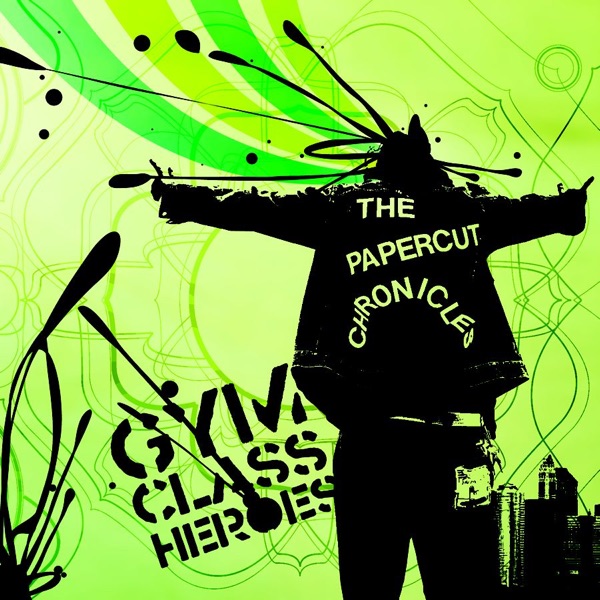
The Papercut Chronicles
2005 · 18 tracks
- 1 Za Intro ↗ 1:40
- 2 Papercuts ↗ 3:27
- 3 Petrified Life and the Twice Told Joke (Decrepit Bricks) ↗ 4:53
- 4 Make Out Club ↗ 4:43
- 5 Taxi Driver ↗ 2:00
- 6 So Long Friend ↗ 1:14
- 7 Everyday's Forecast ↗ 4:22
- 8 Pillmatic ↗ 3:12
- 9 Simple Livin' ↗ 3:06
- 10 Cupid's Chokehold / Breakfast in America ↗ 4:03
- 11 Faces in the Hall ↗ 4:14
- 12 Graduation Day ↗ 1:44
- 13 Apollo 3-1-5 ↗ 2:29
- 14 Wejustfreestylin', Pt. 2 ↗ 1:13
- 15 To Bob Ross with Love ↗ 2:39
- 16 Papercuts (The Reason for the Lesions Remix by Mr. Dibbs) ↗ 3:46
- 17 Kid Nothing Boy vs. the Echo Factor ↗ 4:02
- 18 Band Aids ↗ 4:58

As Cruel as School Children
2006 · 15 tracks
- 1 The Queen and I ↗ 3:15
- 2 Shoot Down the Stars ↗ 3:38
- 3 New Friend Request ↗ 4:15
- 4 Clothes Off! ↗ 3:55
- 5 Sloppy Love Jingle, Pt. 1 ↗ 1:52
- 6 Viva la White Girl ↗ 3:53
- 7 7 Weeks ↗ 3:52
- 8 It's OK, But Just This Once! ↗ 3:10
- 9 Sloppy Love Jingle, Pt. 2 ↗ 1:01
- 10 Biters Block (feat. Speech) ↗ 3:48
- 11 Boys In Bands Interlude ↗ 1:00
- 12 Scandalous Scholastics ↗ 4:17
- 13 On My Own Time (Write On!) ↗ 4:41
- 14 Cupid's Chokehold / Breakfast in America (feat. Patrick Stump) [Radio Mix] ↗ 3:57
- 15 Sloppy Love Jingle, Pt. 3 ↗ 2:16
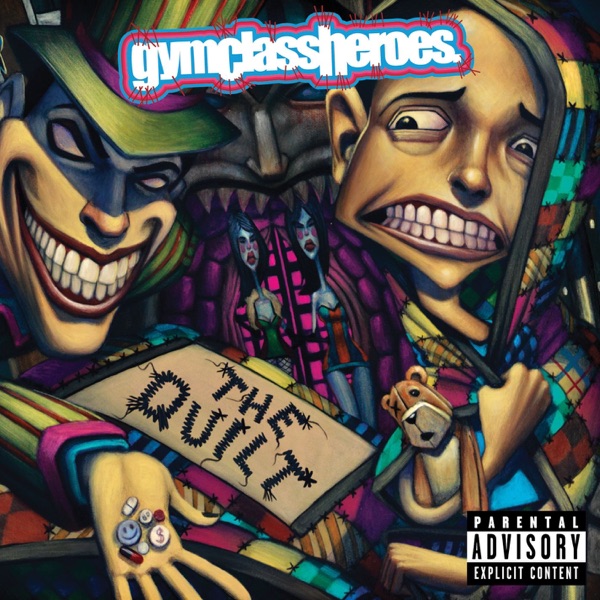
The Quilt
2008 · 14 tracks
- 1 Guilty As Charged (feat. Estelle) ↗ 4:03
- 2 Drnk Txt Rmeo ↗ 3:25
- 3 Peace Sign / Index Down (feat. Busta Rhymes) ↗ 4:01
- 4 Like Father, Like Son [Papa's Song] ↗ 4:17
- 5 Blinded By the Sun ↗ 3:00
- 6 Catch Me If You Can ↗ 5:08
- 7 Cookie Jar (feat. The-Dream) ↗ 3:35
- 8 Live a Little ↗ 3:43
- 9 Don't Tell Me It's Over ↗ 4:11
- 10 Live Forever (Fly With Me) [feat. Daryl Hall] ↗ 7:09
- 11 Kissin' Ears (feat. The-Dream) ↗ 3:42
- 12 Home ↗ 5:09
- 13 No Place to Run ↗ 3:45
- 14 Coming Clean ↗ 3:00
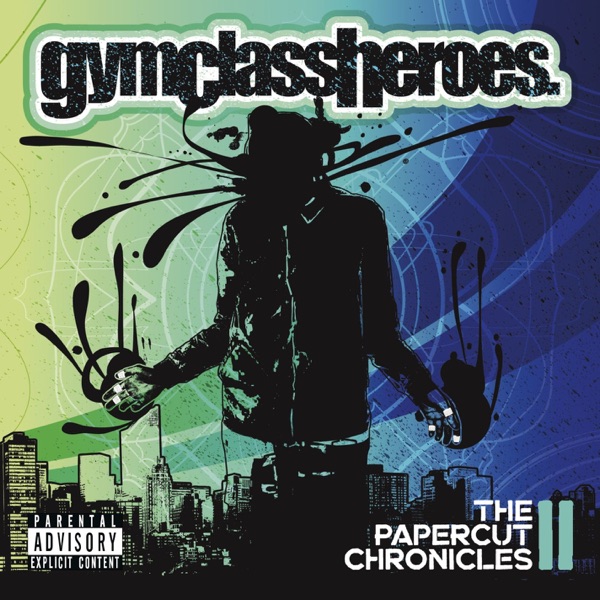
The Papercut Chronicles II
2011 · 11 tracks
- 1 Za Intro ↗ 1:33
- 2 Martyrial Girl$ ↗ 3:37
- 3 Life Goes On (feat. Oh Land) ↗ 4:12
- 4 Stereo Hearts (feat. Adam Levine) ↗ 3:31
- 5 Solo Discotheque (Whiskey Bitness) ↗ 4:00
- 6 Holy Horseshit, Batman!! ↗ 3:41
- 7 Ass Back Home (feat. Neon Hitch) ↗ 3:42
- 8 Nil-Nil-Draw ↗ 3:15
- 9 Lazarus, Ze Gitan ↗ 3:50
- 10 The Fighter (feat. Ryan Tedder) ↗ 3:49
- 11 Kid Nothing And the Never-Ending Naked Nightmare ↗ 8:23
-
 The Papercut ChroniclesGym Class Heroes200518 tracks
 -
 As Cruel as School ChildrenGym Class Heroes200615 tracks
 -
 The QuiltGym Class Heroes200814 tracks
 -
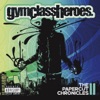 The Papercut Chronicles IIGym Class Heroes201111 tracks
Deep Dive
Overview
Gym Class Heroes emerged from Geneva, New York as an American rap rock band that channeled the energetic collision of hip-hop, rock, funk, and reggae into a deliberately eclectic sound. Formed in 1997, the group carved out a distinctive niche in the rap rock landscape by refusing generic category alignment, instead weaving multiple genres into a coherent artistic vision. Their presence across the 2000s represented a particular strain of genre-blending that came of age in an era when hip-hop and rock audiences were no longer entirely separate camps.
Formation Story
Gym Class Heroes took shape in an unlikely crucible: a high school gym class in Geneva, New York. Travie McCoy and Matt McGinley met in that setting in 1997 and recognized an immediate creative kinship. The pair began making music together, eventually recruiting Disashi Lumumba-Kasongo to complete the core lineup. This trio worked within the upstate New York music scene, building their foundation during the late 1990s when rap rock was still establishing itself as a viable format across commercial radio and independent distribution networks.
Breakthrough Moment
The band’s official entry into recorded music came with the 2001 release …For the Kids, their debut studio album. This record introduced the template that would define the group’s approach: a genre-agnostic blend of rap, rock instrumentation, and funk grooves. Four years later, The Papercut Chronicles (2005) demonstrated the band’s growing sophistication and expanded reach. The album built on their foundation while refining both the songwriting and production, solidifying the group’s reputation within the rap rock community and positioning them for wider recognition.
Peak Era
Gym Class Heroes entered their most visible period with As Cruel as School Children (2006) and sustained momentum through the release of The Quilt (2008). These years represented the band’s creative and commercial apex, when their fusion of influences resonated most consistently with audiences seeking music that bridged the rock and hip-hop divide. The album titles themselves—playful, slightly irreverent—signaled the band’s refusal to take themselves with pure solemnity, a tone that became part of their identity. By the early 2010s, the band released The Papercut Chronicles II (2011), demonstrating a willingness to return to and expand upon their earlier sonic territory rather than chase passing trends.
Musical Style
Gym Class Heroes built their sound on an intentionally wide palette. Hip-hop provided the rhythmic foundation and lyrical sensibility, while rock instrumentation—guitar, drums, bass—supplied the tangible weight and live-band energy. Funk and reggae elements surfaced in the grooves and rhythmic textures, creating a supple, syncopated quality that prevented the music from settling into any single genre’s conventional template. The vocal delivery typically employed rapped verses layered with melodic singing on choruses, a structural approach that mirrored mainstream rap rock convention but inflected with their own harmonic sensibility. This combination of samples, live instrumentation, and genre-fluid songwriting marked them as part of a broader movement of bands that treated genre boundaries as suggestions rather than walls.
Major Albums
…For the Kids (2001)
The band’s debut established the foundational blend of rap, rock, and funk that would define their career, introducing listeners to their genre-agnostic approach and setting expectations for what Gym Class Heroes would pursue across future releases.
The Papercut Chronicles (2005)
This album refined the band’s production and songwriting craft, demonstrating their ability to scale their vision while maintaining the playful, energetic core that made the debut compelling.
As Cruel as School Children (2006)
Released at the height of rap rock’s mainstream visibility, this record showcased the band’s peak commercial form and became their most widely recognized work, with production and guest performances that expanded their sonic palette.
The Quilt (2008)
Continuing their run of productivity, The Quilt extended the band’s exploration of genre fusion while maintaining their signature irreverent tone and instrumentation.
The Papercut Chronicles II (2011)
A decade after the original, this sequel demonstrated the band’s commitment to their core sound and willingness to revisit earlier material through the lens of accumulated experience and evolving production techniques.
Signature Songs
- “Bitch Don’t Talk to Me” — An early single that exemplified the band’s confrontational rap-rock energy and became a staple of their live repertoire.
- “Stereo Hearts” — A collaboration-heavy track that showcased the band’s ability to construct radio-friendly hooks within the rap rock framework.
- “Cupid’s Chokehold” — A standout cut demonstrating the band’s balance between hip-hop rhythmic complexity and rock accessibility.
- “As Cruel as School Children” — The title track that reinforced the band’s thematic playfulness and sonic adventurousness.
Influence on Rock
Gym Class Heroes operated within a broader ecosystem of 2000s bands that normalized genre fusion and challenged the idea of rigid musical categorization. Their consistent refusal to be purely one thing—not strictly hip-hop, not straight rock, not simply funk—anticipated larger shifts in how rock and pop audiences would come to expect cross-genre pollination. While they did not spawn a direct movement or school of imitators, their sustained output across the 2000s and 2010s contributed to the cultural acceptance of rap rock as a legitimate and enduring subgenre rather than a novelty format. Their example demonstrated that bands could thrive by treating genre as a tool kit rather than a cage.
Legacy
Gym Class Heroes remain active and continue to tour and create, a testament to the band’s resilience and their audience’s sustained loyalty. Their catalog has found ongoing life on streaming platforms, introducing their music to listeners who came of age after the peak commercial radio era for rap rock. The band’s presence across multiple album cycles—from 2001 through 2011 and beyond—established them as a durable act in rock music history, one that successfully navigated the shift from physical media to streaming without fundamental aesthetic compromise. Their body of work remains a reference point for artists exploring the intersections of rap, rock, and funk.
Fun Facts
- The band met in a high school gym class, a serendipitous origin story that directly inspired their eventual name and became part of their band mythology.
- Gym Class Heroes recorded for multiple labels including Fueled by Ramen, demonstrating their ability to move across the industry landscape while maintaining artistic consistency.
- The band’s official website remains active, reflecting their continued engagement with a fanbase built over more than two decades of music-making.
- The geographic origin in Geneva, New York—a small upstate city—positioned the band as regional representatives who achieved national reach without relocating to a major music industry hub.