
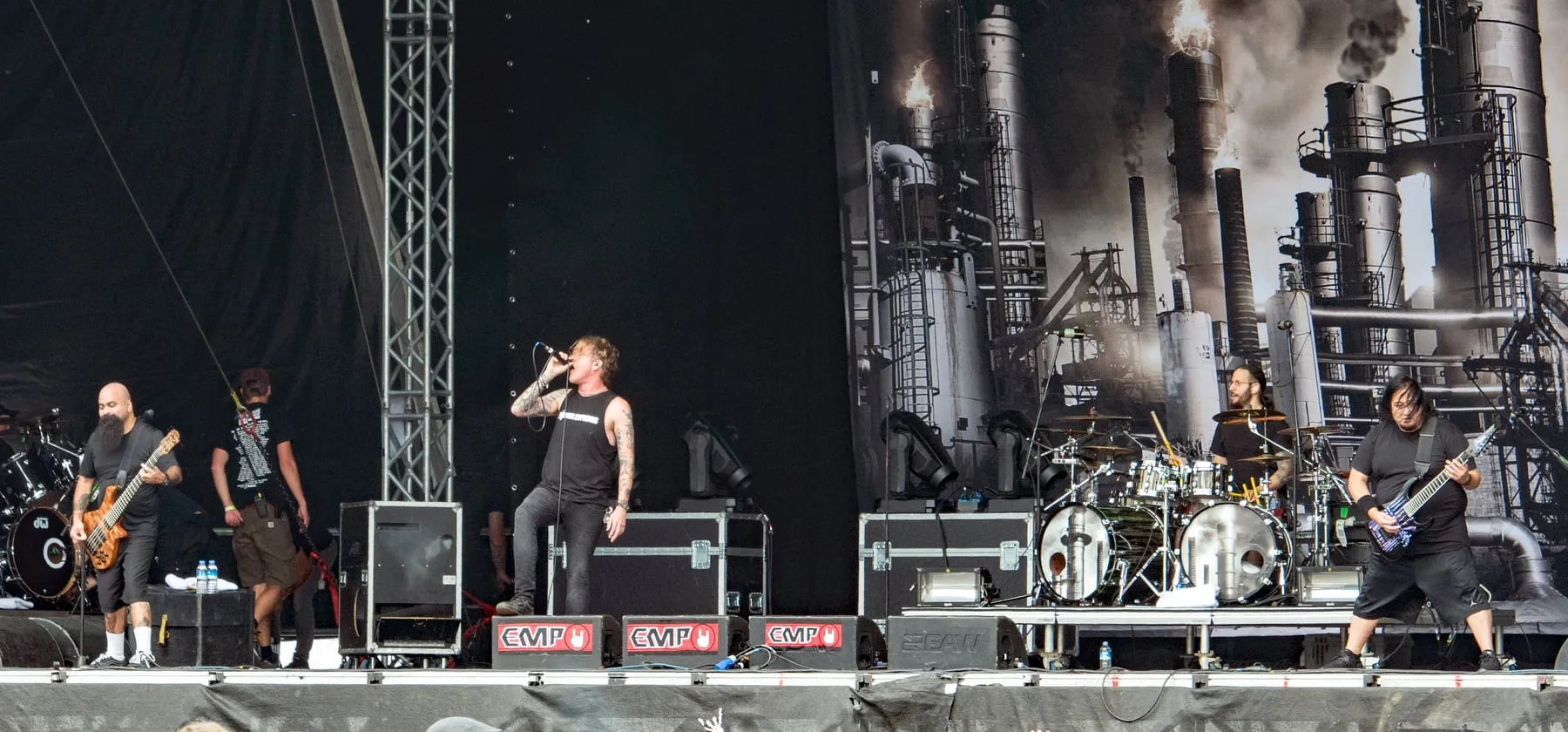
Photo by Frank Schwichtenberg , licensed under CC BY-SA 3.0 · Wikimedia Commons
Rank #428
Fear Factory
From Wikipedia
Fear Factory is an American industrial metal band that formed in Los Angeles in 1989. It has released ten full-length albums and evolved through a succession of sounds, all in its main style of industrial metal. Over the years, the band has seen frequent changes in its lineup, with lead vocalist Burton C. Bell the only consistent member for 31 years until his departure in 2020. Guitarist Dino Cazares is the only remaining original member in Fear Factory's current lineup, after a seven-year sabbatical from the band between 2002 and 2009. The current lineup of Fear Factory consists of Cazares, bassist Tony Campos, vocalist Milo Silvestro and drummer Pete Webber.
Discography & Previews
Browse through and click an album to open and play 30-second previews streamed from Apple Music.
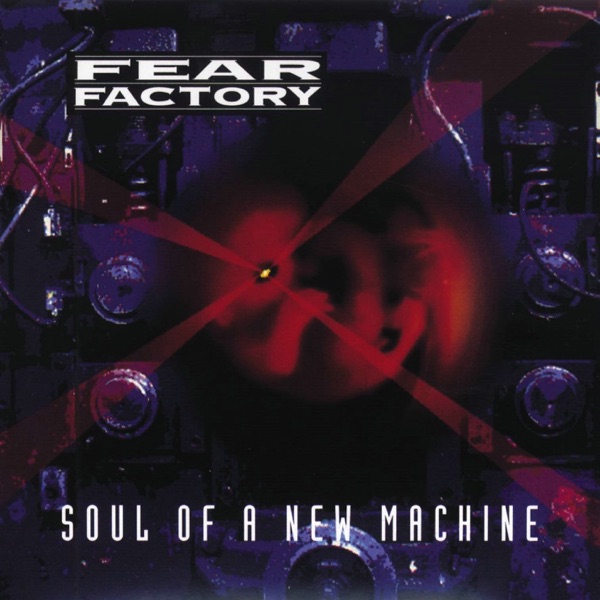
Soul of a New Machine
1992 · 17 tracks
- 1 Martyr ↗ 4:06
- 2 Leechmaster ↗ 3:54
- 3 Scapegoat ↗ 4:33
- 4 Crisis ↗ 3:46
- 5 Crash Test ↗ 3:47
- 6 Flesh Hold ↗ 2:31
- 7 Lifeblind ↗ 3:52
- 8 Scumgrief ↗ 4:07
- 9 Natividad ↗ 1:04
- 10 Big God/Raped Souls ↗ 2:38
- 11 Arise Above Oppression ↗ 1:52
- 12 Self Immolation ↗ 2:46
- 13 Suffer Age ↗ 3:40
- 14 W.O.E. ↗ 2:33
- 15 Desecrate ↗ 2:35
- 16 Escape Confusion ↗ 3:58
- 17 Manipulation ↗ 3:29

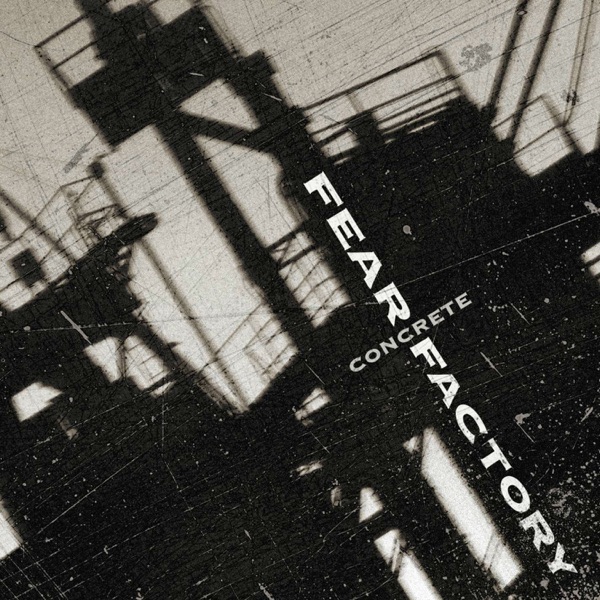
Concrete
2002 · 16 tracks
- 1 Big God/Raped Souls ↗ 2:37
- 2 Arise Above Oppression ↗ 1:57
- 3 Concrete ↗ 2:28
- 4 Crisis ↗ 3:33
- 5 Escape Confusion ↗ 4:08
- 6 Sangre de Ninos ↗ 2:03
- 7 Soulwomb ↗ 2:33
- 8 Echoes of Innocence ↗ 3:05
- 9 Dragged Down By the Weight of Existence ↗ 2:43
- 10 Deception ↗ 0:30
- 11 Desecrate ↗ 2:38
- 12 Suffer Age ↗ 3:45
- 13 Anxiety ↗ 1:40
- 14 Self Immolation ↗ 2:33
- 15 Pisschrist ↗ 2:41
- 16 Ulceration ↗ 2:43

Mechanize
2010 · 13 tracks
- 1 Mechanize ↗ 4:41
- 2 Industrial Discipline ↗ 3:41
- 3 Fear Campaign ↗ 4:53
- 4 Powershifter ↗ 3:51
- 5 Christploitation ↗ 4:58
- 6 Oxidizer ↗ 3:43
- 7 Controlled Demolition ↗ 4:22
- 8 Designing the Enemy ↗ 4:53
- 9 Metallic Division ↗ 1:28
- 10 Final Exit ↗ 8:14
- 11 Martyr (Re-Recorded Version) ↗ 4:24
- 12 Crash Test (Re-Recorded Version) ↗ 3:43
- 13 Sangre De Ninos (Re-Recorded Version) ↗ 3:22
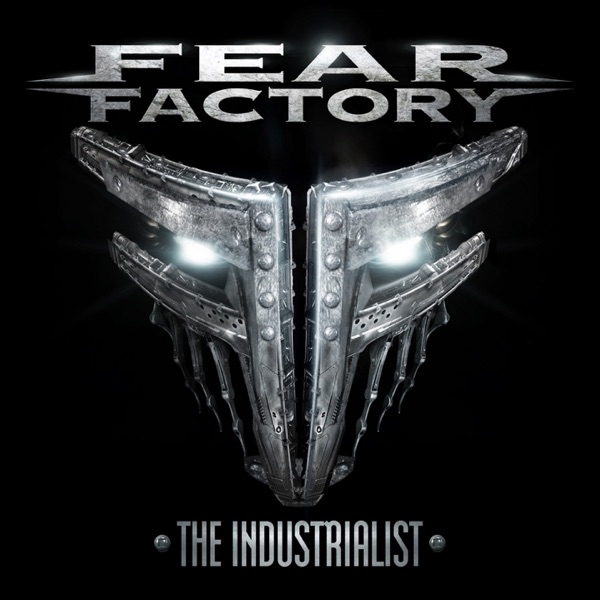
The Industrialist
2012 · 10 tracks

-
 Soul of a New MachineFear Factory199217 tracks
 -
 DemanufactureFear Factory199511 tracks
 -
 ObsoleteFear Factory199811 tracks
 -
 DigimortalFear Factory200111 tracks
 -
 ConcreteFear Factory200216 tracks
 -
 MechanizeFear Factory201013 tracks
 -
 The IndustrialistFear Factory201210 tracks
 -
 Aggression ContinuumFear Factory202110 tracks
 - Aggression Continuum (The Instrumentals)Fear Factory202110 tracks
Deep Dive
Overview
Fear Factory stands as one of the most enduring and sonically uncompromising acts in industrial metal. Formed in Los Angeles in 1989, the band emerged at the intersection of death metal aggression, industrial production techniques, and mechanized groove, creating a template that would influence generations of heavy artists. Over three decades, Fear Factory has navigated significant lineup changes, sonic reinventions, and extended hiatuses while maintaining a core commitment to the marriage of human brutality and machine-like precision.
Formation Story
Fear Factory crystallized in Los Angeles in 1989, emerging from the city’s thriving underground metal and industrial scenes. The band centered around the partnership of guitarist Dino Cazares and vocalist Burton C. Bell, whose complementary visions of mechanized heaviness and raw vocal intensity became the group’s defining axis. Los Angeles in the late 1980s was fertile ground for such experimentation; the city hosted a robust community of death metal acts, industrial pioneers, and crossover artists willing to blend genres without compromise. From its inception, Fear Factory committed to a sound that treated the human voice and body as instruments to be processed and dehumanized rather than celebrated, a philosophy that distinguished them from both traditional metal and industrial camps.
Breakthrough Moment
Fear Factory’s commercial and critical breakthrough arrived with their 1995 album Demanufacture, which refined and expanded the template sketched on their 1992 debut Soul of a New Machine. Demanufacture demonstrated that industrial metal could achieve both sonic density and visceral impact, combining heavily processed drums, distorted riffs, and Burton C. Bell’s characteristic vocal delivery—processed, rhythmic, and more spoken than sung—into a cohesive aesthetic. The album established Fear Factory as more than a niche underground proposition; it proved that the marriage of industrial production and death metal fury could resonate beyond the underground, earning the band wider attention and laying groundwork for their most celebrated era.
Peak Era
Fear Factory’s most creatively vital and commercially successful period spanned the late 1990s and early 2000s. The 1998 album Obsolete represented the apex of their early vision, followed by Digimortal in 2001 and the final album of their initial run, Concrete, in 2002. During this stretch, the band refined their signature sound into a machine of algorithmic precision, where every drum fill, vocal phrase, and guitar moment seemed to serve a larger structural purpose. Obsolete in particular showcased Fear Factory at peak creative ambition, expanding their sonic palette while remaining tethered to their core industrial metal identity. The year 2002 marked the end of this era; the band entered a seven-year sabbatical, returning in 2009 with Mechanize, a rebirth album that recontextualized their sound for a new decade.
Musical Style
Fear Factory’s sound is defined by the systematic dehumanization of metal. Rather than emphasize traditional metal virtuosity, the band treats the guitar as one voice in a larger mechanical ensemble, often buried in dense production and processed through industrial effects. Drums—whether programmed or played—function as metronomes of controlled aggression, rarely breaking from rigid patterns to indulge in fills or flourish. Burton C. Bell’s vocals operate somewhere between speech and song, often rhythmically aligned with the drums in patterns that suggest vocal percussion rather than conventional melody. The bass, when audible, anchors the low end without flashiness. This approach draws from industrial music’s embrace of repetition and mechanization, but filtered through death metal’s tuning, aggression, and dissonance. Over their career, Fear Factory gradually allowed for greater accessibility and groove—albums like Digimortal and later Mechanize (2010) retained the industrial skeleton but warmed the production and made the riffs more memorable—yet the core aesthetic remained rooted in controlled chaos and the inversion of human emotion into machine logic.
Major Albums
Soul of a New Machine (1992)
Fear Factory’s debut established the blueprint for industrial metal: distorted riffs colliding with programmed drums, Burton C. Bell’s processed vocals emerging from the mechanical din, and a commitment to unholy heaviness achieved through precision rather than loose brutality.
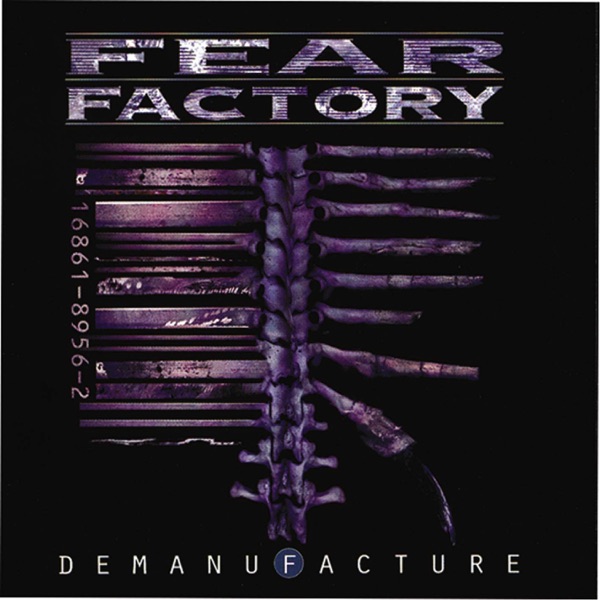
Demanufacture (1995)
This album refined the industrial metal formula into its most polished early form, earning the band significant underground credibility and proving that their sound could sustain an entire album’s worth of tightly constructed, uncompromising songs.
Obsolete (1998)
Often regarded as Fear Factory’s masterwork, Obsolete expanded their sonic reach while tightening every structural element, presenting the band’s industrial metal vision at maximum ambition and atmospheric density.
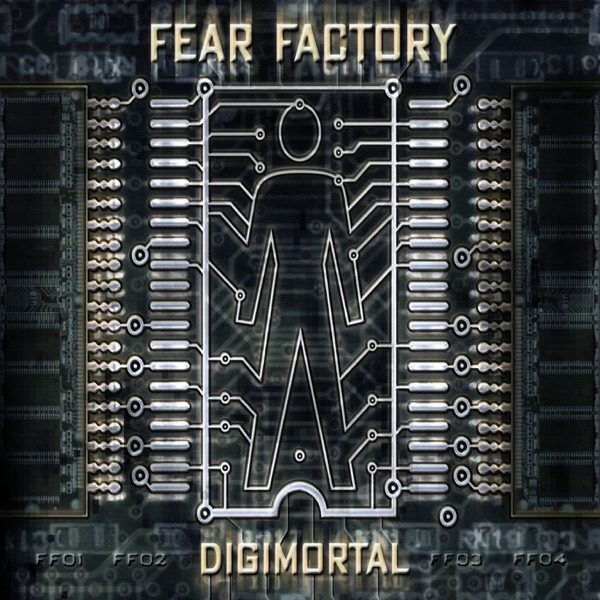
Digimortal (2001)
Released as the band’s initial era neared its end, Digimortal introduced greater groove and accessibility without sacrificing the mechanical ethos, suggesting new directions the band might pursue.
Mechanize (2010)
Returning from a seven-year break, Fear Factory remade their signature sound for contemporary production standards, proving their core aesthetic remained vital and uncompromised in a new era.
Genexus (2015)
This album demonstrated the band’s continued relevance, balancing their industrial metal foundation with evolved songwriting and production that reflected three decades of refinement.
Signature Songs
- Linchpin — A signature statement of Fear Factory’s fusion of industrial rhythm and death metal intensity, the song exemplifies their mechanized approach to songwriting.
- Shepherd the Swine — One of the band’s most rhythmically relentless tracks, showcasing how repetition and precision create brutality without chaos.
- Replica — An early standout that demonstrated Fear Factory’s ability to craft memorable hooks within their uncompromising industrial framework.
- Spinal Compression — A showcase of the band’s capacity for groove within their industrial aesthetic, making mechanized music almost danceable.
Influence on Rock
Fear Factory’s influence extends across metal and industrial music, establishing industrial metal as a viable and enduring subgenre. Their insistence that metal and industrial were not opposing forces but complementary ones shaped countless bands who followed, from Godflesh’s more noise-oriented descendants to modern industrial metal acts seeking to marry dance-floor mechanics with extreme heaviness. The band’s treatment of the human voice as a processed, rhythmic instrument rather than a vehicle for melodic expression influenced both death metal vocalists and industrial vocalists, suggesting new possibilities for each camp. Their long career also demonstrated that extreme music could sustain commercial viability and artistic relevance across decades without significant compromise, a lesson that has encouraged other underground acts to remain uncompromising rather than dilute their vision for mainstream acceptance.
Legacy
Fear Factory’s place in metal history is secured not through chart dominance or mainstream crossover but through the durability of their vision and their establishment of industrial metal as a serious, evolving subgenre. For 31 years, Burton C. Bell remained the sole consistent member through numerous lineup changes and a seven-year sabbatical, making his eventual 2020 departure a significant moment in the band’s history. Guitarist Dino Cazares has remained the only other continuous presence, save for the extended break. The band’s return to recording with Mechanize (2010) and subsequent albums including The Industrialist (2012), Genexus (2015), and Aggression Continuum (2021) proved that their core aesthetic remained creatively fertile and artistically vital. Across streaming platforms and physical reissues, Fear Factory maintains a steady presence in the contemporary metal landscape, their sound instantly recognizable and their influence continuing to inform new generations of industrial and extreme metal musicians.
Fun Facts
- Fear Factory’s 2002 album Concrete marked the endpoint of their initial continuous run before the seven-year sabbatical that lasted until their 2009 return.
- The band has released instrumental versions of their studio albums, including Aggression Continuum (The Instrumentals) in 2021, allowing listeners to appreciate the mechanical precision of their production without vocal processing.
- Dino Cazares is the sole remaining original member in Fear Factory’s current lineup, having survived the band’s various hiatuses and membership overhauls.
- Fear Factory has been signed to multiple major metal labels across their career, including Nuclear Blast, Roadrunner Records, and Candlelight Records, reflecting their journey from underground act to established metal institution.