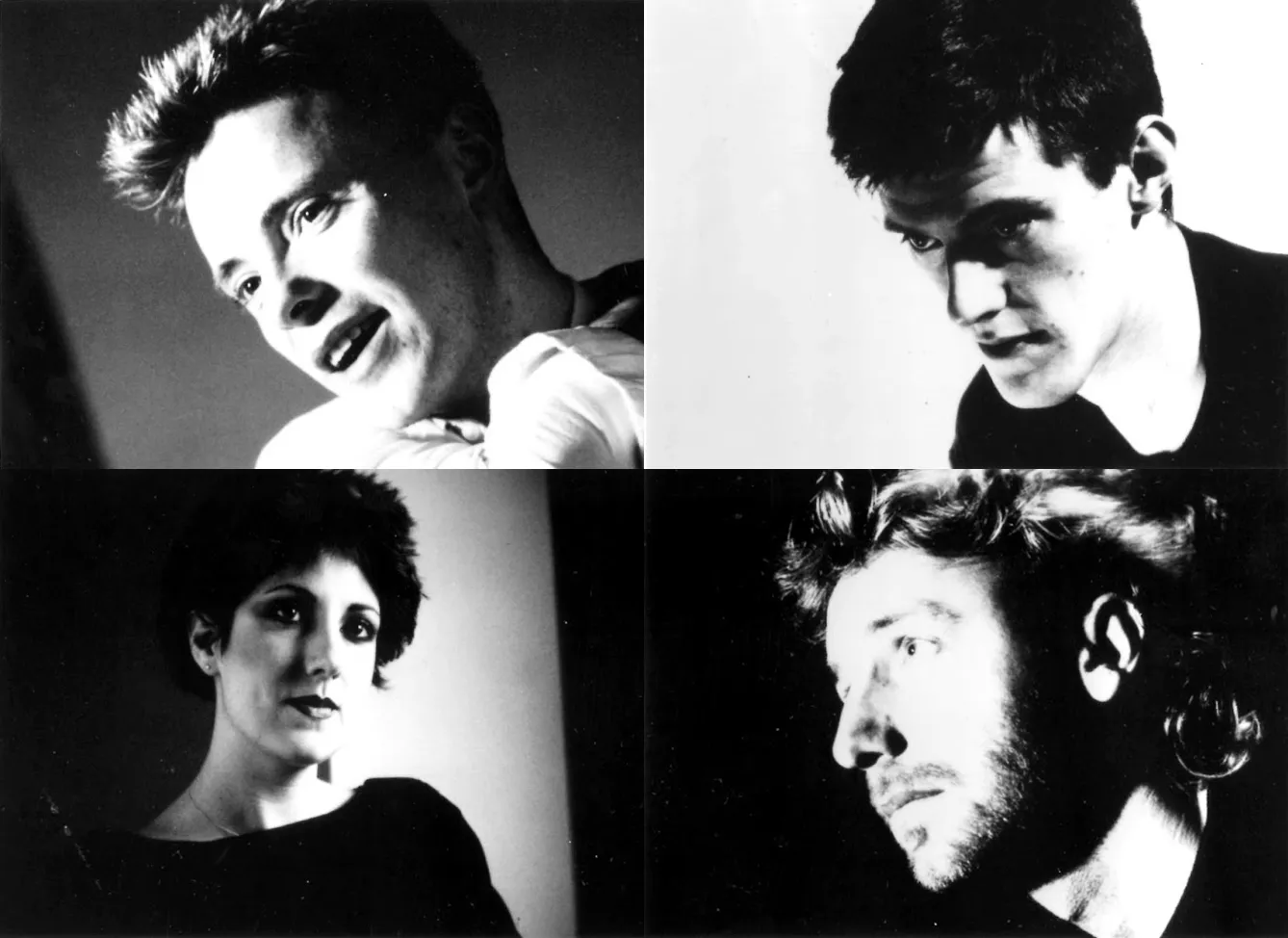
Photo by Trevor Key, Peter Saville; Distributed by Qwest Records , licensed under Public domain · Wikimedia Commons
Rank #106
New Order
Manchester post-Joy-Division project who fused dance music and rock.
From Wikipedia
New Order are an English rock band formed in Manchester in 1980 by vocalist, guitarist and keyboardist Bernard Sumner, bassist Peter Hook, and drummer Stephen Morris, with keyboardist Gillian Gilbert joining the band shortly after. Sumner, Hook and Morris were previously members of Joy Division, which had disbanded earlier in 1980 after the suicide of lead singer Ian Curtis. Their fusion of post-punk and electronic dance music made them one of the most acclaimed and influential bands of the 1980s, and pioneers of alternative dance. They became the flagship band for the Manchester-based independent record label Factory Records and its nightclub, The Haçienda. They worked in a long-term collaboration with graphic designer Peter Saville who worked on their album covers.
Members
- Phil Cunningham (2001–present)
- Tom Chapman (2011–present)
- Bernard Sumner
- Gillian Gilbert
- Peter Hook (?–2007)
- Stephen Morris
Studio Albums
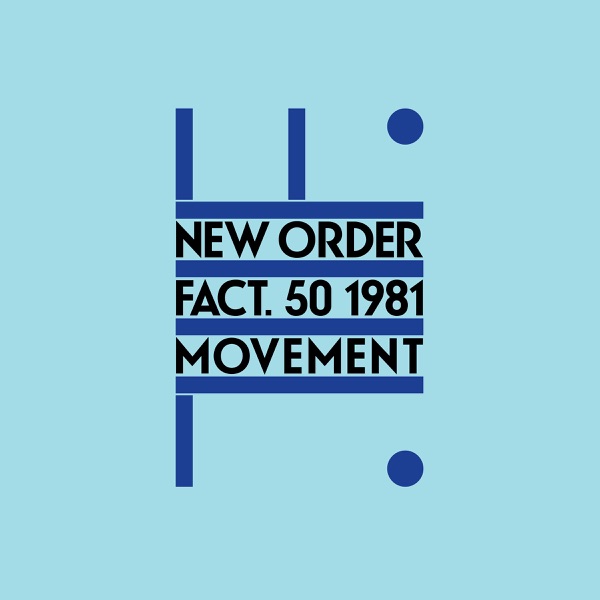
- 1981 Movement
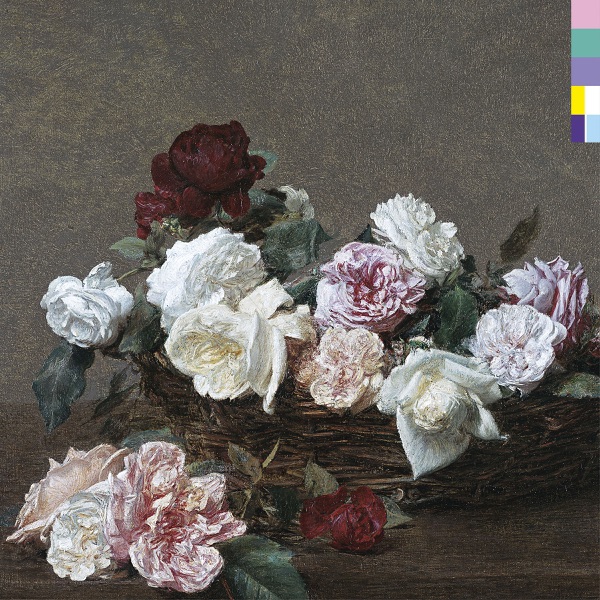
- 1983 Power, Corruption & Lies
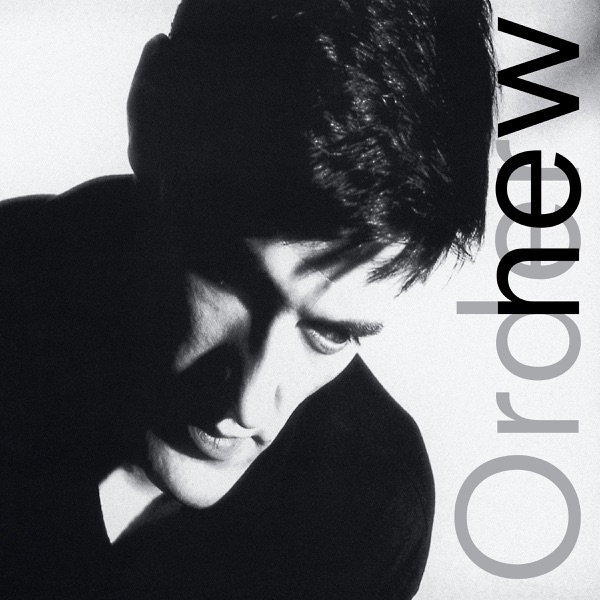
- 1985 Low‐Life
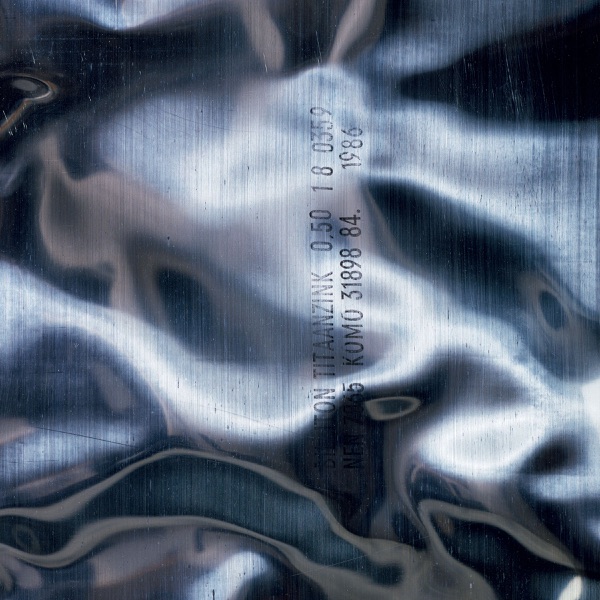
- 1986 Brotherhood
- 1989 Technique
- 1993 Republic
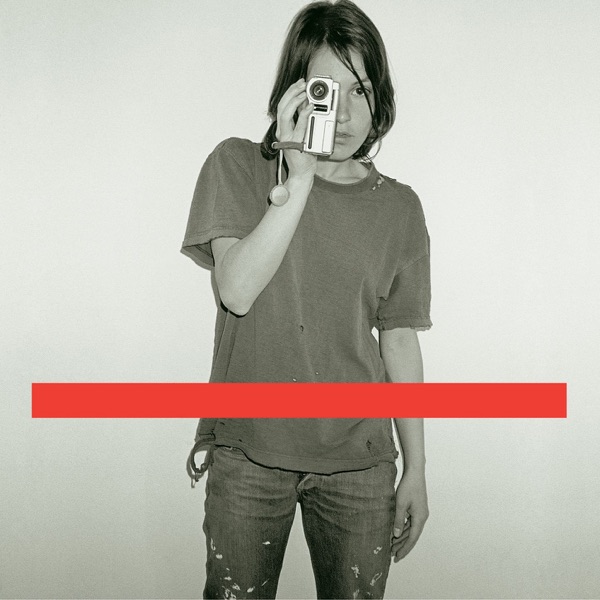
- 2001 Get Ready
- 2001 Get Ready Premix (mastered)
- 2005 Waiting for the Sirens’ Call
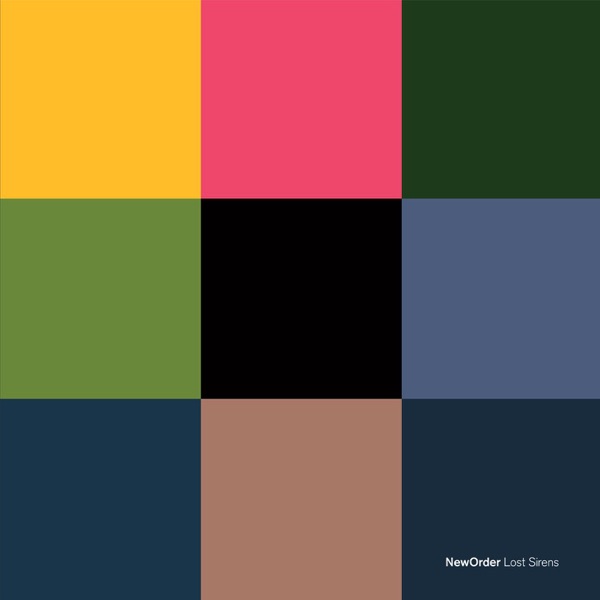
- 2013 Lost Sirens
- 2015 Music Complete
Source: MusicBrainz
Deep Dive
Overview
New Order are an English rock band that emerged from the ashes of Joy Division in Manchester during 1980. Formed by Bernard Sumner (vocals, guitar, keyboards), Peter Hook (bass), and Stephen Morris (drums)—all former members of Joy Division—with keyboardist Gillian Gilbert joining shortly after, New Order bridged post-punk and electronic dance music in a way that positioned them as pioneers of alternative dance. Their work during the 1980s and beyond established them as one of the most acclaimed and influential acts of that decade, fundamentally altering the relationship between rock instrumentation and synthesizer-driven production.
Formation Story
Joy Division’s dissolution in May 1980 following the suicide of lead singer Ian Curtis left Sumner, Hook, and Morris at a crossroads. Rather than disband, the three decided to continue as a new entity, christening themselves New Order—a name that reflected both their fresh start and their determination to move beyond their past. Gillian Gilbert’s addition on keyboards shortly after formation proved crucial, expanding the band’s sonic palette and providing the harmonic sophistication that would define their sound. The band’s base was Salford, in the northwest of England, where they quickly aligned themselves with Factory Records, the Manchester-based independent label that would become synonymous with their output and aesthetic vision.
Breakthrough Moment
New Order’s initial release, the 1981 album Movement, introduced their post-punk foundations and marked their first statement as a reformed unit. However, it was Power, Corruption & Lies in 1983 that crystallized their artistic vision and brought them wider attention. This album showcased a dramatic shift toward synthesizer-driven arrangements while maintaining the angular guitar work and bass-heavy grooves that connected them to their Joy Division heritage. The album’s commercial success within independent and alternative circles established New Order as more than a Joy Division continuation—they were architects of a genuinely new sound that appealed to both rock purists and dance music audiences.
Peak Era
The mid-to-late 1980s represented New Order’s creative and commercial zenith. Low-Life (1985) and Brotherhood (1986) deepened their exploration of electronic textures while preserving melodic songwriting and intricate arrangements. Technique (1989) arrived at the end of the decade as perhaps their most accomplished fusion of dance rhythms and rock sensibility, showcasing the band’s mastery of production techniques and their ability to craft songs that functioned equally well in nightclubs and on rock radio. During this period, New Order became the flagship band for Factory Records and cultivated a close association with the label’s nightclub, The Haçienda, which served as both a cultural laboratory and a testing ground for their increasingly dance-influenced material. Their long-term visual collaboration with graphic designer Peter Saville produced some of the era’s most recognizable and artistically ambitious album covers.
Musical Style
New Order’s sound melded the angular, propulsive bass lines and post-punk energy of Joy Division with synthesizer layers that ranged from thin, atmospheric washes to punchy, rhythmically essential components. Bernard Sumner’s vocals maintained the detached, often melancholic tone he had cultivated in his previous band, while his guitar work evolved from angular and sparse to more layered and textural. Peter Hook’s bass remained a structural anchor, often driving songs with mechanical precision that complemented rather than opposed the electronic elements. Stephen Morris’s drumming ranged from post-punk snap to dance-influenced grooves, while Gillian Gilbert’s keyboards provided both melodic hooks and atmospheric depth. The band embraced synthesizers not as replacements for traditional rock instrumentation but as equal partners, creating a hybrid aesthetic that influenced the definition of alternative dance and expanded what rock music could encompass. Their production values were consistently precise and contemporary, reflecting the cutting-edge studio techniques of their respective eras.
Major Albums
Power, Corruption & Lies (1983)
This album marked New Order’s artistic consolidation, introducing their signature synth-driven sound while maintaining post-punk’s structural complexity and emotional reserve. It established the template that would define their most influential period.
Low-Life (1985)
A refined exploration of the electronic-rock fusion, Low-Life showcased increasingly sophisticated arrangements and demonstrated the band’s comfort working across dance and alternative rock contexts simultaneously.
Brotherhood (1986)
Delving deeper into synthesizer arrangements and dance influences, Brotherhood represented the band at the height of their creative confidence, balancing commercial accessibility with artistic ambition.
Technique (1989)
Arguably New Order’s masterpiece, Technique synthesized all their previous innovations into a cohesive statement that functioned as both dancefloor material and album-oriented rock. It proved the band’s ability to remain artistically vital and commercially relevant at decade’s end.
Republic (1993)
Following a four-year gap, Republic signaled New Order’s continuation beyond the 1980s, adapting their sound to the early 1990s while maintaining the melodic sophistication and electronic architecture that defined them.
Signature Songs
- “Age of Consent” — A post-punk-inflected track that demonstrated the band’s ability to infuse electronic elements into guitar-driven rock frameworks.
- “Temptation” — A synth-forward composition that epitomized New Order’s dance-rock fusion and became one of their most recognizable tracks.
- “Bizarre Love Triangle” — An electronic pop-influenced song that showcased the band’s commercial instincts without sacrificing compositional depth.
- “Blue Monday” — Though not included in the supplied album data, this track from the 1983 era exemplified their experimental approach to dance music production.
Influence on Rock
New Order’s synthesis of post-punk and electronic dance music proved foundational for alternative dance as a genre category. Their demonstration that rock bands could embrace synthesizers and dance rhythms without abandoning artistic credibility opened pathways for countless acts in the 1980s and beyond. Bands working across the alternative, electronic, and dance spectrums traced lineage through New Order’s innovations. Their work at Factory Records and The Haçienda established Manchester as a cultural center during the 1980s and created a template for independent labels and venues functioning as integrated creative ecosystems. They proved that experimental production and commercial appeal were not mutually exclusive, influencing both the production aesthetic and structural approaches of alternative rock, synth-pop, and electronic music throughout the subsequent three decades.
Legacy
New Order’s continued activity into the 21st century—with lineup changes that saw Tom Chapman and Phil Cunningham joining in 2011 and 2001 respectively, and Peter Hook’s departure in 2007—demonstrated their commitment to evolving rather than preserving a fixed past. Albums including Get Ready (2001), Waiting for the Sirens’ Call (2005), and Music Complete (2015) showed a band willing to engage with contemporary production techniques while maintaining their fundamental sonic identity. Their influence persists across streaming platforms and in the ongoing relevance of their 1980s catalogue, which remains foundational listening for anyone studying the intersection of rock, electronic music, and dance culture. The band’s partnership with Peter Saville created a comprehensive aesthetic experience that extended beyond music into visual culture, establishing a holistic artistic vision that influenced how bands presented themselves across multiple media. New Order’s sustained presence in rock discourse reflects their successful negotiation of the gap between critical respect and commercial viability, a position maintained across more than four decades of recording and performance.
Fun Facts
- The band’s name, New Order, was inspired by a headline in a newspaper, reflecting their desire to position themselves as a genuinely new project rather than a continuation of Joy Division under a different guise.
- Factory Records and The Haçienda nightclub functioned as intertwined institutions of Manchester’s cultural renaissance, with New Order serving as the flagship act that validated the label’s artistic vision and the venue’s experimental direction.
- Bernard Sumner and Peter Hook maintained their partnership as songwriting collaborators across most of New Order’s major releases, despite the musical and creative tensions that sometimes accompanied their work together.
Discography & Previews
Click any album to expand its track list. Each track plays a 30-second preview streamed from Apple Music. Tap the link icon next to a track to open it in Apple Music for full playback.


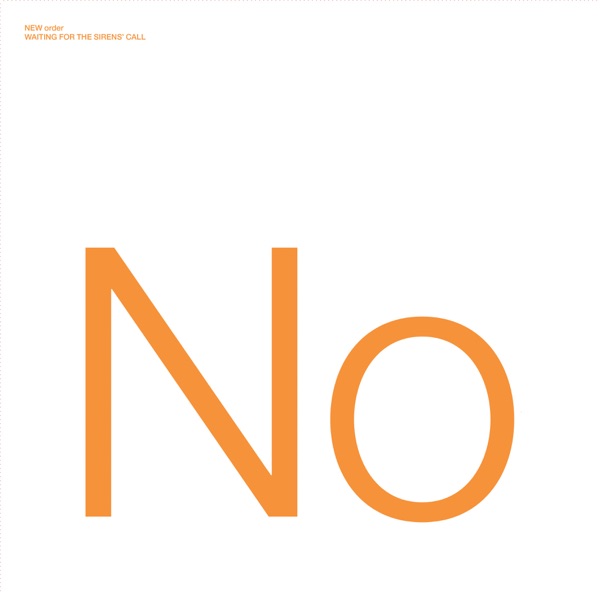
- 1 Who's Joe? ↗ 5:43
- 2 Hey Now What You Doing ↗ 5:13
- 3 Waiting For the Sirens' Call ↗ 5:40
- 4 Krafty ↗ 4:32
- 5 I Told You So ↗ 5:58
- 6 Morning Night and Day ↗ 5:08
- 7 Dracula's Castle ↗ 5:37
- 8 Jetstream (feat. Ana Matronic) ↗ 5:21
- 9 Guilt Is a Useless Emotion ↗ 5:37
- 10 Turn ↗ 4:34
- 11 Working Overtime ↗ 3:27