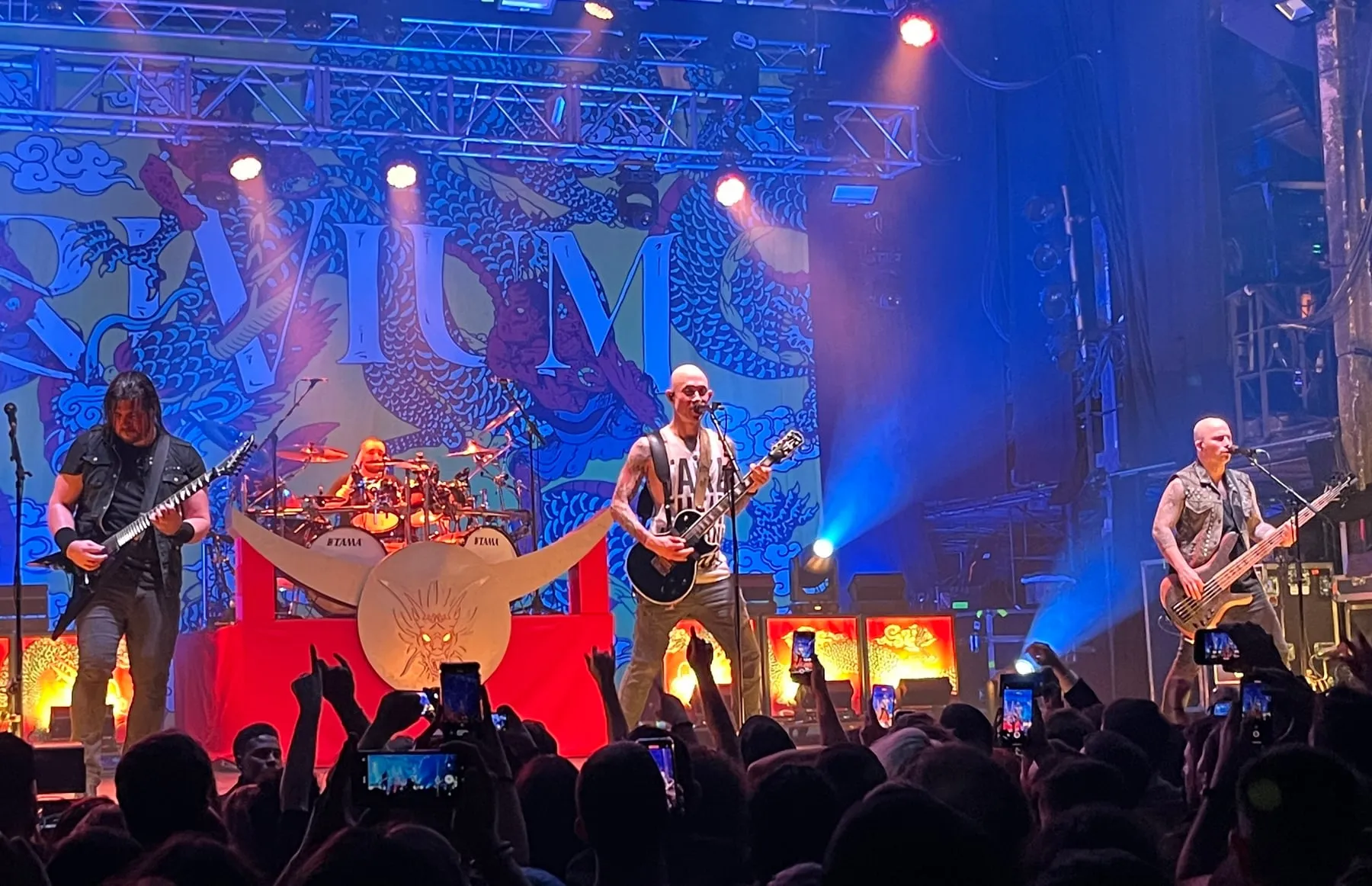
Photo by Schizodelight , licensed under CC BY-SA 4.0 · Wikimedia Commons
Rank #436
Trivium
From Wikipedia
Trivium is an American heavy metal band from Orlando, Florida, formed in 1999. The band's creative core comprises three long-time members; vocalist and guitarist Matt Heafy, guitarist Corey Beaulieu, and bassist Paolo Gregoletto. The band has changed drummers numerous times, with Alex Rüdinger becoming the most recent addition in October 2025.
Members
- Travis Smith (1999–2009)
- Corey Beaulieu
- Matt Heafy
Discography & Previews
Browse through and click an album to open and play 30-second previews streamed from Apple Music.

Ember to Inferno
2003 · 12 tracks
- 1 Inception: The Bleeding Skies ↗ 0:35
- 2 Pillars of Serpents ↗ 4:35
- 3 If I Could Collapse the Masses ↗ 4:42
- 4 Fugue (A Revelation) ↗ 4:22
- 5 Requiem ↗ 4:54
- 6 Ember to Inferno ↗ 4:11
- 7 Ashes ↗ 0:54
- 8 To Burn the Eye ↗ 7:01
- 9 Falling to Grey ↗ 5:37
- 10 My Hatred ↗ 4:35
- 11 When All Light Dies ↗ 6:23
- 12 A View of Burning Empires ↗ 1:50
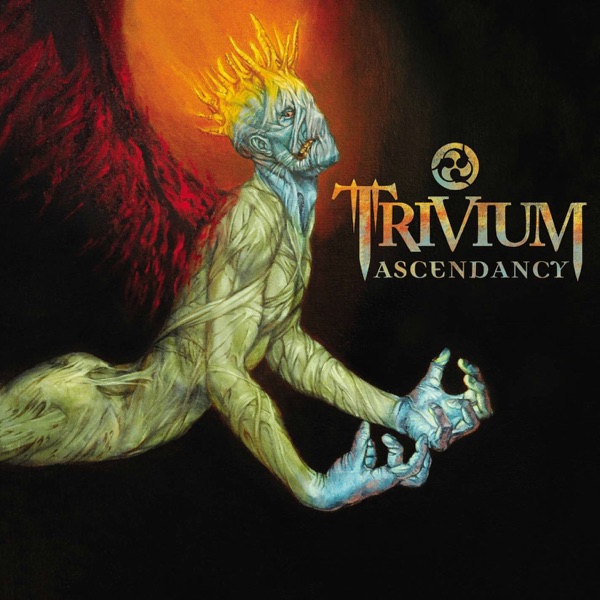
Ascendancy
2005 · 12 tracks
- 1 The End of Everything ↗ 1:21
- 2 Rain ↗ 4:12
- 3 Pull Harder On the Strings of Your Martyr ↗ 4:51
- 4 Drowned and Torn Asunder ↗ 4:17
- 5 Ascendancy ↗ 4:25
- 6 A Gunshot to the Head of Trepidation ↗ 5:56
- 7 Like Light to the Flies ↗ 5:41
- 8 Dying In Your Arms ↗ 2:53
- 9 The Deceived ↗ 5:12
- 10 Suffocating Sight ↗ 3:48
- 11 Departure ↗ 5:41
- 12 Declaration ↗ 6:58
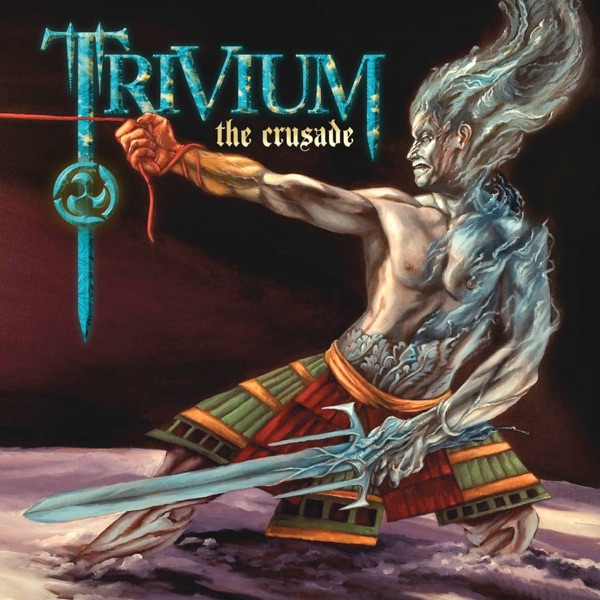
The Crusade
2006 · 13 tracks
- 1 Ignition ↗ 3:55
- 2 Detonation ↗ 4:29
- 3 Entrance of the Conflagration ↗ 4:35
- 4 Anthem (We Are the Fire) ↗ 4:04
- 5 Unrepentant ↗ 4:52
- 6 And Sadness Will Sear ↗ 3:35
- 7 Becoming the Dragon ↗ 4:44
- 8 To the Rats ↗ 3:43
- 9 This World Can't Tear Us Apart ↗ 3:30
- 10 Tread the Floods ↗ 3:34
- 11 Contempt Breeds Contamination ↗ 4:29
- 12 The Rising ↗ 3:45
- 13 The Crusade ↗ 8:22
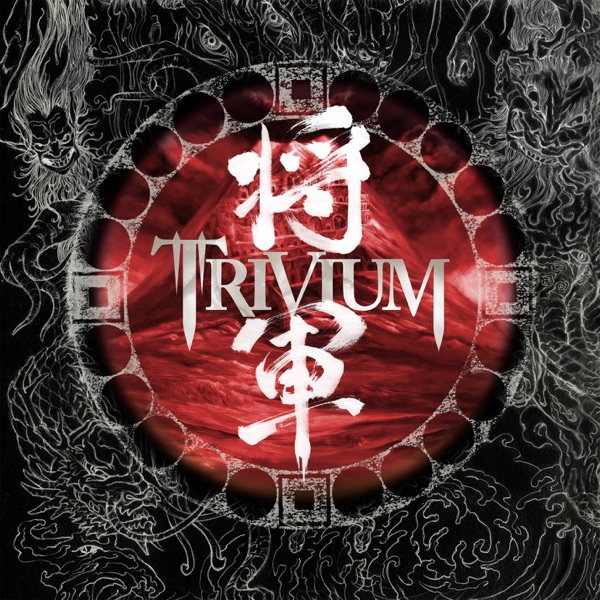
Shogun
2008 · 11 tracks
- 1 Kirisute Gomen ↗ 6:27
- 2 Torn Between Scylla and Charybdis ↗ 6:50
- 3 Down from the Sky ↗ 5:34
- 4 Into the Mouth of Hell We March ↗ 5:52
- 5 Throes of Perdition ↗ 5:54
- 6 Insurrection ↗ 4:57
- 7 The Calamity ↗ 4:58
- 8 He Who Spawned the Furies ↗ 4:08
- 9 Of Prometheus and the Crucifix ↗ 4:40
- 10 Like Callisto to a Star In Heaven ↗ 5:26
- 11 Shogun ↗ 11:55

In Waves
2011 · 13 tracks
- 1 Capsizing the Sea ↗ 1:31
- 2 In Waves ↗ 5:02
- 3 Inception of the End ↗ 3:48
- 4 Dusk Dismantled ↗ 3:48
- 5 Watch the World Burn ↗ 4:53
- 6 Black ↗ 3:28
- 7 A Skyline's Severance ↗ 4:52
- 8 Built to Fall ↗ 3:08
- 9 Caustic Are the Ties That Bind ↗ 5:35
- 10 Forsake Not the Dream ↗ 5:21
- 11 Chaos Reigns ↗ 4:08
- 12 Of All These Yesterdays ↗ 4:22
- 13 Leaving This World Behind ↗ 1:33

Vengeance Falls
2013 · 10 tracks
- 1 Brave This Storm (2023 Remaster) ↗ 4:30
- 2 Vengeance Falls (2023 Remaster) ↗ 4:14
- 3 Strife (2023 Remaster) ↗ 4:29
- 4 No Way to Heal (2023 Remaster) ↗ 4:06
- 5 To Believe (2023 Remaster) ↗ 4:33
- 6 At the End of This War (2023 Remaster) ↗ 4:48
- 7 Through Blood and Dirt and Bone (2023 Remaster) ↗ 4:26
- 8 Villainy Thrives (2023 Remaster) ↗ 4:55
- 9 Incineration: The Broken World (2023 Remaster) ↗ 5:52
- 10 Wake (The End Is Nigh) [2023 Remaster] ↗ 5:58

Silence in the Snow
2015 · 11 tracks
- 1 Snøfall ↗ 1:28
- 2 Silence in the Snow ↗ 3:40
- 3 Blind Leading the Blind ↗ 4:26
- 4 Dead and Gone ↗ 3:46
- 5 The Ghost That's Haunting You ↗ 4:10
- 6 Pull Me from the Void ↗ 3:54
- 7 Until the World Goes Cold ↗ 5:21
- 8 Rise Above the Tides ↗ 3:54
- 9 The Thing That's Killing Me ↗ 3:30
- 10 Beneath the Sun ↗ 3:57
- 11 Breathe in the Flames ↗ 5:11
The Sin and the Sentence
2017 · 11 tracks
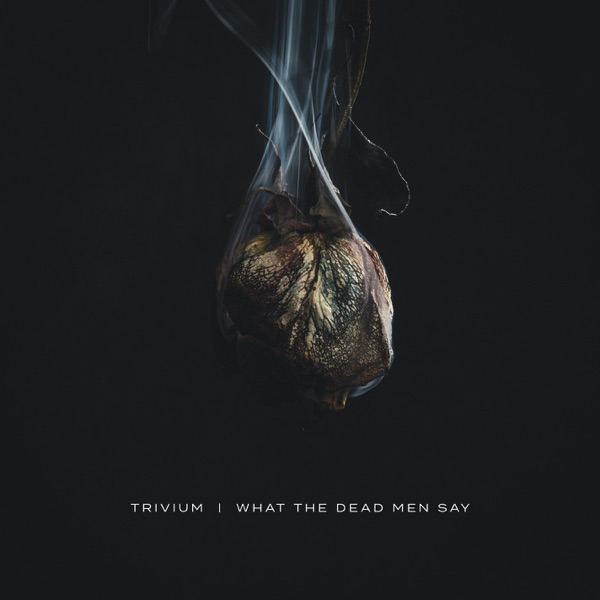
What the Dead Men Say
2020 · 10 tracks

In the Court of the Dragon
2021 · 10 tracks
-
 Ember to InfernoTrivium200312 tracks
 -
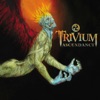 AscendancyTrivium200512 tracks
 -
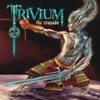 The CrusadeTrivium200613 tracks
 -
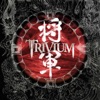 ShogunTrivium200811 tracks
 -
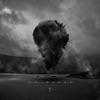 In WavesTrivium201113 tracks
 -
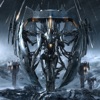 Vengeance FallsTrivium201310 tracks
 -
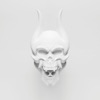 Silence in the SnowTrivium201511 tracks
 -
 The Sin and the SentenceTrivium201711 tracks
 -
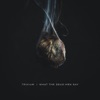 What the Dead Men SayTrivium202010 tracks
 -
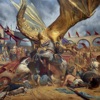 In the Court of the DragonTrivium202110 tracks
Deep Dive
Overview
Trivium is an American heavy metal band from Orlando, Florida, formed in 1999. Operating across thrash metal, melodic metalcore, and progressive metal idioms, the band has built a career on technical musicianship, layered guitar work, and a willingness to evolve their sound across successive albums. With a creative foundation anchored by vocalist and guitarist Matt Heafy, guitarist Corey Beaulieu, and bassist Paolo Gregoletto, Trivium has maintained a consistent recording presence across two decades, establishing themselves as a fixture in the heavy metal landscape through a prolific output that ranges from pure metallic assault to more introspective, compositionally complex territory.
Formation Story
Trivium emerged from Orlando’s metal scene in 1999, a city not traditionally known as a primary hub for metal innovation. The band coalesced around Matt Heafy’s songwriting vision and vocal delivery, with Corey Beaulieu joining on guitar to create the dual-guitar foundation that would define the band’s sound. Bassist Paolo Gregoletto and drummer Travis Smith completed the classic lineup that would record the band’s first four studio albums. The early 2000s placed Trivium in a metal landscape dominated by post-grunge, nu-metal, and a resurgent interest in traditional thrash metal, particularly as bands from the 1980s returned to touring and new acts revisited the genre’s technical and lyrical intensity.
Breakthrough Moment
Trivium’s breakthrough arrived with their second album, Ascendancy (2005), which immediately signaled that the band possessed both technical proficiency and melodic sensibility. Released on Roadrunner Records, Ascendancy combined the speed and aggression of thrash metal with accessible songwriting and production values that resonated with both metal traditionalists and listeners drawn to metalcore’s crossover appeal. The album’s commercial and critical success transformed Trivium from a regional act into a touring band with international reach. Following Ascendancy, the band became fixtures on major metal festivals and tours, establishing a dedicated fanbase across North America and Europe that would sustain their career through subsequent stylistic shifts.
Peak Era
The period from 2005 to 2013 represents Trivium’s most prolific and artistically ambitious stretch. The Crusade (2006) doubled down on the technical thrash metal approach, while Shogun (2008) expanded compositional ambitions and incorporated progressive metal elements into the band’s framework. In Waves (2011) and Vengeance Falls (2013) continued this trajectory, each album adding sonic layers and demonstrating a band comfortable with longer song structures and more complex arrangements. During this era, Trivium maintained a vigorous touring schedule and became known for their ability to execute intricate material live with precision. The 2008–2013 window in particular saw the band refining a balance between raw metallic force and compositional sophistication that became their identifying characteristic.
Musical Style
Trivium’s sound synthesizes thrash metal’s rhythmic ferocity and dual-guitar interplay with melodic sensibilities drawn from both traditional metal and metalcore. Heafy’s vocals operate across a range from melodic singing to aggressive barking, often within the same song, allowing the band to traverse dynamic shifts without sacrificing intensity. Corey Beaulieu and Heafy’s guitar work emphasizes both harmonic counterpoint and unison passages, creating textural depth that extends beyond the straightforward palm-muted riffing of earlier thrash bands. Rhythmically, the band operates in thrash’s traditional high-speed pocket while incorporating breakdowns and tempo changes that acknowledge metalcore’s structural vocabulary. The songwriting itself tends toward conceptual coherence within albums, with recurring lyrical and musical themes binding tracks together rather than treating each song as an isolated unit. Across the 2000s, the band’s production grew progressively more polished, moving from the rawer textures of Ember to Inferno toward the crystalline clarity of later efforts, reflecting both technological advancement and shifting creative intentions.
Major Albums
Ascendancy (2005)
Trivium’s mainstream breakthrough, Ascendancy established the band’s template: accessible thrash metal filtered through melodic sensibilities and contemporary production. The album’s commercial success positioned the band as one of the significant new voices in metal during the mid-2000s.
Shogun (2008)
Shogun expanded Trivium’s compositional scope, incorporating progressive metal elements and longer song structures while maintaining the thrash metal core. The album demonstrated the band’s ambition to move beyond straightforward genre execution into more complex artistic territory.
In Waves (2011)
A refinement of the progressive thrash metal approach established on Shogun, In Waves presented Trivium at their most technically accomplished and sonically diverse. The album solidified the band’s reputation for balancing accessibility with instrumental sophistication.
What the Dead Men Say (2020)
After several years of relative quiet, What the Dead Men Say marked Trivium’s return to recording and demonstrated the band’s continued relevance in contemporary metal. The album showcased a band comfortable with their established identity while exploring modern production techniques.
In the Court of the Dragon (2021)
Released a year after What the Dead Men Say, In the Court of the Dragon continued Trivium’s reinvigorated recording momentum, with the band demonstrating sustained creative energy across successive releases.
Signature Songs
- “Pull Harder with Your Teeth” — A defining track from Ascendancy that exemplifies the band’s ability to merge thrash metal velocity with melodic hooks and memorable vocal passages.
- “Entrance of the Conflagration” — The opening track from Shogun that establishes the album’s progressive metal ambitions through complex arrangement and dynamic shifting.
- “The Heart from Your Hate” — A track that showcases Trivium’s ability to balance intensity with genuine melodic appeal across a sustained composition.
- “What the Dead Men Say” — Title track from 2020 that demonstrates the band’s continued command of their foundational sound after an extended creative pause.
Influence on Rock
Trivium’s sustained presence in metal discourse across two decades reflects their role in bridging traditional thrash metal and contemporary metalcore aesthetics. Emerging at a moment when thrash metal had become primarily retrospective, the band helped demonstrate that the genre remained viable for new material and new audiences. Their emphasis on technical proficiency combined with accessible melodic sensibility provided a template that influenced subsequent bands navigating the space between underground metal credibility and broader commercial appeal. The band’s evolution across albums—from straightforward thrash to progressive metal explorations—has also established a model for how bands within the genre can shift stylistically while maintaining core identity. Trivium’s visibility on international festival circuits and their consistent recording output have made them reference points for understanding how American metal has sustained itself through changing cultural and commercial landscapes.
Legacy
With over two decades of continuous activity, Trivium has established themselves as a durable presence within the global metal community. Their discography spans a period of significant technological and commercial transformation in rock and metal, yet they have maintained steady relevance through consistent touring and periodic studio album releases. The band’s 2020–2021 return to recording after several years of relative quiet demonstrated that their audience remained engaged and receptive to new material. Trivium’s career has generally unfolded outside the domain of mainstream rock radio or popular music discourse, yet their sustained presence in metal venues, festivals, and touring circuits indicates a stable, dedicated fanbase. The band’s official online presence and continued touring schedule confirm their status as an active entity rather than a heritage act, positioning them as part of metal’s ongoing present rather than its past.
Fun Facts
- Trivium formed in Orlando, Florida, a city without a major historical association with metal or thrash music, distinguishing them from bands emerging from traditional metal strongholds like the San Francisco Bay Area or Los Angeles.
- The band has released ten studio albums across their active period, demonstrating a consistent commitment to new material despite industry-wide shifts in how musicians record and release work.
- Drummer Travis Smith, part of Trivium’s classic lineup through their first four albums, was replaced multiple times across the band’s history, with Alex Rüdinger joining as the most recent drummer addition in October 2025.