
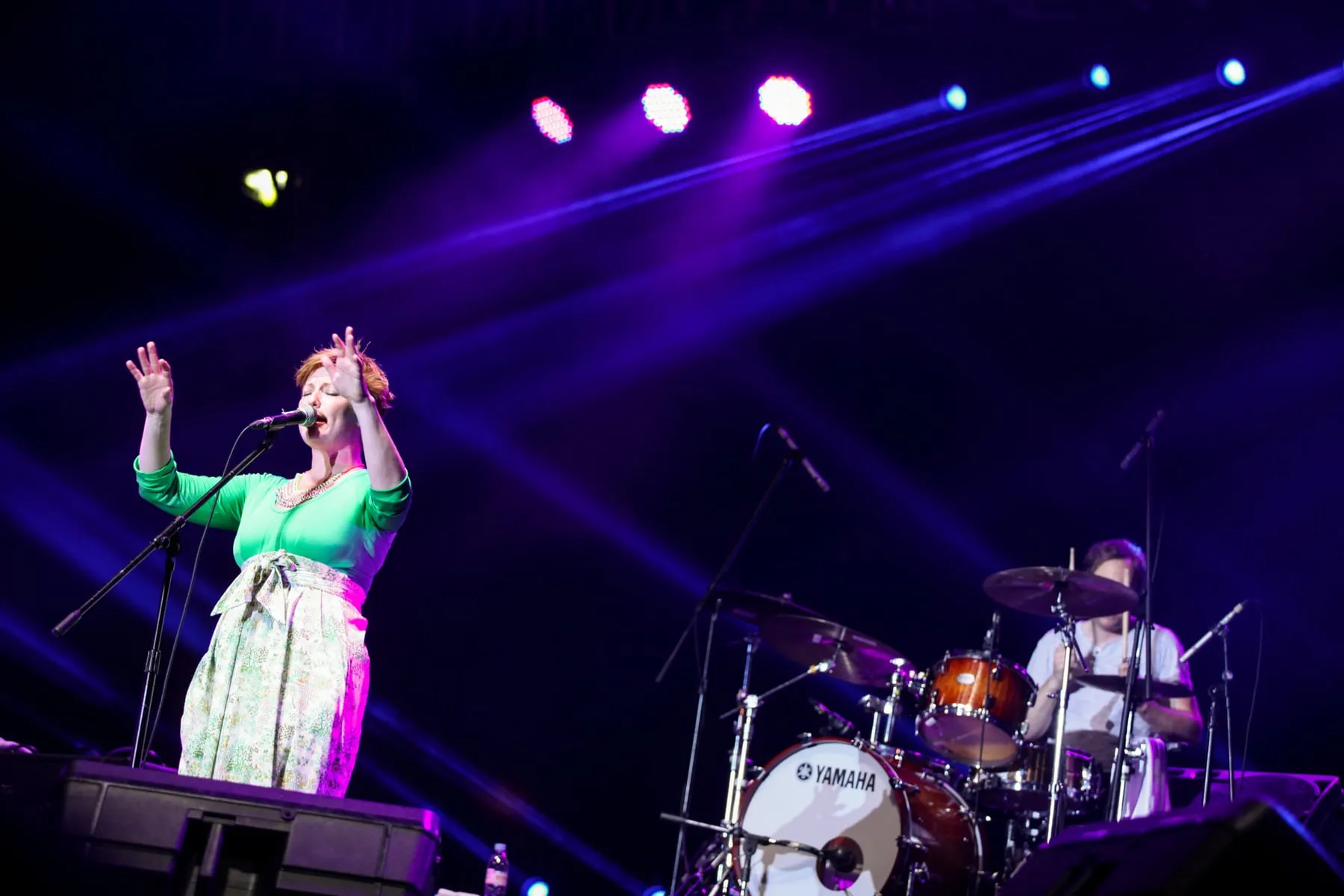
Photo by prassprasetio from Jakarta, Indonesia , licensed under CC BY 2.0 · Wikimedia Commons
Rank #367
Sixpence None the Richer
From Wikipedia
Sixpence None the Richer is an American Christian alternative rock band that formed in New Braunfels, Texas, and settled in Nashville, Tennessee. They are best known for their songs "Kiss Me" and "Breathe Your Name", and their covers of "Don't Dream It's Over" and "There She Goes".
Members
- Leigh Nash
Discography & Previews
Browse through and click an album to open and play 30-second previews streamed from Apple Music.
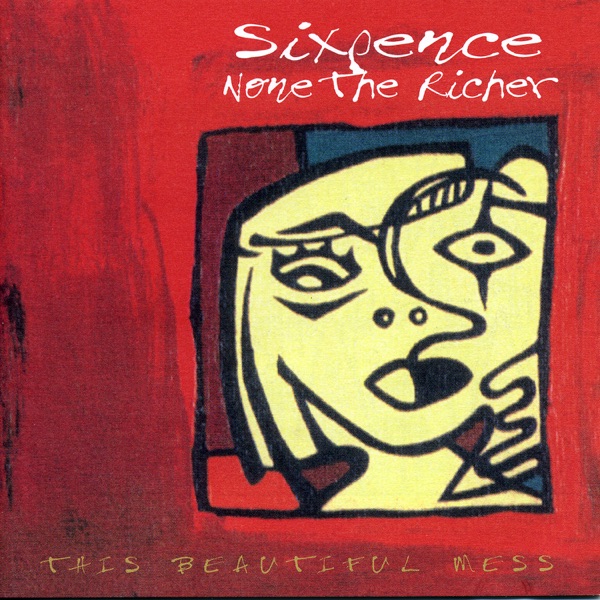
This Beautiful Mess
1995 · 12 tracks
- 1 Angeltread ↗ 3:29
- 2 Love, Salvation, the Fear of Death ↗ 3:51
- 3 Bleeding ↗ 5:05
- 4 Within a Room, Somewhere ↗ 5:06
- 5 Melting Alone ↗ 4:04
- 6 Circle of Error ↗ 5:04
- 7 The Garden ↗ 4:04
- 8 Disconnect ↗ 4:20
- 9 Thought Menagerie ↗ 3:11
- 10 Maybe Tomorrow ↗ 4:22
- 11 Drifting ↗ 3:43
- 12 I Can't Explain ↗ 3:26

Sixpence None the Richer
1997 · 13 tracks
- 1 We Have Forgotten ↗ 5:08
- 2 Anything ↗ 4:45
- 3 The Waiting Room ↗ 5:15
- 4 Kiss Me ↗ 3:29
- 5 Easy to Ignore ↗ 3:53
- 6 Puedo Escribir ↗ 3:45
- 7 I Can't Catch You ↗ 4:13
- 8 The Lines of My Earth ↗ 4:26
- 9 Sister, Mother ↗ 3:05
- 10 I Won't Stay Long ↗ 2:16
- 11 Love ↗ 3:57
- 12 Moving On ↗ 3:56
- 13 There She Goes ↗ 2:44
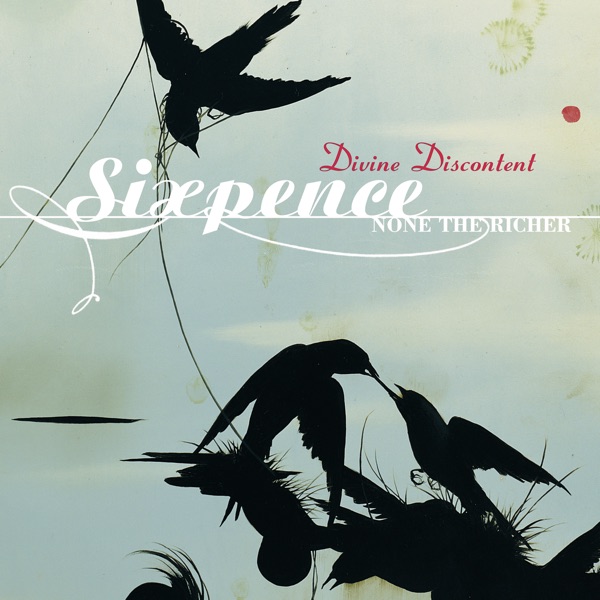
Divine Discontent
2001 · 13 tracks
- 1 Breathe Your Name ↗ 3:57
- 2 Tonight ↗ 3:53
- 3 Down and Out of Time ↗ 3:28
- 4 Don't Dream It's Over ↗ 4:04
- 5 Waiting On the Sun ↗ 2:56
- 6 Still Burning ↗ 4:03
- 7 Melody of You ↗ 4:50
- 8 Paralyzed ↗ 3:55
- 9 I've Been Waiting ↗ 4:19
- 10 Eyes Wide Open ↗ 3:29
- 11 Dizzy ↗ 6:37
- 12 Tension Is a Passing Note ↗ 3:30
- 13 A Million Parachutes ↗ 6:20

The Dawn of Grace
2008 · 10 tracks
- 1 Angels We Have Heard on High (2024 Remaster) ↗ 4:15
- 2 The Last Christmas (2024 Remaster) ↗ 3:12
- 3 O Come, O Come Emmanuel (2024 Remaster) ↗ 3:07
- 4 Silent Night (2024 Remaster) ↗ 4:28
- 5 Ríu Ríu Chíu (2024 Remaster) ↗ 3:08
- 6 Carol of the Bells (2024 Remaster) ↗ 2:25
- 7 Christmas Island (2024 Remaster) ↗ 2:34
- 8 River (2024 Remaster) ↗ 3:58
- 9 Christmas for Two (2024 Remaster) ↗ 3:09
- 10 Some Children See Him (2024 Remaster) ↗ 4:16
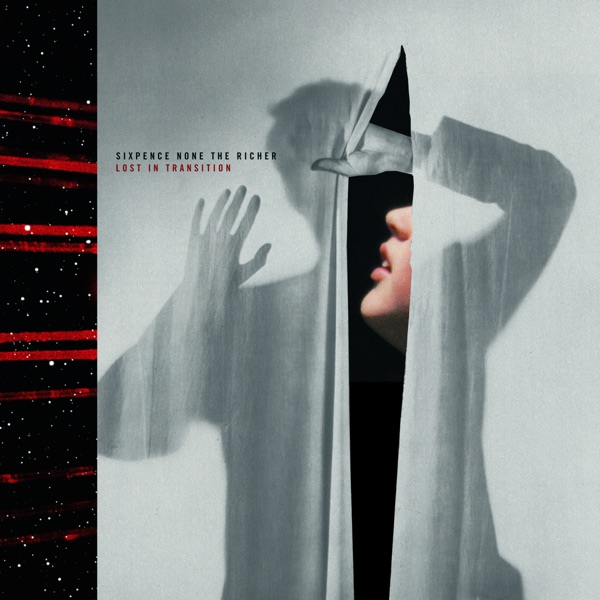
Lost in Transition
2012 · 13 tracks
- 1 My Dear Machine ↗ 2:49
- 2 Radio ↗ 3:33
- 3 Give It Back ↗ 4:47
- 4 Safety Line ↗ 4:37
- 5 When You Call Me ↗ 3:24
- 6 Should Not Be This Hard ↗ 3:15
- 7 Go Your Way ↗ 3:13
- 8 Failure ↗ 3:33
- 9 Don't Blame Yourself ↗ 3:39
- 10 Stand My Ground ↗ 2:39
- 11 Sooner Than Later ↗ 3:35
- 12 Be OK ↗ 2:50
- 13 I Do (Bonus Track) ↗ 3:55
-
 This Beautiful MessSixpence None the Richer199512 tracks
 -
 Sixpence None the RicherSixpence None the Richer199713 tracks
 -
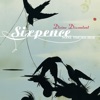 Divine DiscontentSixpence None the Richer200113 tracks
 -
 The Dawn of GraceSixpence None the Richer200810 tracks
 -
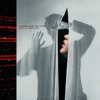 Lost in TransitionSixpence None the Richer201213 tracks
Deep Dive
Overview
Sixpence None the Richer stands as a defining band of 1990s alternative rock, bridging Christian and mainstream pop-rock sensibilities through sophisticated songwriting and lush instrumentation. Formed in New Braunfels, Texas in 1992, the band achieved international recognition through their intricate arrangements and distinctively ethereal vocal delivery, becoming one of the decade’s most successful crossover acts. They are best known for “Kiss Me,” a song that transcended its indie origins to become a cultural touchstone, and for their covers of “Don’t Dream It’s Over” and “There She Goes,” which demonstrated their ability to reinterpret existing material with their own sonic signature.
Formation Story
Sixpence None the Richer emerged from New Braunfels, Texas in 1992, a time when Christian rock was beginning to fracture into diverse subgenres beyond the straightforward evangelical formula. The band’s formation coincided with the broader rise of Christian alternative rock, a movement that sought to reconcile faith-based songwriting with the sonic experimentalism and emotional complexity of contemporary indie and alternative music. The band’s name, derived from a phrase from C.S. Lewis’s The Chronicles of Narnia, reflected their literary and philosophical ambitions from the outset. Despite their Texas origins, Sixpence None the Richer eventually settled in Nashville, Tennessee, positioning themselves within a city historically defined by country music but increasingly home to diverse rock and alternative acts.
Breakthrough Moment
The band’s commercial breakthrough came with their 1997 self-titled album, Sixpence None the Richer, which introduced “Kiss Me” to the world. The song’s cinematic production and romantic sentiment found an audience far beyond Christian radio, eventually becoming ubiquitous on mainstream alternative radio and in film and television placements. “Kiss Me” ascended the charts and became the band’s signature song, embodying the sophisticated pop sensibility that defined their appeal. The success of this album and its lead single propelled Sixpence None the Richer from regional Christian music success to international recognition, establishing them as viable contenders in the broader alternative rock marketplace of the late 1990s.
Peak Era
The years spanning 1997 to 2001 represented Sixpence None the Richer’s period of greatest creative ambition and commercial success. Following the self-titled album, they released Divine Discontent in 2001, which continued to develop the lush, orchestral approach to pop-rock that had become their trademark. During this era, the band’s songs appeared frequently on alternative radio and in television and film soundtracks, cementing their presence in late-1990s and early-2000s popular culture. The band’s ability to craft appealing pop hooks while maintaining sophisticated arrangements and thoughtful lyrics distinguished them from many of their contemporaries, and their integration of Christian themes into universally resonant love songs and emotional narratives allowed them to reach audiences across both Christian and secular markets.
Musical Style
Sixpence None the Richer’s sound is characterized by ornate production, rich instrumentation, and a vocal approach emphasizing clarity and emotional restraint. The band employed strings, horns, and layered harmonies to create arrangements that owed as much to art-pop and chamber pop traditions as to rock or indie music. Their songs typically built around memorable melodies and sophisticated chord progressions, rejecting the distortion-heavy aesthetics that dominated much of 1990s alternative rock in favor of a more baroque or classical sensibility. Lyrically, the band balanced romantic and spiritual themes, often collapsing distinctions between sacred and secular love. This approach allowed them to appeal to listeners seeking substance and musicianship while maintaining radio-friendly hooks and accessibility. The band’s production values and arrangement choices placed them closer to the ornate end of the 1990s alternative spectrum, alongside artists working in art-pop and indie pop rather than grunge or post-grunge rock.
Major Albums
The Fatherless and the Widow (1994)
The band’s debut album established the foundational approach to orchestral pop-rock that would define their subsequent work, introducing listeners to their sophisticated arrangement style and thematic preoccupations.
This Beautiful Mess (1995)
Their second release further developed the chamber pop sound, deepening the band’s exploration of Christian themes within accessible pop frameworks.
Sixpence None the Richer (1997)
The self-titled album became their commercial breakthrough, anchored by “Kiss Me” and demonstrating the band’s ability to craft universally appealing pop songs without sacrificing musical complexity or emotional authenticity.
Divine Discontent (2001)
This album represented the culmination of the band’s peak creative period, maintaining the sophisticated arrangements and melodic sophistication that had defined their most successful era while exploring deeper thematic material.
The Dawn of Grace (2008)
Released after a significant hiatus, this album signaled the band’s return to recording and continued their exploration of faith-based themes within contemporary pop-rock production.
Signature Songs
- “Kiss Me” — The band’s most recognizable song and their biggest commercial success, achieving mainstream radio ubiquity and widespread cultural presence through film and television placements.
- “Breathe Your Name” — A showcase for the band’s ability to balance orchestral arrangements with intimate emotional content.
- “Don’t Dream It’s Over” — Their cover of the Crowded House song demonstrated their capacity to reinterpret existing material while imposing their distinctive sonic identity.
- “There She Goes” — Another notable cover that exemplified the band’s approach to arrangement and reinterpretation.
Influence on Rock
Sixpence None the Richer contributed significantly to the legitimization of Christian alternative rock as a viable commercial and artistic category during the 1990s. Their success demonstrated that faith-based songwriting and overtly Christian thematic content could coexist with mainstream commercial appeal and sophisticated musicianship, influencing subsequent generations of Christian artists to pursue more experimental and artistically ambitious approaches. The band’s integration of baroque and classical instrumental textures into contemporary pop-rock prefigured broader interest in orchestral and chamber pop aesthetics that became increasingly prominent in the 2000s. Their willingness to blur boundaries between sacred and secular markets helped establish a template for Christian artists seeking crossover success without compromising their thematic or spiritual commitments.
Legacy
Sixpence None the Richer’s long-term cultural impact remains most concentrated in their association with “Kiss Me,” a song that has retained currency through streaming platforms, continued film and television licensing, and its status as a late-1990s cultural artifact. The band maintained an active presence with periodic recording projects and performances, including their 2008 album The Dawn of Grace and 2012’s Lost in Transition, demonstrating sustained creative engagement with their artistic vision. Their influence on 1990s and 2000s Christian alternative rock and their broader contributions to the legitimization of orchestral pop remain part of the period’s recorded history. The band’s approach to balancing commercial appeal with artistic substance and faith-based content continues to resonate with audiences discovering their work through streaming services and cultural retrospectives of 1990s alternative rock.
Fun Facts
- The band’s name references the phrase “a treasure of great worth” from C.S. Lewis’s The Chronicles of Narnia, reflecting the band’s literary and philosophical orientation from their formation.
- Despite forming in Texas, Sixpence None the Richer eventually relocated to Nashville, Tennessee, becoming part of the city’s increasingly diverse musical landscape beyond its traditional country music identity.
- The band’s ability to successfully record covers—including “Don’t Dream It’s Over” and “There She Goes”—became a notable aspect of their recorded legacy, earning them recognition as skilled reinterpreters of existing material.