
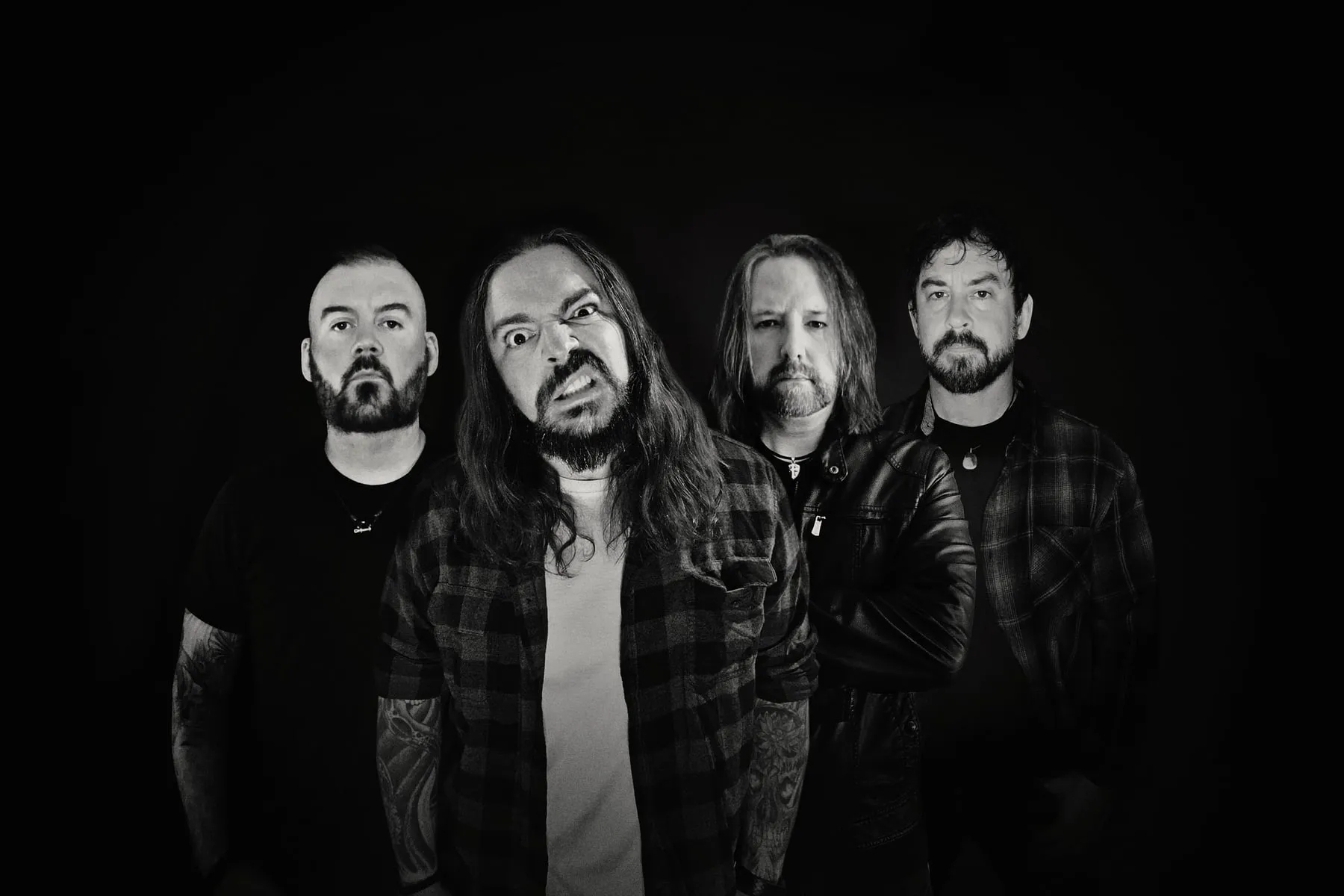
Photo by Fantasy Records , licensed under CC BY-SA 4.0 · Wikimedia Commons
Rank #446
Seether
From Wikipedia
Seether are a South African rock band founded in 1999 in Pretoria, Gauteng. The band originally performed under the name Saron Gas until 2002, when they moved to the United States and changed it to Seether to avoid confusion with the deadly chemical known as sarin gas. Lead vocalist and guitarist Shaun Morgan is the band's only remaining original member. Bassist Dale Stewart joined a year after formation, while drummer John Humphrey joined them for the band's second album. Since 2018, the band has been employing second guitarist Corey Lowery. Several notable guitarists such as Corey's brother Clint and Troy McLawhorn have toured or recorded with the band; however, Morgan has recorded most guitar parts for the band's records.
Members
- Shaun Morgan
Discography & Previews
Browse through and click an album to open and play 30-second previews streamed from Apple Music.
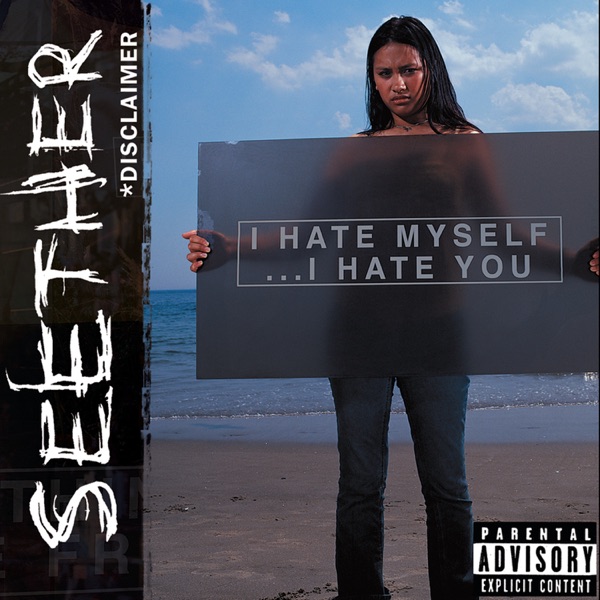

Disclaimer II
2004 · 20 tracks
- 1 Gasoline ↗ 2:49
- 2 69 Tea ↗ 3:32
- 3 Fine Again ↗ 4:05
- 4 Needles ↗ 3:26
- 5 Driven Under ↗ 4:33
- 6 Pride ↗ 4:07
- 7 Sympathetic ↗ 4:11
- 8 Your Bore ↗ 3:58
- 9 Fade Away ↗ 3:53
- 10 Pig ↗ 3:30
- 11 F**k It ↗ 2:57
- 12 Broken ↗ 4:18
- 13 Sold Me ↗ 3:41
- 14 Cigarettes ↗ 3:11
- 15 Love Her ↗ 4:11
- 16 Take Me Away ↗ 3:56
- 17 Got It Made ↗ 5:10
- 18 Out of My Way ↗ 3:52
- 19 Hang On ↗ 3:11
- 20 Broken (feat. Amy Lee) ↗ 4:18

Karma and Effect
2005 · 14 tracks

Finding Beauty in Negative Spaces
2007 · 14 tracks
- 1 Like Suicide ↗ 4:15
- 2 Fake It ↗ 3:14
- 3 Breakdown ↗ 3:29
- 4 FMLYHM ↗ 3:28
- 5 Fallen ↗ 4:18
- 6 Rise Above This ↗ 3:24
- 7 No Jesus Christ ↗ 7:06
- 8 6 Gun Quota ↗ 3:23
- 9 Walk Away from the Sun ↗ 4:14
- 10 Eyes of the Devil ↗ 5:01
- 11 Don't Believe ↗ 4:35
- 12 Waste ↗ 4:22
- 13 Careless Whisper ↗ 4:57
- 14 Careless Whisper (Strings Version) ↗ 4:24

Holding Onto Strings Better Left to Fray
2011 · 12 tracks


Poison the Parish
2017 · 12 tracks

Si Vis Pacem, Para Bellum
2020 · 13 tracks

-
 DisclaimerSeether200212 tracks
 -
 Disclaimer IISeether200420 tracks
 -
 Karma and EffectSeether200514 tracks
 -
 Finding Beauty in Negative SpacesSeether200714 tracks
 -
 Holding Onto Strings Better Left to FraySeether201112 tracks
 -
 Isolate and MedicateSeether201410 tracks
 -
 Poison the ParishSeether201712 tracks
 -
 Si Vis Pacem, Para BellumSeether202013 tracks
 -
 The Surface Seems So FarSeether202411 tracks
Deep Dive
Overview
Seether are a South African hard rock and post-grunge band formed in 1999 in Pretoria, Gauteng. Over more than two decades of continuous activity, they have released ten studio albums and established themselves as one of the few rock acts to achieve sustained international success while remaining rooted in a non-traditional rock music geography. The band’s sound—heavy, riff-driven, and lyrically introspective—draws from post-grunge and alternative metal traditions while maintaining a distinctly contemporary approach to hard rock songwriting.
Formation Story
Seether began in 1999 as Saron Gas, a three-piece outfit centered on lead vocalist and guitarist Shaun Morgan, who remains the only original member of the band. Bassist Dale Stewart joined in 2000, a year after the band’s inception, establishing the core songwriting and recording partnership that would define the early era. The band operated under the name Saron Gas while based in Pretoria, building a local following within South Africa’s rock underground. When the band relocated to the United States in 2002, they made the strategic decision to rename themselves Seether, chiefly to avoid confusion with sarin, the highly toxic nerve agent. The name change coincided with their international expansion and marked the beginning of their career trajectory outside South Africa.
Breakthrough Moment
Seether’s initial breakthrough came with the release of their second album, Disclaimer, in 2002. The record introduced their fully formed hard rock identity and caught the attention of international audiences and label interest. Drummer John Humphrey joined the band for this album, completing the classic lineup that would carry them through their most celebrated period. Disclaimer established the songwriting and sonic foundation—heavy guitars, introspective vocal delivery, and darkly themed lyricism—that would become their trademark. This album and its follow-up, Disclaimer II (2004), built momentum in the hard rock radio and touring circuits, solidifying Seether as a band with staying power beyond their South African origins.
Peak Era
Seether’s peak creative and commercial period ran from the mid-2000s through the early 2010s. Karma and Effect (2005), Finding Beauty in Negative Spaces (2007), and Holding Onto Strings Better Left to Fray (2011) represent the band’s most prolific stretch, each album reinforcing their position as a reliable purveyor of heavy, emotionally charged rock. During these years, Seether built a dedicated fanbase through relentless touring and consistent album releases. The band’s ability to craft album-length statements—rather than chasing individual hit singles—earned them respect within rock communities and a loyal international audience. Their output during this span demonstrated a band in command of its craft, refining their sound without chasing trends.
Musical Style
Seether’s sound is rooted in post-grunge and hard rock but incorporates elements of alternative metal. Shaun Morgan’s vocal approach—often strained, sometimes whispered, frequently shouted—conveys emotional urgency and vulnerability within the context of heavy, distortion-driven arrangements. The band’s instrumentation centers on thick, chunky guitar riffs, prominent bass work, and straightforward but powerful drumming. Lyrically, Morgan writes from introspective and often darker emotional spaces, addressing themes of inner conflict, loss, and resilience. While the band’s guitar-heavy foundation remained consistent throughout their discography, their production and arrangement choices evolved over time; early albums favored rawer, more abrasive sonics, while later releases incorporated greater sonic polish and dynamic range without sacrificing heaviness. Morgan has handled the majority of guitar parts across the band’s records, though session and touring guitarists—including Corey Lowery, who became the band’s official second guitarist in 2018—have expanded the band’s live and recorded palette.
Major Albums
Disclaimer (2002)
The band’s first major statement following their relocation to the United States, Disclaimer introduced their signature post-grunge heaviness and introspective songwriting to an international audience, establishing the sonic template that would define their career.
Karma and Effect (2005)
This album solidified Seether’s commercial foothold and showcased a maturation in songwriting and production, balancing accessibility with the band’s commitment to heavy instrumentation and emotional depth.
Finding Beauty in Negative Spaces (2007)
A critically significant release that demonstrated the band’s ability to craft album-length narratives without sacrificing individual song strength, Finding Beauty in Negative Spaces remains a high-water mark for their creative ambition.
Holding Onto Strings Better Left to Fray (2011)
This album capped the band’s most consistent creative period, combining the heaviness of their early work with the production sophistication they had developed over a decade of recording and touring.
Poison the Parish (2017)
A return to heavier, grittier textures following a period of experimentation, Poison the Parish reaffirmed the band’s commitment to the hard rock sound that defined their earliest successes.
Signature Songs
- “Broken” — A standout from their early catalog, exemplifying Morgan’s ability to convey emotional vulnerability over crushing guitar riffs.
- “Remedy” — Showcases the band’s gift for crafting hooks within a heavy rock framework, balancing accessibility with musical weight.
- “Fake It” — A dark, introspective track demonstrating the band’s lyrical depth and dynamic range within the hard rock idiom.
- “Gasoline” — Displays the band’s knack for building tension through minimalist arrangement before unleashing maximum heaviness.
Influence on Rock
Seether’s significance within contemporary hard rock lies in their longevity and consistency within a genre often prone to trend-chasing. By maintaining their post-grunge and hard rock identity while other acts pivoted toward lighter alternative rock or other styles, they preserved a direct lineage to the 1990s rock underground while addressing contemporary audiences. Their success as a South African band operating at an international level also challenged the geographic insularity of rock music; they demonstrated that hard rock musicianship and songwriting could emerge from outside the traditional Anglo-American centers of rock music production. While not originating a new subgenre or sound, Seether’s body of work contributed to the persistence and evolution of post-grunge and hard rock through the 2000s and 2010s.
Legacy
Seether have maintained continuous activity and relevance for over twenty years, an achievement that speaks to both their fanbase loyalty and their own sustained commitment to recording and touring. Their discography spans a full quarter-century, from Fragile (2000) through The Surface Seems So Far (2024), tracking the evolution of hard rock and post-grunge across multiple decades. The band’s consistent output on Wind-up Records and their active touring schedule have kept them a fixture in the hard rock touring circuit long after many of their contemporaries disbanded or faded from prominence. Seether’s legacy is that of a band that outlasted trends, maintained artistic integrity within a commercial context, and proved that serious hard rock music could sustain a career across generations of listeners without compromise.
Fun Facts
- The band’s original name, Saron Gas, was chosen before they were fully aware of the lethal nature of sarin nerve agent; the name change to Seether in 2002 was motivated purely by avoiding association with the chemical.
- Shaun Morgan has been the sole constant member of Seether across all ten studio albums, making him the creative anchor of the band’s entire catalog.
- Since 2018, the band has featured Corey Lowery as their official second guitarist, expanding the live and recorded sonic palette beyond Morgan’s solo guitar work on most studio records.
- Seether’s album output has remained remarkably consistent, with studio albums released roughly every 2–3 years for over two decades.