
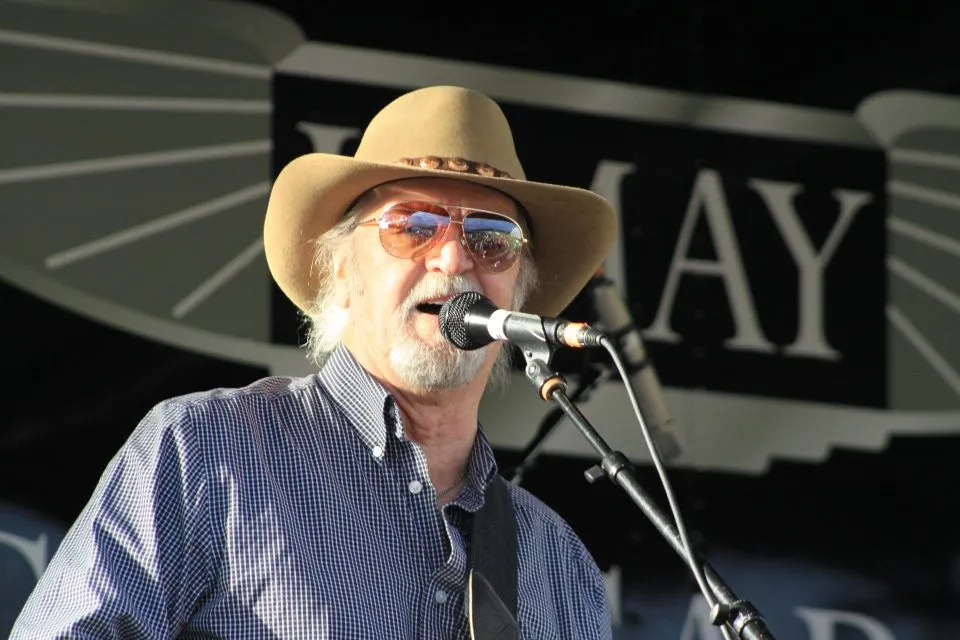
Photo by Eyecandymusic , licensed under CC BY-SA 3.0 · Wikimedia Commons
Rank #242
Moby Grape
From Wikipedia
Moby Grape is an American rock band founded in 1966. Part of San Francisco's psychedelic music scene, the band merged elements of rock and roll, folk music, pop, blues, and country. They were one of the few groups of which all members were lead vocalists and songwriters. The group's first incarnation ended in 1969, in part due to members Bob Mosley and Skip Spence suffering from mental illness. The group has reformed many times afterwards and continues to perform occasionally.
Members
- Bob Mosley
- Don Stevenson
- Jerry Miller
- Peter Lewis
- Skip Spence
Discography & Previews
Browse through and click an album to open and play 30-second previews streamed from Apple Music.
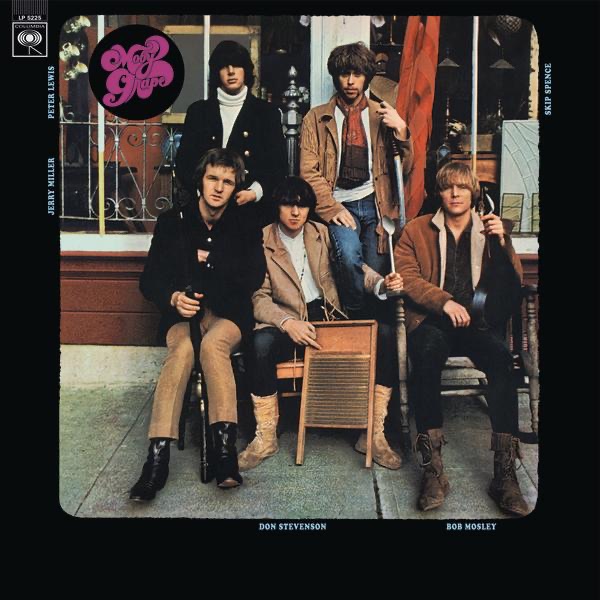

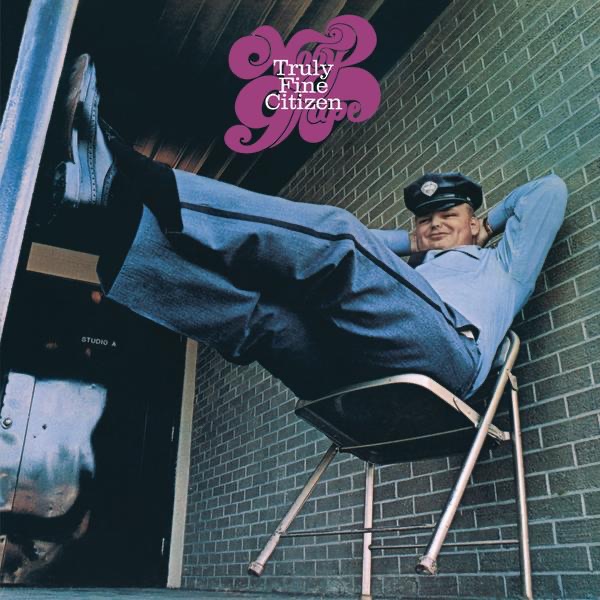
Truly Fine Citizen
1969 · 18 tracks
- 1 Changes, Circles Spinning ↗ 2:27
- 2 Looper ↗ 3:03
- 3 Truly Fine Citizen ↗ 1:48
- 4 Beautiful Is Beautiful ↗ 2:30
- 5 Love Song ↗ 2:22
- 6 Right Before My Eyes ↗ 2:03
- 7 Open Up Your Heart ↗ 2:36
- 8 Now I Know High ↗ 6:11
- 9 Treat Me Bad ↗ 2:17
- 10 Tongue-Tied ↗ 2:01
- 11 Love Song, Part Two ↗ 2:41
- 12 Rounder (Live) [Bonus Track] ↗ 2:03
- 13 Miller's Blues (Live) [Bonus Track] ↗ 6:07
- 14 Changes (Live) [Bonus Track] ↗ 4:17
- 15 Skip's Song (Demo) [Bonus Track] ↗ 3:27
- 16 Looper (Demo) [Bonus Track] ↗ 2:07
- 17 Soul Stew (Demo) [Bonus Track] ↗ 2:19
- 18 Cockatoo Blues (Demo) [Bonus Track] ↗ 3:42
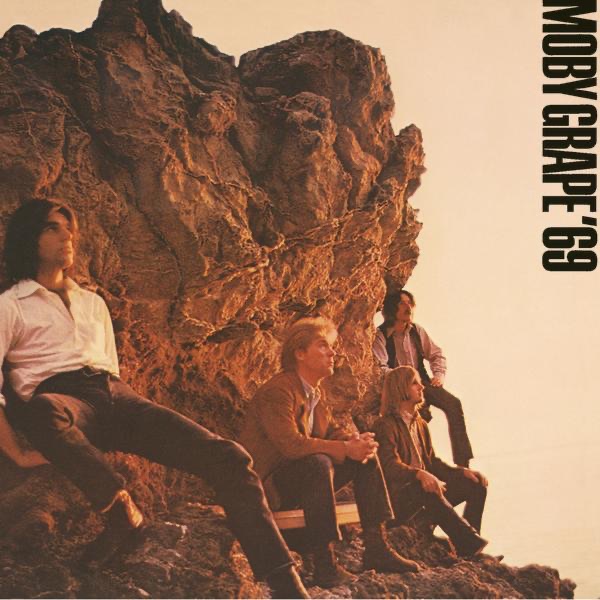
Moby Grape '69
1969 · 18 tracks
- 1 Ooh Mama Ooh ↗ 2:26
- 2 Ain't That a Shame ↗ 2:29
- 3 I Am Not Willing ↗ 2:59
- 4 It's a Beautiful Day Today ↗ 3:06
- 5 Hoochie ↗ 4:21
- 6 Trucking Man ↗ 2:00
- 7 If You Can't Learn from My Mistakes ↗ 2:33
- 8 Captain Nemo ↗ 1:44
- 9 What's to Choose ↗ 1:57
- 10 Going Nowhere ↗ 2:02
- 11 Seeing ↗ 3:44
- 12 Soul Stew ↗ 2:17
- 13 If You Can't Learn from My Mistakes (Demo) [Bonus Track] ↗ 1:24
- 14 You Can Do Anything (Demo) [Bonus Track] ↗ 3:36
- 15 It's a Beautiful Day Today (Demo) [Bonus Track] ↗ 4:13
- 16 What's to Choose (Demo) [Bonus Track] ↗ 3:20
- 17 Big (Demo) [Bonus Track] ↗ 2:20
- 18 Hoochie (Demo) [Bonus Track] ↗ 3:19

20 Granite Creek
1971 · 11 tracks
- 1 Gypsy Wedding ↗ 2:23
- 2 I’m the Kind of Man, That Baby You Can Trust ↗ 3:33
- 3 About Time ↗ 2:51
- 4 Goin’ Down to Texas ↗ 1:56
- 5 Road to the Sun ↗ 2:40
- 6 Apocalypse ↗ 2:08
- 7 Chinese Song ↗ 5:44
- 8 Roundhouse Blues ↗ 2:43
- 9 Ode to the Man at the End of the Bar ↗ 3:40
- 10 Wild Oats Moan ↗ 3:03
- 11 Horse out in the Rain ↗ 2:16
-
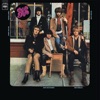 Moby GrapeMoby Grape19676 tracks
 -
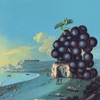 WowMoby Grape19685 tracks
 -
 Truly Fine CitizenMoby Grape196918 tracks
 -
 Moby Grape '69Moby Grape196918 tracks
 -
 20 Granite CreekMoby Grape197111 tracks
Deep Dive
Overview
Moby Grape stands as one of San Francisco’s most distinctive psychedelic ensembles, a band that emerged from the city’s fertile rock scene in 1966 with an unusually democratic creative structure. The group distinguished itself by featuring five lead vocalists and songwriters, a rarity in rock music that enabled a fluid, multi-perspectived approach to songwriting and arrangement. Rather than adhering to a single psychedelic formula, Moby Grape synthesized rock and roll, folk, pop, blues, and country into a restless, genre-defying sound that captured the experimental spirit of mid-to-late 1960s California rock.
Formation Story
Moby Grape coalesced in San Francisco in 1966, drawing together five musicians with distinct musical backgrounds and voices: Jerry Miller, Peter Lewis, Skip Spence, Bob Mosley, and Don Stevenson. The band emerged directly from the city’s booming psychedelic music scene, which by 1966 had already produced the Grateful Dead, Jefferson Airplane, and Big Brother and the Holding Company. What set Moby Grape apart from the start was their structural approach—rather than centralizing songwriting and vocals around one or two figures, the band operated as an egalitarian collective in which each member could contribute songs and take lead vocal duties. This democratic framework became both their defining strength and, eventually, a source of internal tension.
Breakthrough Moment
Moby Grape’s self-titled debut album, released in 1967, introduced the band to a national audience and announced the group as a major presence in the San Francisco scene. The album showcased their range: folk-inflected numbers sat alongside harder rock tracks, blues influences blended with pop sensibilities, and the five distinct voices created a natural harmonic complexity. The record’s success opened doors for touring and radio play, establishing Moby Grape as more than a local phenomenon. However, the band’s initial momentum would prove difficult to sustain, as internal pressures and the challenges of managing five equally ambitious songwriters began to mount in the years that followed.
Peak Era
The period from 1967 to 1969 represented Moby Grape’s most prolific and creatively restless phase. Following their debut, the band released Wow in 1968, a double album that amplified their experimental tendencies and willingness to stretch across multiple genres and moods. That same year saw the release of Grape Jam, further demonstrating the band’s output during an intensely productive window. In 1969, they issued Truly Fine Citizen and Moby Grape ‘69, maintaining a relentless recording schedule. Yet the very factors that generated artistic ambition—five strong-willed songwriters, internal creative friction, and the volatile San Francisco scene itself—began to fracture the group’s cohesion. Personal struggles, including mental health challenges affecting members Bob Mosley and Skip Spence, contributed to the dissolution of the first incarnation of Moby Grape by 1969.
Musical Style
Moby Grape’s sound resisted easy categorization, which was both their appeal and their commercial challenge. At the core lay psychedelic rock, the dominant San Francisco template of the era, but the band pushed well beyond its typical sonic boundaries. Their recordings incorporated acoustic guitars, horns, string arrangements, and vocal harmonies derived from folk and pop traditions, layered over blues-based grooves and rock instrumentation. The presence of five lead singers meant that vocal texture shifted dramatically from song to song—a track might begin with Spence’s raw delivery, modulate into Miller’s grittier edge, and resolve into Lewis’s more melodic phrasing. This tonal instability was intentional, giving the band a restless, exploratory character that set them apart from groups with more uniform vocal personalities. The band’s arrangements grew increasingly adventurous across their first four albums, incorporating country and blues elements that reflected their individual members’ diverse influences.
Major Albums
Moby Grape (1967)
The debut introduced the band’s five-way songwriting democracy and their eclectic genre-blending approach, establishing them as a major force in the San Francisco psychedelic scene.
Wow (1968)
A double album that deepened the band’s experimental reach, showcasing extended arrangements and the full range of their compositional voices across an ambitious tracklist.
Grape Jam (1968)
Released the same year as Wow, this album further documented the band’s prolific output and continued exploration of psychedelic and genre-crossing textures.
Moby Grape ‘69 (1969)
The final album of the original era, capturing the band at a moment of internal strain while maintaining their signature blend of rock, folk, and blues influences.
Signature Songs
- “Omaha” — A driving, psychedelic-rock anthem that became one of the band’s most recognizable tracks from the debut album.
- “Indifference” — Showcased the band’s ability to blend folk sensibility with psychedelic production and multi-tracked vocals.
- “Changes” — Demonstrated the group’s softer, more introspective side while maintaining their harmonic sophistication.
- “Murder in My Heart for You” — A blues-influenced number that highlighted the darker emotional territories Moby Grape explored.
Influence on Rock
Moby Grape’s most lasting contribution was their demonstration that psychedelic rock could be internally diverse, accommodating multiple songwriting voices and genre influences without sacrificing coherence. While they never achieved the commercial dominance or cultural penetration of contemporaries like Jefferson Airplane or the Grateful Dead, their records influenced musicians interested in genre-crossing and collective songwriting arrangements. The band’s willingness to incorporate country, blues, and folk elements into a psychedelic framework anticipated the more eclectic approach that rock music would adopt as the 1960s progressed. Their model of the band as a multi-vocal collective also inspired subsequent groups exploring less hierarchical creative structures.
Legacy
After the dissolution of the original lineup in 1969, Moby Grape reformed multiple times, demonstrating the enduring appeal of their music to both former members and audiences. A reunion album, Moby Grape “1984 Reunion”, appeared in 1984, bringing the band back into recording almost fifteen years after the original group’s collapse. The fact that the band has continued to perform occasionally into the present day underscores the resilience of their concept and the affection in which they are held by devoted listeners. Their early records have been reissued and reassessed in subsequent decades, with critics recognizing them as important artifacts of San Francisco’s psychedelic golden age. Moby Grape remains a touchstone for understanding how psychedelic rock could accommodate multiple voices and resist singular aesthetic definitions.
Fun Facts
- The band’s name derived from a combination of member Peter Lewis’s middle name (Moby) and the fruit, creating a deliberately absurdist title in keeping with 1960s psychedelic humor.
- All five original members could and did serve as lead vocalists and songwriters, making Moby Grape structurally unique among major rock bands of their era.
- The band released five albums in three years (1967–1969), a remarkably prolific output that reflected both their creative ambition and the rapid album-release cycles of the psychedelic era.