
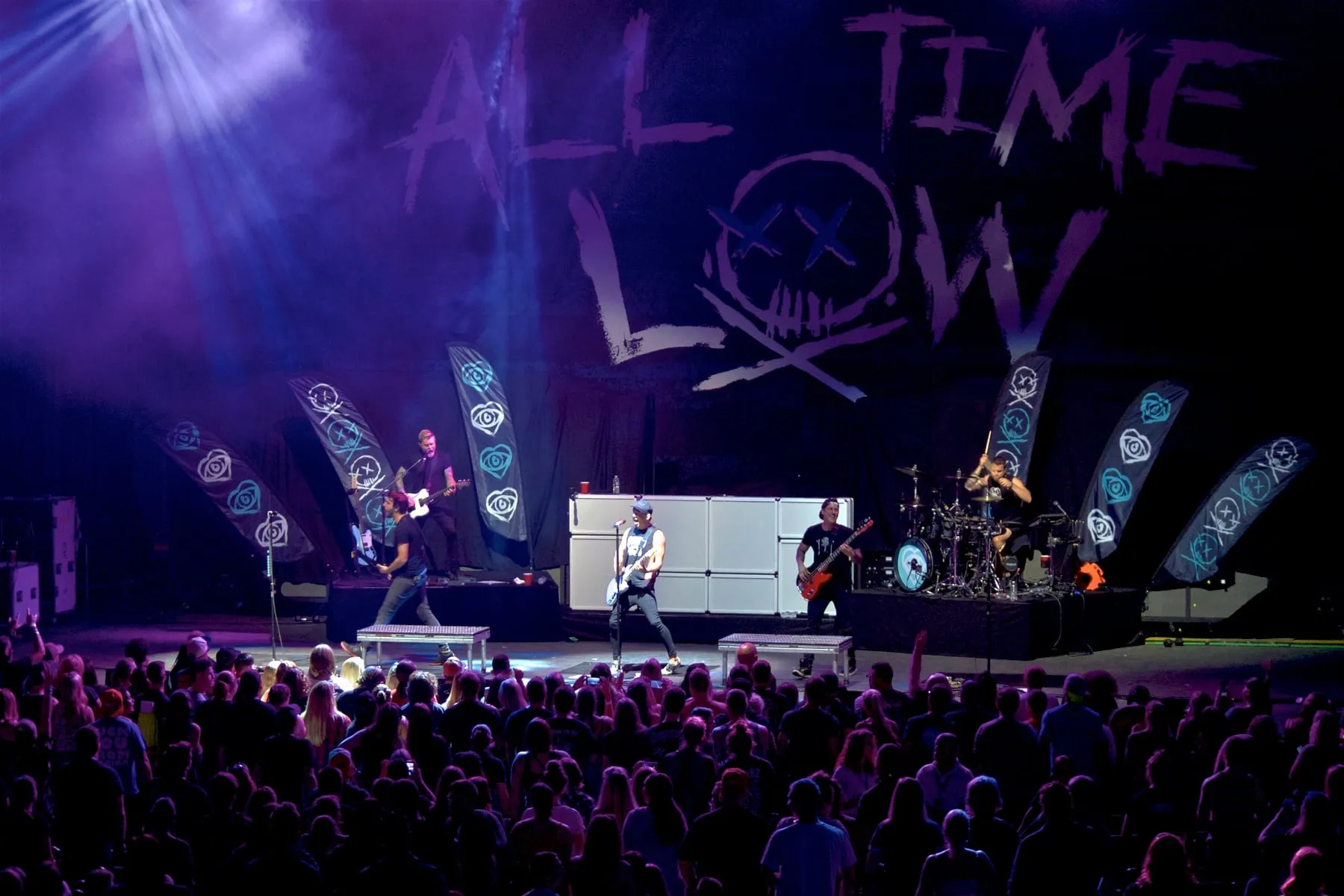
Photo by Danazar , licensed under CC BY-SA 3.0 · Wikimedia Commons
Rank #376
All Time Low
From Wikipedia
All Time Low is an American rock band formed in Towson, Maryland, in 2003. Consisting of lead vocalist and rhythm guitarist Alex Gaskarth, lead guitarist Jack Barakat, bassist/backing vocalist Zack Merrick, and drummer Rian Dawson, the band took its name from lyrics in the song "Head on Collision" by New Found Glory. The band has consistently done year-long tours, headlined numerous tours, and has appeared at music festivals including Warped Tour, Reading and Leeds, and Soundwave.
Members
- Dean Winchester
Discography & Previews
Browse through and click an album to open and play 30-second previews streamed from Apple Music.
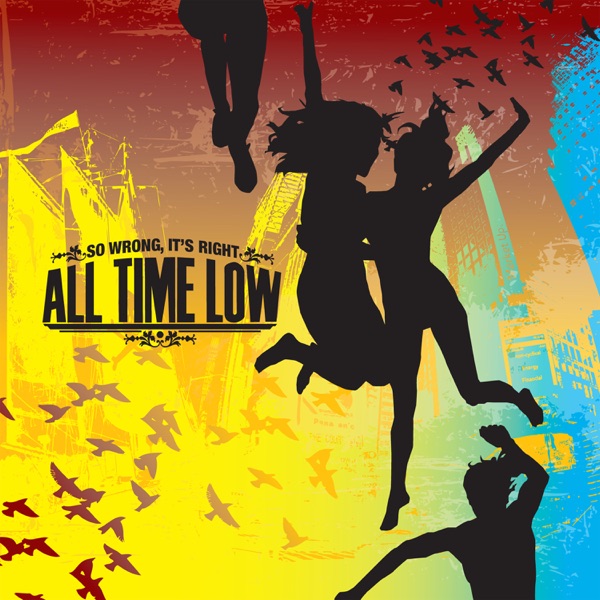
So Wrong, It’s Right
2007 · 12 tracks
- 1 This Is How We Do ↗ 2:30
- 2 Let It Roll ↗ 3:00
- 3 Six Feet Under the Stars ↗ 3:37
- 4 Holly (Would You Turn Me On?) ↗ 3:52
- 5 The Beach ↗ 3:02
- 6 Dear Maria, Count Me In ↗ 3:03
- 7 Shameless ↗ 3:42
- 8 Remembering Sunday (feat. Juliet Simms) ↗ 4:17
- 9 Vegas ↗ 2:50
- 10 Stay Awake (Dreams Only Last For a Night) ↗ 3:34
- 11 Come One, Come All ↗ 3:33
- 12 Poppin' Champagne ↗ 3:20
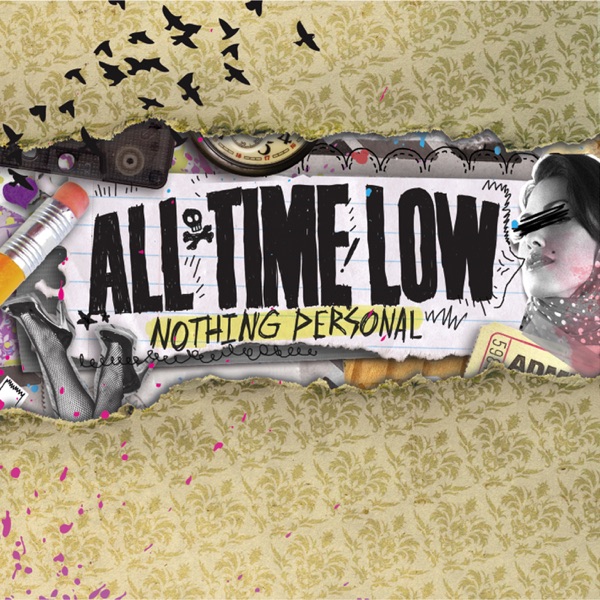
Nothing Personal
2009 · 14 tracks
- 1 Weightless ↗ 3:18
- 2 Break Your Little Heart ↗ 2:52
- 3 Damned If I Do Ya (Damned If I Don't) ↗ 3:07
- 4 Lost in Stereo ↗ 3:47
- 5 Stella ↗ 3:24
- 6 Sick Little Games ↗ 3:36
- 7 Hello, Brooklyn ↗ 3:30
- 8 Walls ↗ 3:11
- 9 Too Much ↗ 4:15
- 10 Keep the Change, You Filthy Animal ↗ 3:20
- 11 A Party Song (The Walk of Shame) ↗ 2:59
- 12 Therapy ↗ 3:44
- 13 Poison (Bonus Track) ↗ 3:20
- 14 Lost in Stereo (Cobra Starship Suave Suarez Remix) [Bonus Track] ↗ 3:55
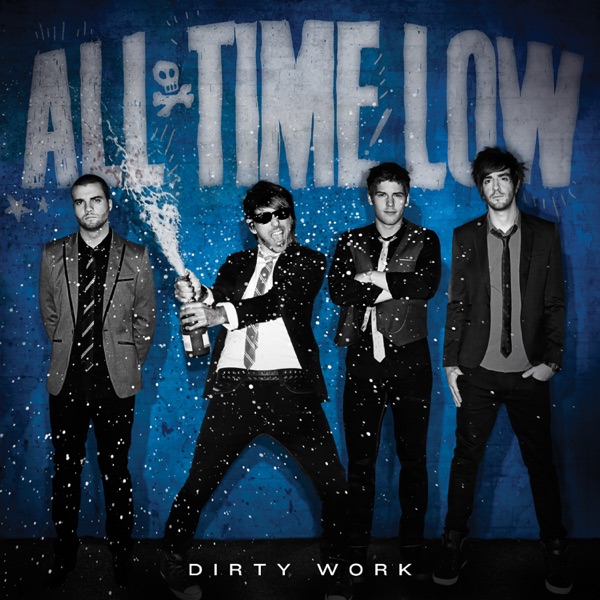
Dirty Work
2011 · 16 tracks
- 1 Do You Want Me (Dead?) ↗ 2:45
- 2 I Feel Like Dancin' ↗ 3:01
- 3 Forget About It ↗ 2:49
- 4 Guts ↗ 3:17
- 5 Time-Bomb ↗ 3:30
- 6 Just the Way I'm Not ↗ 3:17
- 7 Under a Paper Moon ↗ 3:01
- 8 Return the Favor ↗ 3:40
- 9 No Idea ↗ 4:23
- 10 A Daydream Away ↗ 4:12
- 11 That Girl ↗ 3:12
- 12 Heroes ↗ 3:25
- 13 Get Down On Your Knees and Tell Me You Love Me ↗ 3:00
- 14 My Only One ↗ 4:22
- 15 Merry Christmas, Kiss My Ass ↗ 3:19
- 16 Bad Enough For You ↗ 3:14
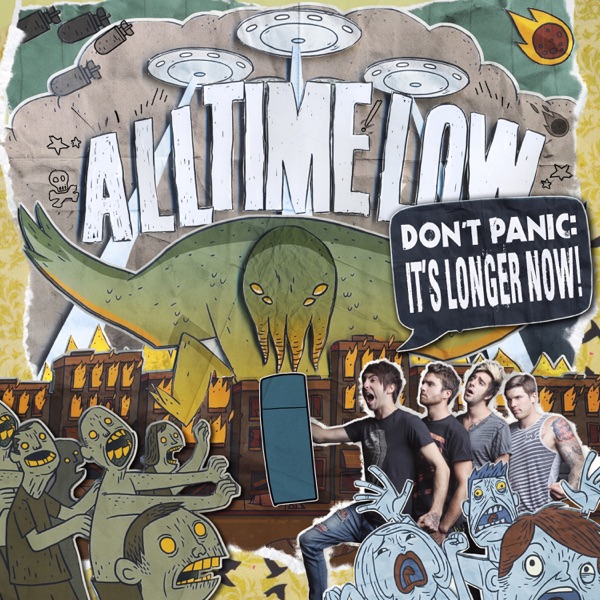
Don’t Panic
2012 · 20 tracks
- 1 The Reckless and the Brave ↗ 3:19
- 2 A Love Like War (feat. Vic Fuentes) ↗ 3:34
- 3 Backseat Serenade ↗ 3:21
- 4 Me Without You (All I Ever Wanted) ↗ 3:33
- 5 If These Sheets Were States ↗ 3:19
- 6 Somewhere in Neverland ↗ 3:45
- 7 So Long Soldier ↗ 2:49
- 8 Canals ↗ 3:22
- 9 The Irony of Choking on a Lifesaver ↗ 3:37
- 10 To Live and Let Go ↗ 3:43
- 11 Outlines ↗ 3:35
- 12 Thanks to You ↗ 3:35
- 13 For Baltimore ↗ 3:11
- 14 Paint You Wings ↗ 3:40
- 15 So Long, and Thanks for All the Booze ↗ 3:10
- 16 Oh, Calamity! ↗ 3:46
- 17 For Baltimore (Acoustic) ↗ 3:29
- 18 Somewhere In Neverland (Acoustic) ↗ 3:41
- 19 The Reckless and the Brave (Acoustic) ↗ 3:38
- 20 Backseat Serenade (Acoustic) ↗ 3:15
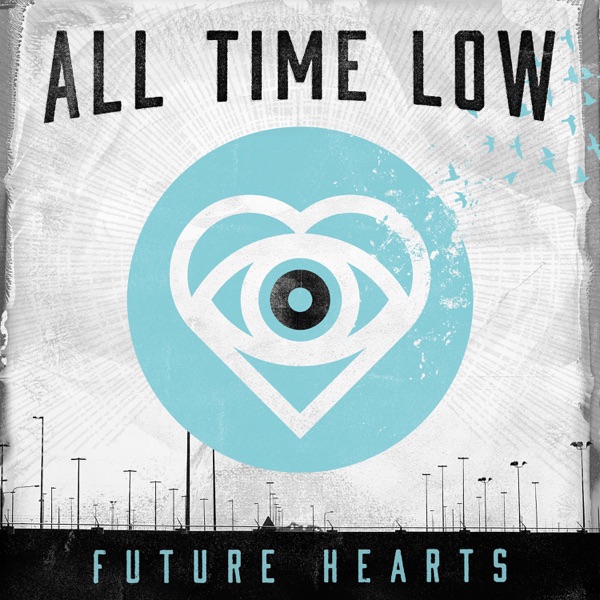
Future Hearts
2015 · 13 tracks
- 1 Satellite ↗ 2:25
- 2 Kicking & Screaming ↗ 3:26
- 3 Something's Gotta Give ↗ 3:09
- 4 Kids In the Dark ↗ 3:37
- 5 Runaways ↗ 3:35
- 6 Missing You ↗ 4:05
- 7 Cinderblock Garden ↗ 3:36
- 8 Tidal Waves (feat. Mark Hoppus) ↗ 4:10
- 9 Don't You Go ↗ 3:06
- 10 Bail Me Out (feat. Joel Madden) ↗ 3:33
- 11 Dancing With a Wolf ↗ 3:40
- 12 The Edge of Tonight ↗ 3:51
- 13 Old Scars / Future Hearts ↗ 3:27


It’s Still Nothing Personal: A Ten Year Tribute
2019 · 12 tracks
- 1 Weightless (Live In The Studio) ↗ 3:29
- 2 Break Your Little Heart (Live In The Studio) ↗ 2:58
- 3 Damned If I Do Ya (Damned If I Don't) [Live In The Studio] ↗ 2:59
- 4 Lost In Stereo (Live In The Studio) ↗ 3:41
- 5 Stella (Live In The Studio) ↗ 3:19
- 6 Sick Little Games (Live In The Studio) ↗ 3:27
- 7 Hello, Brooklyn (Live In The Studio) ↗ 3:22
- 8 Walls (Live In The Studio) ↗ 3:09
- 9 Too Much (Live In The Studio) ↗ 4:27
- 10 Keep the Change, You Filthy Animal (Live In The Studio) ↗ 3:25
- 11 A Party Song (The Walk of Shame) [Live In The Studio] ↗ 2:55
- 12 Therapy (Live In The Studio) ↗ 3:46
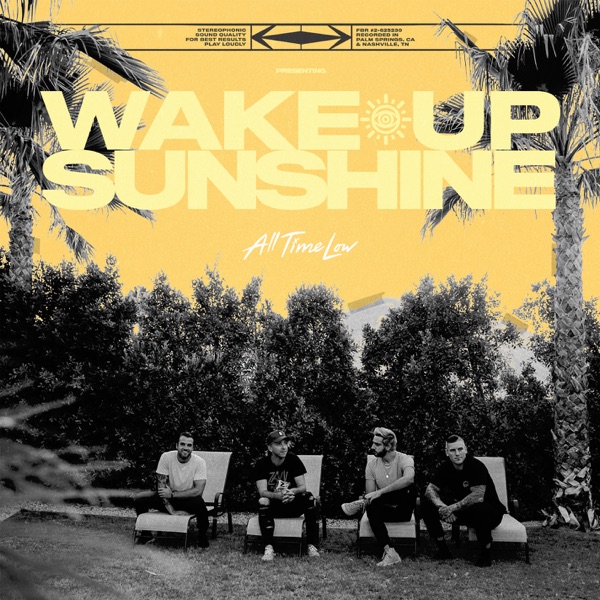
Wake Up, Sunshine
2020 · 15 tracks
- 1 Some Kind of Disaster ↗ 3:44
- 2 Sleeping In ↗ 3:01
- 3 Getaway Green ↗ 2:47
- 4 Melancholy Kaleidoscope ↗ 2:55
- 5 Trouble Is ↗ 2:27
- 6 Wake Up, Sunshine ↗ 3:16
- 7 Monsters (feat. blackbear) ↗ 2:54
- 8 Pretty Venom (Interlude) ↗ 3:02
- 9 Favorite Place (feat. The Band CAMINO) ↗ 3:14
- 10 Safe ↗ 3:40
- 11 January Gloom (Seasons, Pt. 1) ↗ 2:46
- 12 Clumsy ↗ 3:02
- 13 Glitter & Crimson ↗ 3:03
- 14 Summer Daze (Seasons, Pt. 2) ↗ 3:15
- 15 Basement Noise ↗ 3:06
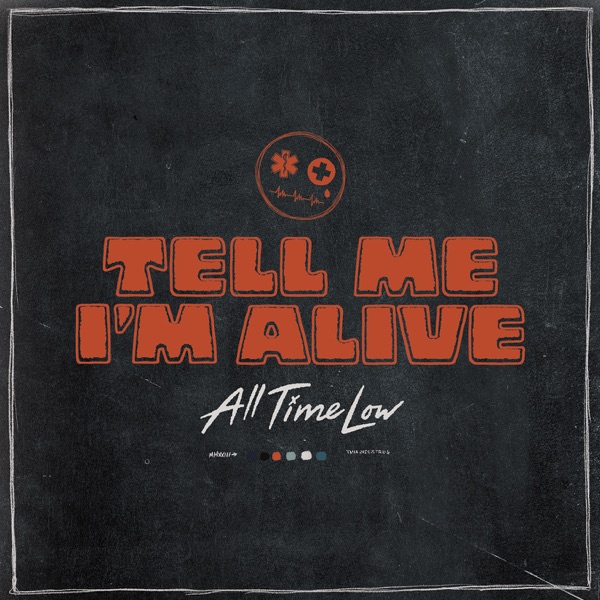
Tell Me I’m Alive
2023 · 13 tracks
- 1 Tell Me I’m Alive ↗ 2:36
- 2 Modern Love ↗ 3:15
- 3 Are You There? ↗ 3:13
- 4 Sleepwalking ↗ 3:07
- 5 Calm Down ↗ 3:14
- 6 English Blood // American Heartache ↗ 3:16
- 7 The Sound of Letting Go ↗ 2:39
- 8 New Religion (feat. Teddy Swims) ↗ 3:04
- 9 The Way You Miss Me ↗ 3:40
- 10 I'd Be Fine (If I Never Saw You Again) ↗ 2:59
- 11 Kill Ur Vibe ↗ 3:30
- 12 The Other Side ↗ 2:48
- 13 Lost Along The Way ↗ 3:41

The Forever Sessions (Vol. 1)
2024 · 9 tracks
- 1 Dear Maria, Count Me In (Rerecorded) ↗ 3:07
- 2 Coffee Shop Soundtrack (Rerecorded) ↗ 2:56
- 3 Damned If I Do Ya, Damned If I Don't (Rerecorded) ↗ 3:05
- 4 Six Feet Under The Stars (Rerecorded) ↗ 3:35
- 5 Weightless (Rerecorded) ↗ 3:23
- 6 Poppin' Champagne (Rerecorded) ↗ 3:16
- 7 Jasey Rae (Rerecorded) ↗ 3:42
- 8 Lost In Stereo (Rerecorded) ↗ 3:33
- 9 Remembering Sunday (feat. Lindsey Stirling & Lisa Gaskarth) [Rerecorded] ↗ 4:17

Everyone’s Talking!
2025 · 15 tracks
- 1 [cold open] ↗ 1:01
- 2 Everyone's Talking ↗ 2:39
- 3 SUCKERPUNCH ↗ 2:53
- 4 Oh No! ↗ 3:13
- 5 The Weather ↗ 2:52
- 6 Falling For Strangers ↗ 3:02
- 7 Viva Las Vagus Nerve ↗ 2:57
- 8 Sugar ↗ 3:00
- 9 Goodnight, C'est La Vie ↗ 1:04
- 10 Bubblegum ↗ 2:53
- 11 Little Bit ↗ 2:31
- 12 Cigarettes & Sabotage ↗ 2:53
- 13 Tread Water ↗ 3:36
- 14 Different Languages ↗ 3:42
- 15 Butterflies ↗ 3:09
-
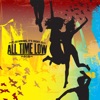 So Wrong, It’s RightAll Time Low200712 tracks
 -
 Nothing PersonalAll Time Low200914 tracks
 -
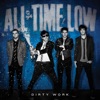 Dirty WorkAll Time Low201116 tracks
 -
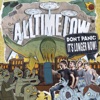 Don’t PanicAll Time Low201220 tracks
 -
 Future HeartsAll Time Low201513 tracks
 -
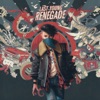 Last Young RenegadeAll Time Low201710 tracks
 -
 It’s Still Nothing Personal: A Ten Year TributeAll Time Low201912 tracks
 -
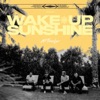 Wake Up, SunshineAll Time Low202015 tracks
 -
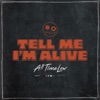 Tell Me I’m AliveAll Time Low202313 tracks
 -
 The Forever Sessions (Vol. 1)All Time Low20249 tracks
 -
 Everyone’s Talking!All Time Low202515 tracks
Deep Dive
Overview
All Time Low is an American rock band formed in Towson, Maryland, in 2003. Operating across two decades, the group has built a sustained career in pop-rock and pop-punk, marked by prolific studio output, relentless touring, and a presence across major festival circuits. The band’s longevity and consistent release schedule—particularly following a major label partnership—position them as reliable fixtures in the contemporary rock landscape rather than flash phenomena.
Formation Story
All Time Low coalesced in Towson, Maryland, in 2003 around lead vocalist and rhythm guitarist Alex Gaskarth, lead guitarist Jack Barakat, bassist and backing vocalist Zack Merrick, and drummer Rian Dawson. The name derives from a lyric in “Head on Collision,” a song by New Found Glory, the Baltimore-area pop-punk band that helped define the regional scene from which All Time Low emerged. The band’s formation occurred at a moment when pop-punk had fractured into regional offshoots and when the glossy, radio-friendly variant of the genre was beginning to dominate MTV and commercial rock radio.
Breakthrough Moment
All Time Low’s initial recording, The Party Scene, released in 2005, introduced their brand of hook-driven, lyrically playful pop-rock. The album established the group’s working relationship with independent labels and their foundational sound. However, momentum accelerated with So Wrong, It’s Right in 2007, which broadened their audience and led to expanded touring opportunities. The band’s consistent presence at major rock festivals—Warped Tour, Reading and Leeds, and Soundwave—throughout this period built their fanbase beyond their Maryland base and established touring as a cornerstone of their career model.
Peak Era
The band’s most commercially and creatively vibrant stretch occurred between 2009 and 2015. Nothing Personal (2009) and Dirty Work (2011) solidified their position within the pop-rock mainstream, while Don’t Panic (2012) and Future Hearts (2015) demonstrated sustained commercial viability. This era coincided with their partnership with Fueled by Ramen, a label with deep roots in alternative and rock communities, which provided both distribution reach and creative credibility. The period saw All Time Low evolve beyond their pop-punk origins toward a more layered, production-conscious pop-rock approach while retaining their melodic sensibilities.
Musical Style
All Time Low’s sound is anchored in pop-rock with pop-punk lineage, defined by bright guitar lines, propulsive rhythms, and Gaskarth’s conversational vocal delivery. The band’s songwriting emphasizes immediate hooks and lyrical wit rather than depth, a sensibility inherited from New Found Glory and other Baltimore-area pop-punk acts. Production across their albums has trended toward glossier, more synthesizer-informed arrangements, moving away from the raw, guitar-heavy aesthetic of their earliest work toward a contemporary pop-rock palette. The band’s instrumental approach remains straightforward—guitar, bass, drums, and layered vocals—but studio recordings increasingly employed layered production and programmed elements typical of 2010s rock production.
Major Albums
The Party Scene (2005)
All Time Low’s debut established their pop-rock foundation and demonstrated their early grasp of infectious melodies and accessible songwriting within the post-emo, pop-punk cultural moment.
So Wrong, It’s Right (2007)
This album expanded their reach beyond their immediate regional scene and marked their transition toward broader alternative-rock recognition, setting the template for subsequent touring and festival appearances.
Nothing Personal (2009)
A significant statement of growth, Nothing Personal showcased the band’s ability to scale their songwriting and production without sacrificing their essential melodic identity, attracting mainstream rock attention.
Future Hearts (2015)
Released during their Fueled by Ramen era, Future Hearts represented a creative peak, merging their pop-sensibility with sophisticated production and displaying their adaptability to contemporary rock radio conventions.
Wake Up, Sunshine (2020)
Reflecting a decade-plus of experience, this album demonstrated the band’s continued relevance and willingness to engage with contemporary pop-rock production trends while maintaining their core identity.
Tell Me I’m Alive (2023)
Their most recent studio offering showed sustained creative ambition and commercial viability, confirming All Time Low as a continuing concern rather than a nostalgia act.
Signature Songs
- “Dear Maria, Count Me In” — A standout track exemplifying the band’s gift for irresistible pop-rock hooks and their ability to craft radio-friendly yet spirited rock.
- “Weightless” — Demonstrates their command of production dynamics and their talent for transforming everyday observations into sing-along moments.
- “Somewhere in Neverland” — A deeper cut that reveals the band’s capacity for emotional resonance beneath their typically playful surface.
- “Lost in Stereo” — An early track that encapsulates their pop-punk origins and hook-forward approach.
Influence on Rock
All Time Low’s sustained presence across two decades has kept pop-rock and pop-punk traditions visible in mainstream rock discourse at a moment when those genres faced cultural dismissal. The band’s touring ethic and festival visibility helped sustain rock as a live experience for younger audiences during an era increasingly dominated by hip-hop and electronic music. While not pioneers or structural innovators, their consistency has made them reference points for younger pop-rock bands navigating commercial viability without abandoning rock instrumentation. Their evolution from guitar-centric pop-punk toward production-heavy pop-rock also modeled one pathway for rock bands adapting to 2010s production aesthetics.
Legacy
All Time Low’s career reflects the altered economics and cultural position of rock music in the 21st century: a band capable of sustained output and touring visibility but without the cultural dominance or commercial stratification of their 1990s predecessors. Their continued activity, with releases through 2025, positions them as survivors of a generation of pop-punk acts, many of which disbanded or went dormant. Streaming platforms have reframed their deep catalog as perpetually accessible, allowing older albums to gain second lives among younger listeners. The band’s longevity—now spanning more than two decades—and their refusal to pursue a legacy-tour model instead marks them as creatively active rather than relegated to nostalgia cycles.
Fun Facts
- All Time Low took their name from a lyric in “Head on Collision” by New Found Glory, another Maryland pop-punk band, creating a direct lineage between the two acts.
- The band’s consistency with year-long tours became a defining characteristic of their career model, prioritizing live performance and direct audience connection.
- Their discography includes It’s Still Nothing Personal: A Ten Year Tribute (2019), a notable entry reflecting on a decade of work, alongside original studio material.
- All Time Low’s longevity across numerous festival appearances at Warped Tour, Reading and Leeds, and Soundwave placed them among reliable attractions for rock festival audiences during the 2010s.