
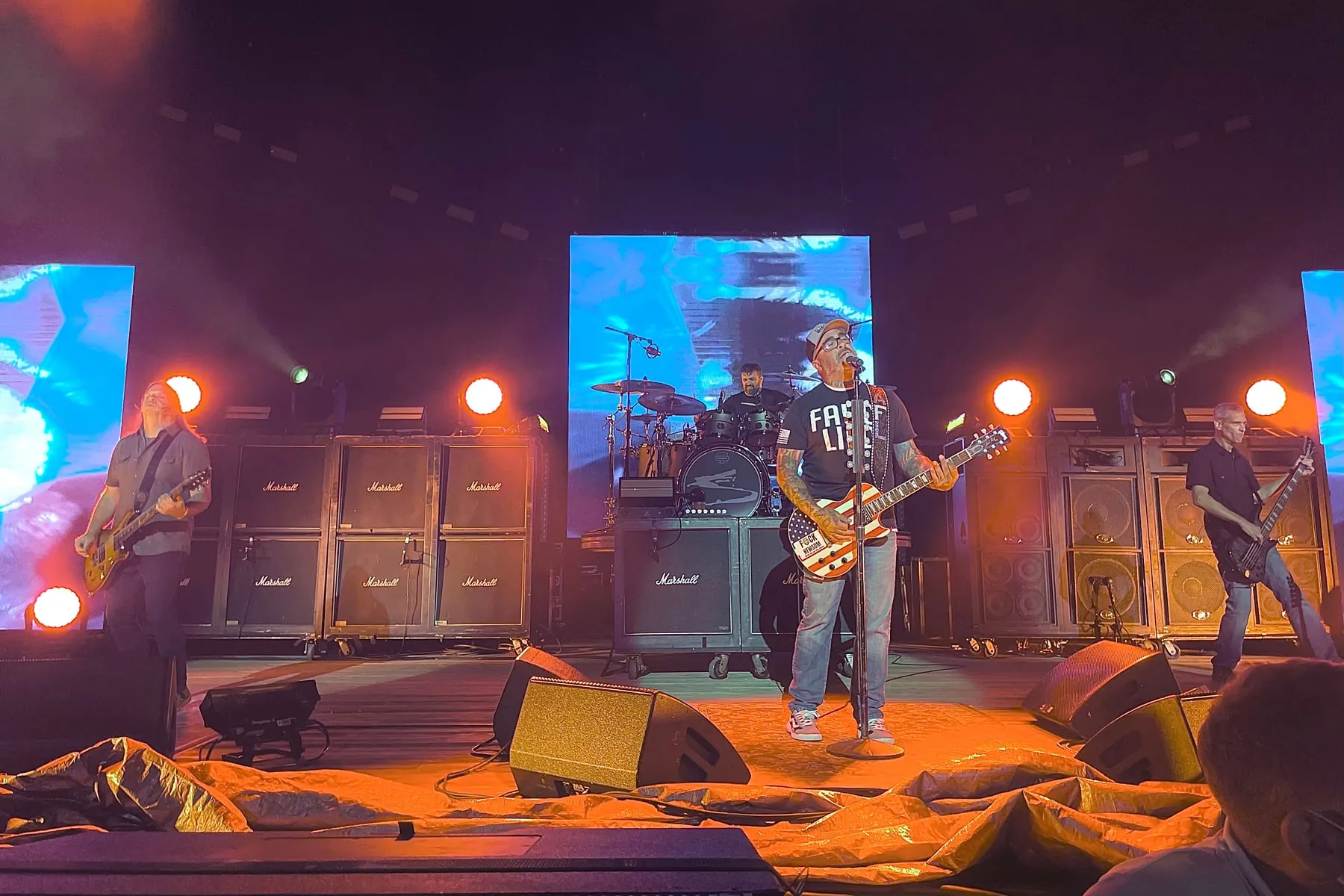
Photo by Quintin Soloviev , licensed under CC BY 4.0 · Wikimedia Commons
Rank #215
Staind
From Wikipedia
Staind is an American rock band from Springfield, Massachusetts, formed in 1995. The original lineup consisted of lead vocalist and rhythm guitarist Aaron Lewis, lead guitarist Mike Mushok, bassist and backing vocalist Johnny April, and drummer Jon Wysocki. The lineup has been stable outside of the 2011 departure of Wysocki, who was replaced by Sal Giancarelli. Staind has recorded and released eight studio albums: Tormented (1996), Dysfunction (1999), Break the Cycle (2001), 14 Shades of Grey (2003), Chapter V (2005), The Illusion of Progress (2008), Staind (2011), and Confessions of the Fallen (2023).
Members
- Aaron Lewis
Discography & Previews
Browse through and click an album to open and play 30-second previews streamed from Apple Music.

14 Shades of Grey
2003 · 14 tracks
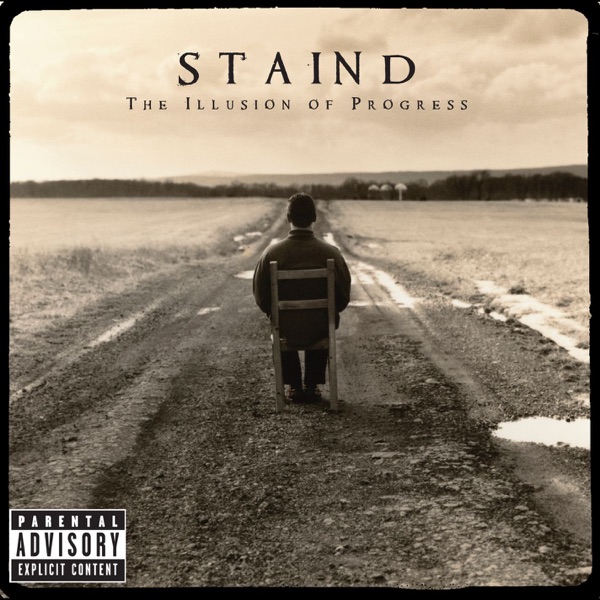
The Illusion of Progress
2008 · 13 tracks


-
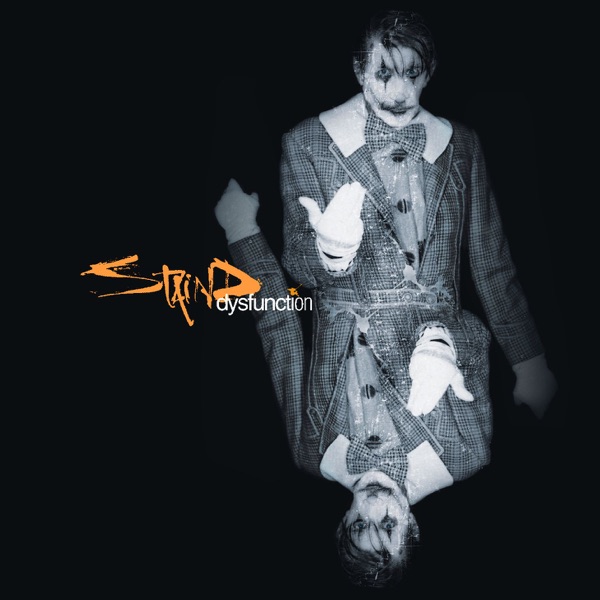
 DysfunctionStaind199910 tracks
 -
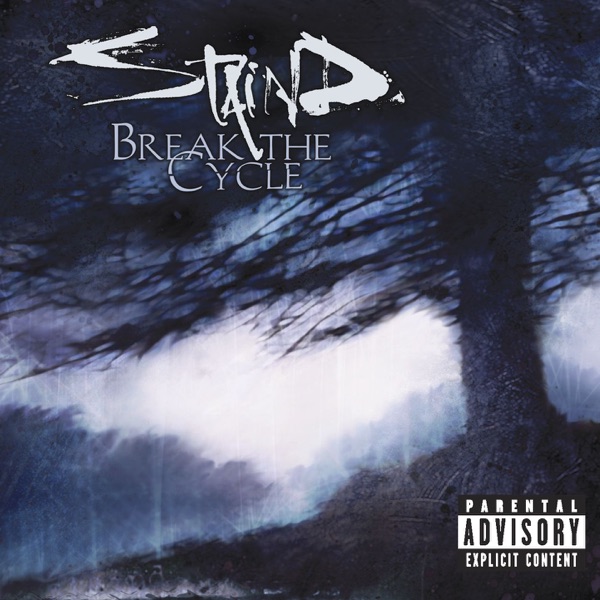
 Break the CycleStaind200113 tracks
 -
 14 Shades of GreyStaind200314 tracks
 -
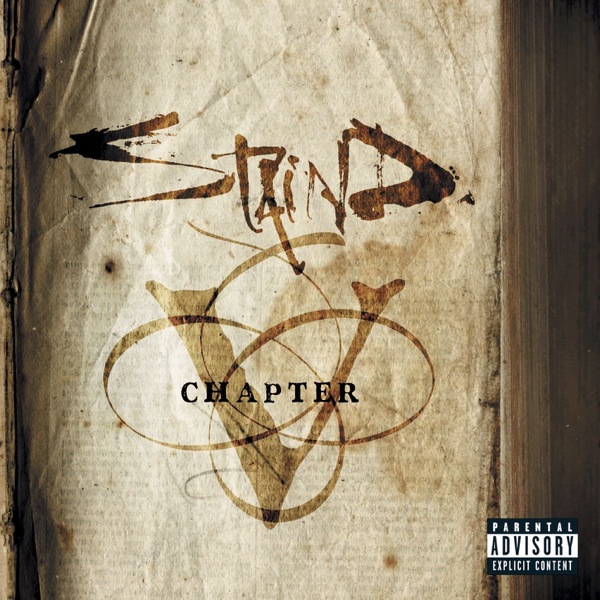
 Chapter VStaind200512 tracks
 -
 The Illusion of ProgressStaind200813 tracks
 -
 StaindStaind201110 tracks
 -
 Confessions of the FallenStaind202310 tracks
Deep Dive
Overview
Staind is an American rock band from Springfield, Massachusetts, formed in 1995 as a cornerstone act in the nu metal and post-grunge movements of the late 1990s and 2000s. Built on introspective songwriting, heavy-yet-melodic instrumentation, and Aaron Lewis’s distinctive vocal delivery, the band achieved substantial commercial and critical presence across a three-decade span. Their albums charted consistently, and their blend of aggressive guitar work with emotionally vulnerable lyrical content helped define a particular strain of metal that emphasized psychological and existential themes alongside sonic heaviness.
Formation Story
Staind emerged from Springfield, Massachusetts in 1995, a region that had nurtured various alternative and metal acts but was not yet a major national touring destination. The founding lineup—lead vocalist and rhythm guitarist Aaron Lewis, lead guitarist Mike Mushok, bassist and backing vocalist Johnny April, and drummer Jon Wysocki—came together in this working-class industrial city and began writing and performing songs that blended the heaviness of metal with the introspective tone that post-grunge had popularized in the early 1990s. Springfield provided a venue for their earliest performances and a community that would follow their rise, even as the band’s sound and reputation expanded far beyond regional boundaries. The chemistry between Lewis’s compositional sensibility and Mushok’s guitar approach established the core identity that would persist through the band’s entire catalog.
Breakthrough Moment
Staind’s ascent to national recognition solidified with the release of Dysfunction in 1999, an album that captured the band’s mature songwriting approach and began to circulate heavily on rock radio and MTV. The record’s blend of heavy instrumentation with vulnerable, confessional lyrics resonated with audiences coming of age during the post-grunge era’s waning years and the concurrent rise of nu metal. Dysfunction positioned Staind as major-label artists on Atlantic Records (via Flip Records) and set the template for their most commercially successful period. The album’s success created momentum that would carry into the early 2000s and establish the band as reliable chart performers and touring draws.
Peak Era
Staind’s most commercially dominant and creatively assured period spanned from 2001 to 2005, anchored by the albums Break the Cycle (2001), 14 Shades of Grey (2003), and Chapter V (2005). These three records found the band refining their signature sound—balancing aggressive guitar tones with introspective and often melancholic lyrical content. The Break the Cycle era marked the band’s pinnacle in terms of radio presence and touring scale, establishing them as a fixture of rock festivals, arena tours, and late-night television appearances. The subsequent albums maintained that commercial footing while allowing for incremental shifts in sonic approach and thematic exploration, demonstrating a band secure in its identity yet willing to evolve within its established parameters.
Musical Style
Staind’s sound is characterized by the intersection of metal heaviness and post-grunge introspection, a template that became increasingly common in nu metal but which the band executed with particular emphasis on songwriting clarity and vocal prominence. Aaron Lewis’s vocals are distinctly melancholic and often understated, favoring emotional weight over technical display; his phrasing and tone became synonymous with the band’s identity across all eight studio albums. Mike Mushok’s guitar work ranges from heavy, distorted riffs that ground the band’s metal credentials to cleaner, melodic passages that provide textural variety and emotional breathing room. The rhythm section of Johnny April (bass) and Jon Wysocki (drums until 2011, replaced by Sal Giancarelli) provides locked, groove-oriented foundations that emphasize pocket and pocket-playing over technical showmanship. The band’s overall approach reflects post-grunge’s integration of metal and alternative rock without strong adherence to the more extreme technical or aesthetic demands of traditional heavy metal.
Major Albums
Dysfunction (1999)
The breakthrough album that elevated Staind from regional act to national presence, Dysfunction crystallized the band’s identity and introduced their confessional, metal-inflected sound to mainstream audiences. The record became a commercial and critical platform that shaped expectations for their subsequent work.
Break the Cycle (2001)
Staind’s most commercially dominant album, Break the Cycle solidified their status as major touring and radio acts at the height of the early-2000s rock climate. The record refined the band’s approach while expanding its commercial reach.
14 Shades of Grey (2003)
Released during the band’s peak commercial period, this album maintained Staind’s chart presence and touring profile while continuing to explore themes of emotional vulnerability and introspection.
Chapter V (2005)
The final album of their initial creative peak, Chapter V demonstrated the band’s ability to sustain their sound and commercial viability across a full decade of major-label recording and touring.
The Illusion of Progress (2008)
Following a period of reduced profile, The Illusion of Progress marked an attempt to recalibrate the band’s relevance in a shifting rock landscape, introducing evolved production approaches while maintaining core musical identity.
Staind (2011)
A self-titled effort released in 2011, this album arrived during a transitional period for the band and marked the departure of original drummer Jon Wysocki, who was replaced by Sal Giancarelli.
Signature Songs
- “So Far Away” — An early fan favorite that exemplified the band’s ability to balance heavy guitar work with emotionally resonant songwriting and clear vocal melodies.
- “Outside” — A defining track from the Dysfunction era that became one of the band’s most recognizable songs and most-played radio hits.
- “Price to Play” — A Break the Cycle album track that showcased the band’s introspective lyrical approach and mid-tempo groove sensibility.
- “It’s Been Awhile” — A major single from the early-2000s period that highlighted Aaron Lewis’s vocal delivery and the band’s ability to craft accessible, emotionally direct rock songs.
Influence on Rock
Staind occupied a significant position within the late-1990s and 2000s metal and rock landscape, helping to establish nu metal as a commercially viable mainstream category while emphasizing songwriting and vocal melody in a genre that often prioritized technical extremity. The band’s consistent output and touring presence influenced subsequent acts working within post-grunge and alternative metal contexts, demonstrating that commercial success and critical credibility were not mutually exclusive for metal bands working in an emotionally direct idiom. Their influence extends across the broader alternative and mainstream rock scenes, where the template of heavy instrumentation paired with accessible songwriting became increasingly normalized through the 2000s.
Legacy
Staind has maintained an active recording and touring presence across three decades, including the release of Confessions of the Fallen in 2023, which underscores the band’s enduring commitment to original material and live performance. The band’s stable core lineup—with only the drummer position changing in 2011—and consistent output across eight studio albums from 1996 onward demonstrates a durability uncommon in metal and alternative rock, where lineup instability and prolonged hiatuses are frequent. Springfield, Massachusetts’s cultural footprint includes Staind as one of its most internationally recognized musical exports, and the band’s recordings remain actively streamed across major platforms, serving as touchstones for audiences who encountered them during their peak commercial years and for newer listeners discovering nu metal and post-grunge through retrospective playlists and documentary interest in the era.
Fun Facts
- The original four-member lineup of Aaron Lewis, Mike Mushok, Johnny April, and Jon Wysocki remained consistent for over 15 years before drummer Jon Wysocki’s 2011 departure, an unusual level of stability in metal and alternative rock contexts.
- Staind released eight studio albums across 27 years (1996–2023), demonstrating sustained major-label and independent recording activity with only modest gaps between releases.
- The band hailed from Springfield, Massachusetts, a region not traditionally associated with major national metal or alternative rock acts, making their breakthrough an outlier in the geography of late-1990s rock music success.