

Photo by Constantino14 , Thomson200 , NewMillenniumMusic , Cancha General , licensed under CC0 · Wikimedia Commons
Rank #308
Jane's Addiction
From Wikipedia
Jane's Addiction was an American rock band formed in Los Angeles in 1985. The band's best known line-up consisted of lead vocalist Perry Farrell, bassist Eric Avery, drummer Stephen Perkins and guitarist Dave Navarro. Jane's Addiction was one of the first bands from the early 1990s alternative rock movement to gain commercial success.
Members
- Eric Avery
Discography & Previews
Browse through and click an album to open and play 30-second previews streamed from Apple Music.

Nothing’s Shocking
1988 · 11 tracks


The Great Escape Artist
2011 · 10 tracks
-
 Nothing’s ShockingJane's Addiction198811 tracks
 -
 Ritual de lo habitualJane's Addiction19909 tracks
 -
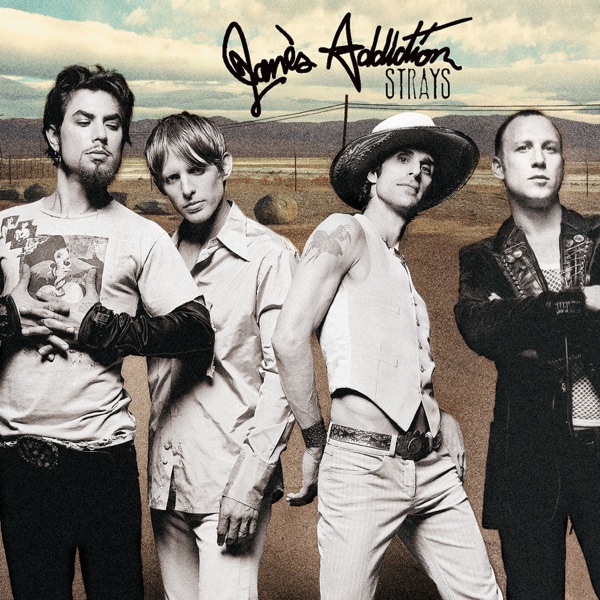
 StraysJane's Addiction200311 tracks
 -
 The Great Escape ArtistJane's Addiction201110 tracks
Deep Dive
Overview
Jane’s Addiction was an American rock band formed in Los Angeles in 1985 that emerged as one of the first acts from the early 1990s alternative rock movement to achieve substantial commercial success. Built around the distinctive vocal presence of Perry Farrell, the band combined elements of punk attitude, heavy instrumentation, and art-rock ambition to create a sound that bridged underground and mainstream sensibilities. Their arrival coincided with the broader shift in rock radio and MTV programming toward alternative and post-punk derived material, and they became central figures in introducing that aesthetic to arena audiences.
Formation Story
Jane’s Addiction coalesced in Los Angeles during the mid-1980s, a period when the city’s rock underground was fragmented between aging glam and punk holdovers, thrash metal scenes, and emerging post-punk acts. The band’s best-known lineup consisted of Perry Farrell on lead vocals, Dave Navarro on guitar, Eric Avery on bass, and Stephen Perkins on drums. This configuration would become the face of the band during their initial run and most commercially successful period. Los Angeles in 1985 provided the essential backdrop—a city with pockets of avant-garde and experimental music culture, proximity to punk’s residual energy, and the visual excess that would come to define Jane’s Addiction’s aesthetic and live presentation.
Breakthrough Moment
Jane’s Addiction’s breakthrough arrived with their second album, Ritual de lo Habitual, released in 1990. The record’s success on both alternative and mainstream rock radio, combined with their incendiary live reputation, established the band as a major commercial force. The album demonstrated that a group rooted in punk and art-rock outsider traditions could sustain extended play on MTV and rock radio without diluting their core identity. Their albums Nothing’s Shocking (1988) and the follow-up cemented their reputation beyond Los Angeles and marked the moment when alternative rock transitioned from college radio phenomenon to pop-chart presence. The band’s uncompromising visual presentation and Farrell’s charismatic frontmanship made them MTV fixtures and touring draws, helping to legitimize alternative rock as a commercially viable category for major labels.
Peak Era
The period from 1988 through the early 1990s represented Jane’s Addiction’s creative and commercial peak. Nothing’s Shocking announced the band’s full arrival, while Ritual de lo Habitual expanded their audience significantly and deepened their exploration of heavier, more complex arrangements. During these years, the band became synonymous with an alternative rock ethos that valued musicianship, visual spectacle, and lyrical sophistication alongside punk’s directness and attitude. Their live shows became legendary for their unpredictability and theatrical presentation, making them one of the decade’s most compelling touring acts. The momentum established during this period made them influential advocates for bringing underground rock aesthetics to the mainstream and helped to shape what alternative rock would become during the 1990s.
Musical Style
Jane’s Addiction’s sound blended post-punk guitar work, heavy but melodic bass lines, complex rhythmic patterns, and Farrell’s emotionally expressive vocal approach into a dense, layered alternative rock template. Dave Navarro’s guitar playing drew from funk, metal, and art-rock traditions, favoring textured arrangements and unusual effects alongside more straightforward riff-based passages. Eric Avery’s bass work was intricate and melodically prominent, often functioning as a lead instrument rather than purely rhythmic support. Stephen Perkins’ drumming combined punk-derived simplicity with jazz and fusion-influenced fills and polyrhythmic approaches. Lyrically, the band addressed themes of desire, addiction, spirituality, and psychological complexity with a literary sensibility that distinguished them from peers more focused on teenage angst or social rage. The overall aesthetic—musically and visually—prioritized artistic ambition and provocative imagery, positioning Jane’s Addiction as intellectually engaged rock musicians rather than conventional alternative radio acts.
Major Albums
Nothing’s Shocking (1988)
The debut announced a fully formed artistic vision: heavy, intricate arrangements that refused simple categorization, balanced against Farrell’s memorable vocal melodies and cryptic lyrical conceits. The album established the template that would define the band’s approach throughout their initial run.
Ritual de lo Habitual (1990)
The follow-up deepened the band’s musical vocabulary and achieved their broadest commercial reach, proving that complex, art-rock-informed songwriting could sustain mainstream rock radio play and MTV rotation without compromise.
Pigs In Zen (1992)
Released during the height of alternative rock’s mainstream dominance, this album further expanded their sonic palette and consolidated their position as one of the decade’s most important rock bands.
Strays (2003)
After an extended period away from recording, the reunited band returned with Strays, demonstrating their ability to remain creative and relevant decades after their initial breakthrough.
The Great Escape Artist (2011)
This album showcased the band’s continued willingness to evolve their sound while maintaining the musical and thematic concerns that had always defined their work.
Signature Songs
- “Jane Says” — A hypnotic, understated track that became one of the band’s most recognizable songs through MTV rotation and its atmospheric, minimalist arrangement.
- “Been Caught Stealing” — An infectious, groove-oriented single that demonstrated the band’s ability to balance accessibility with musical sophistication.
- “Pigs In Zen” — A heavier, more aggressive showcase for the band’s ability to shift between melodic and brutally direct approaches within a single composition.
- “Mountain Song” — A driving, guitar-forward track that highlighted Dave Navarro’s ability to create memorable melodic lines within complex arrangements.
Influence on Rock
Jane’s Addiction helped establish alternative rock as a commercially viable mainstream category during the late 1980s and early 1990s. Their success demonstrated that bands rooted in punk and art-rock traditions could achieve platinum sales and arena-scale audiences without compromising their fundamental aesthetic. They provided a model for how post-punk and experimental influences could be integrated into stadium rock without feeling derivative or watered-down. The band’s influence extended across the broader landscape of 1990s rock, affecting how musicians and labels approached the intersection of underground credibility and commercial ambition. Their visual presentation and conceptual approach to albums and live performance influenced generations of alternative and progressive rock acts who followed.
Legacy
Jane’s Addiction remains central to any historical account of 1990s alternative rock’s mainstream breakthrough and the broader acceptance of post-punk and art-rock aesthetics into popular music. Their albums, particularly Ritual de lo Habitual and Nothing’s Shocking, continue to circulate widely through streaming platforms and retain cultural currency among rock audiences. The band’s reunions and continued recording activity through the 2010s demonstrated their enduring relevance and the sustained interest in their catalog. Their influence persists in contemporary alternative and progressive rock, where the integration of complex arrangements, intellectual lyrical content, and visual ambition that Jane’s Addiction pioneered remains a touchstone. They represent a crucial moment when underground rock culture and mainstream commercial success became compatible rather than mutually exclusive categories.
Fun Facts
- Jane’s Addiction’s name was drawn from a street friend of Perry Farrell’s, making it a reference rooted in Los Angeles street culture rather than a literary or conceptual construct.
- The band’s visual presentation, including controversial album artwork and provocative stage designs, made them lightning rods for mainstream media attention and helped elevate their profile beyond rock radio.
- Dave Navarro’s guitar work combined influences from funk, metal, and jazz fusion traditions, creating a texturally distinctive sound that set the band apart from contemporaneous alternative rock peers.
- The band has maintained a presence as an active touring entity through multiple reunions and hiatuses, proving their appeal across different eras of alternative rock and contemporary music.