Photo by Simon Fernandez , licensed under CC BY 2.0 · Wikimedia Commons
Rank #424
Grizzly Bear
From Wikipedia
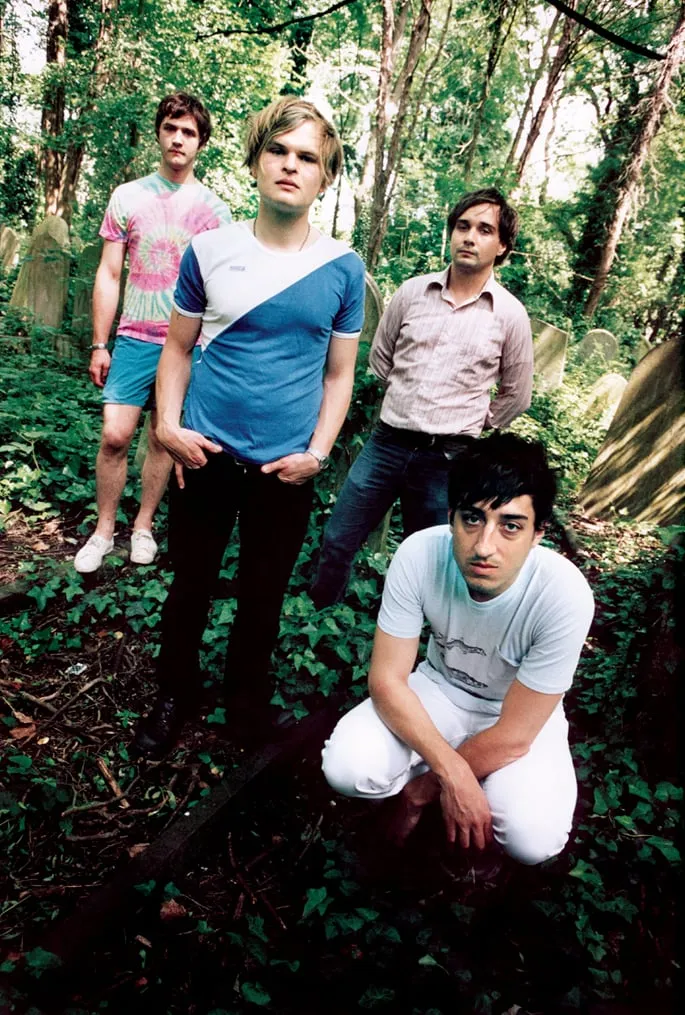
Grizzly Bear is an American rock band from Brooklyn, New York, formed in 2002. For most of its tenure, the band has consisted of Edward Droste, Daniel Rossen, Chris Taylor, and Christopher Bear. The band have employed both traditional and electronic instruments, and their sound has been categorized as chamber pop, psychedelic folk, and art rock. The band is also known for their use of vocal harmony, with all four members contributing vocals and lead vocals alternating between Rossen and Droste.
Members
- Ed Droste
Discography & Previews
Browse through and click an album to open and play 30-second previews streamed from Apple Music.

Horn of Plenty
2004 · 14 tracks


-
 Horn of PlentyGrizzly Bear200414 tracks
 -
 Yellow HouseGrizzly Bear200610 tracks
 -
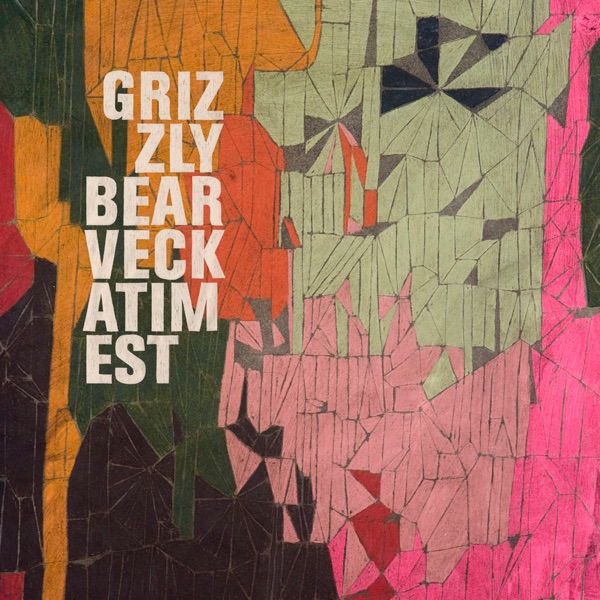
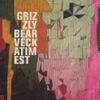 VeckatimestGrizzly Bear200912 tracks
 -
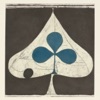 ShieldsGrizzly Bear20129 tracks
 -
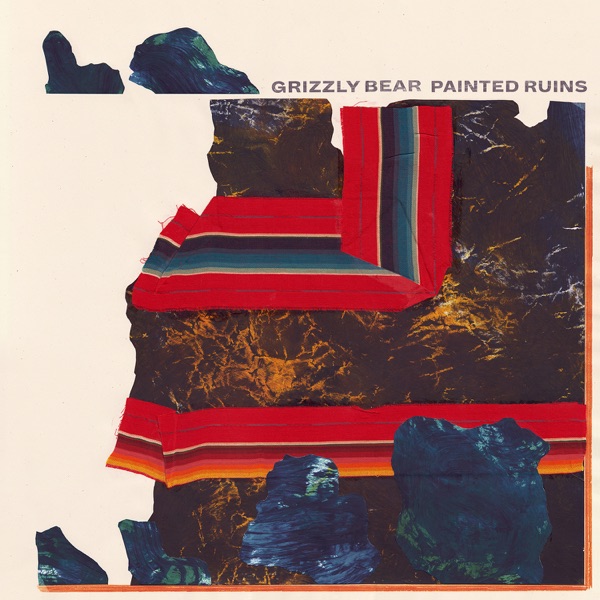
 Painted RuinsGrizzly Bear201711 tracks
Deep Dive
Overview
Grizzly Bear is an American rock band from Brooklyn, New York, formed in 2002. The group represents a distinctive strain of twenty-first-century art rock that merges chamber pop arrangements, psychedelic folk textures, and electronic experimentation into densely layered, intricate compositions. With a rotating cast of supporting players but a stable core of four principal members—Edward Droste, Daniel Rossen, Chris Taylor, and Christopher Bear—Grizzly Bear built a reputation for vocal sophistication and sonic adventurousness that positioned them as one of the more intellectually ambitious rock acts of their era.
Formation Story
Grizzly Bear emerged from Brooklyn’s independent rock scene in 2002, a time when the borough was becoming a hub for experimental and avant-garde music. The band coalesced around Edward Droste’s initial songwriting vision, eventually solidifying into a four-piece lineup featuring Droste, Daniel Rossen, Chris Taylor, and Christopher Bear. The group’s formation coincided with a broader movement toward art rock and chamber pop among indie musicians, a reaction against the stripped-down aesthetics that had dominated alternative rock in the previous decade. Brooklyn’s creative ecosystem—dense with visual artists, electronic musicians, and classically trained instrumentalists—provided both the cultural context and the talent pool from which Grizzly Bear would draw its distinctive approach.
Breakthrough Moment
Grizzly Bear’s debut album, Horn of Plenty, arrived in 2004 to modest attention within underground circles. However, their second album, Yellow House (2006), marked a significant leap in critical recognition and artistic confidence. Released on Warp Records, the album showcased the band’s ability to balance orchestral arrangement with lo-fi production sensibilities, creating a sound that was simultaneously intimate and expansive. Yellow House established Grizzly Bear as more than a local Brooklyn curiosity; it signaled that the band possessed the compositional depth and execution to operate at the level of established art rock acts. The album’s success set the stage for a sustained presence in independent rock and alternative music discourse over the following decade.
Peak Era
The years between 2009 and 2012 represented Grizzly Bear’s most commercially successful and creatively confident period. Veckatimest (2009) continued the trajectory established by Yellow House, refining the band’s production techniques and harmonic sophistication. Two years later, Shields (2012) arrived as the group’s most ambitious statement yet—a densely arranged, emotionally complex album that cemented Grizzly Bear’s status as one of the leading voices in contemporary art rock. Both albums demonstrated the band’s willingness to deepen their exploration of vocal harmony, with all four members contributing lead and supporting vocal parts in intricate configurations. During this period, Grizzly Bear became fixtures of major festivals and headliners at independent venues worldwide, their concerts functioning as immersive sonic experiences rather than conventional live rock performances.
Musical Style
Grizzly Bear’s sound draws from multiple traditions: the harmonic complexity of art pop, the instrumental layering of psychedelic folk, and the textural possibilities of electronic music. The band employs both traditional rock instrumentation—guitars, drums, bass—and electronic devices, synthesizers, and samples, allowing them to create arrangements that shift between organic and synthetic timbres within a single song. Their production aesthetic often favors clarity over rawness, with individual instrumental lines audible within busy mixes. Vocally, the band’s defining characteristic is their use of multi-tracked, interlocking vocal lines, with Edward Droste and Daniel Rossen alternating lead vocal duties while Chris Taylor and Christopher Bear provide harmonic and textural vocal support. The songwriting tendency is toward complex song structures that avoid conventional verse-chorus-verse formats, instead developing ideas through accumulation, variation, and harmonic recontextualization. Lyrically, the band’s output ranges from the abstract to the personal, often exploring themes of emotional uncertainty and interpersonal complexity.
Major Albums
Yellow House (2006)
A watershed moment for the band, Yellow House balanced lo-fi production with sophisticated arrangements, establishing Grizzly Bear’s core aesthetic of interlocked vocal harmonies and layered instrumental textures. The album’s critical success launched the band into wider recognition and established them as essential figures in contemporary art rock.
Veckatimest (2009)
Following Yellow House, Veckatimest deepened the band’s exploration of orchestral arrangement and vocal complexity, with more polished production and increasingly ambitious harmonic structures. The album demonstrated the band’s technical maturation without sacrificing emotional resonance or experimental impulses.
Shields (2012)
Peaking at both commercial and critical achievement, Shields presented Grizzly Bear at their most elaborate and emotionally introspective. The album featured densely layered arrangements, sophisticated production techniques, and some of the band’s most emotionally direct songwriting, establishing it as a landmark statement of contemporary American rock.
Painted Ruins (2017)
Released five years after Shields, Painted Ruins saw the band returning to the studio with renewed focus and a somewhat more streamlined approach to arrangement. The album demonstrated the band’s continued relevance and ability to evolve their sound while maintaining their core identity.
Signature Songs
- “Two Weeks” — A standout from Veckatimest known for its delicate vocal interplay and gradually building instrumental arrangement, exemplifying the band’s chamber pop sensibilities.
- “Knife” — A Shields track featuring some of the band’s most emotionally direct vocal work and intricate harmonic layering.
- “Foreground” — A Yellow House composition showcasing the band’s ability to construct complex arrangements from relatively simple melodic material.
- “Ready, Able” — A Shields song demonstrating the band’s sophisticated approach to rhythm and production texture.
Influence on Rock
Grizzly Bear arrived at a moment when indie rock was fragmenting into numerous subgenres and approaches. Their emphasis on vocal harmony, orchestral arrangement, and electronic integration influenced a subsequent generation of art rock and alternative acts who sought sophistication beyond guitar-based rock conventions. The band’s success on the Warp Records roster—an imprint known for electronic and experimental music—demonstrated that a rock band could operate within avant-garde contexts without abandoning melodic accessibility. Their work encouraged other rock musicians to engage with production techniques, harmonic complexity, and instrumental layering as serious artistic tools, contributing to the broader expansion of what “rock music” could encompass in the 2010s.
Legacy
Grizzly Bear remains an active band as of the 2010s and 2020s, with an ongoing presence in rock and alternative music discourse. Their albums continue to find audiences through streaming platforms, and their influence appears in the work of contemporary art rock and alternative acts who pursue harmonic sophistication and sonic complexity. Shields in particular has aged well as a statement of early-2010s rock aesthetics, representing a moment when indie rock bands were operating at peak technical and emotional sophistication. The band’s commitment to craft, their refusal of easy commercial formulas, and their willingness to pursue increasingly complex arrangements have secured their place in the history of twenty-first-century rock music.
Fun Facts
- Grizzly Bear’s music has featured in visual media and film soundtracks, extending their influence beyond the strictly musical realm and into contemporary culture more broadly.
- The band’s production techniques, involving extensive multitracking and layering, often require significant studio time and post-production work, reflecting their commitment to sonic detail.
- All four members of Grizzly Bear contribute vocals to the band’s compositions, a relatively uncommon practice in rock music that became one of their defining characteristics.