
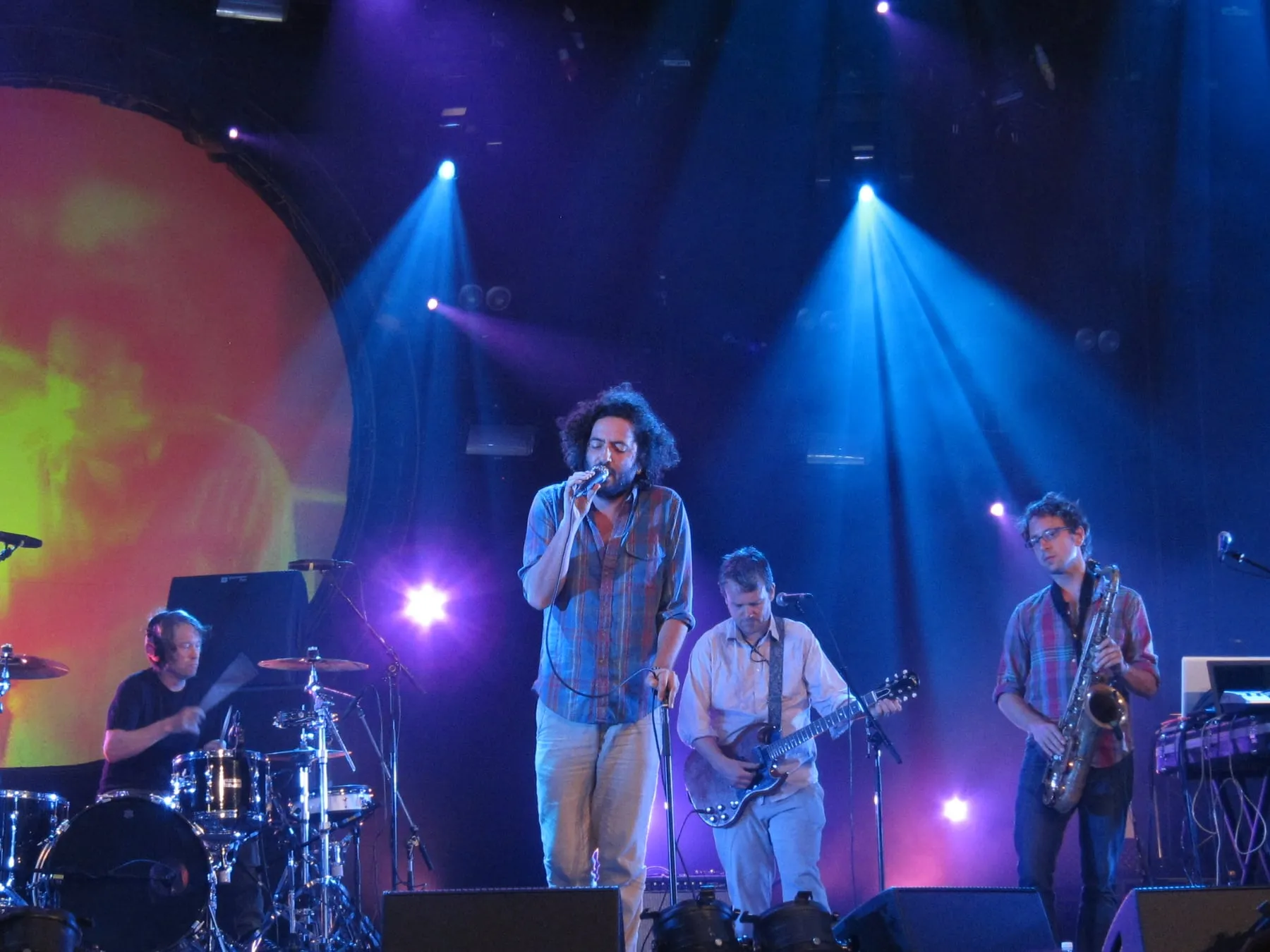
Photo by Alberto Garcia , licensed under CC BY-SA 2.0 · Wikimedia Commons
Rank #211
Destroyer
From Wikipedia
Destroyer is a Canadian indie rock band from Vancouver, formed in 1995. The band is fronted by founding member and lead vocalist Dan Bejar, with a collective of regular band members and collaborators joining him in the studio and during live performances. Alongside Bejar, Destroyer currently includes longtime producers John Collins (bass) and David Carswell (guitar), Nicolas Bragg, Ted Bois (keyboards), JP Carter (trumpet) and Joshua Wells (drums).
Members
- Dan Bejar
Discography & Previews
Browse through and click an album to open and play 30-second previews streamed from Apple Music.
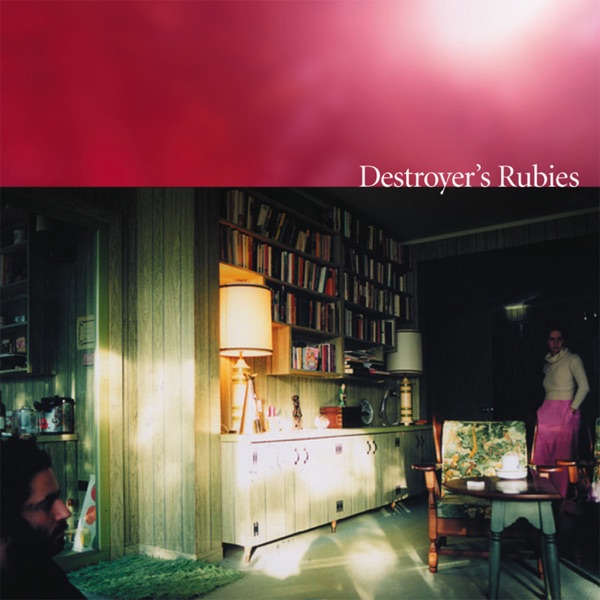
Destroyer
1995 · 10 tracks
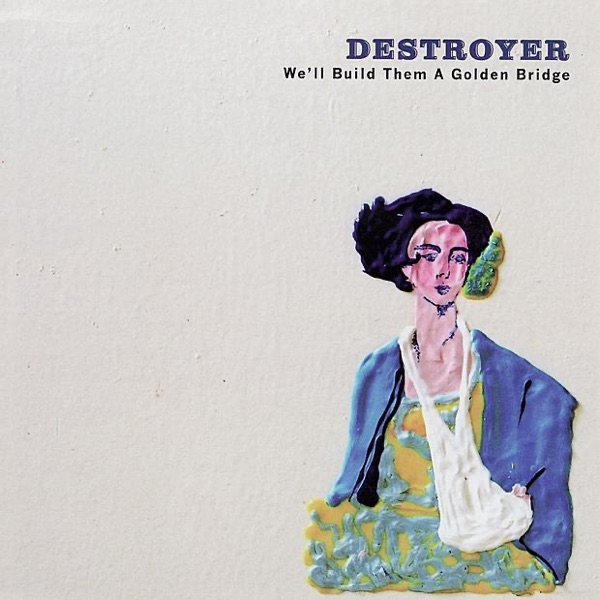
We'll Build Them a Golden Bridge
1996 · 16 tracks
- 1 Revolution ↗ 1:16
- 2 J. Tailor ↗ 2:44
- 3 Smith ↗ 1:12
- 4 I, As McCarthy ↗ 2:01
- 5 Mending Song ↗ 1:08
- 6 Leave Little Fiddler (Alone) ↗ 4:06
- 7 The Pornographers ↗ 0:57
- 8 War On Jazz ↗ 3:00
- 9 Islands in the Stream ↗ 1:31
- 10 Saddestroyer ↗ 3:15
- 11 Streets of Fire ↗ 1:50
- 12 Rose ↗ 3:28
- 13 Breakin' the Law ↗ 2:39
- 14 Whistilin' Dixie (She Shoots) ↗ 3:09
- 15 Riots ↗ 1:34
- 16 Knowing When to Leave (Slang Mix) ↗ 2:13
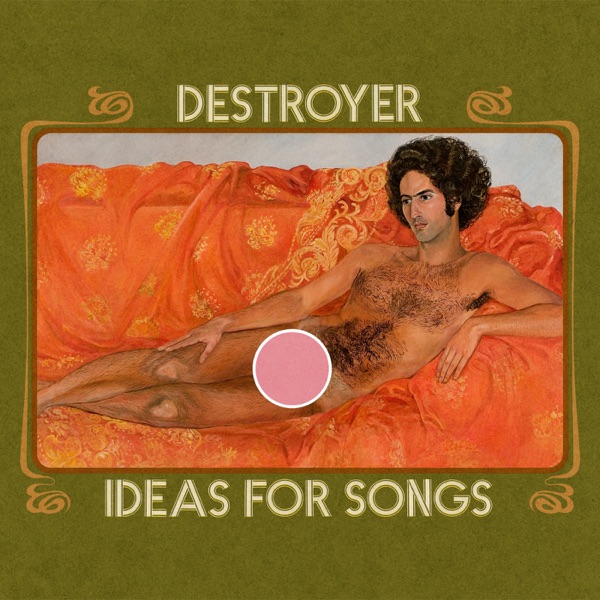
Ideas for Songs
1997 · 16 tracks
- 1 A Month In the Country ↗ 2:04
- 2 Song About Disappointment ↗ 1:58
- 3 Spring Cleaning ↗ 2:24
- 4 No One Needs to Know ↗ 3:20
- 5 Death to the Northern Man ↗ 2:06
- 6 Child of Styx ↗ 2:33
- 7 Marrying the Hammer ↗ 1:39
- 8 Nothing Against You Bored Spectre ↗ 3:49
- 9 Song About a Girl Up to a Point ↗ 1:32
- 10 The Terror Serves a Purpose ↗ 2:42
- 11 Leaving London ↗ 1:37
- 12 Untitled ↗ 2:53
- 13 Forget America ↗ 1:06
- 14 Stuffed and Sick ↗ 1:28
- 15 The Leg We Stand On ↗ 2:37
- 16 Why Banacek Doesn't Love ↗ 5:33
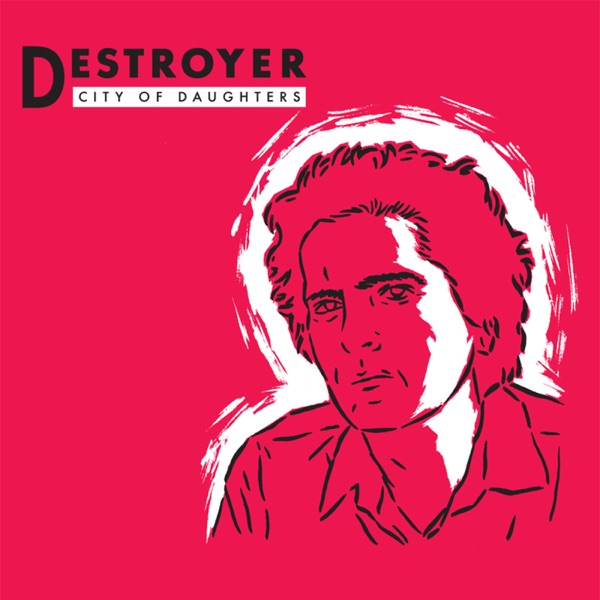
City of Daughters
1998 · 17 tracks
- 1 Comments on the World as Will ↗ 0:55
- 2 No Cease Fires! (Crimes Against the State of Our Love, Baby) ↗ 3:31
- 3 Dark Purposes ↗ 2:16
- 4 Emax I ↗ 1:47
- 5 I Want This Cyclops ↗ 3:12
- 6 Loves of a Gnostic ↗ 2:39
- 7 Emax II ↗ 0:58
- 8 State of the Union ↗ 1:17
- 9 School, and the Girls Who Go There ↗ 2:52
- 10 The Space Race ↗ 2:22
- 11 Melanie and Jennifer and Melanie ↗ 4:00
- 12 War on Jazz II or How I Learned to Love the War on Jazz ↗ 1:54
- 13 Emax III ↗ 0:59
- 14 You Were So Cruel ↗ 3:34
- 15 Signs ↗ 0:47
- 16 Rereading the Marble Faun ↗ 3:15
- 17 Son of the Earth ↗ 2:14

Thief
2000 · 13 tracks
- 1 Destroyer's the Temple ↗ 4:48
- 2 To the Heart of the Sun on the Back of the Vulture, I'll Go ↗ 3:52
- 3 The Way of Perpetual Roads ↗ 3:54
- 4 Canadian Lover / Falcon's Escape ↗ 3:21
- 5 City of Daughters ↗ 2:36
- 6 Every Christmas ↗ 3:30
- 7 Mercy (We Had the Right) ↗ 5:28
- 8 Queen of Languages ↗ 3:31
- 9 I.H.O.J. ↗ 1:47
- 10 In Dreams ↗ 3:27
- 11 Death on the Festival Circuit ↗ 3:16
- 12 M.E.R.C.I. ↗ 1:58
- 13 Thief ↗ 2:27

Streethawk: A Seduction
2001 · 12 tracks
- 1 Streethawk I ↗ 2:26
- 2 The Bad Arts ↗ 7:02
- 3 Beggars Might Ride ↗ 2:46
- 4 The Sublimation Hour ↗ 4:12
- 5 English Music ↗ 3:35
- 6 Virgin with a Memory ↗ 2:40
- 7 The Very Modern Dance ↗ 3:14
- 8 The Crossover ↗ 5:03
- 9 Helena ↗ 3:46
- 10 Farrar, Straus & Giroux (Sea of Tears) ↗ 3:47
- 11 Strike ↗ 2:59
- 12 Streethawk II ↗ 2:27

This Night
2002 · 15 tracks
- 1 This Night ↗ 5:58
- 2 Holly Going Lightly ↗ 5:08
- 3 Here Comes the Night ↗ 6:36
- 4 The Chosen Few ↗ 3:59
- 5 Makin' Angels ↗ 4:14
- 6 Hey, Snow White ↗ 7:55
- 7 Modern Painters ↗ 3:00
- 8 Crystal Country ↗ 3:45
- 9 Trembling Peacock ↗ 4:16
- 10 I Have Seen a Light ↗ 5:06
- 11 Students Carve Hearts Out of Coal ↗ 3:46
- 12 Goddess of Drought ↗ 3:31
- 13 Self Portrait With Thing (Tonight Is Not Your Night) ↗ 6:26
- 14 The Relevant Ballads ↗ 0:37
- 15 The Night Moves ↗ 3:49

Your Blues
2004 · 12 tracks
- 1 Notorius Lightning ↗ 5:57
- 2 It's Gonna Take an Airplane ↗ 3:41
- 3 An Actor's Revenge ↗ 2:58
- 4 The Music Lovers ↗ 4:22
- 5 From Oakland to Warsaw ↗ 3:12
- 6 Your Blues ↗ 2:58
- 7 New Ways of Living ↗ 4:24
- 8 Don't Become the Thing You Hated ↗ 2:13
- 9 Mad Foxes ↗ 4:46
- 10 The Fox and the Hound ↗ 3:24
- 11 What Road ↗ 3:58
- 12 Certain Things You Ought to Know ↗ 4:26
Destroyer’s Rubies
2006 · 10 tracks
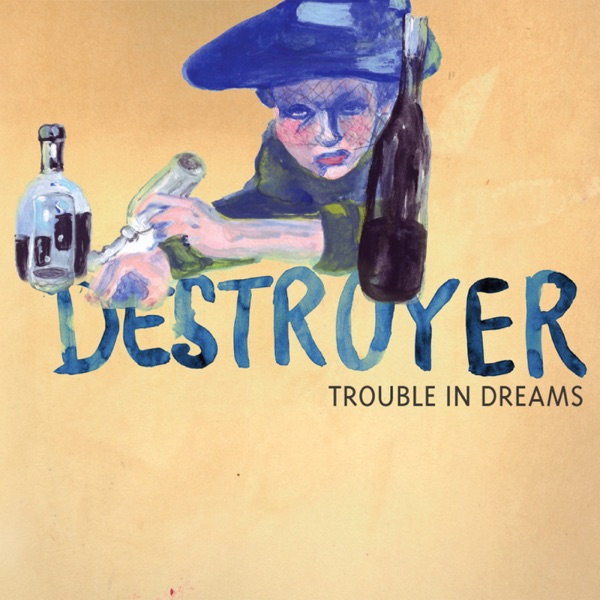
Trouble in Dreams
2008 · 11 tracks
- 1 Blue Flower/Blue Flame ↗ 3:24
- 2 Dark Leaves Form a Thread ↗ 3:36
- 3 The State ↗ 3:58
- 4 Foam Hands ↗ 3:50
- 5 My Favorite Year ↗ 6:07
- 6 Shooting Rockets (From the Desk of Night's Ape) ↗ 8:00
- 7 Introducing Angels ↗ 3:44
- 8 Rivers ↗ 5:14
- 9 Leopard of Honor ↗ 5:32
- 10 Plaza Trinidad ↗ 3:33
- 11 Libby's First Sunrise ↗ 5:59


Poison Season
2015 · 13 tracks
- 1 Times Square, Poison Season I ↗ 2:33
- 2 Dream Lover ↗ 3:49
- 3 Forces From Above ↗ 5:52
- 4 Hell ↗ 3:18
- 5 The River ↗ 3:36
- 6 Girl in a Sling ↗ 3:05
- 7 Times Square ↗ 4:11
- 8 Archer on the Beach ↗ 4:56
- 9 Midnight Meet the Rain ↗ 3:25
- 10 Solace's Bride ↗ 3:44
- 11 Bangkok ↗ 5:14
- 12 Sun in the Sky ↗ 5:34
- 13 Times Square, Poison Season II ↗ 3:02

ken
2017 · 11 tracks


-
 DestroyerDestroyer199510 tracks
 -
 We'll Build Them a Golden BridgeDestroyer199616 tracks
 -
 Ideas for SongsDestroyer199716 tracks
 -
 City of DaughtersDestroyer199817 tracks
 -
 ThiefDestroyer200013 tracks
 -
 Streethawk: A SeductionDestroyer200112 tracks
 -
 This NightDestroyer200215 tracks
 -
 Your BluesDestroyer200412 tracks
 - Destroyer’s RubiesDestroyer200610 tracks
-
 Trouble in DreamsDestroyer200811 tracks
 -
 KaputtDestroyer20119 tracks
 -
 Poison SeasonDestroyer201513 tracks
 -
 kenDestroyer201711 tracks
 -
 Have We MetDestroyer202010 tracks
 -
 LabyrinthitisDestroyer202210 tracks
 -
 Dan’s BoogieDestroyer20259 tracks
Deep Dive
Overview
Destroyer is a Canadian indie rock band that emerged from Vancouver in 1995 and has maintained an active recording and performing career for nearly three decades. Fronted by founding member and lead vocalist Dan Bejar, the band functions as a collective, with an evolving lineup of regular collaborators and producers shaping its sound across shifting studio configurations and live presentations. Operating primarily within the pop rock idiom while drawing from broader indie and experimental traditions, Destroyer has documented its evolution through a sustained catalog of studio albums that trace shifts in production approach, songwriting focus, and sonic texture across multiple eras.
Formation Story
Destroyer took shape in Vancouver in 1995 as Dan Bejar’s primary musical vehicle. From its inception, the project adopted a collaborative model rather than a fixed band structure, with Bejar serving as the constant compositional and vocal center while welcoming different musicians and producers into the recording and touring framework. The Vancouver indie scene of the mid-1990s provided fertile ground for experimental and boundary-testing approaches to rock music, a context in which Destroyer’s willingness to reconfigure its sound with each album cycle would come to define its approach. The band’s early years established patterns of creation and release that would persist: consistent recording output, fluid membership, and a focus on studio experimentation as the primary site of artistic development.
Breakthrough Moment
Destroyer’s early catalog established the band as a working entity with serious creative ambitions. The band’s debut, self-titled Destroyer, arrived in 1995, followed by We’ll Build Them a Golden Bridge in 1996 and Ideas for Songs in 1997. By 1998, with City of Daughters, and continuing through the 2000 album Thief and the 2001 release Streethawk: A Seduction, Destroyer had developed a visible presence within North American indie rock circles. The consistency and quality of output across these early releases established Bejar’s voice as a distinctive presence in Canadian rock and positioned the band as serious practitioners of studio craft and compositional invention.
Peak Era
The late 2000s and early 2010s marked a period of intensified artistic and commercial prominence for Destroyer. The 2006 album Destroyer’s Rubies represented a crystallization of the band’s approach, followed by Trouble in Dreams in 2008. Most significantly, the 2011 album Kaputt demonstrated a major stylistic development, showcasing a refined and more deliberately structured approach to production and arrangement. Following this peak period, the band continued to release albums regularly: Poison Season in 2015, ken in 2017, Have We Met in 2020, and Labyrinthitis in 2022, with the subsequent release Dan’s Boogie arriving in 2025. This sustained output confirmed Destroyer as a band committed to ongoing creative work and regular studio documentation rather than touring on past material.
Musical Style
Destroyer’s sound operates within the broad territory of pop rock while incorporating elements of indie rock sensibility, electronic textures, and art-rock ambition. The band’s core instrumentation typically centers on Bejar’s vocals and songwriting, supported by bass, guitar, keyboards, drums, and occasional brass and wind instruments—specifically trumpet as a recurring textural element. Dan Bejar’s vocal approach is conversational and precise, delivered with clarity and emotional restraint rather than dramatic projection. The band’s production approach has evolved considerably across its catalog: early albums embraced rougher, more experimental textures, while later releases, particularly from the 2000s onward, demonstrated increasingly sophisticated and deliberate studio construction. Keyboards and synthesizers frequently play central roles in arrangement, situating much of Destroyer’s work within broader synth-inflected indie and alternative traditions. The songwriting tends toward intricate lyrical detail and complex harmonic movement rather than simple verse-chorus structures, placing emphasis on listening comprehension and repeated engagement.
Major Albums
Streethawk: A Seduction (2001)
This album consolidated Destroyer’s emerging identity as a serious studio project and marked a transition toward more deliberately composed and arranged material, demonstrating Bejar’s growing sophistication as a songwriter and the band’s expanding sonic palette.
Destroyer’s Rubies (2006)
A key work in the band’s discography, Destroyer’s Rubies showcased refined production and strong songwriting, establishing patterns and approaches that would influence the band’s subsequent work throughout the following decades.
Kaputt (2011)
This album represented a significant stylistic statement, featuring carefully constructed arrangements, prominent synthesizer and keyboard work, and a more polished overall production than much of the band’s prior output. The album demonstrated the band’s ability to evolve while maintaining its core identity.
Poison Season (2015)
Released four years after Kaputt, this album continued the band’s exploration of studio-based pop rock while maintaining the sophisticated approach to arrangement and production that had come to define their contemporary sound.
Have We Met (2020)
Arriving a decade into Destroyer’s run as an established touring and recording entity, this album maintained the band’s commitment to regular output and studio experimentation, documenting continued creative development.
Signature Songs
- Streethawk — The title track from the 2001 album, a centerpiece of the band’s live and recorded work that exemplifies Bejar’s vocal precision and the band’s approach to pop-rock construction.
- Rubies — A notable track from the 2006 album Destroyer’s Rubies, representative of the band’s refined songwriting and production approach during that period.
- Kaputt — The title track from 2011, demonstrating the synthesizer-forward approach and carefully layered arrangement that characterized that album era.
- Have We Met — The title track from 2020, exemplifying the band’s continued investment in studio craft and songwriting sophistication in its fourth decade of activity.
Influence on Rock
Destroyer’s primary impact rests on its demonstration that sustained artistic development and regular studio work could remain viable within the indie rock framework over an extended period. The band’s willingness to reconfigure its sonic approach while maintaining a recognizable core identity influenced approaches to album-to-album evolution within Canadian indie rock and the broader North American alternative rock landscape. Dan Bejar’s vocal approach and compositional sensibilities, marked by precision, narrative detail, and harmonic sophistication, established a model for art-rock oriented pop music that emphasized listening engagement and compositional intelligence. The band’s integration of synthesizers, keyboards, and electronic textures into guitar-band frameworks anticipates and informs broader trends in indie rock production and arrangement across the 2010s and 2020s.
Legacy
Destroyer’s legacy rests on nearly three decades of consistent studio work and creative evolution from a Canadian city that has produced multiple influential rock acts. The band’s output spans from the mid-1990s experimental approaches through contemporary work in 2025, documenting shifting approaches to indie rock production, arrangement, and songwriting across multiple eras. The band’s regular touring presence and continued recording output maintain its connection to live rock performance while prioritizing studio documentation as the primary artistic statement. Destroyer remains active within streaming platforms, digital distribution networks, and ongoing concert performance, demonstrating the viability of a long-term indie rock career pursued with consistent creative investment and regular release cycles.
Fun Facts
- Destroyer has released studio albums in every era of the band’s existence, from 1995 through 2025, maintaining an average release frequency of approximately one studio album every two years despite shifting band member configurations.
- The band’s title Kaputt, released in 2011, draws from German language vocabulary, reflecting the band’s engagement with artistic and cultural references beyond exclusively English-language source material.
- Dan Bejar has worked with multiple producers and recording approaches across the catalog, deliberately shifting production philosophy and studio methodology rather than relying on a consistent single producer or sonic signature.
- The band’s use of brass instruments, particularly trumpet, as a recurring textural element distinguishes much of its work from standard indie rock instrumentation and places it within broader traditions of orchestral and arranged rock music.