Photo by Columbia Records , licensed under Public domain · Wikimedia Commons
Rank #493
Blood, Sweat & Tears
From Wikipedia
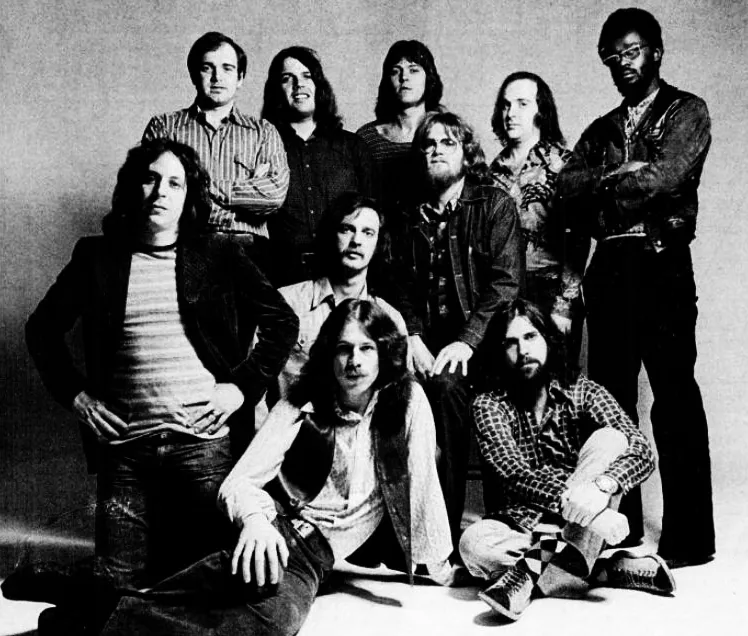
Blood, Sweat & Tears is an American jazz rock music group founded in New York City in 1967, noted for combining a brass section with rock band instrumentation. BS&T has gone through numerous iterations with varying personnel and has encompassed a wide range of musical styles. Their sound has merged rock, pop and R&B/soul music with big band jazz.
Members
- Al Kooper (1967–1968)
- Bobby Colomby (1967–present)
- David Clayton-Thomas (1968–present)
Discography & Previews
Browse through and click an album to open and play 30-second previews streamed from Apple Music.

Blood, Sweat & Tears
1968 · 12 tracks
- 1 Alone (Live) ↗ 5:56
- 1 Over the Hill (Live) ↗ 4:33
- 2 Kråkbergravningen (Live) ↗ 4:29
- 2 Time Remembered (Live) ↗ 3:18
- 3 Road Blues (Live) ↗ 3:41
- 3 Snow Queen (Live) ↗ 10:54
- 4 Back in ’57 (Live) ↗ 4:21
- 4 Maiden Voyage (Live) ↗ 16:30
- 5 Down in the Flood (Live) ↗ 8:16
- 5 You’ve Made Me so Very Happy (Live) ↗ 4:43
- 6 Touch Me (Live) ↗ 3:42
- 7 I Can’t Move No Mountains (Live) ↗ 6:48

Child Is Father to the Man
1968 · 15 tracks
- 1 Overture ↗ 1:32
- 2 I Love You More Than You'll Ever Know ↗ 5:57
- 3 Morning Glory ↗ 4:16
- 4 My Days Are Numbered ↗ 3:19
- 5 Without Her ↗ 2:41
- 6 Just One Smile ↗ 4:38
- 7 I Can't Quit Her ↗ 3:39
- 8 Meagan's Gypsy Eyes ↗ 3:24
- 9 Somethin' Goin' On ↗ 8:00
- 10 House In the Country ↗ 3:05
- 11 The Modern Adventures of Plato, Diogenes and Freud ↗ 4:12
- 12 So Much Love/Underture ↗ 4:43
- 13 Refugee from Yuhupitz (Instrumental) ↗ 3:46
- 14 I Love You More Than You'll Ever Know ↗ 5:54
- 15 The Modern Adventures of Plato, Diogenes and Freud ↗ 4:48

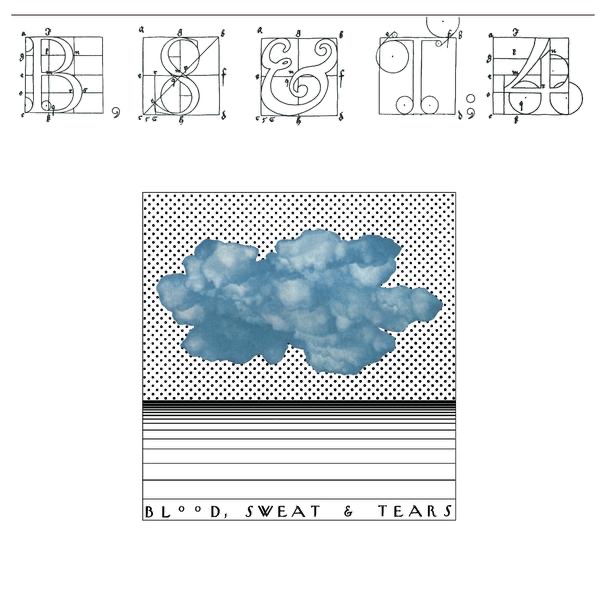
B, S & T; 4
1971 · 12 tracks
- 1 Go Down Gamblin' ↗ 4:15
- 2 Cowboys and Indians ↗ 3:09
- 3 John the Baptist (Holy John) ↗ 3:36
- 4 Redemption ↗ 5:13
- 5 Lisa, Listen to Me ↗ 2:59
- 6 A Look to My Heart ↗ 0:53
- 7 High On a Mountain ↗ 3:15
- 8 Valentine's Day ↗ 3:57
- 9 Take Me In Your Arms (Rock Me a Little While) ↗ 3:28
- 10 For My Lady ↗ 3:25
- 11 Mama Gets High ↗ 4:10
- 12 A Look to My Heart ↗ 2:08
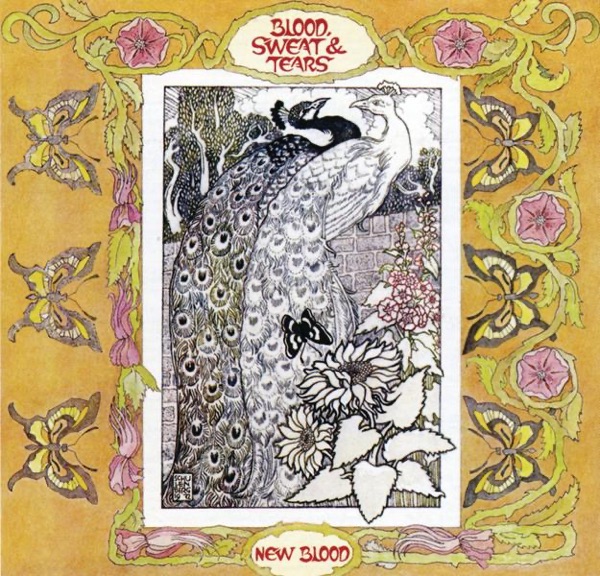
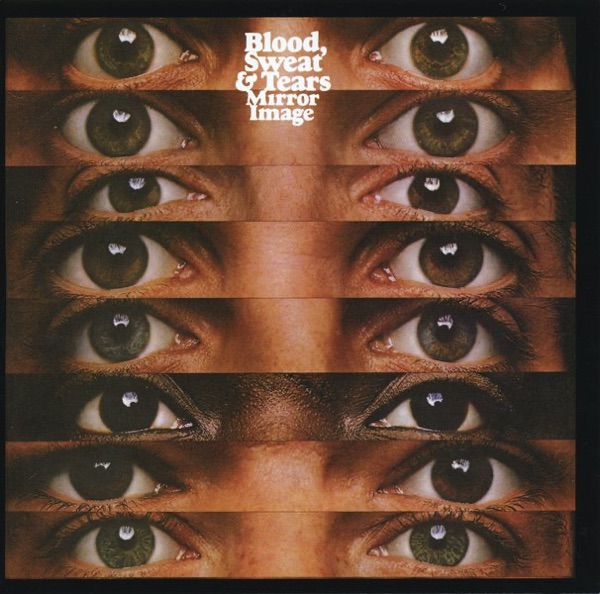
Mirror Image
1974 · 11 tracks
- 1 Tell Me That I'm Wrong ↗ 2:28
- 2 Look Up to the Sky ↗ 4:40
- 3 Love Looks Good On You (You're Candy Sweet) ↗ 3:21
- 4 Hold On to Me ↗ 4:11
- 5 Thinking of You ↗ 4:27
- 6 Are You Satisfied ↗ 4:00
- 7 Movement I: Maglomania ↗ 2:35
- 8 Movement II: Mirror Image ↗ 3:32
- 9 Movement III: South Mountain Shuffle ↗ 2:46
- 10 Movement IV: Rock Reprise ↗ 2:18
- 11 She's Coming Home ↗ 3:12
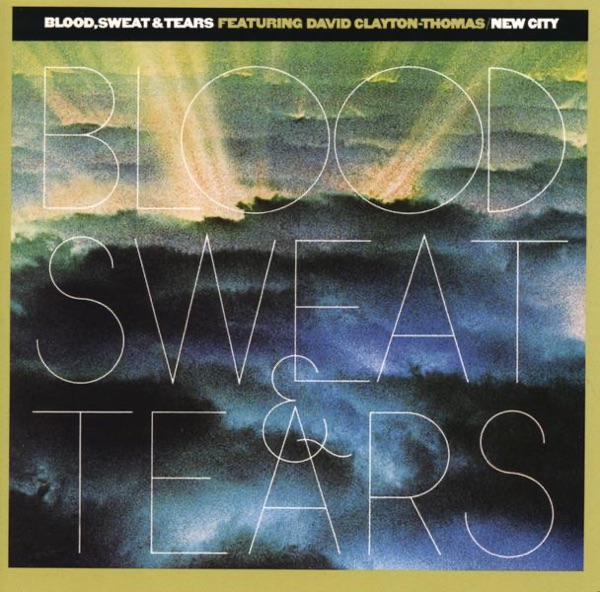
New City
1975 · 10 tracks

-
 Blood, Sweat & TearsBlood, Sweat & Tears196812 tracks
 -
 Child Is Father to the ManBlood, Sweat & Tears196815 tracks
 -
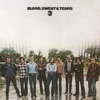 Blood, Sweat & Tears 3Blood, Sweat & Tears197010 tracks
 -
 B, S & T; 4Blood, Sweat & Tears197112 tracks
 -
 New BloodBlood, Sweat & Tears19729 tracks
 -
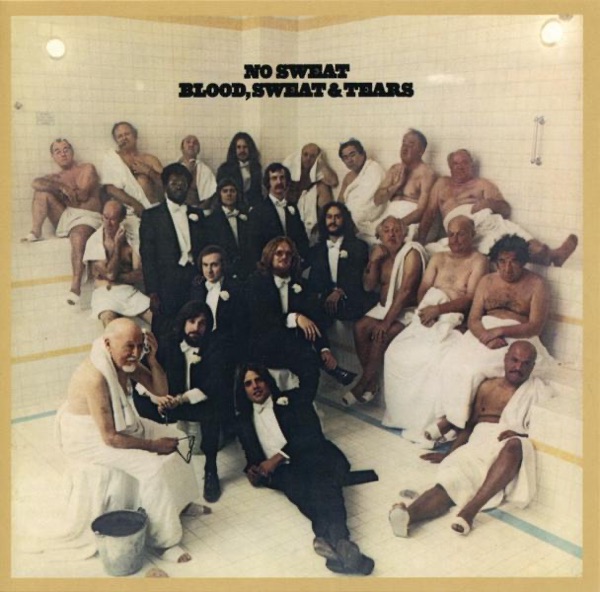
 No SweatBlood, Sweat & Tears197312 tracks
 -
 Mirror ImageBlood, Sweat & Tears197411 tracks
 -
 New CityBlood, Sweat & Tears197510 tracks
 -
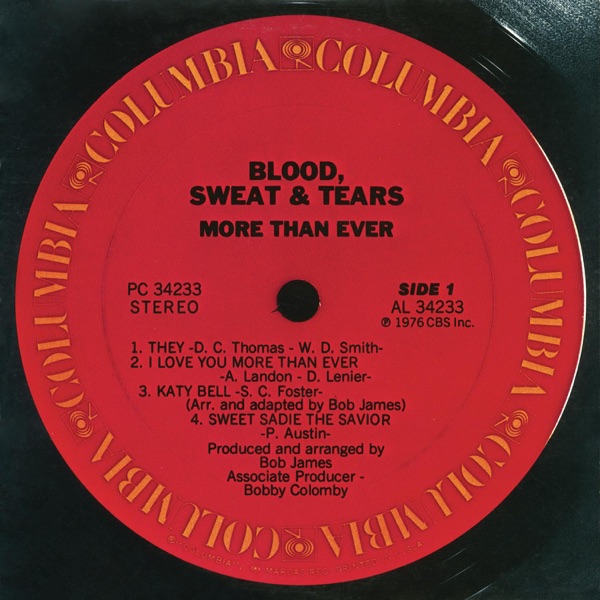
 More Than EverBlood, Sweat & Tears19768 tracks
 -
 Nuclear BluesBlood, Sweat & Tears19806 tracks
Deep Dive
Overview
Blood, Sweat & Tears stands as one of the most ambitious and genre-defying acts to emerge from the late 1960s rock scene. Founded in New York City in 1967, the band pioneered a sound that grafted big band jazz orchestration onto rock and pop song structures, creating a hybrid idiom that would influence decades of rock, fusion, and progressive music. By placing a full brass section—horns, trombone, trumpet—at the center of a rock band’s architecture, BS&T fundamentally challenged the three-piece guitar-bass-drums template that had dominated rock music since the 1950s.
Formation Story
Blood, Sweat & Tears coalesced in New York City in 1967, a moment when rock and jazz were beginning to dissolve into each other at the margins of both worlds. Al Kooper, one of the band’s founding members, helped establish the ensemble’s foundational vision: a rock band with horns and orchestral depth. The lineup that would define the early sound crystallized when David Clayton-Thomas joined in 1968, bringing a blues-inflected vocal presence that became the band’s signature voice. Bobby Colomby, present since the group’s inception, provided drumming and remained a constant through the band’s numerous personnel shifts. The New York City location was deliberate—the city’s long tradition of jazz, combined with its emerging rock scene, provided both the cultural context and the pool of accomplished brass players necessary to realize Kooper’s concept.
Breakthrough Moment
The band’s commercial and critical breakthrough arrived swiftly with their second album, Child Is Father to the Man in 1968, which demonstrated their ability to fuse soul-inflected pop songwriting with orchestral jazz arrangements. However, the 1970 release of their self-titled third album, Blood, Sweat & Tears 3, solidified their position as a major force in rock music. The album’s success proved that audiences were receptive to music that married rock energy with jazz complexity and sophisticated horn arrangements. This period marked the transition from cult novelty to mainstream recognition, establishing the template that would sustain the band through the 1970s.
Peak Era
The early 1970s represented Blood, Sweat & Tears’ most commercially dominant and creatively assured period. Between 1970 and 1974, the band released five studio albums—Blood, Sweat & Tears 3 (1970), B, S & T; 4 (1971), New Blood (1972), No Sweat (1973), and Mirror Image (1974)—that cemented their status as one of rock’s most distinctive and commercially viable acts. During this stretch, the band refined its approach to blending rock sensibilities with jazz musicianship, exploring variations of soul-rock, funk-influenced arrangements, and pop hooks anchored by elaborate horn sections. Clayton-Thomas’s vocals remained the consistent focal point, delivering performances that ranged from bluesy wail to smooth, controlled pop phrasing depending on the song’s emotional terrain.
Musical Style
Blood, Sweat & Tears created a sound that was fundamentally cosmopolitan and genre-transcendent. At its core lay the marriage of rock and jazz traditions: the rhythm section operated with rock’s directness and propulsive energy, but the brass arrangement—trumpet, trombone, saxophone—moved with the fluid sophistication of jazz big bands. Their approach incorporated elements of soul and R&B, particularly in the grooves and vocal phrasing, creating a synthesis that appealed across demographic lines. Rhythmically, the band favored groove-oriented, funk-tinged patterns that gave the songs an undeniable propulsive force, while harmonically they often employed jazz voicings and chord extensions that would have been rare in straight rock contexts. Clayton-Thomas’s voice—raspy, soulful, and capable of considerable range—became the band’s tonal anchor, while the horn section provided textural color and harmonic sophistication that elevated even relatively simple pop songs into more complex arrangements.
Major Albums
Child Is Father to the Man (1968)
The band’s second release showcased Al Kooper’s vision of rock-jazz fusion and contained some of their most artistically adventurous material, establishing the conceptual framework for everything that followed.
Blood, Sweat & Tears 3 (1970)
This self-titled third album became the band’s breakthrough to mainstream success, proving that the fusion of rock and jazz orchestration could achieve broad commercial appeal without sacrificing musical substance.
B, S & T; 4 (1971)
Released the following year, this album continued the band’s exploration of funk and soul influences within the jazz-rock framework, demonstrating their ability to evolve within their established sound.
New Blood (1972)
The band’s fifth studio album showed them integrating soul and R&B sensibilities more overtly, with arrangements that leaned toward groove and funk while maintaining the brass orchestration that defined their approach.