
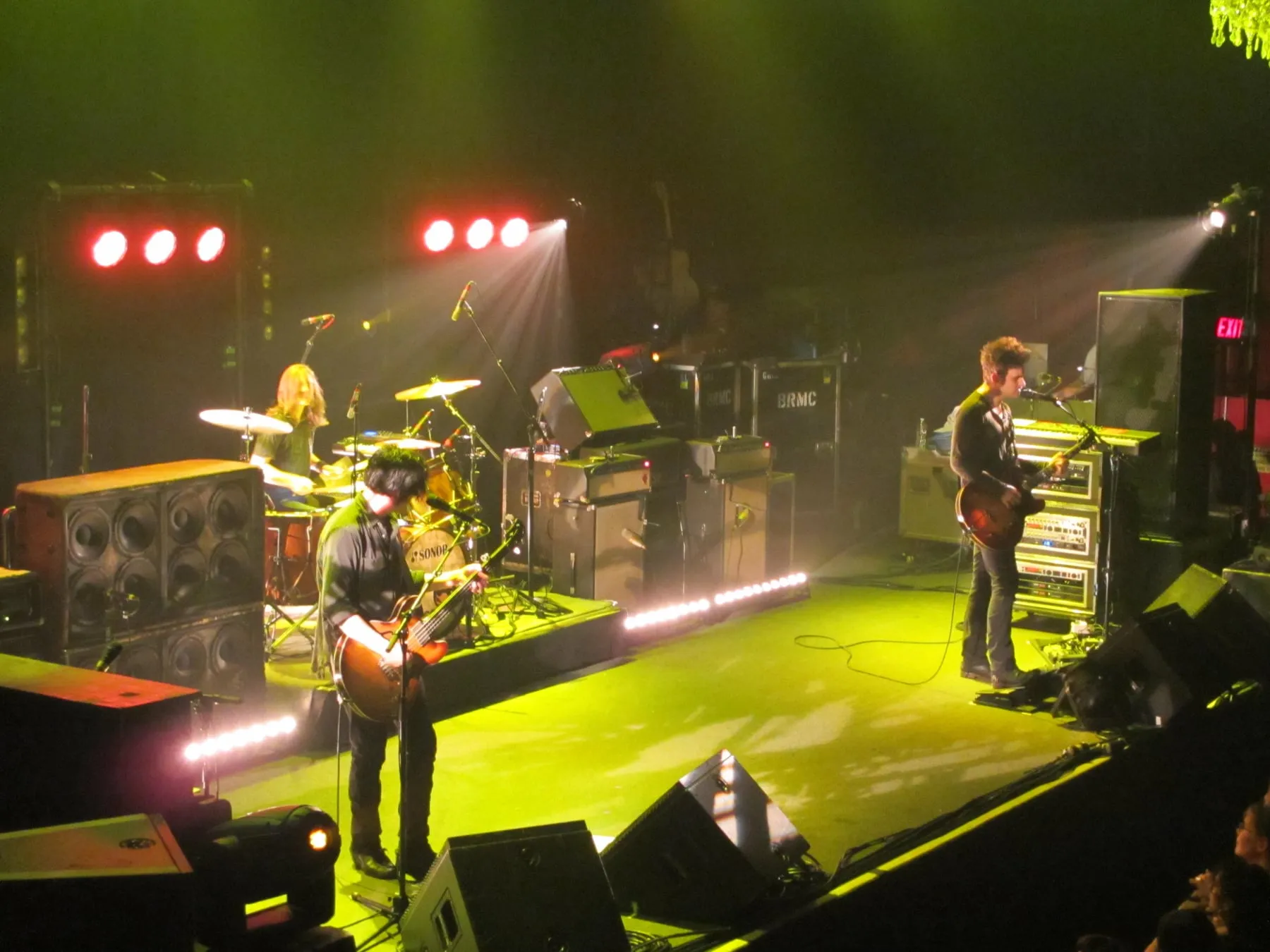
Photo by Swimfinfan , licensed under CC BY-SA 2.0 · Wikimedia Commons
Rank #313
Black Rebel Motorcycle Club
From Wikipedia
Black Rebel Motorcycle Club is an American rock band from San Francisco, California. The group originally consisted of Peter Hayes, Robert Levon Been, and Nick Jago (drums). Jago departed the band in 2008 and was replaced by Leah Shapiro.
Members
- Leah Shapiro (2008–present)
- Nick Jago (?–2008)
- Peter Hayes
- Robert Levon Been
Discography & Previews
Browse through and click an album to open and play 30-second previews streamed from Apple Music.

B.R.M.C.
2001 · 17 tracks
- 1 Love Burns ↗ 4:06
- 2 Red Eyes and Tears ↗ 4:00
- 3 Whatever Happened To My Rock 'N' Roll (Punk Song) ↗ 4:38
- 4 Awake ↗ 6:12
- 5 White Palms ↗ 4:55
- 6 As Sure As the Sun ↗ 5:53
- 7 Take My Time/Rifles ↗ 7:04
- 8 Too Real ↗ 4:55
- 9 Spread Your Love ↗ 3:45
- 10 Head Up High ↗ 5:36
- 11 Salvation ↗ 6:07
- 12 At My Door ↗ 3:33
- 13 Screaming Gun ↗ 4:43
- 14 Tonight's With You ↗ 5:33
- 15 Loaded Gun ↗ 6:08
- 16 The Weight Is More ↗ 3:23
- 17 Simple Words ↗ 4:11
B.R.M.C.
2001 · 17 tracks
- 1 Love Burns ↗ 4:06
- 2 Red Eyes and Tears ↗ 4:00
- 3 Whatever Happened To My Rock 'N' Roll (Punk Song) ↗ 4:38
- 4 Awake ↗ 6:12
- 5 White Palms ↗ 4:55
- 6 As Sure As the Sun ↗ 5:53
- 7 Take My Time/Rifles ↗ 7:04
- 8 Too Real ↗ 4:55
- 9 Spread Your Love ↗ 3:45
- 10 Head Up High ↗ 5:36
- 11 Salvation ↗ 6:07
- 12 At My Door ↗ 3:33
- 13 Screaming Gun ↗ 4:43
- 14 Tonight's With You ↗ 5:33
- 15 Loaded Gun ↗ 6:08
- 16 The Weight Is More ↗ 3:23
- 17 Simple Words ↗ 4:11
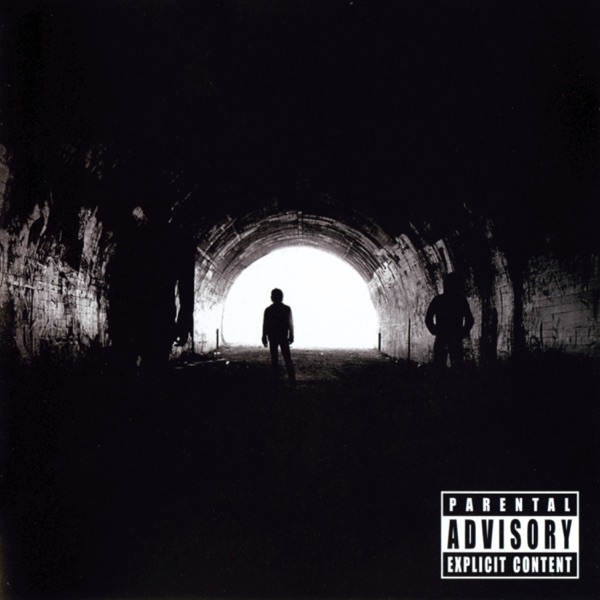
Take Them On, on Your Own
2003 · 12 tracks

Howl
2005 · 14 tracks
- 1 Shuffle Your Feet ↗ 2:54
- 2 Howl ↗ 4:20
- 3 Devil's Waitin' ↗ 3:51
- 4 Ain't No Easy Way ↗ 2:37
- 5 Still Suspicion Holds You Tight ↗ 4:25
- 6 Fault Line ↗ 2:57
- 7 Promise ↗ 4:46
- 8 Weight of the World ↗ 3:41
- 9 Restless Sinner ↗ 3:12
- 10 Gospel Song ↗ 4:31
- 11 Complicated Situation ↗ 2:37
- 12 Sympathetic Noose ↗ 4:17
- 13 The Line ↗ 5:07
- 14 Open Invitation ↗ 3:15
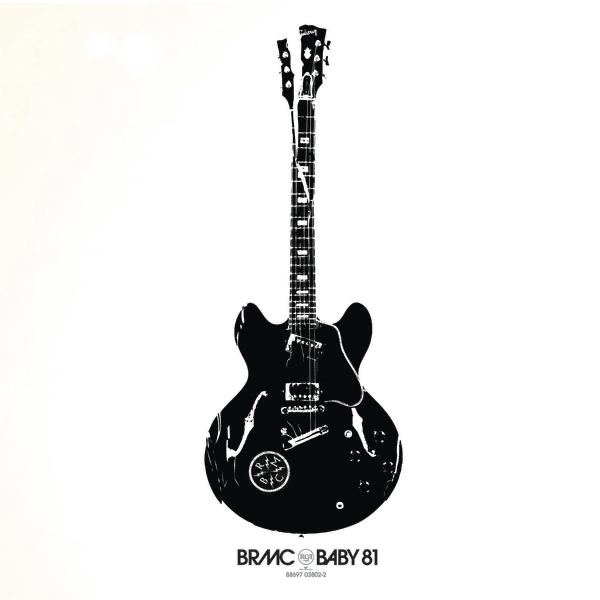
Baby 81
2007 · 14 tracks
- 1 Took Out a Loan ↗ 4:15
- 2 Berlin ↗ 3:11
- 3 Weapon of Choice ↗ 2:49
- 4 Windows ↗ 6:06
- 5 Cold Wind ↗ 4:18
- 6 Not What You Wanted ↗ 3:43
- 7 666 Conducer ↗ 3:59
- 8 All You Do Is Talk ↗ 5:41
- 9 Lien On Your Dreams ↗ 4:36
- 10 Need Some Air ↗ 4:04
- 11 Killing the Light ↗ 3:55
- 12 American X ↗ 9:11
- 13 Am I Only ↗ 4:26
- 14 The Likes of You ↗ 5:21

Beat the Devil’s Tattoo
2010 · 14 tracks
- 1 Beat the Devil's Tattoo ↗ 3:46
- 2 Conscience Killer ↗ 3:45
- 3 Bad Blood ↗ 5:11
- 4 War Machine ↗ 3:59
- 5 Sweet Feeling ↗ 3:27
- 6 Evol ↗ 5:54
- 7 Mama Taught Me Better ↗ 4:46
- 8 River Styx ↗ 3:56
- 9 The Toll ↗ 3:39
- 10 Aya ↗ 5:39
- 11 Shadow's Keeper ↗ 6:12
- 12 Long Way Down ↗ 4:33
- 13 Half-State ↗ 10:20
- 14 1:51 ↗ 5:41

Specter at the Feast
2013 · 15 tracks
- 1 Fire Walker ↗ 6:24
- 2 Let the Day Begin ↗ 4:07
- 3 Returning ↗ 5:34
- 4 Lullaby ↗ 4:36
- 5 Hate the Taste ↗ 3:51
- 6 Rival ↗ 3:37
- 7 Teenage Disease ↗ 3:23
- 8 Some Kind of Ghost ↗ 3:51
- 9 Sometimes the Light ↗ 3:21
- 10 Funny Games ↗ 4:39
- 11 Sell It ↗ 6:47
- 12 Lose Yourself ↗ 8:39
- 13 Warning Sign ↗ 5:55
- 14 The Knife ↗ 3:51
- 15 Angel Baby ↗ 4:26

Wrong Creatures
2018 · 12 tracks
-
 B.R.M.C.Black Rebel Motorcycle Club200117 tracks
 - B.R.M.C.Black Rebel Motorcycle Club200117 tracks
-
 Take Them On, on Your OwnBlack Rebel Motorcycle Club200312 tracks
 -
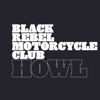 HowlBlack Rebel Motorcycle Club200514 tracks
 -
 Baby 81Black Rebel Motorcycle Club200714 tracks
 -
 Beat the Devil’s TattooBlack Rebel Motorcycle Club201014 tracks
 -
 Specter at the FeastBlack Rebel Motorcycle Club201315 tracks
 -
 Wrong CreaturesBlack Rebel Motorcycle Club201812 tracks
Deep Dive
Overview
Black Rebel Motorcycle Club emerged from San Francisco in 1998 as an alternative rock band that bridged the energy of post-grunge guitar rock with the textural and atmospheric tendencies of contemporary indie music. The band—Peter Hayes, Robert Levon Been, and drummer Nick Jago—arrived at a moment when American rock was fragmenting into countless subgenres, and BRMC staked their territory in the darker, more guitar-forward corners of the alternative landscape. Over more than two decades of recording and touring, the group has maintained a core sound rooted in amplified instrumentation and visceral songwriting while navigating shifts in membership and the broader rock ecosystem.
Formation Story
Black Rebel Motorcycle Club was founded in 1998 in Los Angeles, though the band would become closely associated with San Francisco’s rock community. Peter Hayes and Robert Levon Been formed the core songwriting partnership, with Nick Jago completing the original trio on drums. The three-piece format—guitar, bass, and drums with occasional vocal layering—became their signature live presentation. Emerging at the tail end of the 1990s, BRMC drew from the heavy guitar traditions of hard rock and punk while absorbing the introspective production values and experimental sensibilities that defined contemporary alternative rock. The band signed to Vagrant Records, an independent label with a reputation for artist development and alternative credibility.
Breakthrough Moment
Black Rebel Motorcycle Club’s self-titled debut album arrived in 2001, announcing the band with a raw, guitar-driven sound that stood apart from both mainstream alt-rock and the prevalent post-punk revival of the era. The album established their core aesthetic: distorted bass lines, layered guitars, and the dual-vocal interplay between Hayes and Been. Following the success of that initial statement, the band continued building momentum through touring and word-of-mouth reputation. By the mid-2000s, albums like Howl (2005) and Baby 81 (2007) solidified their standing as serious practitioners of guitar-based alternative rock, a genre that had receded from mainstream visibility but retained a devoted audience among critics and committed listeners.
Peak Era
The period from 2005 to 2010 represented Black Rebel Motorcycle Club’s most prolific and musically expansive phase. Howl, Baby 81, The Effects of 333 (2008), and Beat the Devil’s Tattoo (2010) showcased a band comfortable experimenting with production techniques, song structures, and sonic textures while remaining anchored to their fundamental identity. This was also the era that saw Nick Jago’s departure from the group in 2008, with Leah Shapiro taking over drums, a transition that allowed the band to continue without losing creative momentum. The band toured extensively during these years, building a devoted fanbase through relentless live performance and maintaining a presence in rock’s underground and independent spaces.
Musical Style
Black Rebel Motorcycle Club’s sound is built on heavy, often distorted guitars and prominent bass lines that drive the songs forward with a blues-inflected heaviness. The band employs layered vocal textures, often having multiple voices move in and out of the mix, creating a sense of depth and atmosphere that belies the relative simplicity of their three-piece instrumentation. Their approach to alternative rock avoids the pop-song accessibility of mainstream acts, instead leaning toward darker moods, angular song structures, and a preference for texture and mood over immediate hooks. The drums anchor everything with a utilitarian but propulsive style, particularly evident in the live setting where the band’s energy is most visceral. Across their catalog, production choices have ranged from raw and immediate to more layered and studio-crafted, but the core DNA remains constant: amplified guitars as the primary vehicle for emotional expression, songwriting that privileges atmosphere and intensity over conventional verse-chorus-verse structures.
Major Albums
B.R.M.C. (2001)
The self-titled debut introduced Black Rebel Motorcycle Club’s signature sound of distorted bass, layered guitars, and dual vocals, establishing them as an important voice in early-2000s alternative rock.
Take Them On, on Your Own (2003)
Their second full-length reinforced and refined their approach, demonstrating that the 2001 debut was not a one-off statement but the foundation of a coherent artistic vision.
Howl (2005)
This album marked a shift toward greater production sophistication and sonic experimentation while maintaining the band’s core guitar-driven identity and intensity.
Baby 81 (2007)
One of their most acclaimed records, Baby 81 balanced accessibility with the band’s darker impulses, showcasing their ability to write memorable songs without sacrificing atmospheric depth.
Beat the Devil’s Tattoo (2010)
Released two years after the drummer change, this album proved the band’s resilience and adaptability, with Leah Shapiro’s drumming bringing fresh energy to the group’s established sound.
Signature Songs
- “Whatever Happened to My Rock and Roll” — An anthemic statement of purpose that articulates the band’s commitment to guitar-based rock during a period of mainstream genre fragmentation.
- “Spread Your Love” — A showcase for the band’s ability to construct dark, brooding songs that build in intensity and atmosphere.
- “Ain’t No Easy Way” — A song that distills BRMC’s core aesthetic into a compact, memorable statement.
- “Too Real” — Demonstrates the band’s skill at layering vocals and guitars to create a sense of urgency and emotional weight.
Influence on Rock
Black Rebel Motorcycle Club arrived at a moment when guitar-based rock had fragmented into highly specialized camps, and they helped maintain the viability of a more eclectic approach to the form. Rather than strictly adhering to any single subgenre, the band drew from hard rock, post-punk, psychedelia, and indie rock, demonstrating that alternative rock could encompass a wide range of influences while maintaining a unified vision. They influenced subsequent generations of alternative and underground rock bands who similarly sought to balance heaviness and atmosphere, textural sophistication and raw energy. At a time when rock music’s cultural dominance was waning, BRMC’s refusal to chase trends or move toward commercial compromise earned them respect among critics and musicians navigating the post-grunge landscape.
Legacy
Black Rebel Motorcycle Club has maintained continuous activity for over two decades, releasing Specter at the Feast (2013) and Wrong Creatures (2018) well into the 2010s, a testament to their durability in an industry often hostile to uncompromising guitar rock. The band’s presence on streaming platforms and their sustained touring schedule have allowed them to reach new audiences while maintaining connections with longtime supporters. Their influence appears in the work of contemporary alternative and indie rock bands who have adopted their model of bass-forward production and atmospheric depth. The band’s decision to remain independent-minded and resistant to mainstream trends has paradoxically secured their position as respected figures in rock music history, representing a particular lineage of artistic integrity within the broader alternative rock tradition.
Fun Facts
- Black Rebel Motorcycle Club shared their name inspiration with outlaw motorcycle culture, channeling that rebellious aesthetic into their guitar-based rock approach.
- The band’s reliance on a three-piece format created a particularly intimate relationship between the three musicians, with the 2008 drummer change demonstrating both continuity and openness to evolution.
- Nick Jago’s departure after a decade of collaboration showed the band’s willingness to adapt rather than dissolve, with Leah Shapiro’s entry bringing new perspectives to their established sound.
- The band’s nearly two-decade hiatus between albums Wrong Creatures (2018) and their later work reflects the realities of sustaining a guitar rock band in the streaming era without mainstream radio support.