
Rank #304
Architects
From Wikipedia
Architects are an American rock band from Kansas City, Missouri. The band was formed by previous members of the punk and ska band The Gadjits, brothers Brandon, Adam, and Zach Phillips, and Mike Alexander.
Discography & Previews
Browse through and click an album to open and play 30-second previews streamed from Apple Music.
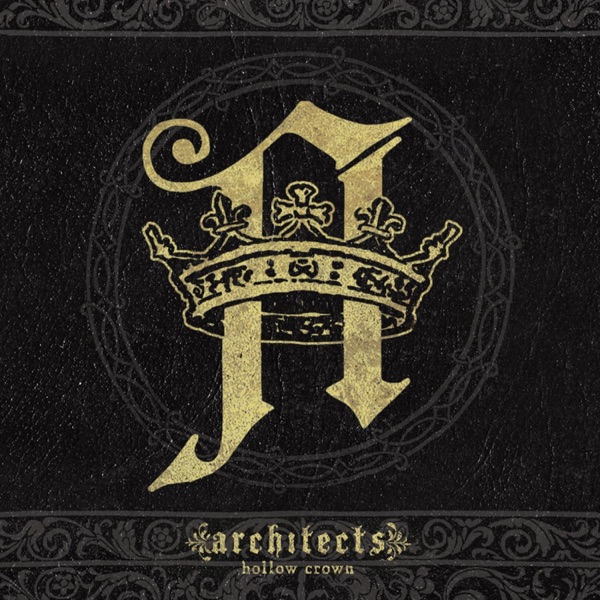
Hollow Crown
2009 · 12 tracks
- 1 Early Grave ↗ 3:32
- 2 Dethroned ↗ 3:07
- 3 Numbers Count for Nothing ↗ 3:50
- 4 Follow the Water ↗ 3:41
- 5 In Elegance ↗ 4:17
- 6 We're All Alone ↗ 3:01
- 7 Borrowed Time ↗ 2:30
- 8 Every Last Breath ↗ 3:29
- 9 One of These Days ↗ 2:34
- 10 Dead March ↗ 3:47
- 11 Left with a Last Minute ↗ 2:58
- 12 Hollow Crown ↗ 4:25

Daybreaker
2012 · 15 tracks
- 1 The Bitter End ↗ 2:55
- 2 Alpha Omega ↗ 3:56
- 3 These Colours Don't Run ↗ 4:01
- 4 Daybreak ↗ 3:33
- 5 Truth, Be Told ↗ 4:31
- 6 Even If You Win, You're Still a Rat ↗ 3:13
- 7 Outsider Heart ↗ 3:28
- 8 Behind the Throne ↗ 4:09
- 9 Devil's Island ↗ 4:07
- 10 Feather of Lead ↗ 2:50
- 11 Unbeliever ↗ 4:44
- 12 Black Blood ↗ 4:34
- 13 Cracks In the Earth ↗ 3:21
- 14 Blood Bank ↗ 5:15
- 15 Of Dust and Nations ↗ 3:43
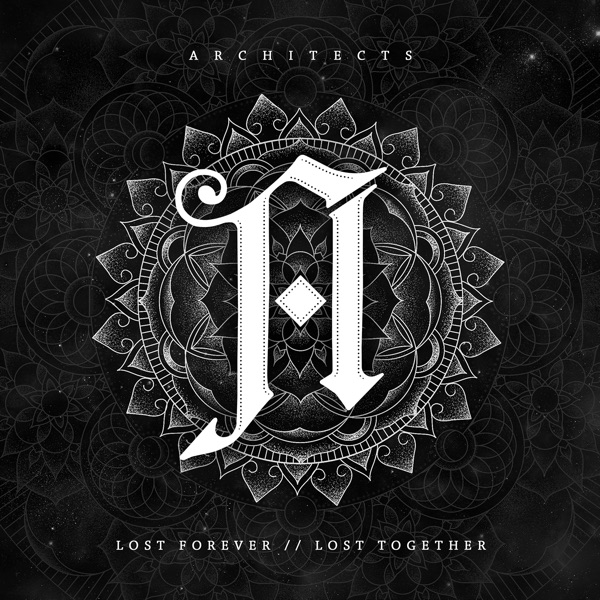
Lost Forever // Lost Together
2014 · 11 tracks

All Our Gods Have Abandoned Us
2016 · 11 tracks


For Those That Wish to Exist
2021 · 15 tracks
- 1 Do You Dream of Armageddon? ↗ 1:39
- 2 Black Lungs ↗ 3:51
- 3 Giving Blood ↗ 3:32
- 4 Discourse Is Dead ↗ 3:47
- 5 Dead Butterflies ↗ 4:02
- 6 An Ordinary Extinction ↗ 4:08
- 7 Impermanence ↗ 4:02
- 8 Flight Without Feathers ↗ 3:49
- 9 Little Wonder ↗ 3:48
- 10 Animals ↗ 4:04
- 11 Libertine ↗ 4:02
- 12 Goliath ↗ 4:18
- 13 Demi God ↗ 4:27
- 14 Meteor ↗ 4:01
- 15 Dying Is Absolutely Safe ↗ 4:59

the classic symptoms of a broken spirit
2022 · 11 tracks

The Sky, the Earth & All Between
2025 · 12 tracks
-
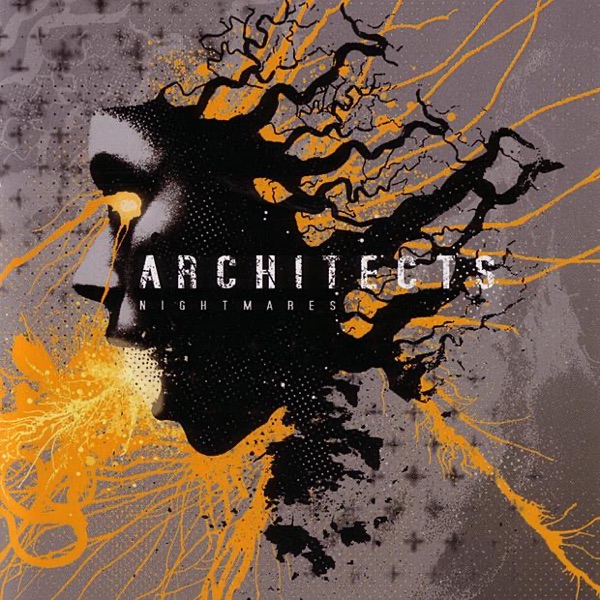
 NightmaresArchitects20068 tracks
 -
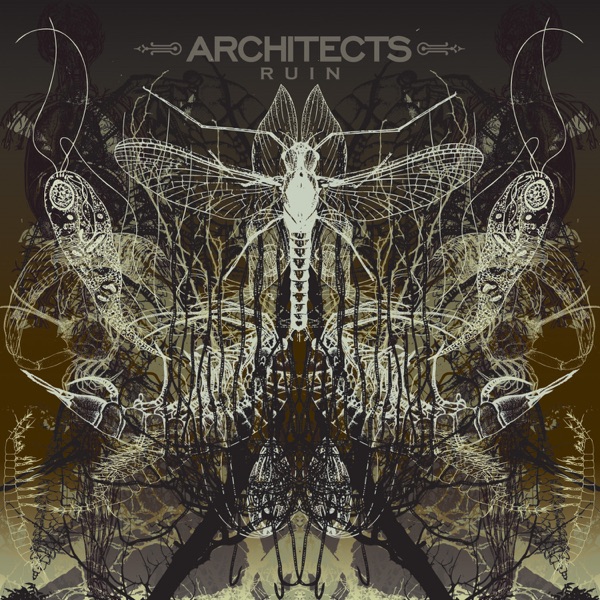
 RuinArchitects200812 tracks
 -
 Hollow CrownArchitects200912 tracks
 -
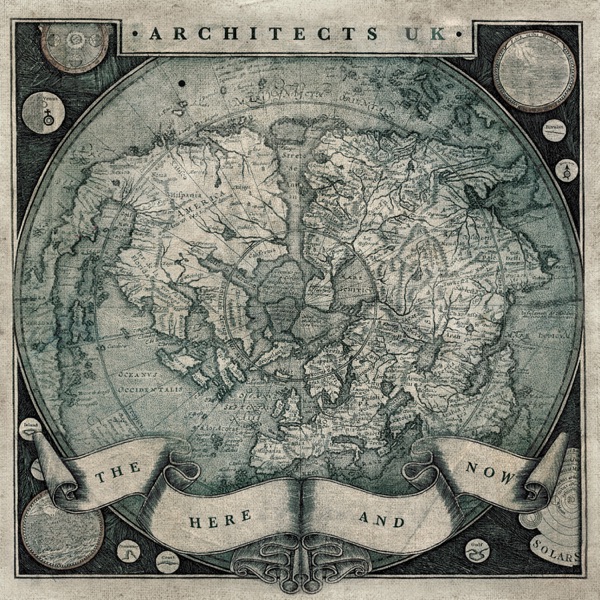
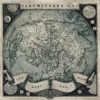 The Here and NowArchitects201110 tracks
 -
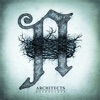 DaybreakerArchitects201215 tracks
 -
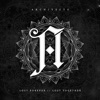 Lost Forever // Lost TogetherArchitects201411 tracks
 -
 All Our Gods Have Abandoned UsArchitects201611 tracks
 -
 Holy HellArchitects201811 tracks
 -
 For Those That Wish to ExistArchitects202115 tracks
 -
 the classic symptoms of a broken spiritArchitects202211 tracks
 -
 The Sky, the Earth & All BetweenArchitects202512 tracks
Deep Dive
Overview
Architects are an American post-hardcore and metalcore band from Kansas City, Missouri, formed in 2004 by brothers Brandon, Adam, and Zach Phillips alongside Mike Alexander. The band emerged from the dissolution of The Gadjits, a punk and ska outfit, and transformed that foundation into something heavier and more introspective. Over two decades, they have built a catalog spanning eleven studio albums, each marking incremental shifts in songwriting approach, production sophistication, and thematic depth. They represent a significant thread in the post-hardcore underground that developed parallel to but distinct from mainstream metalcore trends.
Formation Story
Architects took shape in Kansas City in 2004 when three brothers—Brandon, Adam, and Zach Phillips—along with Mike Alexander, dissolved their previous project, The Gadjits, a punk and ska band, and opted to pursue a heavier sound. The Phillips brothers brought songwriting chemistry and vocal experience from their prior work, while Alexander anchored the rhythm section. Kansas City, while not a primary breeding ground for metalcore in the mid-2000s, had a working underground rock scene that allowed the band to develop their craft away from the coasts’ more saturated markets. This geographic position partly insulated them from immediate trend-chasing pressures and gave them space to refine a sound that would feel both urgent and considered.
Breakthrough Moment
Architects’ first album, Nightmares (2006), announced their arrival with a raw, unpolished energy that caught attention within the post-hardcore community. Two years later, Ruin (2008) deepened their approach, showing clearer songwriting architecture and thematic coherence. However, their genuine watershed came with Hollow Crown (2009), released a year after Ruin. This album demonstrated a significant leap in production quality and compositional maturity, establishing them as more than a local band with regional appeal. Hollow Crown circulated widely through underground networks and streaming platforms, introducing Architects to a broader audience beyond the Midwest and cementing their status as a band worthy of close attention from post-hardcore followers and critics alike.
Peak Era
The period from 2011 through 2016 marked Architects’ creative and commercial zenith. The Here and Now (2011) and Daybreaker (2012) saw the band experimenting with structure and dynamics, pushing beyond straightforward heaviness into more nuanced territory. Lost Forever // Lost Together (2014) continued this trajectory, and then All Our Gods Have Abandoned Us (2016) emerged as perhaps their most ambitious statement—a record that balanced crushing instrumental passages with introspective lyrics and sophisticated arrangements. Throughout this span, the band toured extensively, built a dedicated fanbase, and established themselves as touring fixtures on the post-hardcore circuit, capable of headlining mid-sized venues and festival appearances.
Musical Style
Architects operate within the post-hardcore and metalcore framework but have consistently resisted formula. Their sound is characterized by heavy, syncopated riffs driven by precise drumming, layered with clean and distorted vocal passages that often shift between harsh screams and melodic singing within a single song. Early albums leaned harder into chaotic, math-rock-influenced breakdowns, while later work incorporated more expansive production, atmospheric passages, and melodic hooks without sacrificing heaviness. The Phillips brothers’ vocal interplay became a signature element—trading lines, harmonizing, and creating tension through contrast. Lyrically, the band gravitates toward themes of existential uncertainty, loss, and internal conflict, mirroring the musical tension between chaos and structure that defines their instrumental approach.
Major Albums
Nightmares (2006)
The debut introduced Architects’ raw, unrefined take on post-hardcore, establishing core songwriting sensibilities and the vocal dynamic that would define the band’s identity.
Hollow Crown (2009)
A marked advance in production and songwriting clarity, Hollow Crown elevated Architects from promising locals to a band deserving national attention within underground circles.
The Here and Now (2011)
This album demonstrated increasing confidence in dynamic range and structural experimentation, signaling the band’s evolution beyond their debut era.
Lost Forever // Lost Together (2014)
A statement of artistic ambition, combining technical proficiency with emotional directness and showcasing the band at peak compositional sophistication.
All Our Gods Have Abandoned Us (2016)
Widely regarded as a career highlight, this album integrated atmospheric production with heavy instrumentation and showcased the band’s most accomplished songwriting to date.
Holy Hell (2018)
Continuing momentum from All Our Gods Have Abandoned Us, this record demonstrated sustained creative vitality and further refinement of the band’s established aesthetic.
Signature Songs
- “An Open Letter to Myself” — A standout from their mid-period work, featuring some of the band’s most effective vocal interplay between clean and harsh delivery.
- “Royal Beggars” — Demonstrates the band’s gift for building dynamic tension from quiet, introspective passages into crushing instrumental moments.
- “Early Grave” — Exemplifies the thematic and musical sophistication that emerged during their peak era.
- “Hereafter” — Showcases the band’s ability to balance accessibility with experimental structuring and complex arrangements.
Influence on Rock
While not as commercially omnipresent as some metalcore contemporaries, Architects have been instrumental in sustaining the post-hardcore underground and demonstrating that longevity in the genre is possible without mainstream radio play. They proved that a regional American band could build a substantial international following through consistent touring, thoughtful album releases, and refusal to simplify their sound for broader appeal. Their evolution across eleven studio albums has provided a template for post-hardcore bands seeking to develop artistically without losing their core identity. They have influenced younger post-hardcore and metalcore acts prioritizing compositional complexity and lyrical substance over pure heaviness.
Legacy
As of 2025, with the release of The Sky, the Earth & All Between, Architects remain active and creatively engaged, having sustained their project for over two decades in a genre often characterized by short lifespans. Their catalog—spanning from the raw Nightmares through the sophisticated arrangements of their 2010s output—constitutes a detailed map of post-hardcore’s evolution during a period when the genre’s mainstream profile fluctuated significantly. The band’s consistent presence on the touring circuit and their ability to maintain a dedicated fanbase positions them as one of post-hardcore’s more reliable long-term representatives. Their refusal to chase trends while maintaining artistic growth has earned respect within underground rock communities, securing their place as a significant if understated force in American post-hardcore.
Fun Facts
- The three Phillips brothers—Brandon, Adam, and Zach—form the creative core of the band, with their blood relation contributing to a deep musical chemistry and songwriting partnership unusual even within band dynamics.
- Architects have released eleven studio albums across two decades, demonstrating remarkable consistency and creative output without major lineup changes.
- The band’s official website, thearchitectsrock.com, has served as their primary direct connection to fans, predating and complementing their social media presence.
- Kansas City, not typically known as a post-hardcore or metalcore capital, produced one of the genre’s most enduring and respected bands, illustrating how important underground scenes exist well beyond the traditional genre epicenters.