
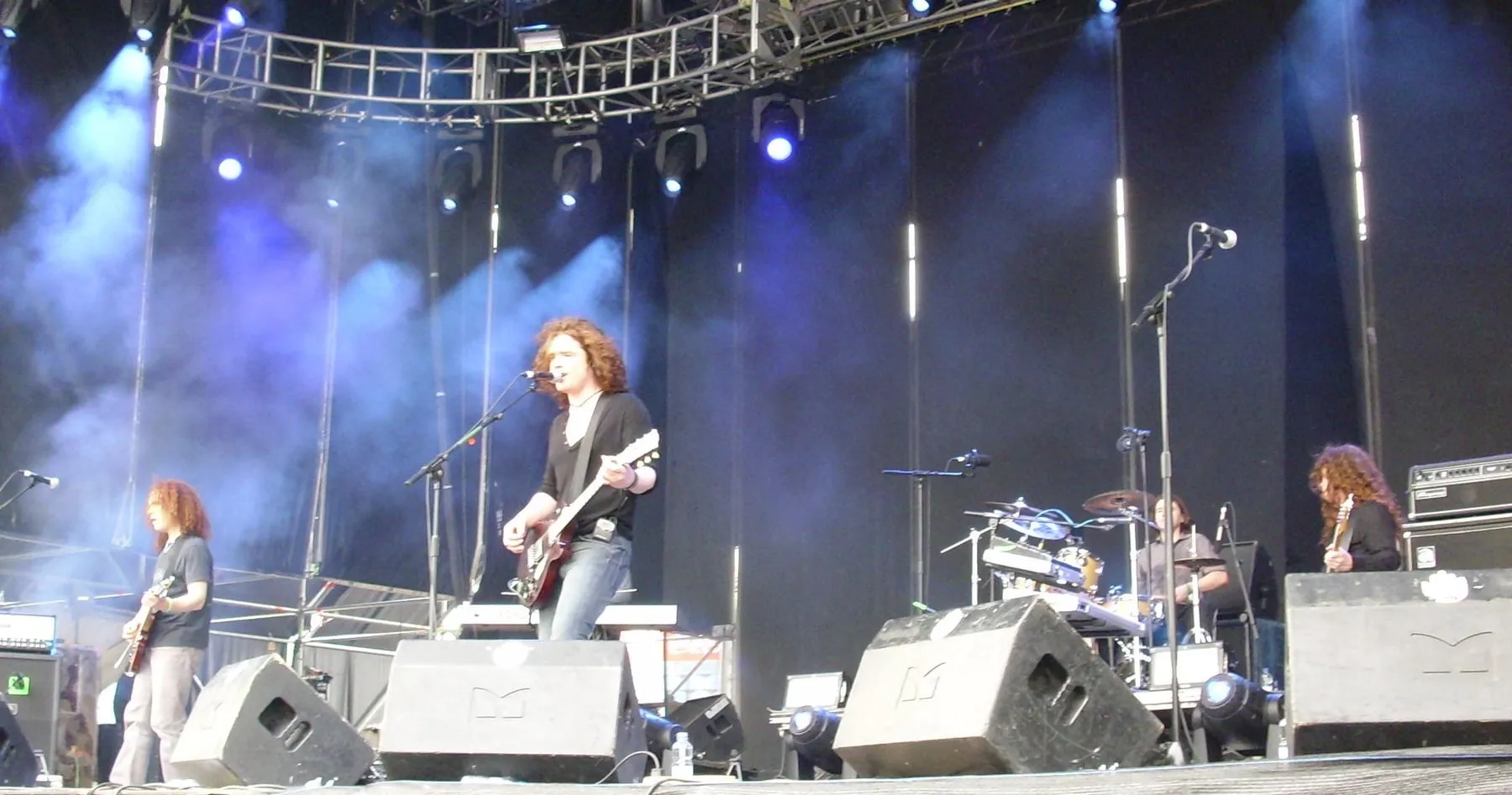
Photo by Mario from Madrid, Spain , licensed under CC BY 2.0 · Wikimedia Commons
Rank #487
Anathema
From Wikipedia
Anathema were an English rock band from Liverpool. The group was formed in 1990 by Vincent and Daniel Cavanagh, bassist Jamie Cavanagh, drummer/keyboardist John Douglas, and vocalist Darren White.
Members
- Daniel Cardoso
- Daniel Cavanagh
- Darren "Daz" White
- Dave Pybus
- Duncan Patterson
- James Cavanagh
- John Douglas
- Lee Douglas
- Les Smith
- Shaun Steels
- Vincent Cavanagh
Discography & Previews
Browse through and click an album to open and play 30-second previews streamed from Apple Music.
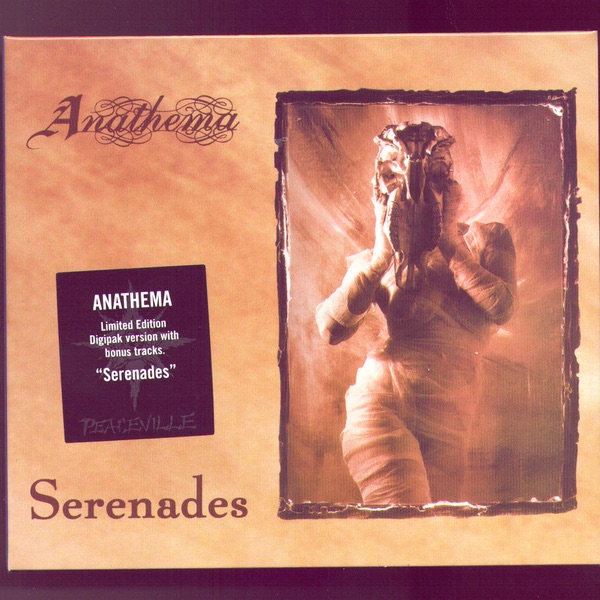
Serenades
1993 · 12 tracks
- 1 Lovelorn Rhapsody ↗ 6:23
- 2 Sweet Tears ↗ 4:13
- 3 J'ai Fait Une Promesse ↗ 2:39
- 4 They (Will Always) Die ↗ 7:15
- 5 Sleepless ↗ 4:11
- 6 Sleep In Sanity ↗ 6:52
- 7 Scars of the Old Stream ↗ 1:10
- 8 Under a Veil (Of Black Lace) ↗ 7:32
- 9 Where Shadows Dance ↗ 1:58
- 10 Eternal Rise of the Sun ↗ 6:38
- 11 Nailed to the Cross/666 ↗ 4:09
- 12 Dreaming: the Romance ↗ 23:24
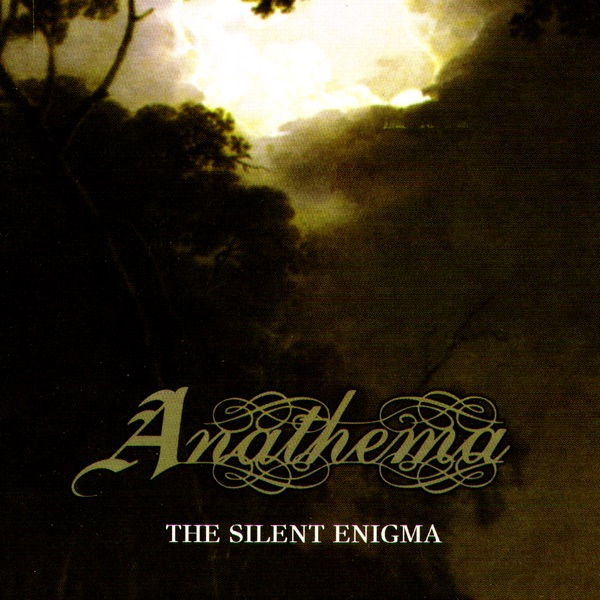
The Silent Enigma
1995 · 11 tracks

Eternity
1996 · 14 tracks
- 1 Sentient ↗ 3:01
- 2 Angelica ↗ 5:51
- 3 The Beloved ↗ 4:44
- 4 Eternity (Pt. 1) ↗ 5:35
- 5 Eternity (Pt. 2) ↗ 3:12
- 6 Hope ↗ 5:56
- 7 Suicide Veil ↗ 5:10
- 8 Radiance ↗ 5:52
- 9 Far Away ↗ 5:30
- 10 Cries on the Wind ↗ 5:01
- 11 Ascension ↗ 3:24
- 12 Far Away (Acoustic) ↗ 5:23
- 13 Eternity (Pt. 3) ↗ 5:08
- 14 Angelica (Live - Budapest 1997) ↗ 6:52
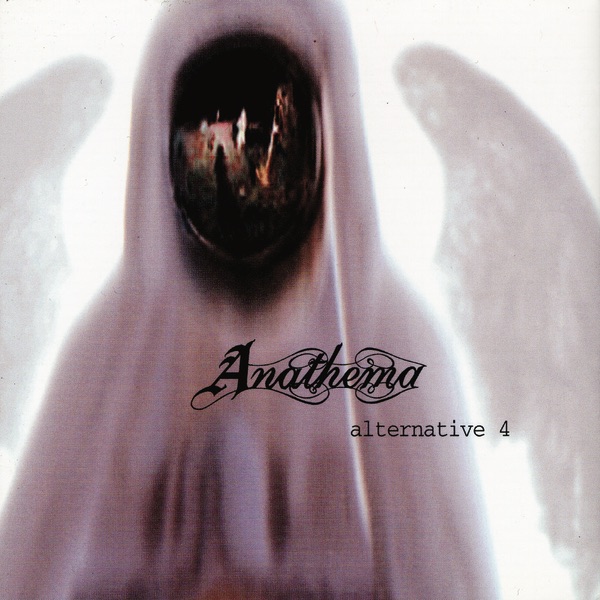
Alternative 4
1998 · 14 tracks
- 1 Shroud of False ↗ 1:37
- 2 Fragile Dreams ↗ 5:32
- 3 Empty ↗ 3:01
- 4 Lost Control ↗ 5:50
- 5 Re-Connect ↗ 3:52
- 6 Inner Silence ↗ 3:08
- 7 Alternative 4 ↗ 6:18
- 8 Regret ↗ 7:58
- 9 Feel ↗ 5:28
- 10 Destiny ↗ 2:15
- 11 Your Possible Pasts ↗ 4:29
- 12 One of the Few ↗ 1:51
- 13 Better Off Dead ↗ 4:23
- 14 Goodbye Cruel World ↗ 1:41

Judgement
1999 · 13 tracks
- 1 Deep (Remastered) ↗ 4:53
- 2 Pittless (Remastered) ↗ 3:11
- 3 Forgotten Hopes (Remastered) ↗ 3:50
- 4 Destiny is Dead (Remastered) ↗ 1:47
- 5 Make it Right (Remastered) ↗ 4:18
- 6 One Last Goodbye (Remastered) ↗ 5:24
- 7 Parisienne Moonlight (Remastered) ↗ 2:10
- 8 Judgement (Remastered) ↗ 4:20
- 9 Don't Look Too Far (Remastered) ↗ 4:56
- 10 Emotional Winter (Remastered) ↗ 5:55
- 11 Wings of God (Remastered) ↗ 6:29
- 12 Anyone, Anywhere (Remastered) ↗ 4:51
- 13 2000 & Gone (Remastered) ↗ 4:58

A Fine Day to Exit
2001 · 10 tracks
- 1 A Fine Day (Remastered) ↗ 3:35
- 2 Release (Remastered) ↗ 5:41
- 3 Leave No Trace (Remastered) ↗ 4:46
- 4 Underworld (Remastered) ↗ 4:12
- 5 Pressure (Remastered) ↗ 6:38
- 6 Panic (Remastered) ↗ 3:38
- 7 Breaking Down the Barriers (Remastered) ↗ 5:44
- 8 Looking Outside Inside (Remastered) ↗ 6:15
- 9 A Fine Day to Exit (Remastered) ↗ 6:49
- 10 Temporary Peace (Remastered) ↗ 15:16

A Natural Disaster
2003 · 10 tracks
- 1 Harmonium (Remastered) ↗ 5:28
- 2 Balance (Remastered) ↗ 3:58
- 3 Closer (Remastered) ↗ 6:21
- 4 Are You There? (Remastered) ↗ 4:58
- 5 Childhood Dream (Remastered) ↗ 2:11
- 6 Pulled Under at 2000 Metres a Second (Remastered) ↗ 5:23
- 7 A Natural Disaster (Remastered) ↗ 6:28
- 8 Flying (Remastered) ↗ 5:57
- 9 Electricity (Remastered) ↗ 3:52
- 10 Violence (Remastered) ↗ 10:55

Distant Satellites
2014 · 15 tracks
- 1 The Lost Song Part 1 ↗ 5:54
- 2 The Lost Song Part 2 ↗ 5:48
- 3 Dusk (Dark Is Descending) ↗ 6:00
- 4 Ariel ↗ 6:29
- 5 The Lost Song Part 3 ↗ 5:22
- 6 Anathema ↗ 6:41
- 7 You're Not Alone ↗ 3:27
- 8 Firelight ↗ 2:43
- 9 Distant Satellites ↗ 8:18
- 10 Take Shelter ↗ 6:07
- 11 The Lost Song Part 1 (Acoustic in Session - Liverpool Parr Street Studios) ↗ 5:58
- 12 Ariel (Acoustic in Session - Liverpool Parr Street Studios) ↗ 4:11
- 13 The Lost Song Part 3 (Acoustic in Session - Liverpool Parr Street Studios) ↗ 4:36
- 14 Firelight (Acoustic in Session - Liverpool Parr Street Studios) ↗ 2:21
- 15 Anathema (Live at Liverpool Cathedral) ↗ 7:15
-
 SerenadesAnathema199312 tracks
 -
 The Silent EnigmaAnathema199511 tracks
 -
 EternityAnathema199614 tracks
 -
 Alternative 4Anathema199814 tracks
 -
 JudgementAnathema199913 tracks
 -
 A Fine Day to ExitAnathema200110 tracks
 -
 A Natural DisasterAnathema200310 tracks
 -
 EverythingAnathema20071 track
 -
 Weather SystemsAnathema20129 tracks
 -
 Distant SatellitesAnathema201415 tracks
 -
 The OptimistAnathema201711 tracks
Deep Dive
Overview
Anathema are a British rock band from Liverpool who emerged in 1990 and have remained active across three decades. Rooted in the heavier end of the alternative and progressive spectrum, they evolved from death-doom and gothic metal origins into a more expansive progressive rock sound, blending orchestral arrangements, electronic textures, and introspective songwriting. Their long tenure and sustained output have established them as consistent explorers of tone and texture within rock music.
Formation Story
Anathema formed in Liverpool in 1990, coalescing around the Cavanagh brothers—Vincent and Daniel—alongside bassist Jamie Cavanagh, drummer and keyboardist John Douglas, and vocalist Darren White. Liverpool’s music heritage and its thriving underground metal and alternative scenes of the late 1980s provided fertile ground for the band’s emergence. The initial lineup combined the songwriting partnership of the Cavanagh brothers with Douglas’s rhythmic and keyboard contributions and White’s vocal presence, establishing a framework that would define their early work. This formation set the stage for a band that would release their first album within three years and develop a distinctive voice within the broader death-doom and gothic metal landscape of the era.
Breakthrough Moment
Anathema’s breakthrough came with the release of The Silent Enigma in 1995, their second album. Following the modest attention garnered by their debut Serenades two years earlier, The Silent Enigma expanded their songwriting scope and production ambition, establishing them as a significant voice in the death-doom and gothic metal underground. The album’s success on the independent and underground circuit, particularly in Europe, opened doors for touring and broader recognition. This period solidified their reputation beyond a regional phenomenon and attracted the attention of a growing fanbase drawn to their combination of heavy riffing and more melodic, introspective passages. The momentum built from The Silent Enigma through follow-up releases like Eternity (1996) demonstrated that the band’s vision resonated with audiences seeking substance and depth in their alternative and progressive metal.
Peak Era
Anathema’s creative and commercial peak extended from the late 1990s through the early 2010s. Albums such as Alternative 4 (1998), Judgement (1999), A Fine Day to Exit (2001), and A Natural Disaster (2003) saw the band systematically refining and expanding their sound, moving away from death-doom specificity toward a more nuanced progressive architecture. The release of Everything in 2007 marked a significant artistic statement, demonstrating the band’s willingness to venture further into expansive, orchestral territory. This era reached an apex with We’re Here Because We’re Here (2010) and Weather Systems (2012), albums that showcased Anathema at their most ambitious and emotionally direct, combining progressive rock structures with ambient passages, layered keyboards, and intricate vocal interplay. By this point, the band had become synonymous with a particular strain of philosophical, emotionally intelligent progressive rock that appealed to both longtime fans and newer audiences discovering them through extended touring and word-of-mouth.
Musical Style
Anathema’s sound drew from death-doom metal, gothic metal, and alternative rock but progressively embraced elements of art rock and electronic music. Their early work featured downtuned guitars, heavy riffs, and mournful vocals characteristic of the death-doom template, but even on Serenades and The Silent Enigma, melodic sensibility and keyboard layers distinguished them from more purely brutal contemporary acts. As the 1990s progressed, their arrangements became increasingly complex: layered vocal harmonies (often incorporating female vocal contributions), atmospheric keyboards, orchestral instrumentation, and production choices emphasizing space and restraint over heaviness. By the 2000s, songs expanded in length and emotional scope, with long instrumental passages and dynamic shifts replacing straightforward verse-chorus structures. Lyrically, the band favored introspective, often philosophical themes, and vocalist contributions became more diverse, with different members sharing lead duties. The production evolved toward clarity and precision, allowing individual instrumental voices to breathe within dense arrangements. This trajectory transformed them from a heavy-music act into something closer to a progressive art-rock ensemble, though one that retained the minor-key sensibilities and emotional weight of their origins.
Major Albums
The Silent Enigma (1995)
Anathema’s second album consolidated their emerging sound and attracted international attention, blending gothic atmosphere with progressive rock ambition and establishing the blueprint for much of their later work.
Alternative 4 (1998)
This album marked a significant step toward the band’s mature style, moving further from death-doom tropes toward intricate, emotionally layered progressive rock with increasingly sophisticated arrangements.
Everything (2007)
Released after a four-year gap, Everything demonstrated the band’s evolution into art-rock territory, with expansive song structures, orchestral arrangements, and a cohesive concept-album sensibility.
We’re Here Because We’re Here (2010)
A landmark statement of artistic confidence, combining extended instrumental passages, intricate vocal harmonies, and philosophical lyricism; widely regarded as one of their strongest and most cohesive albums.
Weather Systems (2012)
Continuing the trajectory established by its predecessor, Weather Systems showcased the band at peak creative sophistication, balancing accessibility with adventurous compositional structures.
Signature Songs
- Shroud of Darkness — An early showcase of the band’s ability to balance heaviness with melodic sensibility and atmospheric production.
- Anathema — The title-track signature moment that defined their identity and emotional core across their early catalogue.
- Deep — A progressive rock centerpiece exemplifying their mature approach to extended dynamic arrangements and intricate vocal layering.
- Temporary Peace — Demonstrates the band’s gift for intimate, emotionally direct songwriting within a progressive framework.
Influence on Rock
Anathema’s evolution from death-doom to progressive rock exerted influence across a broad range of contemporary and subsequent acts. Their willingness to abandon commercial metal conventions in favor of artistic ambition and introspection inspired a cohort of bands seeking to integrate metal’s power with progressive rock’s compositional complexity. They demonstrated to a generation of musicians that heavy music need not remain tethered to aggression or speed, and that emotional vulnerability and artistic sophistication could coexist within rock music’s broader tradition. Their output influenced both direct contemporary peers in the progressive metal and art-rock scenes and a broader shift in underground and independent rock toward genre-blending and philosophical lyricism. Bands and artists exploring the intersection of metal, progressive rock, and art-rock aesthetics have traced threads directly to Anathema’s body of work and the template they established.
Legacy
Anathema’s three-decade history and sustained artistic output have secured them a durable place in progressive rock and alternative rock discourse. Their catalogue demonstrates remarkable consistency of vision—a willingness to evolve and experiment without sacrificing identity. Albums from across their career remain in circulation through streaming platforms and physical reissues, finding new audiences among listeners drawn to progressive rock’s resurgent interest in the 2010s and 2020s. The band’s continued touring presence and studio productivity (including Distant Satellites in 2014 and The Optimist in 2017) testify to their ongoing relevance and a fanbase that has only deepened with time. Their influence extends beyond direct musical imitation to a broader philosophical stance within rock: the conviction that rock music remains a vehicle for ambitious artistic expression and that commercial compromise is optional rather than inevitable.
Fun Facts
- The band’s name, Anathema, refers to a formal condemnation or curse in ecclesiastical tradition, reflecting their early embrace of darker lyrical and thematic territory.
- Anathema released their third album Eternity just one year after The Silent Enigma, demonstrating prolific creative momentum during their formative years.
- Lee Douglas’s vocal contributions, beginning in the 1990s, became integral to the band’s sonic identity and expanded their dynamic range significantly.
- The band’s association with Peaceville Records, a label with deep roots in the British death-doom and gothic metal underground, anchored their early credibility within those scenes.