
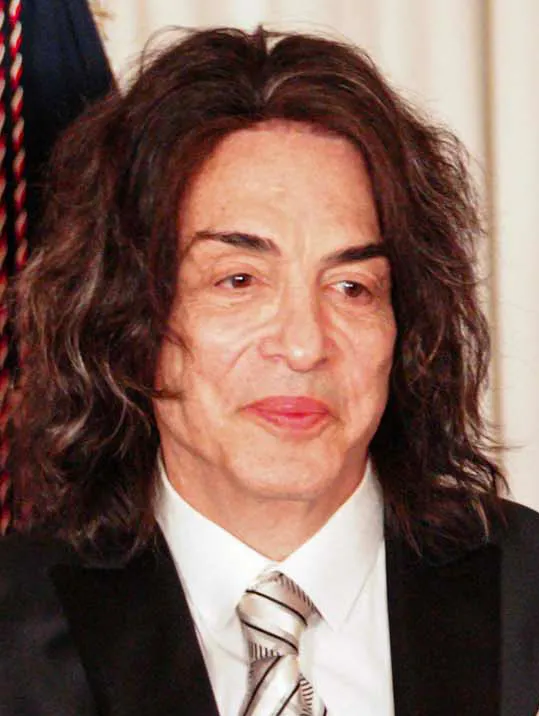
Photo by U.S. Department of State , licensed under Public domain · Wikimedia Commons
Rank #424
Paul Stanley
From Wikipedia
Paul Stanley is an American musician. He was the lead vocalist, rhythm guitarist, and a founding member of the hard rock band Kiss, which was active from 1973 to 2023. He was the writer or co-writer of many of the band's most popular songs. Stanley established the Starchild character as his Kiss persona.
Discography & Previews
Browse through and click an album to open and play 30-second previews streamed from Apple Music.
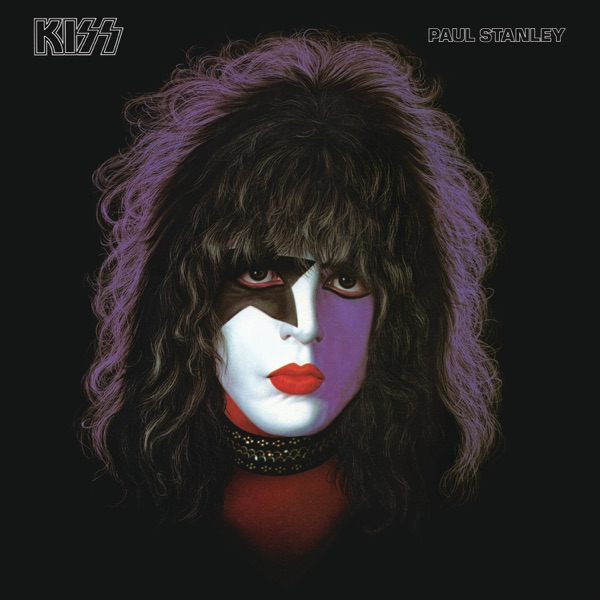
Paul Stanley
1978 · 9 tracks

-
 Paul StanleyPaul Stanley19789 tracks
 -
 Live to WinPaul Stanley200610 tracks
Deep Dive
Overview
Paul Stanley stands as one of hard rock’s most recognizable frontmen, having served as the lead vocalist, rhythm guitarist, and founding member of Kiss since the band’s formation in 1973. Across five decades, Stanley became synonymous with the theatrical and sonically aggressive brand of hard rock that defined Kiss, penning or co-penning many of the band’s most enduring songs. His stage persona, the Starchild—characterized by elaborate makeup and costume—became as iconic as his vocal delivery and guitar work, cementing his place in the visual and sonic vocabulary of rock music.
Formation Story
Paul Stanley was born in 1952 and came of age during a transformative period in rock music, when blues-based hard rock and emerging glam sensibilities were beginning to converge. Growing up in the post-British Invasion era, Stanley absorbed the theatrical ambitions of glam rock alongside the raw power of hard rock, influences that would shape his artistic vision. By the early 1970s, he had begun performing as a musician in New York’s rock underground, where he would meet the players who would become Kiss. His desire to create a band that married visual spectacle with muscular rock sound led him to co-found Kiss in 1973, positioning himself as the group’s frontman and primary creative voice.
Breakthrough Moment
Kiss’s self-titled debut album in 1974 introduced Stanley’s songwriting voice to a broader audience, though initial commercial success came gradually. The band’s true turning point arrived with their 1975 album Alive!, a live recording that captured the raw energy of their explosive stage presence and introduced their full theatrical identity—including makeup and costumes—to the mainstream. Stanley’s vocal performances and contributions to songs on that album and its follow-up studio work helped establish Kiss as a major force in hard rock by the late 1970s, propelling them from underground New York reputation to national prominence.
Peak Era
Kiss’s most commercially and creatively dominant period spanned the mid-to-late 1970s and early 1980s, during which Stanley proved himself both a capable frontman and a prolific songwriter. His contributions to the band’s catalog during these years—marked by memorable hooks, accessible song structures layered over heavy arrangements, and his distinctive vocal approach—helped Kiss achieve multi-platinum status. Stanley’s songwriting versatility allowed the band to craft both hard rock anthems and more song-oriented material, broadening their appeal without sacrificing the aggressive edge that defined their sound. His work during this era established the template that would sustain Kiss through lineup changes and evolving musical trends for decades.
Musical Style
Stanley’s approach to hard rock songwriting and performance balanced heavy electric guitar riffs with strong melodic sensibilities, a combination that became central to Kiss’s identity. His vocals—powerful and direct, with a tendency toward anthemic phrasing—cut through the band’s dense arrangement of rhythm and lead guitars. As a rhythm guitarist, he anchored the band’s sound while allowing space for flashier lead work, a disciplined approach that kept songs focused on their melodic core. Over the course of his career with Kiss, Stanley’s style evolved from the proto-glam hard rock of the mid-1970s toward broader mainstream rock accessibility, though the core elements of his songwriting—strong hooks, sing-along choruses, and emotional directness—remained consistent. His ability to craft songs that balanced commercial appeal with rock credibility made him a rare breed of frontman capable of commanding both arenas and radio.
Major Albums
Paul Stanley (1978)
Stanley’s debut solo album, released during Kiss’s peak commercial period, allowed him to explore a more personal and expansive musical direction than band constraints permitted, featuring material that ranged across hard rock, pop-rock, and ballad forms.
Live to Win (2006)
Released nearly three decades after his first solo effort, this album saw Stanley returning to solo work with contemporary production and songwriting that reflected his continued engagement with hard rock conventions while embracing modern recording approaches.
Signature Songs
- “Rock and Roll All Nite” — Co-written by Stanley, an anthem that defined Kiss’s party-rock ethos and became synonymous with the band’s live experience.
- “Strutter” — A driving hard rock showcasing Stanley’s knack for straightforward, hook-laden songwriting grounded in heavy guitar work.
- “Love Gun” — Demonstrating Stanley’s ability to balance sexual bravado with genuine melodic appeal, a concert staple that highlighted his vocal range.
- “Detroit Rock City” — A hard rock tour de force featuring one of Stanley’s most memorable vocal performances and a songwriting approach that elevated simple themes through arrangement and delivery.
- “Hard Luck Woman” — Proving Stanley could write emotionally resonant material within the hard rock framework, with a guitar-driven arrangement that balanced power and melody.
Influence on Rock
Paul Stanley’s impact on hard rock extended beyond Kiss’s commercial success. His approach to frontmanship—combining theatrical presentation with direct vocal delivery and accessible songwriting—influenced a generation of rock and metal vocalists who learned that heavy music did not require obscurity or difficulty to achieve power. His songwriting emphasized melody and hook-oriented structures, proving that hard rock could achieve radio success without abandoning its aggressive foundation. The example of Kiss under Stanley’s leadership demonstrated that visual spectacle and musical substance could coexist, influencing how subsequent rock and metal bands approached the relationship between image and sound. His work helped establish the template for stadium hard rock, where production values, theatrical staging, and anthem-like songs became defining characteristics.
Legacy
Paul Stanley’s five-decade career with Kiss, concluding with the band’s final performance in 2023, solidified his position as one of rock music’s most durable and recognizable figures. His songwriting catalog remains a foundational part of hard rock radio, with tracks he penned continuing to reach audiences across multiple generations through streaming platforms and traditional media. The visual identity he helped create—the makeup, costumes, and stage persona of the Starchild—became as influential on rock culture as the music itself, inspiring countless musicians to consider presentation as integral to artistic expression. Kiss’s longevity and commercial persistence owe substantially to Stanley’s consistent songwriting output and his ability to maintain the band’s identity through shifting musical fashions. His solo recordings, though less visible than his work with Kiss, provided important counterbalance and explored dimensions of his artistry beyond the band context.
Fun Facts
- Stanley created and inhabited the Starchild persona throughout Kiss’s entire career, maintaining visual and character consistency across five decades of performances.
- His songwriting partnership with bassist Gene Simmons formed the creative engine of Kiss, with Stanley typically handling the band’s more melody-driven material.
- Despite his hard rock association, Stanley’s solo work and some Kiss material incorporated balladic and pop-rock elements, demonstrating his broader musical range.
- Kiss’s final tour, spanning 2019–2023, included Stanley as the last remaining founding member still active, making him the primary link to the band’s original vision.