
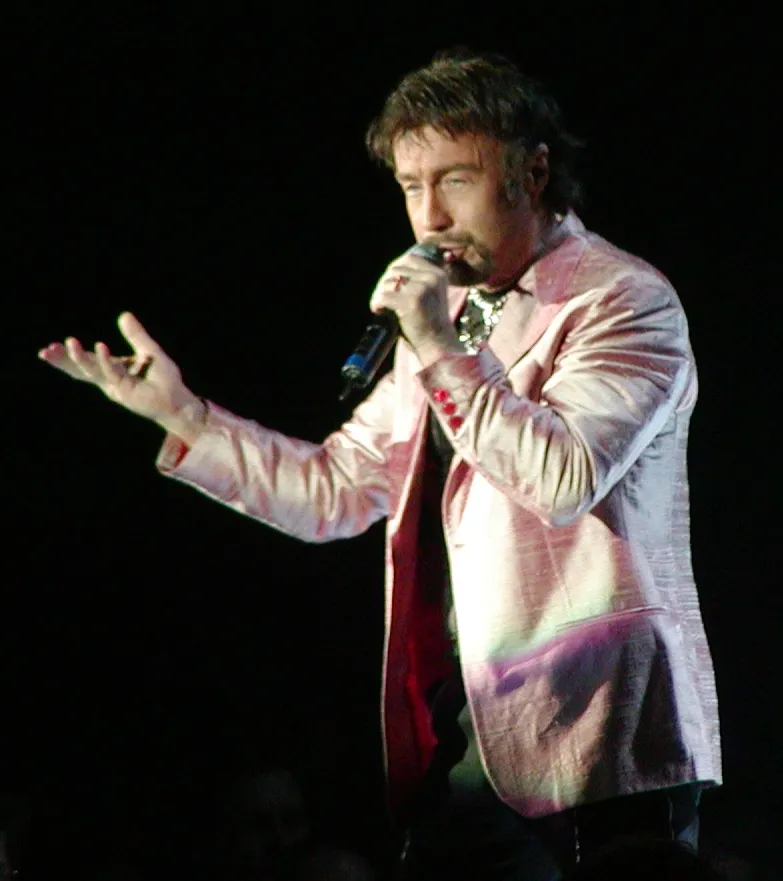
Photo by Thomas Steffan by using Olympus Camedia C700 , licensed under CC BY-SA 3.0 · Wikimedia Commons
Rank #490
Paul Rodgers
From Wikipedia
Paul Bernard Rodgers is an English singer. He was the lead vocalist of numerous successful rock bands, including Free, Bad Company, the Firm and the Law. He also has performed as a solo artist and collaborated with the remaining active members of Queen under the name Queen + Paul Rodgers, from 2004 to 2009. A poll in Rolling Stone magazine ranked him number 55 on its list of the "100 Greatest Singers of All Time". In 2011, Rodgers received the British Academy's Ivor Novello Award for Outstanding Contribution to British Music.
Discography & Previews
Browse through and click an album to open and play 30-second previews streamed from Apple Music.

-
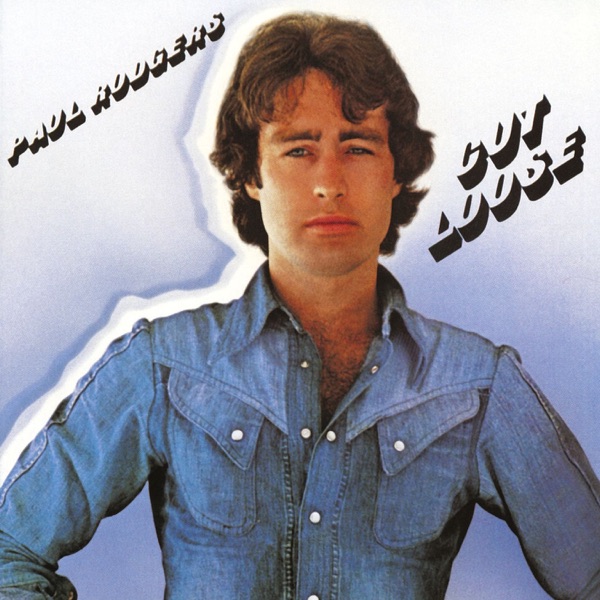
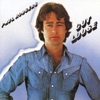 Cut LoosePaul Rodgers198310 tracks
 -
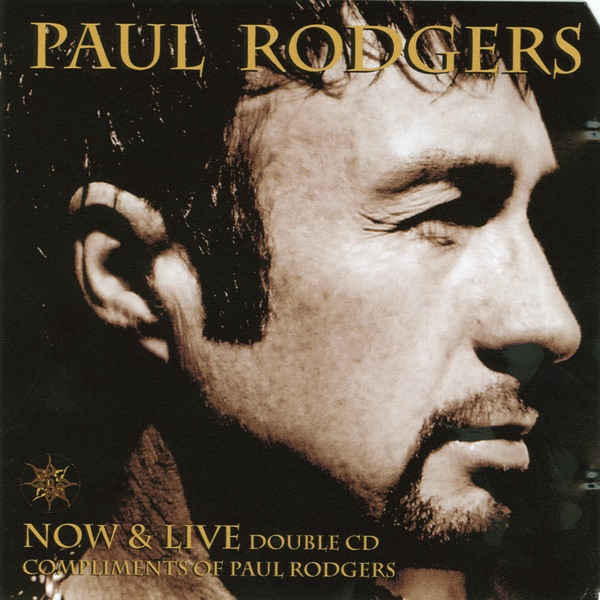
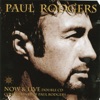 NowPaul Rodgers199711 tracks
 -
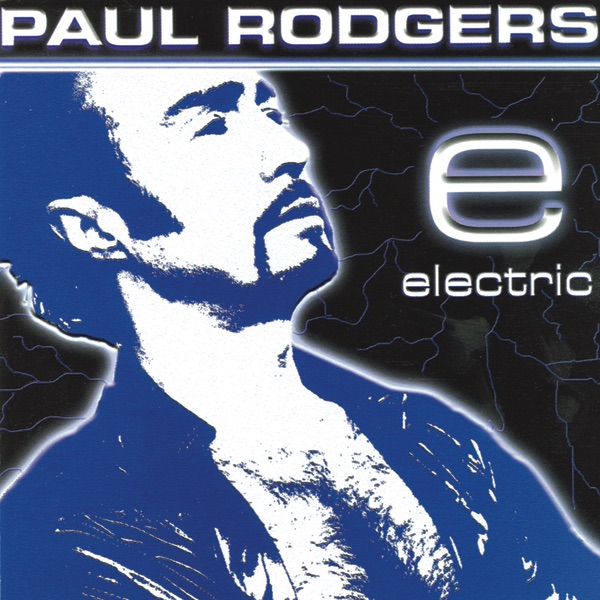
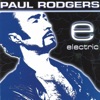 ElectricPaul Rodgers200010 tracks
 -
 Midnight RosePaul Rodgers20238 tracks
Deep Dive
Overview
Paul Rodgers is an English rock singer whose career spans five decades and encompasses some of the most enduring bands in classic rock history. As the lead vocalist of Free, Bad Company, the Firm, and the Law, Rodgers established himself as one of rock’s most distinctive voices—a bluesy, soulful tenor capable of delivering both intimate vulnerability and arena-filling power. His solo work, beginning in 1983 and continuing into the 2020s, demonstrates a commitment to blues-rock foundations and covers that honor his musical roots. A Rolling Stone poll ranked him 55th among the “100 Greatest Singers of All Time,” and in 2011 he received the Ivor Novello Award for Outstanding Contribution to British Music.
Formation Story
Born Paul Bernard Rodgers in 1949, Rodgers came of age during the British blues boom of the late 1960s. He emerged from a musical culture saturated with American blues—the work of Muddy Waters, Howlin’ Wolf, and other Chicago legends—filtered through a British rock sensibility. His early career path led him into the hard rock and blues-rock sphere rather than a conventional solo trajectory. It was through his work with bands like Free and later Bad Company that Rodgers developed the vocal authority and emotional range that would define his approach to music-making for decades. His formation as an artist was fundamentally collective; he learned and refined his craft as a frontman within ensemble contexts, where his voice functioned as an instrument among others.
Breakthrough Moment
Rodgers’ breakthrough came as the frontman of Free in the early 1970s, before his solo career began. However, his emergence as a solo artist dates to 1983 with the album Cut Loose, released on Atlantic Records. This marked a deliberate shift away from the band structures that had defined his earlier work and toward a more personal artistic vision. The album’s title itself suggests a reclaiming of independence after years as a crucial component of larger ensembles. By stepping into a solo career later in his professional life rather than at its outset, Rodgers positioned himself differently from many rock singers—as an established voice exploring new terrain rather than a young artist seeking initial recognition.
Peak Era
Rodgers’ peak as a solo artist spans the 1990s and early 2000s, a period during which he balanced blues tribute work with original compositions. Albums like Muddy Waters Blues and Muddy Water Blues: A Tribute to Muddy Waters (both released in 1993) placed him squarely within the lineage of blues-rock revivalism that was gaining currency during that decade. The late 1990s saw him continue with Now (1997) and Electric (2000), demonstrating sustained commercial and artistic engagement with his solo work. This era also included one of the most unexpected chapters of his career: his collaboration with the surviving members of Queen from 2004 to 2009, performing as Queen + Paul Rodgers. This venture brought him into contact with a new generational audience while affirming his status as a vocalist capable of inhabiting iconic material.
Musical Style
Rodgers’ voice is defined by a deep, bluesy timbre with considerable range and emotional expressiveness. His phrasing owes as much to American blues singers as to his British rock contemporaries—he bends notes, holds them over bar lines, and uses silence as deliberately as he uses volume. His solo work gravitates toward blues-rock, a genre that respects both the structural and spiritual traditions of Chicago and Delta blues while employing rock instrumentation and production. The progression of his solo albums shows an artist comfortable with electric production (Electric, 2000) while maintaining fidelity to acoustic and raw approaches. His 2014 album The Royal Sessions and 2023’s Midnight Rose suggest a artist still engaged with contemporary recording technology without abandoning the blues-inflected sensibility that has characterized his entire career. Thematically, his songwriting often centers on emotional resilience, romantic experience, and homage to the musical traditions that shaped him.
Major Albums
Cut Loose (1983)
Rodgers’ debut solo effort established his ability to carry an album as a primary creative voice, balancing original compositions with a sensibility rooted in blues-rock tradition.
Muddy Waters Blues (1993)
A direct engagement with the American blues master whose influence permeates Rodgers’ entire career, this album and its companion Muddy Water Blues: A Tribute to Muddy Waters (same year) affirmed his commitment to honoring foundational blues traditions.
Electric (2000)
Representing his work in the new millennium, Electric showcased Rodgers engaging with contemporary production while maintaining the blues-rock core that defines his solo identity.
The Royal Sessions (2014)
Recorded nearly three decades into his solo career, this album demonstrated Rodgers’ continued vitality and relevance as a recording artist and interpreter of material.
Signature Songs
While the supplied discography focuses on album-level data, Rodgers’ signature moments in his solo work emerge from his blues-rock interpretations and original compositions across these recordings. His voice remains the constant—instantly recognizable whether in stripped-down blues contexts or fuller rock arrangements.
Influence on Rock
Rodgers’ primary influence on rock music came through his work as a bandleader and frontman in Free and Bad Company, where he shaped the sound of 1970s hard rock and blues-rock. As a solo artist, his ongoing engagement with blues tradition and his willingness to collaborate across generations (notably with Queen) positioned him as a custodian of authentic blues-rock values within a mainstream rock context. His approach to vocal performance—emphasizing emotional authenticity over technical display—influenced how subsequent generations of rock singers approached their instrument. The fact that a Rolling Stone poll could rank him 55th among all-time great singers, despite a career divided among multiple bands and a solo trajectory beginning relatively late, speaks to the durability and impact of his vocal presence.
Legacy
Paul Rodgers remains an active recording artist into his seventh decade, with Midnight Rose released in 2023. His legacy is secure across multiple contexts: as the voice of Free and Bad Company, as a solo blues-rock interpreter, and as a collaborator with Queen that brought those classic songs to new audiences in the 2000s. The Ivor Novello Award for Outstanding Contribution to British Music (2011) cemented his standing as a foundational figure in British rock. His sustained recording presence—spanning 1983 to 2023 in solo work alone—demonstrates an artist committed to his craft rather than resting on historical achievements. He represents a particular lineage in rock: the blues-rooted singer who elevated commercial rock music without abandoning the emotional and structural principles of the blues tradition from which he drew.
Fun Facts
- Rodgers was ranked number 55 on Rolling Stone’s “100 Greatest Singers of All Time,” placing him among elite vocalists across all rock and pop genres.
- His 1993 recordings included two separate Muddy Waters tribute albums in the same year, reflecting his deep engagement with blues history and the Chicago electric blues sound.
- He collaborated with Queen’s surviving members as Queen + Paul Rodgers from 2004 to 2009, introducing classic Queen material to audiences through a distinctive vocal interpretation.
- The span of his solo recording career—from Cut Loose in 1983 to Midnight Rose in 2023—covers forty years, demonstrating sustained commitment to music-making well into his seventies.