
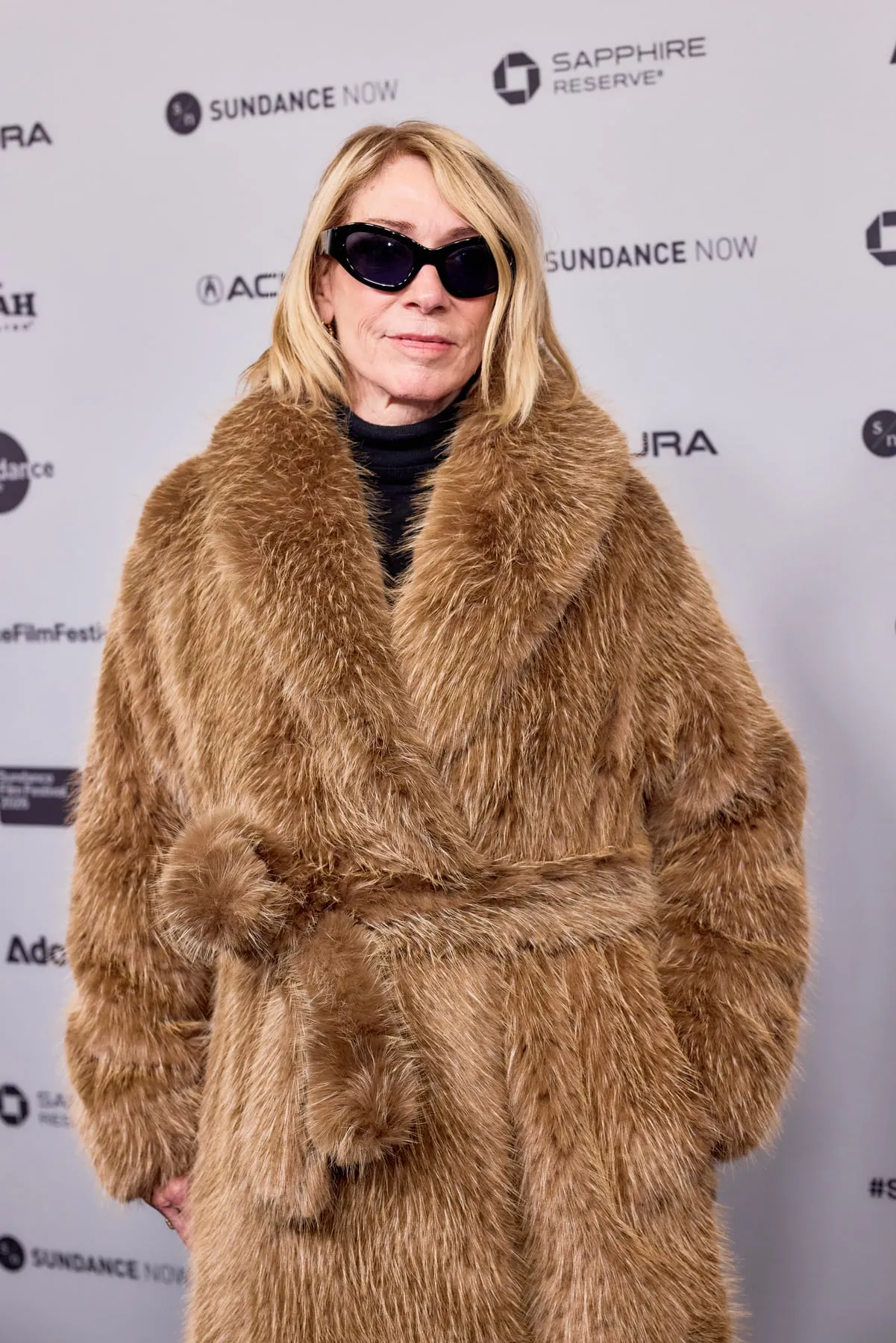
Photo by Sarah K Joyce , licensed under CC BY-SA 4.0 · Wikimedia Commons
Rank #175
Kim Gordon
From Wikipedia
Kim Althea Gordon is an American musician, singer and songwriter best known as the bassist, guitarist, and vocalist of alternative rock band Sonic Youth. Born in Rochester, New York, she was raised in Los Angeles, where her father was a professor at the University of California, Los Angeles. After graduating from Los Angeles's Otis College of Art and Design, she moved to New York City to begin an art career. There, she formed Sonic Youth with Thurston Moore in 1981. She and Moore married in 1984, and the band released a total of six albums on independent labels before the end of the 1980s. It then released nine studio albums on the label DGC Records, beginning with Goo in 1990. Gordon was also a founding member of the musical project Free Kitten, which she formed with Julia Cafritz in 1993.
Discography & Previews
Browse through and click an album to open and play 30-second previews streamed from Apple Music.


-
 YOKOKIMTHURSTONKim Gordon20126 tracks
 -
 No Home RecordKim Gordon20199 tracks
 -
 At IssueKim Gordon20218 tracks
 -
 The CollectiveKim Gordon202411 tracks
 -
 PLAY MEKim Gordon202612 tracks
Deep Dive
Overview
Kim Gordon is an American musician, visual artist, and cultural figure whose work bridges the gap between experimental music, visual art, and popular culture. Born in 1953, she emerged as a founding member and creative backbone of Sonic Youth, the avant-garde alternative rock band that shaped underground music from the early 1980s onward. Beyond her role in Sonic Youth, Gordon has pursued an independent career as a solo and collaborative artist, worked as a founding member of the project Free Kitten, and maintained an active presence in conceptual and performance art. Her influence extends across rock music, visual culture, and the broader aesthetic of indie rock, marking her as one of the most significant musicians of her generation.
Formation Story
Kim Althea Gordon was born in Rochester, New York, in 1953 but spent her formative years in Los Angeles, where her father held a professorship at the University of California, Los Angeles. This academic and culturally engaged household exposed her to intellectual currents and artistic practice from an early age. She attended Otis College of Art and Design in Los Angeles, where she developed skills in visual art and interdisciplinary thinking that would inform her entire career. After graduating, Gordon relocated to New York City in the late 1970s with the intention of pursuing an art career. It was in New York that she met Thurston Moore and, together with him, formed Sonic Youth in 1981. The band emerged from the city’s experimental and no-wave underground, combining elements of punk, free jazz, and avant-garde composition with unconventional guitar tunings and noise-based textures. Gordon married Moore in 1984, and the partnership—both personal and creative—became central to Sonic Youth’s identity and output.
Breakthrough Moment
Gordon’s breakthrough came with Sonic Youth’s gradual ascent from New York underground fixture to alternative rock innovators throughout the 1980s. The band released six studio albums on independent labels during the 1980s, each expanding their audience among college radio listeners, independent record stores, and art-school audiences. However, the major turning point came in 1990 when Sonic Youth signed to DGC Records and released Goo, their first major-label album. Goo marked the band’s crossover moment, achieving significant alternative rock radio play and bringing their uncompromising sound to a much wider audience. The album’s mix of catchy melodies, poetic and often provocative lyrics delivered by Gordon, and the band’s signature experimental guitar work created a new template for how avant-garde rock could reach mainstream alternative radio without compromising its artistic vision. Gordon’s voice and presence on Goo established her as a distinctive vocalist and lyricist, capable of both raw vulnerability and cutting social observation.
Peak Era
Sonic Youth’s peak era spanned the 1990s and early 2000s, with Gordon at the center of the band’s creative and commercial trajectory. Following Goo, the band released nine additional studio albums on DGC Records, establishing themselves as one of the most consistent and influential acts in alternative rock. Throughout this period, Gordon’s role evolved; while she had been a bassist and guitarist in the band’s early years, her vocal contributions became increasingly central to the group’s identity. Her distinctive, non-traditional vocal delivery—sometimes deadpan, sometimes soaring, always precise—provided a crucial counterpoint to Moore’s more expressive singing. Beyond Sonic Youth, Gordon co-founded Free Kitten in 1993 with Julia Cafritz, a project that allowed for more experimental and collaborative approaches to composition and performance. Free Kitten operated as a parallel creative outlet, exploring electronic, noise, and pop influences in ways that complemented but differed from Sonic Youth’s direction. This period established Gordon as a multi-hyphenate artist—musician, vocalist, visual artist, and cultural commentator—whose reach extended beyond rock music into contemporary art and performance contexts.
Musical Style
Gordon’s musical approach is grounded in a rejection of conventional song structure and instrumental hierarchy. As a bassist and guitarist, she favored unconventional tunings and textures that prioritized sound design and atmosphere over traditional melody and harmony. Her vocal style, developed throughout her career with Sonic Youth and in solo work, is characterized by clarity, control, and an often conversational or spoken-word quality that contrasts with the instrumental chaos surrounding it. She frequently adopts personas and perspectives in her lyrics, examining themes of identity, sexuality, commerce, and art with a cool, observational tone rather than confessional sincerity. Sonically, her work bridges punk’s energy and DIY ethos, no-wave’s abrasive textures, and the melodic and emotional openness of indie rock. In her solo and collaborative projects, Gordon has explored electronic music, acoustic instrumentation, and more minimalist approaches to arrangement, demonstrating a restless approach to form and genre that remains consistent with her founding artistic vision of rejecting rigid boundaries between experimental and popular music.
Major Albums
SYR 5 (2000)
This solo album showcased Gordon’s work outside Sonic Youth’s primary context, allowing exploration of ambient, electronic, and more introspective textures while maintaining her distinctive vocal and compositional presence.
YOKOKIMTHURSTON (2012)
A collaborative project with Thurston Moore that merged experimental sound design with vocal performance, demonstrating the continued creative partnership at the heart of Gordon’s artistic practice.
No Home Record (2019)
A return to solo work that combined guitar-driven indie rock with electronic production, presenting Gordon as a mature artist synthesizing decades of musical influence into contemporary form.
At Issue (2021)
Released during a period of significant personal change, At Issue presented Gordon’s reflections on identity, memory, and artistic resilience with both lyrical directness and sonic sophistication.
Signature Songs
- “Kool Thing” — A spoken-sung exploration of desire and consumer culture featuring a duet with Public Enemy’s Chuck D, becoming one of Sonic Youth’s most recognizable tracks.
- “Bull in the Heather” — A propulsive alternative rock song that showcased Gordon’s vocal delivery and the band’s ability to craft hooks from experimental material.
- “Teenage Riot” — Though primarily featuring Thurston Moore’s vocals, Gordon’s bass and guitar work are essential to the track’s iconic status as an alternative rock anthem.
- “Swimsuit Issue” — A provocative examination of objectification and media culture delivered with Gordon’s characteristic detachment and precision.
Influence on Rock
Kim Gordon’s influence on rock music extends far beyond her work as a bassist and guitarist. Her presence in Sonic Youth helped establish a model for how avant-garde artistic practice could coexist with rock music’s accessibility and emotional power. She demonstrated that a female musician could occupy a central creative role in an experimental band without conforming to traditional gender presentations or vocal styles. Her cool, intellectual approach to songwriting and her refusal to separate her visual art practice from her music career influenced generations of indie and alternative artists who saw in Sonic Youth a template for artistic seriousness without pretension. The band’s impact on the development of alternative rock in the 1990s established Gordon as a foundational figure in that era’s aesthetics. Beyond rock specifically, her work in Free Kitten and various collaborative projects expanded the boundaries of what rock-adjacent music could encompass, introducing electronic and conceptual approaches to audiences rooted in rock traditions.
Legacy
Kim Gordon’s legacy continues to expand as newer generations discover Sonic Youth and her solo work through streaming platforms and archival reissues. Her career has been marked by consistent artistic output and refusal to repeat past successes, maintaining relevance across multiple decades and shifting musical contexts. Gordon’s integration of visual art, performance, and music-making established her as a model for interdisciplinary artistic practice in rock music. Her influence appears in countless indie and alternative rock artists who cite her fearlessness, intellectual rigor, and formal innovation as inspirational. The publication of her memoir Girl In A Band in 2015 documented her artistic journey and provided insight into the creative processes behind Sonic Youth’s most important work. As rock music history continues to reassess its canon, Gordon’s contributions to alternative rock, her role in shaping Sonic Youth’s sound, and her ongoing solo practice ensure her position as one of the most significant musicians and artists of the late twentieth and early twenty-first centuries.
Fun Facts
- Gordon’s father was a professor at UCLA, placing her within an academic and intellectual environment from childhood that shaped her approach to art-making as conceptual and culturally engaged rather than purely commercial.
- She attended Otis College of Art and Design before becoming a musician, and she has maintained an active practice in visual art and performance throughout her music career, refusing to separate her identities as artist and musician.
- The project Free Kitten, co-founded with Julia Cafritz in 1993, operated as a parallel creative outlet that allowed Gordon to explore electronic and noise-based approaches distinct from Sonic Youth’s signature sound.
- Gordon’s vocal delivery in Sonic Youth often employed spoken-word techniques and persona-based lyrics, challenging conventions of how female vocalists should sound and what rock singers should sing about.