Photo by Sven Mandel , licensed under CC BY-SA 4.0 · Wikimedia Commons
Rank #110
The Sisters of Mercy
Leeds gothic-rock institution synonymous with smoke-and-leather darkness.
From Wikipedia
The Sisters of Mercy are an English rock band formed in Leeds in 1980. After achieving early underground fame, the band experienced a commercial breakthrough in the mid-1980s, sustaining their success until the early 1990s, when they halted the release of new records in protest against their record company, WEA. Although the band operates primarily as a touring outfit today, they continue to perform new and unreleased music live.
Studio Albums
- 1985 First and Last and Always
- 1987 Floodland
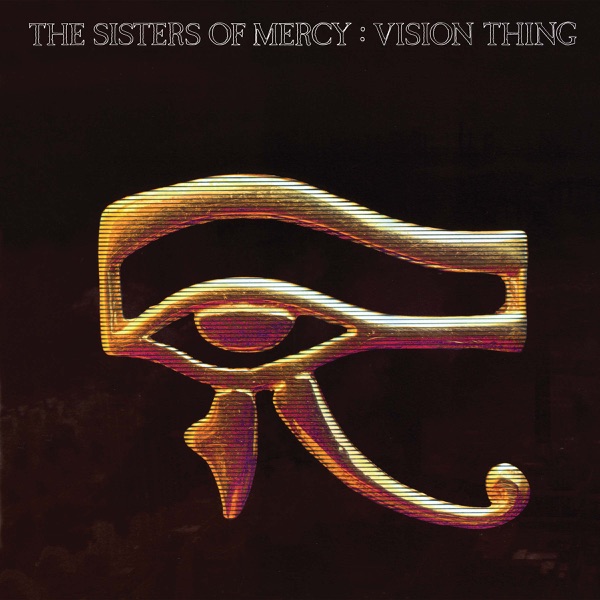
- 1990 Vision Thing
Source: MusicBrainz
Deep Dive
Overview
The Sisters of Mercy stand as one of the defining bands of 1980s post-punk and gothic rock, emerging from Leeds as architects of a distinctly dark, atmospheric sound. Formed in 1980, they built a loyal underground following before achieving substantial commercial success in the mid-1980s, a period during which they became synonymous with gothic aesthetics, smoke-filled performances, and a heavy industrial texture that set them apart from their post-punk contemporaries. Their influence on alternative rock, industrial music, and the broader gothic movement extends well beyond their era of peak productivity, establishing them as foundational figures in how rock music embraced darkness and atmospheric production as primary artistic tools.
Formation Story
The Sisters of Mercy took shape in Leeds in 1980, emerging from the post-punk landscape that had already begun fragmenting into numerous subgenres. Leeds provided a secondary base for gothic and industrial experimentation in British rock during this period, and the band quickly established themselves within that underground ecosystem. The early incarnation of the group built their reputation through live performances and underground releases, gradually attracting an audience drawn to their brooding atmospherics and martial rhythmic structures. By the early 1980s, they had developed a distinctive visual and sonic identity that separated them from the more angular post-punk acts dominating the era.
Breakthrough Moment
The Sisters of Mercy achieved their breakthrough with the release of their debut album, First and Last and Always, in 1985. This record introduced their fully realized sound to a wider audience—a potent blend of industrial percussion, gothic atmosphere, and rock dynamism that had been refined through years of underground work. The album’s success marked a turning point, bringing the band from cult status into genuine commercial and critical recognition. Over the following two years, they built on this momentum, establishing themselves as major figures in the emerging alternative rock mainstream while retaining the aesthetic darkness that had defined them from inception.
Peak Era
The period from 1985 through 1990 represents the Sisters of Mercy’s era of maximum creative and commercial prominence. Their second album, Floodland (1987), arrived at a moment when gothic rock and industrial influences were gaining traction in mainstream alternative culture, and the band capitalized on this shift with a record that was simultaneously darker and more expansive than its predecessor. This album solidified their status as major alternative acts. A third album, Vision Thing (1990), followed three years later, demonstrating their continued commitment to evolution within their established aesthetic framework. These three records—released across a five-year span—define the band’s essential body of work and the period in which they exercised maximum influence over contemporary rock music.
Musical Style
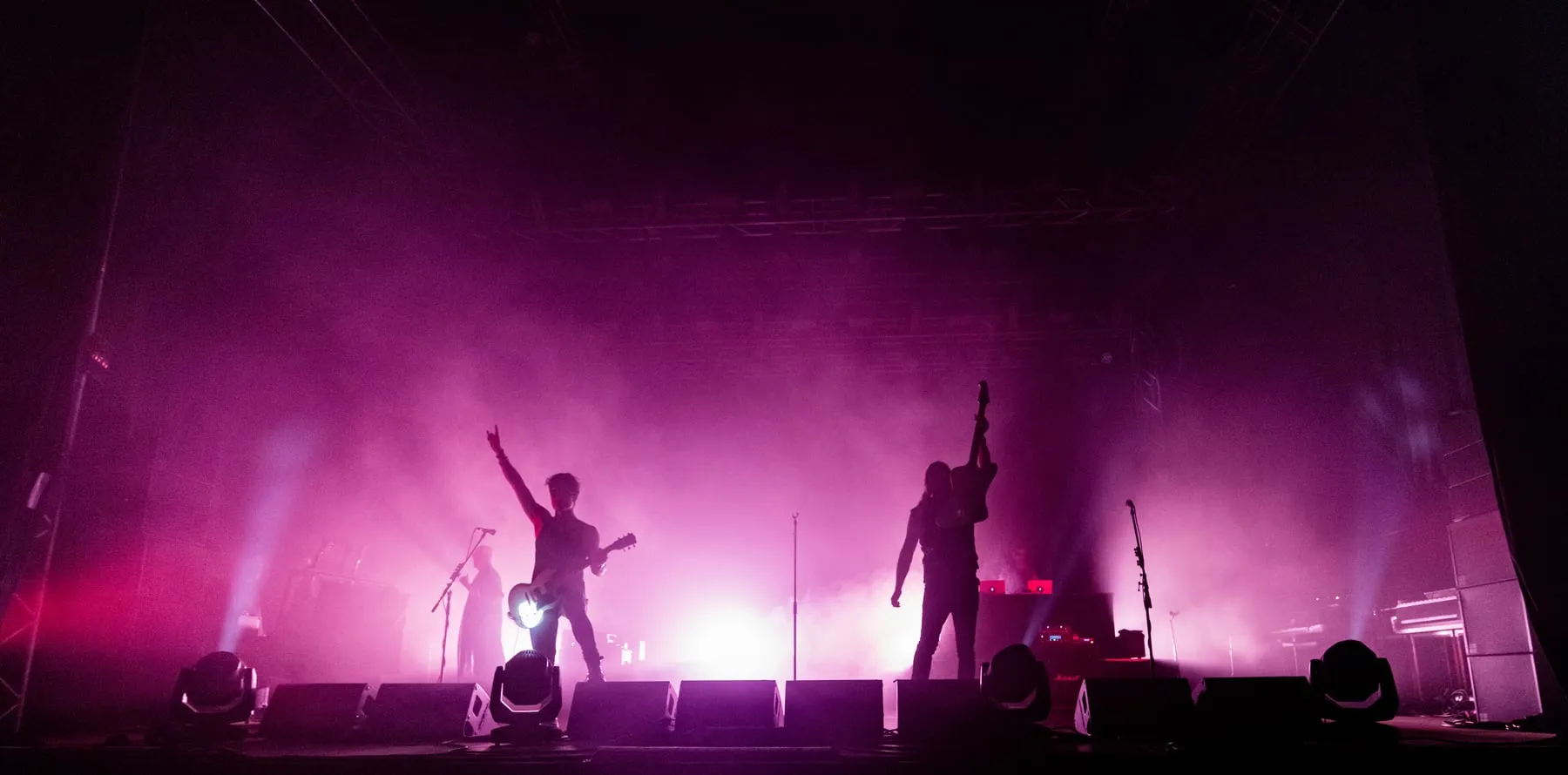
The Sisters of Mercy synthesized post-punk’s angular structures with gothic rock’s atmosphere and industrial music’s mechanical textures, creating a sound that was simultaneously heavy and ethereal. Their approach combined drum machines with live instrumentation, layered synthesizers with driving guitar work, and introspective, often spoken or sung vocals with orchestral arrangements. The band’s production choices emphasized space and darkness—tracks were built from discrete layers that created a sense of vastness rather than crowding. This sonic architecture made their music particularly effective in live contexts, where the atmosphere could be heightened through stagecraft, smoke, and lighting. The gothic rock lineage connects to earlier post-punk acts, but the Sisters of Mercy pushed toward a more cinematic, industrial aesthetic that influenced how subsequent alternative and metal bands approached production and atmosphere.
Major Albums
First and Last and Always (1985)
The debut established the template that would define the band: industrial percussion, gothic sensibilities, and production that emphasized space and darkness. This record introduced their core sound to a broader audience and remains their signature statement.
Floodland (1987)
Arriving at peak interest in gothic rock and industrial aesthetics, Floodland expanded the band’s sonic palette while deepening their thematic preoccupations. The record demonstrated greater ambition in arrangement and production, showcasing the band’s growing sophistication.
Vision Thing (1990)
The third studio album proved that the Sisters of Mercy could sustain their artistic vision into a new decade, maintaining their core aesthetic while experimenting with new directions. It represented a final statement before the band halted new studio recording.
Signature Songs
- “Temple of Love” — A standout track that distilled the band’s gothic atmosphere into a more accessible format, becoming one of their most recognized works.
- “Dominion” — A showcase for the band’s ability to merge industrial percussion with sweeping melodic arrangements and atmospheric production.
- “Lucretia My Reflection” — A key track from Floodland that exemplified the band’s ability to balance darkness with a distinctly musical sensibility.
- “Body and Soul” — Demonstrated the band’s skill at constructing extended compositions that built atmosphere through layered production and dynamic arrangement.
Influence on Rock
The Sisters of Mercy’s synthesis of post-punk, gothic rock, and industrial music helped establish a template that countless subsequent bands would follow. Their emphasis on atmosphere, production sophistication, and visual presentation as integral to the rock experience influenced the development of industrial rock, alternative metal, and the broader aesthetic of 1990s alternative culture. The band demonstrated that gothic themes and dark production need not be peripheral to mainstream rock success; they could be central to a major alternative act’s identity. Their work influenced how rock music engaged with electronic instrumentation and non-traditional song structures, proving that darkness and accessibility need not be mutually exclusive. The gothic rock movement they helped define became a lasting subgenre with influence extending into metal, electronic music, and contemporary alternative rock.
Legacy
The Sisters of Mercy’s decision to halt new studio recording in the early 1990s in protest against their record company, WEA, marked an unusual turn for a band of their stature. Rather than fading from public consciousness, however, the band evolved into a primarily touring outfit that has maintained a presence across decades. Their three studio albums have endured as canonical texts of 1980s alternative rock, and their influence on subsequent gothic, industrial, and alternative metal acts remains clearly visible. The band continues to perform both new and unreleased material live, maintaining their connection to audiences while preserving their enigmatic relationship with formal studio recording. Their aesthetic—the leather, the smoke, the atmospheric darkness—became one of the defining visual and sonic signatures of 1980s alternative culture, influencing fashion, visual art, and music video aesthetics far beyond their immediate fanbase.
Fun Facts
- The Sisters of Mercy performed without a bassist for extended periods, relying instead on drum machines and layered synthesizers to create their low-end heaviness, a choice that underscored their industrial music influences.
- The band’s visual presentation, featuring smoke-filled stages and leather-clad members, became so iconic that it influenced the aesthetic standards of gothic rock performances across subsequent decades.
- Despite releasing only three studio albums across a fifteen-year period, the Sisters of Mercy maintained sufficient cultural relevance and touring appeal to remain a major live draw through the 1990s and into subsequent eras.
Discography & Previews
Click any album to expand its track list. Each track plays a 30-second preview streamed from Apple Music. Tap the link icon next to a track to open it in Apple Music for full playback.