
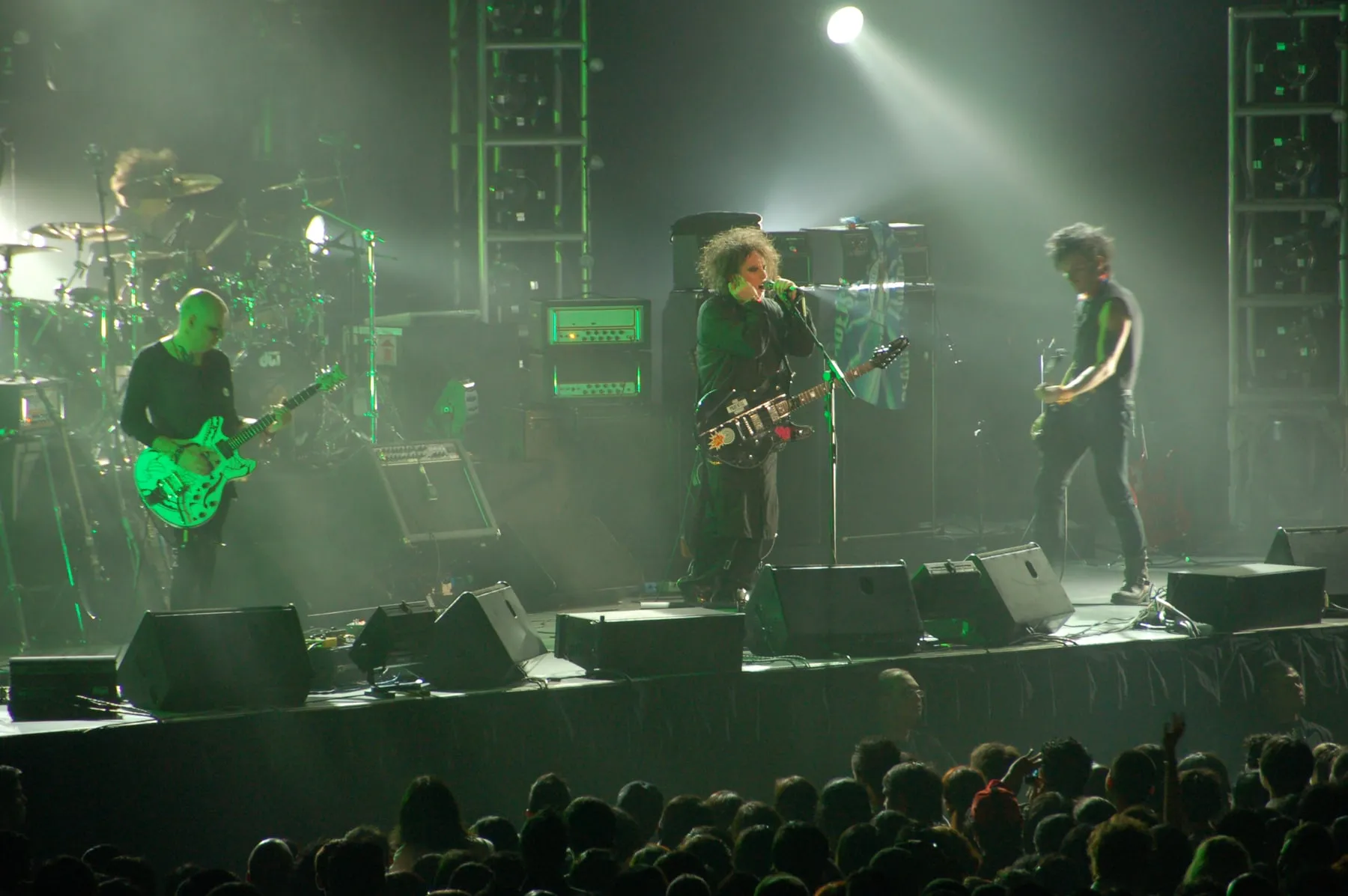
Photo by momento mori from Kuala Lumpur, Malaysia , licensed under CC BY 2.0 · Wikimedia Commons
Rank #37
The Cure
Goth-tinged post-punk turned arena-filling alternative rock.
From Wikipedia
The Cure are an English rock band formed in Crawley in 1976 by Robert Smith and Lol Tolhurst (drums). As of 2026, the band's line-up comprises Smith, Simon Gallup (bass), Roger O'Donnell (keyboards), Jason Cooper (drums) and Reeves Gabrels (guitar). Smith has remained the only constant member throughout numerous line-up changes since the band's formation.
Members
- Jason Cooper
- Michael Dempsey
- Reeves Gabrels
- Robert Smith
- Roger O'Donnell
- Simon Gallup
Studio Albums
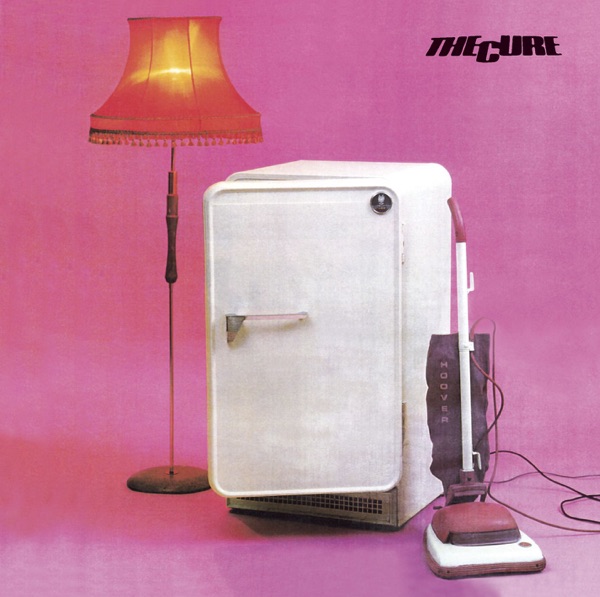
- 1979 Three Imaginary Boys
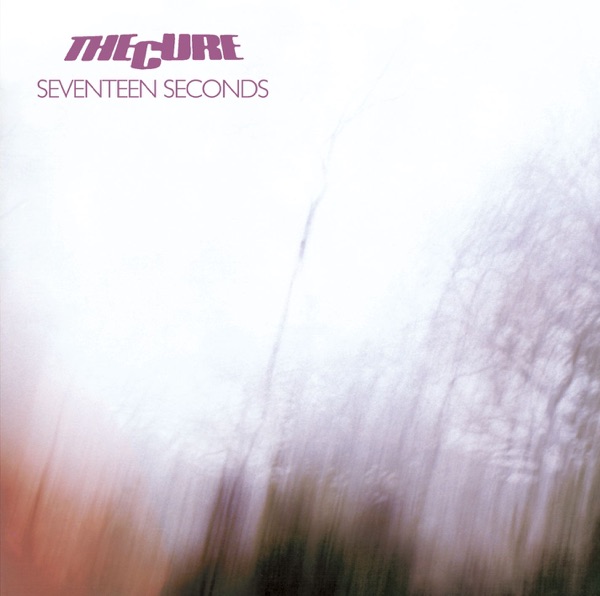
- 1980 Seventeen Seconds
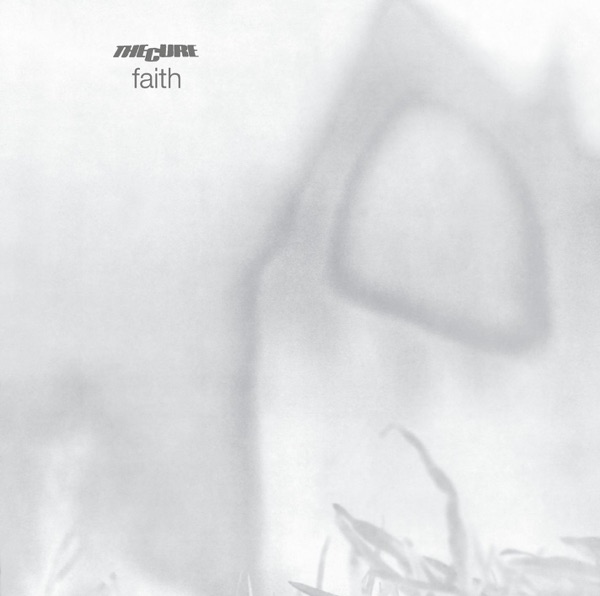
- 1981 Faith
- 1982 Pornography
- 1984 The Top
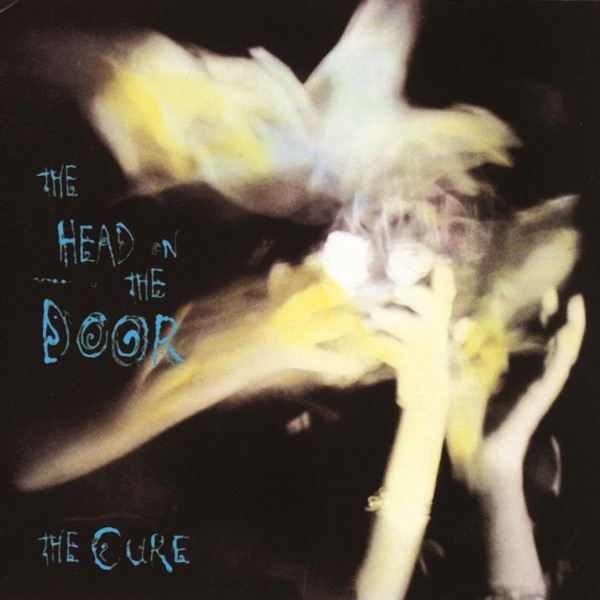
- 1985 The Head on the Door
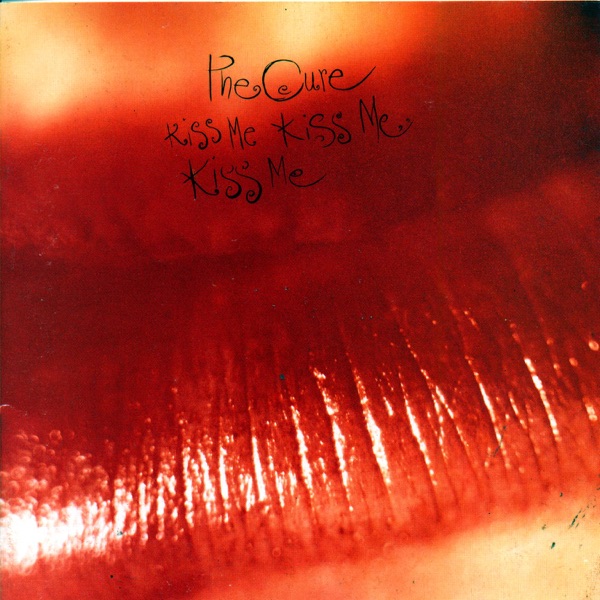
- 1987 Kiss Me Kiss Me Kiss Me
- 1989 Disintegration
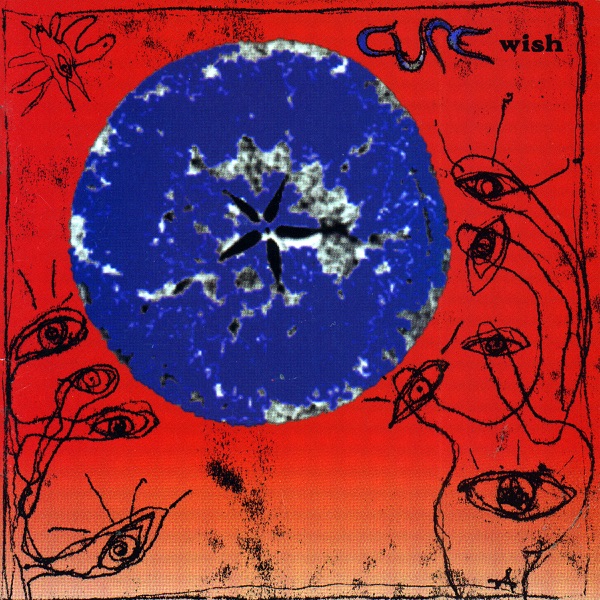
- 1992 Wish
- 1996 Wild Mood Swings
- 2000 Bloodflowers
- 2004 The Cure
- 2008 4:13 Dream
- 2024 Songs of a Lost World
Source: MusicBrainz
Deep Dive
Overview
The Cure are an English rock band that emerged from Crawley in 1976 and became one of the most enduring and artistically restless acts in post-punk and alternative rock. Formed by Robert Smith (vocals, guitar) and Lol Tolhurst (drums), the band moved through successive phases of sonic experimentation, from the cold, angular new wave of their earliest records to the lush, melancholic maximalism of their late-1980s peak, and finally to the arena-filling alternative rock that defined the 1990s and beyond. Smith’s constant presence as the band’s sole unchanged member across decades of lineup fluctuation underscores the Cure’s identity as a project centered on his songwriting vision and emotional intensity. The band’s influence on post-punk, goth rock, and alternative rock—as well as their cultural penetration into mainstream rock consciousness—places them among the most important British rock bands of the post-punk era.
Formation Story
The Cure began in Crawley, West Sussex, in 1976 when Robert Smith and Lol Tolhurst, both teenagers at the time, started playing together with the intention of forming a rock band. The partnership was rooted in a shared aesthetic sensibility that drew from the emerging post-punk and new wave movements then gestating in the United Kingdom. Tolhurst’s drumming provided a foundation for Smith’s guitar and compositional work, and from these early rehearsals emerged the musical template that would define the band’s first recordings. By the time the Cure recorded their debut, Michael Dempsey had joined on bass, establishing a three-piece lineup that captured the minimalist, percussive approach characteristic of post-punk at its inception. The band’s early work reflected the spare, angular production and introspective lyrical content that defined the era’s aesthetic.
Breakthrough Moment
The Cure’s initial breakthrough came with the release of Three Imaginary Boys in 1979, a debut that announced the band’s arrival in the post-punk landscape with sharp, economical arrangements and Smith’s distinctive vocal delivery. The album’s combination of lyrical vulnerability and rhythmic tautness caught the attention of critics and alternative radio, establishing the band as serious practitioners of the new wave form. Over the next three years, albums such as Seventeen Seconds (1980), Faith (1981), and Pornography (1982) deepened the band’s artistic credentials, each record marked by increasingly dark and introspective tones. By the mid-1980s, the Cure had cultivated a devoted following in underground and alternative circles, positioning themselves as major figures in the emerging gothic rock and post-punk movements. However, it was the decision to expand their sonic palette and embrace larger production values in the latter half of the 1980s that would carry them from cult status to mainstream recognition.
Peak Era
The Cure reached their commercial and creative apex between 1987 and 1989 with the release of Kiss Me Kiss Me Kiss Me (1987) and Disintegration (1989). Kiss Me Kiss Me Kiss Me marked a departure from the band’s earlier austerity, introducing layered arrangements, fuller instrumentation, and a wider emotional range. Disintegration, released two years later, became the band’s most celebrated record: a sprawling, meticulously produced album that balanced orchestral arrangements with the emotional core of Smith’s songwriting. The album reached both critical and commercial success, achieving platinum status and becoming a landmark work in alternative rock. This period cemented the Cure’s transition from post-punk innovators to alternative rock mainstays capable of filling arenas and headlining major festivals. The band’s lineup during these years was more fluid, with new players like Roger O’Donnell on keyboards entering the fold to realize Smith’s increasingly elaborate compositional ambitions. Wish (1992) continued the band’s commercial momentum, marking another phase of the band’s evolution into a fully realized alternative rock entity.
Musical Style
The Cure’s sound evolved across their five decades of activity, though certain core qualities remained consistent. In their early years, the band embodied post-punk’s minimalist aesthetic: sparse arrangements, prominent and often rhythmically unconventional bass lines, understated drumming, and lyrics that privileged melancholy and alienation. Smith’s voice—thin, often wavering, and deeply expressive—became the emotional anchor of the band’s recordings, his delivery conveying vulnerability without sacrificing the songs’ architectural integrity. As the 1980s progressed, the Cure’s production became increasingly lush and orchestral, particularly with the introduction of keyboards, synthesizers, and layered guitar effects that transformed their sound into something more baroque in scope while retaining the darker emotional palette of their early work. By the late 1980s and into the 1990s, the band had synthesized post-punk’s lyrical intensity with the production techniques and song structures of alternative rock, creating anthemic yet introspective compositions that found purchase with both critics and mainstream audiences. The band’s genre identity shifted across their discography from new wave and post-punk through gothic rock to alternative rock, yet the unifying thread remained Smith’s compositional sensibility and the band’s unflinching exploration of emotional darkness and romantic longing.
Major Albums
Three Imaginary Boys (1979)
The band’s debut album established their post-punk credentials with economical, angular arrangements and Smith’s distinctive vocal presence, capturing the spirit of early new wave while maintaining a darker emotional undercurrent.
Disintegration (1989)
The Cure’s most successful and critically acclaimed album, Disintegration balanced orchestral production with introspective songwriting, becoming a cornerstone of alternative rock and the band’s transition to mainstream recognition.
Kiss Me Kiss Me Kiss Me (1987)
A turning point in the band’s sonic development, this album introduced fuller arrangements and layered instrumentation while expanding the emotional range of Smith’s compositions.
Wish (1992)
Released at the height of alternative rock’s commercial dominance, Wish showcased the band’s mature approach to arena-sized alternative rock without sacrificing the introspective quality that defined their earlier work.
Bloodflowers (2000)
A return to a more guitar-driven approach, Bloodflowers represented the band’s continued evolution while reconnecting with some of the darker, more minimal aesthetic of their earlier recordings.
Signature Songs
- “Boys Don’t Cry” — A breakthrough single from the band’s early years, exemplifying their ability to pair melancholic lyrics with accessible yet unconventional song structure.
- “Just Like Heaven” — One of the band’s most widely recognized songs, a shimmering alternative rock anthem that brought the Cure to mainstream radio in the late 1980s.
- “Friday I’m in Love” — A pop-influenced single that demonstrated the band’s range beyond their darker aesthetic while maintaining their distinctive compositional voice.
- “Pictures of You” — A showcase for the lush production and emotional intensity of Disintegration, combining orchestral arrangements with Smith’s vulnerable vocal delivery.
- “Let’s Go to Bed” — An early single that captured the band’s post-punk minimalism and their ability to craft memorable hooks from unconventional arrangements.
- “Lovesong” — A collaborative composition that became one of the band’s biggest hits, balancing experimental production techniques with a universally accessible emotional core.
Influence on Rock
The Cure’s influence on post-punk, gothic rock, and alternative rock proved substantial and enduring. Their early work in the post-punk idiom helped establish a template for bands seeking to combine emotional depth with angular, rhythmically unconventional arrangements. As the band evolved into gothic rock and later alternative rock, they provided a model for how darker, more introspective sensibilities could coexist with mainstream commercial success. The band’s exploration of production techniques and orchestral arrangement influenced countless alternative and indie rock bands that emerged in the 1990s. Smith’s songwriting approach—balancing vulnerability with formal sophistication, and treating the band’s instrumentation as a tool for emotional expression rather than mere accompaniment—became a touchstone for alternative rock songwriters. The Cure’s ability to shift their sound substantially across albums while retaining a recognizable artistic identity demonstrated that alternative rock could encompass artistic evolution without losing either credibility or audience. Beyond rock specifically, the band’s aesthetics and imagery influenced goth subculture and fashion, making them cultural figures as well as musical innovators.
Legacy
Four decades after their formation, the Cure remain an active touring and recording entity, with their 2024 album Songs of a Lost World demonstrating their continued artistic vitality. The band’s continued relevance in the streaming era and their ability to maintain a devoted fanbase across generations speaks to the durability of Smith’s songwriting and the band’s foundational role in post-punk and alternative rock. The Cure’s discography remains a primary reference point for understanding how post-punk ideology and aesthetics could be expanded and evolved across decades without loss of artistic integrity. Their influence extends across multiple generations of alternative rock, indie rock, and electronic musicians who have studied their approach to production, arrangement, and emotional expression. The band’s status as one of the most important British rock bands of the post-punk era has only solidified with time, their albums maintaining their cultural and critical standing while remaining widely streamed and consumed by both longtime fans and new listeners discovering the band’s catalog.
Fun Facts
- Robert Smith has been the band’s sole constant member throughout all lineup changes, making him the defining creative force behind the Cure’s five-decade history and multiple sonic reinventions.
- The Cure’s early records, particularly Pornography (1982), have been reassessed by critics and fans as foundational works in gothic rock despite their initial limited commercial success, establishing the band’s cultural importance beyond mainstream chart positions.
- The band has recorded with multiple record labels across their career—including Elektra, Geffen, Sire, Polydor, Fiction Records, and others—reflecting both their transatlantic appeal and their evolution across different eras of the music industry.
- Jason Cooper, who joined as the band’s drummer to replace the original Lol Tolhurst, has been central to the band’s sound for several decades, providing the rhythmic foundation for albums from the late 1980s onward.
Discography & Previews
Click any album to expand its track list. Each track plays a 30-second preview streamed from Apple Music. Tap the link icon next to a track to open it in Apple Music for full playback.


- 1 The Kiss ↗ 6:15
- 2 Catch ↗ 2:45
- 3 Torture ↗ 4:18
- 4 If Only Tonight We Could Sleep? ↗ 4:53
- 5 Why Can't I Be You? ↗ 3:14
- 6 How Beautiful You Are ↗ 5:14
- 7 The Snakepit ↗ 6:59
- 8 Just Like Heaven ↗ 3:32
- 9 All I Want ↗ 5:23
- 10 Hot Hot Hot!!! ↗ 3:36
- 11 One More Time ↗ 4:32
- 12 Like Cockatoos ↗ 3:40
- 13 Icing Sugar ↗ 3:49
- 14 The Perfect Girl ↗ 2:35
- 15 A Thousand Hours ↗ 3:24
- 16 Shiver and Shake ↗ 3:30
- 17 Fight ↗ 4:28

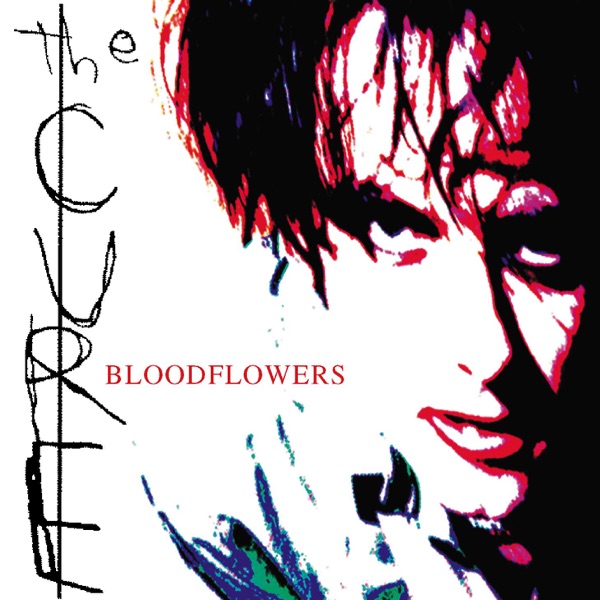
- 1 Out Of This World (LP Version) ↗ 6:43
- 2 Watching Me Fall (LP Version) ↗ 11:12
- 3 Where The Birds Always Sing (LP Version) ↗ 5:43
- 4 Maybe Someday (LP Version) ↗ 5:05
- 5 The Last Day Of Summer (LP Version) ↗ 5:36
- 6 There Is No If... (LP Version) ↗ 3:43
- 7 The Loudest Sound (LP Version) ↗ 5:09
- 8 39 (LP Version) ↗ 7:17
- 9 Bloodflowers (LP Version) ↗ 7:27


- 1 Underneath the Stars ↗ 6:17
- 2 The Only One ↗ 3:55
- 3 The Reasons Why ↗ 4:35
- 4 Freakshow ↗ 2:28
- 5 Sirensong ↗ 2:22
- 6 The Real Snow White ↗ 4:42
- 7 The Hungry Ghost ↗ 4:29
- 8 Switch ↗ 3:42
- 9 The Perfect Boy ↗ 3:21
- 10 This. Here and Now. With You ↗ 4:06
- 11 Sleep When I'm Dead ↗ 3:51
- 12 The Scream ↗ 4:35
- 13 It's Over ↗ 4:17
