
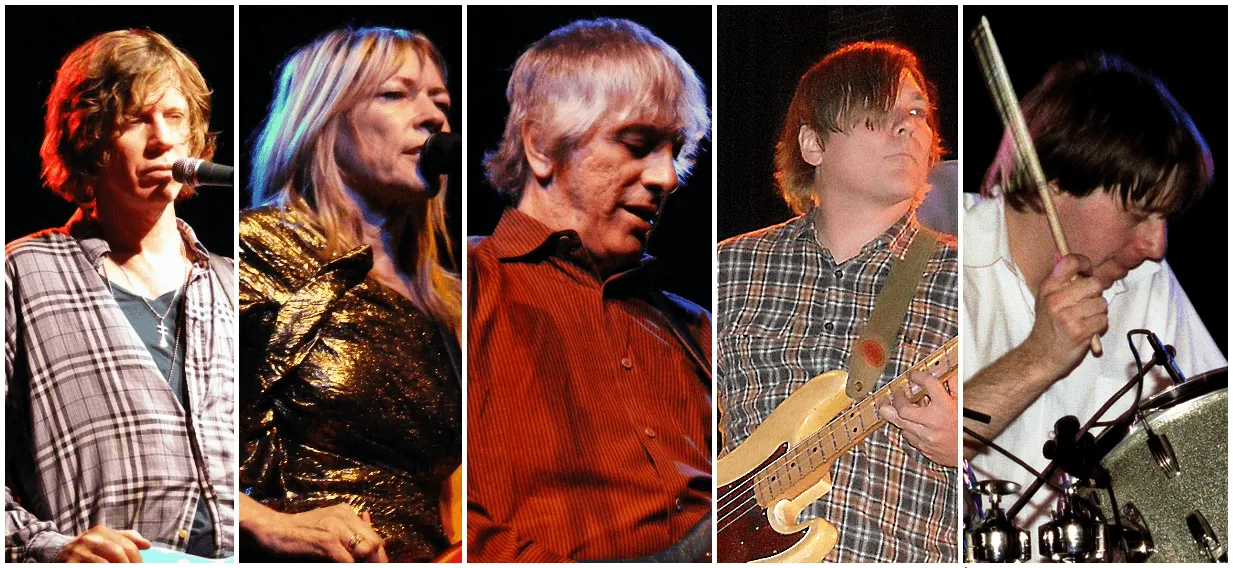
Photo by Man Alive! , kcarpenter_ , 9999x , licensed under CC BY 2.0 · Wikimedia Commons
Rank #42
Sonic Youth
New York noise-rock pillars who connected the underground to the mainstream.
From Wikipedia
Sonic Youth was an American rock band formed in New York City in 1981. Founding members Kim Gordon, Thurston Moore and Lee Ranaldo remained together for the entire history of the band, while Steve Shelley (drums) followed a series of short-term drummers in 1985, rounding out the core line-up. Jim O'Rourke was also a member of the band from 1999 to 2005, and Mark Ibold was a member from 2006 to 2011.
Members
- Anne DeMarinis
- Bob Bert
- Jim O'Rourke
- Jim Sclavunos
- Kim Gordon
- Lee Ranaldo
- Mark Ibold
- Richard Edson
- Steve Shelley
- Thurston Moore
Studio Albums
- 1983 Confusion Is Sex
- 1985 Bad Moon Rising
- 1986 EVOL
- 1987 Sister
- 1988 Daydream Nation
- 1990 Goo
- 1992 The Social Power Performance
- 1992 Dirty
- 1994 EJST&NS Early Rough Mixes
- 1994 Experimental Jet Set, Trash and No Star
- 1995 Washing Machine
- 1998 A Thousand Leaves
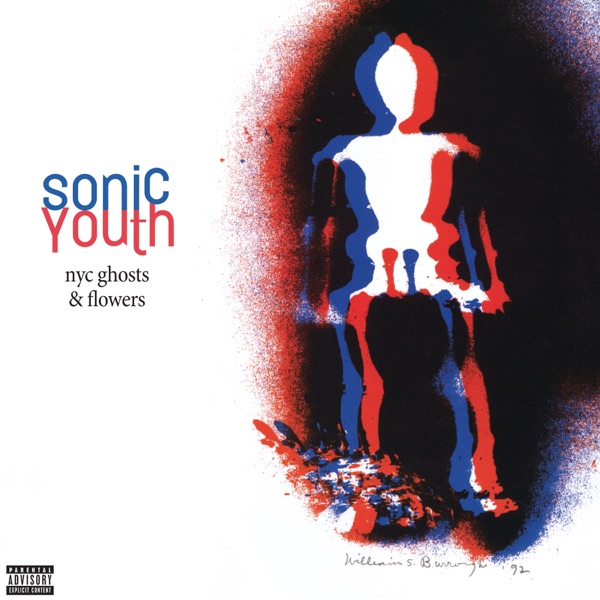
- 2000 NYC Ghosts & Flowers
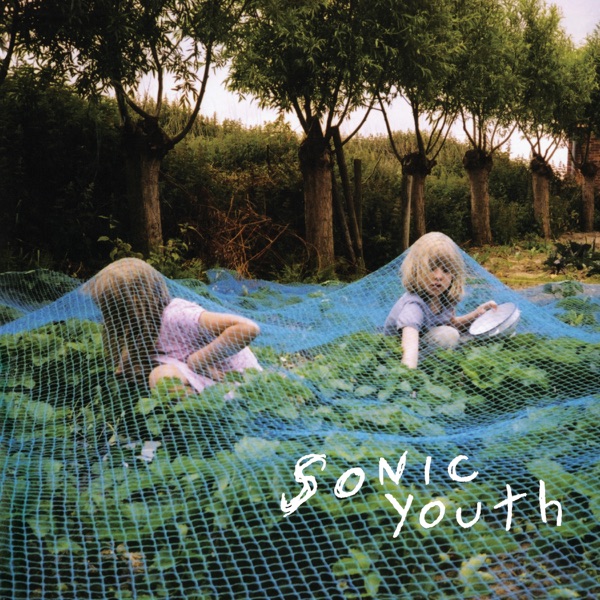
- 2002 Murray Street
- 2002 Terrastock 5
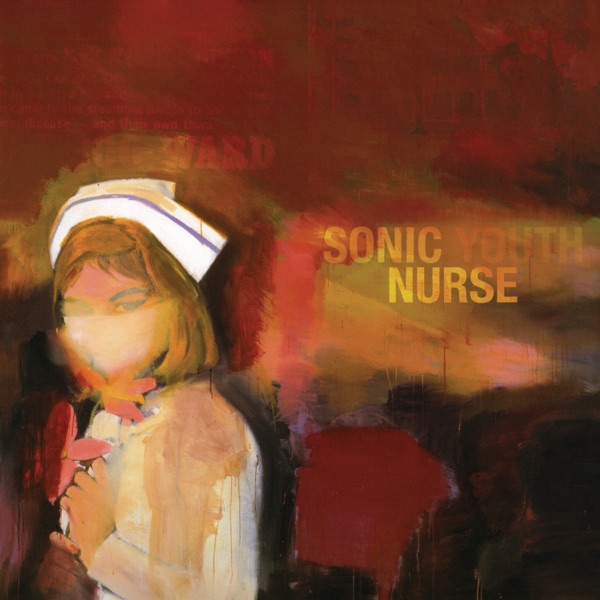
- 2004 Sonic Nurse
- 2004 Hidros 3
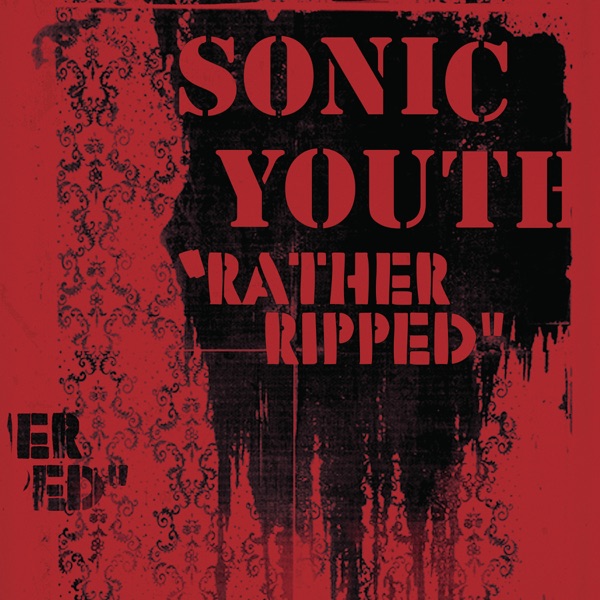
- 2006 Rather Ripped
- 2009 The Eternal
Source: MusicBrainz
Deep Dive
Overview
Sonic Youth was an American rock band formed in New York City in 1981 that spent three decades as one of the most influential and consistently innovative forces in underground and alternative rock. The band operated at the intersection of noise rock and art-school experimentalism, drawing from post-punk, no wave, and free improvisation while maintaining enough melodic and structural discipline to reach far beyond the avant-garde underground. Their work connected the abstract sound experiments of 1970s New York no wave to the mainstream alternative rock movement of the 1990s, proving that uncompromising sonic exploration and broad audience appeal were not mutually exclusive.
Formation Story
Thurston Moore and Kim Gordon founded Sonic Youth in New York City in 1981, establishing themselves within a city scene that had already seen the emergence of no wave bands like DNA and Contortions in the late 1970s. The pair, both steeped in punk and experimental art, began as a duo and gradually assembled a core lineup that would define the band’s identity. Lee Ranaldo, a guitarist and composer trained in contemporary classical music, joined early and remained a central creative force throughout the band’s existence. The rhythm section solidified when Steve Shelley arrived on drums in 1985, following a series of short-term percussionists including Jim Sclavunos and Bob Bert. This core quartet—Moore, Gordon, Ranaldo, and Shelley—remained intact from 1985 onward, a rare stability for a band operating in experimental music.
Breakthrough Moment
Sonic Youth’s early recordings on independent labels like Neutral Records and Ecstatic Peace! established their reputation as innovative experimenters, but their signing to DGC Records and the release of Goo in 1990 marked a watershed moment. Goo represented a crystallization of their approach: intricate, heavily processed guitars, unconventional song structures, and a commitment to textural innovation that nevertheless accommodated pop sensibility and hooks. The album’s commercial and critical success demonstrated that alternative rock audiences were ready for music this demanding and uncompromising. This breakthrough opened the door for their subsequent albums to reach increasingly mainstream listeners without requiring the band to dilute their artistic vision.
Peak Era
The period from 1988 to 1995—bracketed by the albums Daydream Nation and Washing Machine—represented Sonic Youth’s most creatively fertile and commercially successful span. Daydream Nation, released in 1988 on Blast First, established a template that balanced abrasive noise textures with underlying melodic sophistication and emotional resonance. Dirty in 1992 and Experimental Jet Set, Trash and No Star in 1994 continued this momentum, with each record exploring new configurations of their core sonic palette. Washing Machine in 1995 refined the approach further, consolidating their position as elder statespeople of alternative rock while maintaining the experimental rigor that had defined them from the start. During this period, the band worked extensively with engineer/musician Jim O’Rourke, who officially joined as a member from 1999 to 2005 and contributed significantly to the sonic architecture of several albums.
Musical Style
Sonic Youth’s sound was built on detuned guitars and non-traditional tuning systems that allowed Thurston Moore and Lee Ranaldo to extract orchestral textures and dissonant hues from electric guitars, often bowed or played with unconventional techniques. This approach positioned them outside the blues-derived rock tradition and closer to contemporary classical composers like John Cage and Karlheinst Stockhausen. Kim Gordon’s bass playing and vocals operated with equal ambition: her speaking-singing delivery and unconventional basslines avoided standard rock roles, while her presence as a female vocalist in a male-dominated noise scene carried cultural weight. Steve Shelley’s drumming prioritized textural and rhythmic variation over metronomic precision, allowing songs to breathe and shift unpredictably. The band’s songwriting evolved from the abrasive no wave foundations of their early records like Confusion Is Sex (1983) and Bad Moon Rising (1985) toward increasingly structured compositions that retained noise elements but incorporated pop and art-rock influences. By the 1990s, albums like Goo and Washing Machine balanced dense, discordant passages with moments of surprising lyricism and melody.
Major Albums
Daydream Nation (1988)
A double album released on Blast First that established the band’s mature sound: sprawling compositions that incorporated free improvisation, feedback, and layered guitars alongside identifiable hooks and emotional depth. The record became a touchstone for alternative rock and demonstrated that experimental and accessible were not opposing forces.
Goo (1990)
Released on DGC Records, Goo marked their arrival at a major label and showcased their ability to craft songs with genuine commercial appeal while retaining all their sonic innovation and resistance to convention. The album’s success with alternative radio and critics proved the band’s crossover potential.
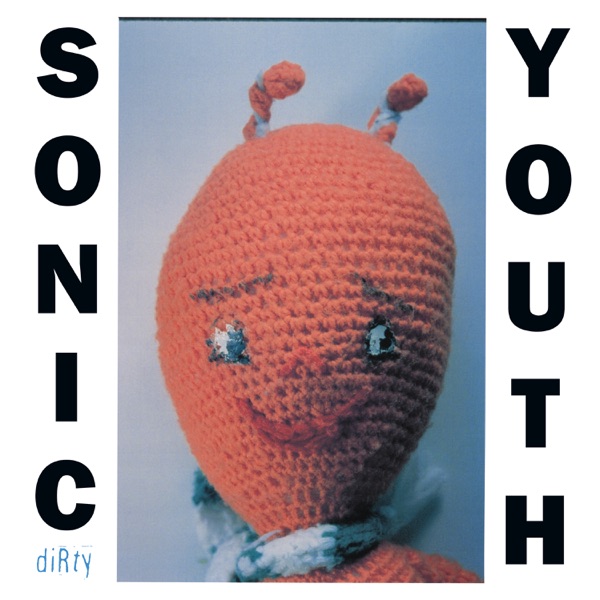
Dirty (1992)
With Jim O’Rourke’s involvement in the production, Dirty doubled down on melody and song-craft while maintaining the noisy, textural approach that defined the band. It stands as one of their most immediately engaging records and a landmark of early-1990s alternative rock.
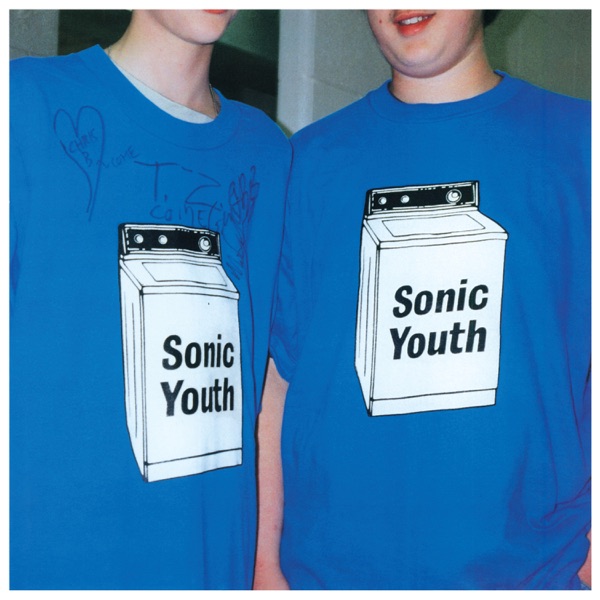
Washing Machine (1995)
The band’s final album for DGC Records, Washing Machine refined their approach with extended improvisational passages embedded within carefully constructed songs. The album showcased the band’s ability to balance restraint and excess, structure and chaos.
Murray Street (2002)
Following a period away from major-label pressure, Murray Street represented a reinvigorated Sonic Youth with renewed focus and creative clarity. The album demonstrated their continued relevance and undiminished experimental drive in the 2000s.
Rather Ripped (2006)
Released after Mark Ibold joined the band in 2006, Rather Ripped continued the group’s evolution with tighter songwriting and production while preserving the idiosyncratic textures and compositional approaches that had always defined them.
Signature Songs
- “Teenage Riot” — A propulsive alternative rock anthem from Daydream Nation that became the closest Sonic Youth came to a radio hit, driven by a memorable guitar riff and Kim Gordon’s vocal presence.
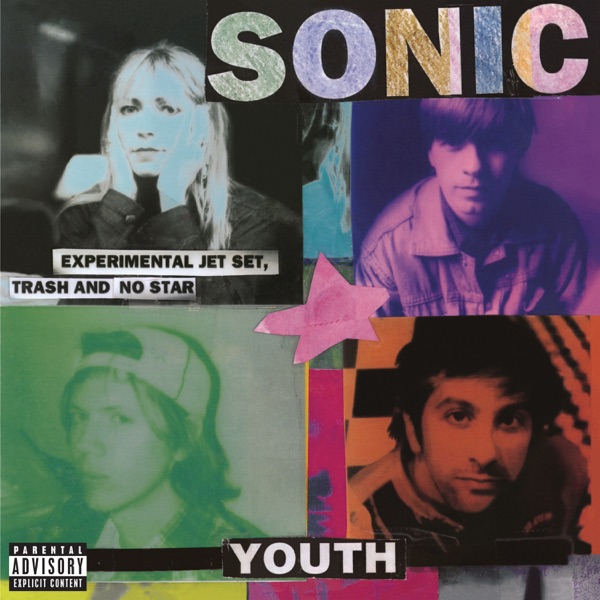
- “Bull in the Heather” — From Experimental Jet Set, Trash and No Star, a more straightforward rock composition that showcased the band’s ability to write structurally conventional songs without sacrificing their sonic identity.
- “Kool Thing” — From Goo, a sparse, hypnotic composition featuring Kim Gordon’s most direct and powerful vocal delivery.
- “Washing Machine” — The extended title track from Washing Machine, an 18-minute piece that demonstrated the band’s mastery of long-form composition and their ability to sustain tension across an extended duration.
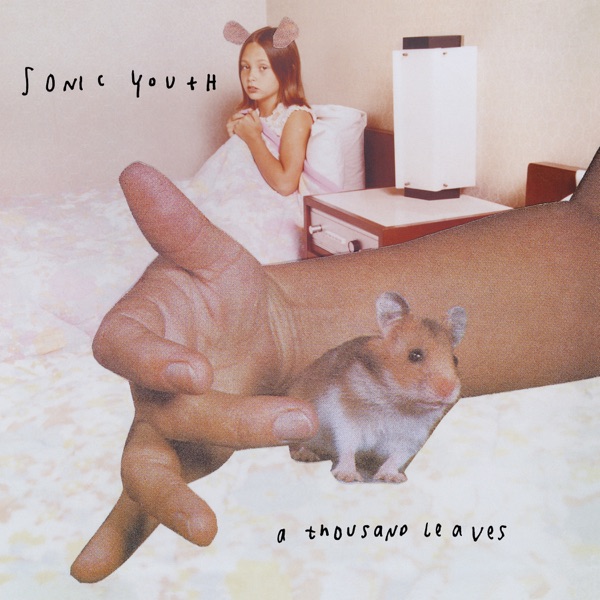
- “Emotion in Motion” — From A Thousand Leaves, a song that balanced Sonic Youth’s signature noise elements with surprising melodic warmth and accessibility.
Influence on Rock
Sonic Youth’s most significant contribution to rock music was the demonstration that avant-garde technique and pop accessibility could coexist. By integrating noise and experimental guitar approaches into compositions that retained melody, narrative, and emotional resonance, they created a template that influenced countless alternative and indie rock bands of the 1990s and 2000s. Their work validated the idea that uncompromising artistic vision could reach mainstream audiences without selling out—a philosophical position that became foundational to indie rock ideology. The band also elevated the role of female musicians in rock music: Kim Gordon’s presence as a bassist, vocalist, and conceptual force challenged gender norms in a field historically dominated by male musicians. Their influence extended to musicians across genres, from art-rock experimentalists to indie songwriters who adopted some element of their approach to guitar textures, recording techniques, or compositional complexity.
Legacy
Sonic Youth disbanded in 2011 after three decades, leaving behind a catalog that remains essential listening for anyone seeking to understand late-20th-century rock music. Their status as pioneers of noise rock and alternative music was cemented long before their final album, The Eternal (2009), and subsequent reunions and archival releases have only reinforced their canonical position. The band’s influence on alternative rock history is permanent: from the feedback-drenched textures that became standard in post-rock and experimental indie music to the philosophical stance that artistic integrity and audience engagement are not opposing values. Their work continues to be streamed, studied in academic contexts, and cited by contemporary musicians as a primary influence. The breadth of their discography and the consistency of their vision across three decades of creative output place them among the most important American rock bands of their era.
Fun Facts
- Sonic Youth often tuned their guitars to non-standard tunings specific to individual songs, requiring careful notation and preparation for each performance and recording session.
- The band maintained their own record label, Ecstatic Peace!, which released work by Sonic Youth and other experimental and avant-garde artists, reflecting their commitment to supporting underground music beyond their own recordings.
- Kim Gordon and Thurston Moore’s creative partnership extended beyond music: their shared sensibility and complementary artistic vision shaped the band’s aesthetic across three decades, making them one of rock’s most enduring creative partnerships.
- The band’s 1990 move to DGC Records, a major label subsidiary of Geffen, was controversial within underground music circles but proved that Sonic Youth could maintain artistic credibility while achieving mainstream visibility.
Discography & Previews
Click any album to expand its track list. Each track plays a 30-second preview streamed from Apple Music. Tap the link icon next to a track to open it in Apple Music for full playback.

- 1 (She's in A) Bad Mood ↗ 5:36
- 2 Protect Me You ↗ 5:28
- 3 Freezer Burn / I Wanna Be Your Dog ↗ 3:39
- 4 Shaking Hell ↗ 4:06
- 5 Inhuman ↗ 4:03
- 6 The World Looks Red ↗ 2:43
- 7 Confusion Is Next ↗ 3:29
- 8 Making the Nature Scene ↗ 3:02
- 9 Lee Is Free ↗ 3:37
- 10 Kill Yr. Idols ↗ 2:52
- 11 Brother James ↗ 3:18
- 12 Early American ↗ 6:07
- 13 Shaking Hell (Live) ↗ 3:16
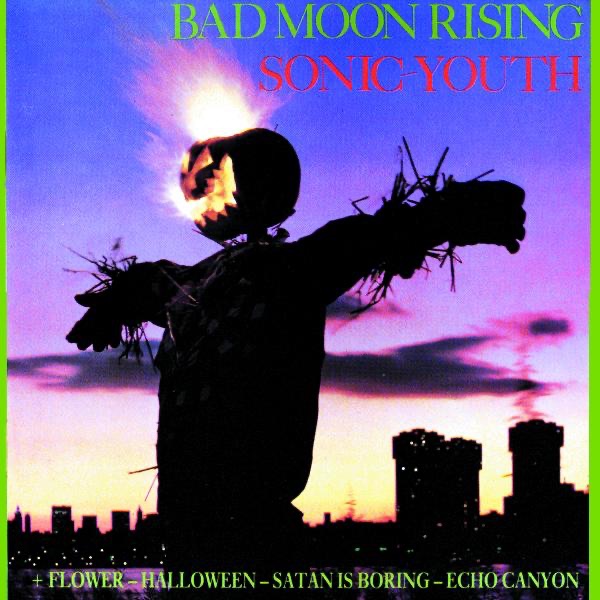
- 1 Intro ↗ 1:11
- 2 Brave Men Run (In My Family) ↗ 3:57
- 3 Society Is a Hole ↗ 4:51
- 4 I Love Her All the Time ↗ 8:22
- 5 Ghost Bitch ↗ 4:25
- 6 I'm Insane ↗ 6:56
- 7 Justice Is Might ↗ 2:57
- 8 Death Valley '69 (with Lydia Lunch) ↗ 5:23
- 9 Satan Is Boring ↗ 5:13
- 10 Halloween ↗ 5:11
- 11 Flower ↗ 3:36
- 12 Echo Canyon ↗ 1:09
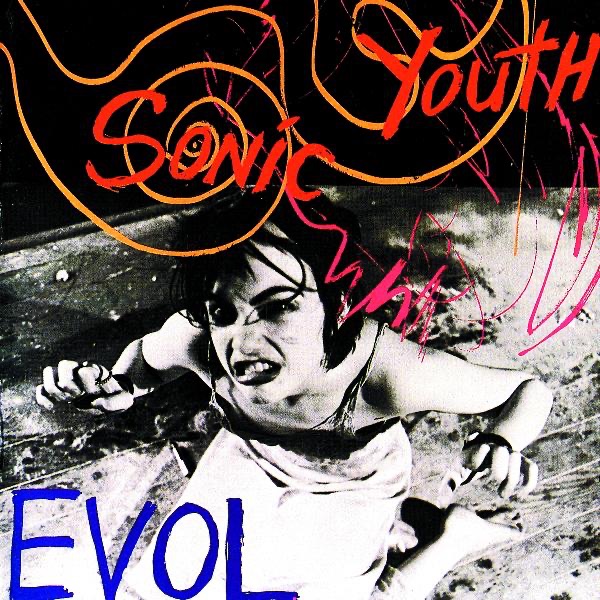


- 1 Teen Age Riot (2012 Remastered Version) ↗ 6:59
- 2 Silver Rocket (2012 Remastered Version) ↗ 3:48
- 3 The Sprawl (2012 Remastered Version) ↗ 7:42
- 4 'Cross the Breeze (2012 Remastered Version) ↗ 7:01
- 5 Eric's Trip (2012 Remastered Version) ↗ 3:49
- 6 Total Trash (2012 Remastered Version) ↗ 7:33
- 7 Hey Joni (2012 Remastered Version) ↗ 4:23
- 8 Providence (2012 Remastered Version) ↗ 2:42
- 9 Candle (2012 Remastered Version) ↗ 4:59
- 10 Rain King (2012 Remastered Version) ↗ 4:39
- 11 Kissability (2012 Remastered Version) ↗ 3:08
- 12 Trilogy: a) The Wonder (2012 Remastered Version) ↗ 4:16
- 13 Trilogy: b) Hyperstation (2012 Remastered Version) ↗ 7:13
- 14 Trilogy: z) Eliminator Jr. (2012 Remastered Version) ↗ 2:38
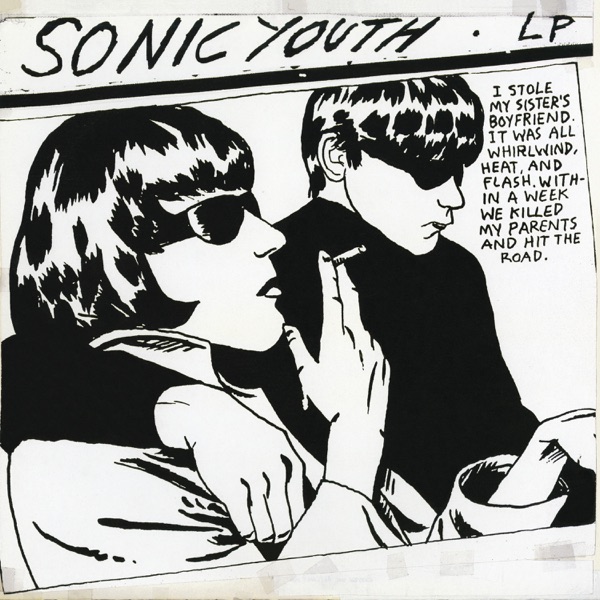
- 1 100% ↗ 2:30
- 2 Swimsuit Issue ↗ 3:00
- 3 Theresa's Sound-World ↗ 5:29
- 4 Drunken Butterfly ↗ 3:04
- 5 Shoot ↗ 5:17
- 6 Wish Fulfillment ↗ 3:27
- 7 Sugar Kane ↗ 5:58
- 8 Orange Rolls, Angel's Spit ↗ 4:19
- 9 Youth Against Fascism ↗ 3:36
- 10 Nic Fit ↗ 1:00
- 11 On The Strip ↗ 5:42
- 12 Chapel Hill ↗ 4:48
- 13 Stalker ↗ 3:01
- 14 JC ↗ 4:03
- 15 Purr ↗ 4:22
- 16 Creme Brulee ↗ 2:35
- 1 Winner's Blues ↗ 2:08
- 2 Bull In the Heather ↗ 3:05
- 3 Starfield Road ↗ 2:15
- 4 Skink ↗ 4:13
- 5 Screaming Skull ↗ 2:39
- 6 Self-Obsessed and Sexxee ↗ 4:30
- 7 Bone ↗ 3:58
- 8 Androgynous Mind ↗ 3:31
- 9 Quest For the Cup ↗ 2:30
- 10 Waist ↗ 2:49
- 11 Doctor's Orders ↗ 4:20
- 12 Tokyo Eye ↗ 3:54
- 13 In the Mind of the Bourgeois Reader ↗ 2:33
- 14 Sweet Shine ↗ 5:24
- 15 Hidden Noise ↗ 1:25
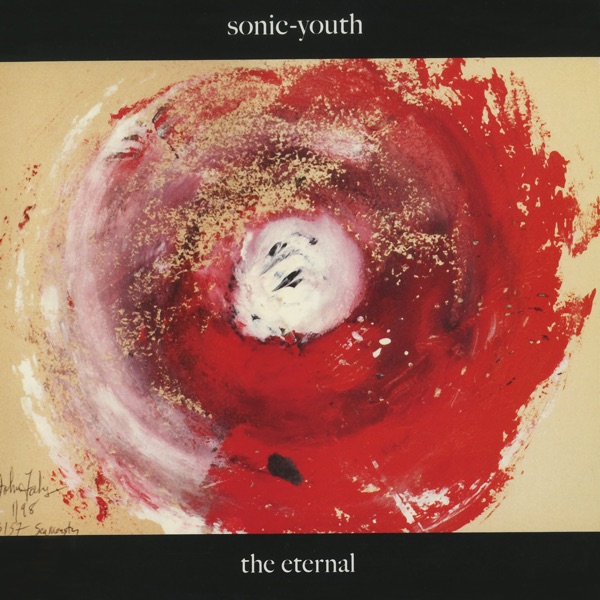
- 1 Sacred Trickster ↗ 2:11
- 2 Anti-Orgasm ↗ 6:08
- 3 Leaky Lifeboat (for Gregory Corso) ↗ 3:32
- 4 Antenna ↗ 6:13
- 5 What We Know ↗ 3:54
- 6 Calming the Snake ↗ 3:36
- 7 Poison Arrow ↗ 3:43
- 8 Malibu Gas Station ↗ 5:39
- 9 Thunderclap For Bobby Pyn ↗ 2:39
- 10 No Way ↗ 3:53
- 11 Walkin Blue ↗ 5:21
- 12 Massage the History ↗ 9:43