
Photo by Austincxiv , licensed under CC BY-SA 4.0 · Wikimedia Commons
Rank #128
Sleep
California riff lords whose 'Dopesmoker' is a stoner-metal cornerstone.
From Wikipedia
Sleep is an American stoner/doom metal band from San Jose, California. Guitarist Matt Pike and bassist and vocalist Al Cisneros have been the only constant members throughout the band's history. Critic Eduardo Rivadavia describes them as "perhaps the ultimate stoner rock band" and notes they exerted a strong influence on metal in the 1990s.
Members
- Jason Roeder (2009–present)
- Al Cisneros
- Chris Hakius (?–2009)
- Matt Pike
Studio Albums
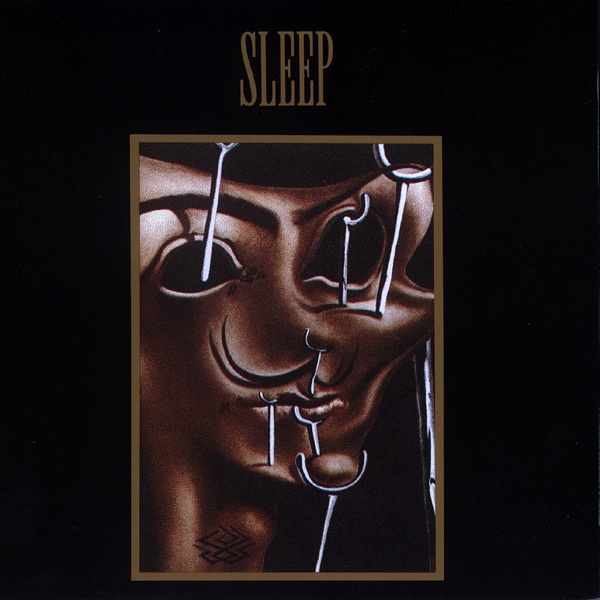
- 1991 Volume One
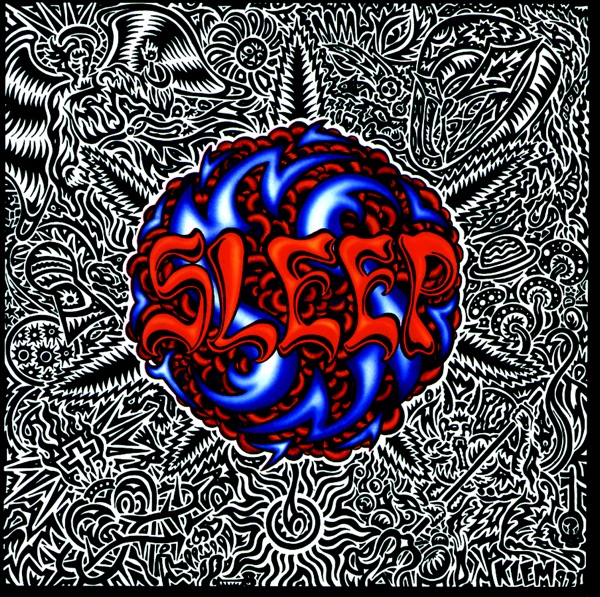
- 1992 Sleep’s Holy Mountain
- 1996 Jerusalem
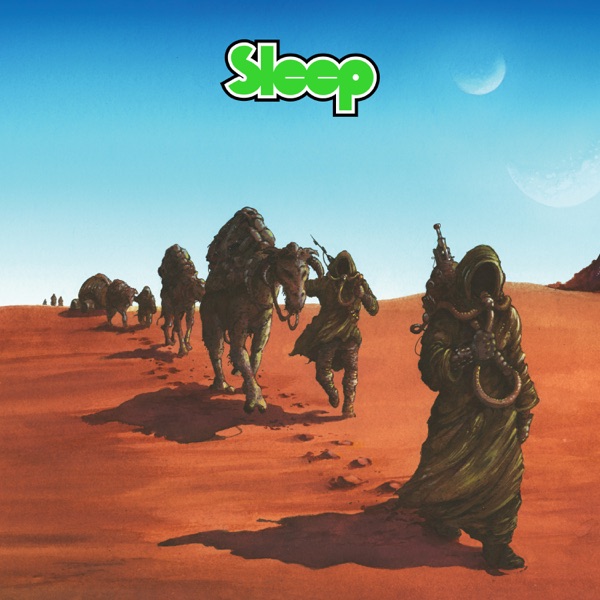
- 2003 Dopesmoker
- 2018 The Sciences
Source: MusicBrainz
Deep Dive
Overview
Sleep stands as one of the most significant stoner and doom metal bands to emerge from the American underground. Formed in San Jose, California in 1990, the band has maintained a deceptively simple lineup centered on guitarist Matt Pike and bassist-vocalist Al Cisneros, whose partnership has defined the project across three decades. Their influence on metal extends far beyond their relatively sparse discography: Sleep’s monolithic approach to riff construction and their willingness to stretch songs across extended durations established a template that countless bands would follow throughout the 1990s and into the twenty-first century.
Formation Story
Sleep coalesced in San Jose in 1990 as part of the broader California heavy music landscape. Matt Pike’s guitar work and Al Cisneros’s bass-and-vocal foundation became the band’s anchors from inception. The early lineup included drummer Chris Hakius, who would remain with the band through its first major recordings and continue in various capacities until 2009. The band’s emergence coincided with a broader awakening of interest in heavy, blues-based riffing that drew from Kyuss, Black Sabbath, and other forebears of what would become formalized as stoner rock.
Breakthrough Moment
Sleep’s first recorded statement came with Volume One in 1991, a raw debut that announced their arrival as serious practitioners of doom-inflected heavy music. However, it was their second album, Sleep’s Holy Mountain (1992), that truly signaled their importance within the underground metal community. The record showcased a band increasingly confident in its ability to construct overwhelming riffs and sustain them across elongated song structures. By the mid-1990s, Sleep had become recognized as a major force in stoner metal, with Jerusalem arriving in 1996 as further evidence of their creative depth and refusal to sacrifice substance for commercial convenience.
Peak Era
The early-to-mid 1990s represented Sleep’s initial peak, with Volume One, Sleep’s Holy Mountain, and Jerusalem establishing the band’s core identity. However, Sleep’s most iconic and culturally resonant work emerged later: Dopesmoker, released in 2003, has since become recognized as a cornerstone of stoner metal. The album’s creation spanned years of recording and label complications, but the final result justified the extended gestation. Dopesmoker solidified Sleep’s position as serious architects of heavy sound, attracting listeners who might not ordinarily explore metal but were drawn to the album’s hypnotic, riff-centered approach. This period confirmed Sleep as a band whose influence extended beyond their output’s volume, shaping how subsequent generations understood the possibilities of stoner and doom metal.
Musical Style
Sleep’s sound is built on a foundation of enormous, blues-derived riffs, delivered with the weight of Sabbath-influenced doom metal but the groove-oriented sensibility of stoner rock. Matt Pike’s guitar work favors thick, distorted tones and extended instrumental passages that dominate the sonic landscape, while Al Cisneros’s bass playing locks into Pike’s riffing with locked-in precision, providing both melodic and rhythmic counterweight. Cisneros’s vocals, when they appear, tend toward spoken or chanted delivery rather than conventional singing, adding to the music’s monolithic character. The band’s approach to song structure emphasizes repetition and hypnotic development: rather than building dynamic contrast through verse-chorus alternation, Sleep constructs massive riffs that evolve subtly across extended durations, pulling listeners into an immersive sonic experience. This patient, almost meditative approach to heavy music set Sleep apart from faster, more technically oriented metal bands of their era.
Major Albums
Sleep’s Holy Mountain (1992)
The album that established Sleep as serious contenders within the underground metal scene, Holy Mountain showcased the band’s developing mastery of extended riff-based composition and their ability to sustain heaviness across multiple songs without sacrificing distinctiveness.
Jerusalem (1996)
A continued refinement of Sleep’s stoner-doom blueprint, Jerusalem demonstrated the band’s commitment to their vision during a period when the broader metal landscape was fragmenting in multiple directions.
Dopesmoker (2003)
Possibly Sleep’s most enduring statement, Dopesmoker crystallized the band’s vision into a monument of heavy music that has only grown in cultural significance since its release, becoming the album most closely associated with modern stoner metal.
The Sciences (2018)
A return to recording after years of hiatus and sporadic activity, The Sciences saw Sleep reassert their ongoing relevance, proving the core partnership of Pike and Cisneros remained creatively vital.
Signature Songs
- Dragonaut — A signature display of Sleep’s ability to anchor an entire composition around a single, devastating riff that unfolds across minutes of hypnotic repetition.
- Dopesmoker — The centerpiece of their 2003 album, this extended instrumental meditation became the song most associated with the band’s legacy and influence.
- Aqua Lung — Showcases the band’s willingness to explore variations in riff-based songwriting while maintaining their core sonic identity.
Influence on Rock
Sleep’s impact on metal and heavy music extends across multiple generations. By positioning the riff as the primary organizational principle of composition and by refusing to subordinate heaviness to speed or technical display, Sleep provided a template that influenced countless bands working in stoner, doom, and sludge metal throughout the 1990s and beyond. Their insistence on extended song lengths and hypnotic repetition presaged broader acceptance of ambient and meditative approaches within heavy music. The band’s influence can be traced through the work of numerous groups who emerged in their wake, many of whom adopted Sleep’s commitment to riff-centered songwriting and patient, immersive sonic construction.
Legacy
Sleep’s position within rock and metal history has only solidified with time. Dopesmoker in particular has achieved a canonical status within stoner metal, regularly cited as one of the genre’s definitive statements. The band’s continued existence, despite long gaps between recording and touring, maintains their relevance: The Sciences in 2018 demonstrated that Matt Pike and Al Cisneros remained committed to the project, offering new material rather than resting on the considerable laurels of their earlier work. Sleep remains a touchstone reference point for musicians and listeners exploring the intersection of heavy music, psychedelia, and minimalist compositional approaches. Their official website and continued presence in the underground and mainstream metal communities ensure their visibility for new listeners discovering stoner metal.
Fun Facts
- Sleep recorded and released material on multiple labels throughout their history, including London Records and Earache Records, reflecting the band’s movement across different segments of the metal industry.
- The extended creation and release history of Dopesmoker involved years of recording and label complications before its final 2003 release, adding to the album’s mythology.
- Matt Pike and Al Cisneros have remained the only constant members throughout Sleep’s three-decade history, making their partnership one of the most enduring collaborations in heavy metal.
- The band’s name and lyrical themes often reference cannabis culture, connecting their music to broader countercultural aesthetics and psychedelic rock traditions.
Discography & Previews
Click any album to expand its track list. Each track plays a 30-second preview streamed from Apple Music. Tap the link icon next to a track to open it in Apple Music for full playback.