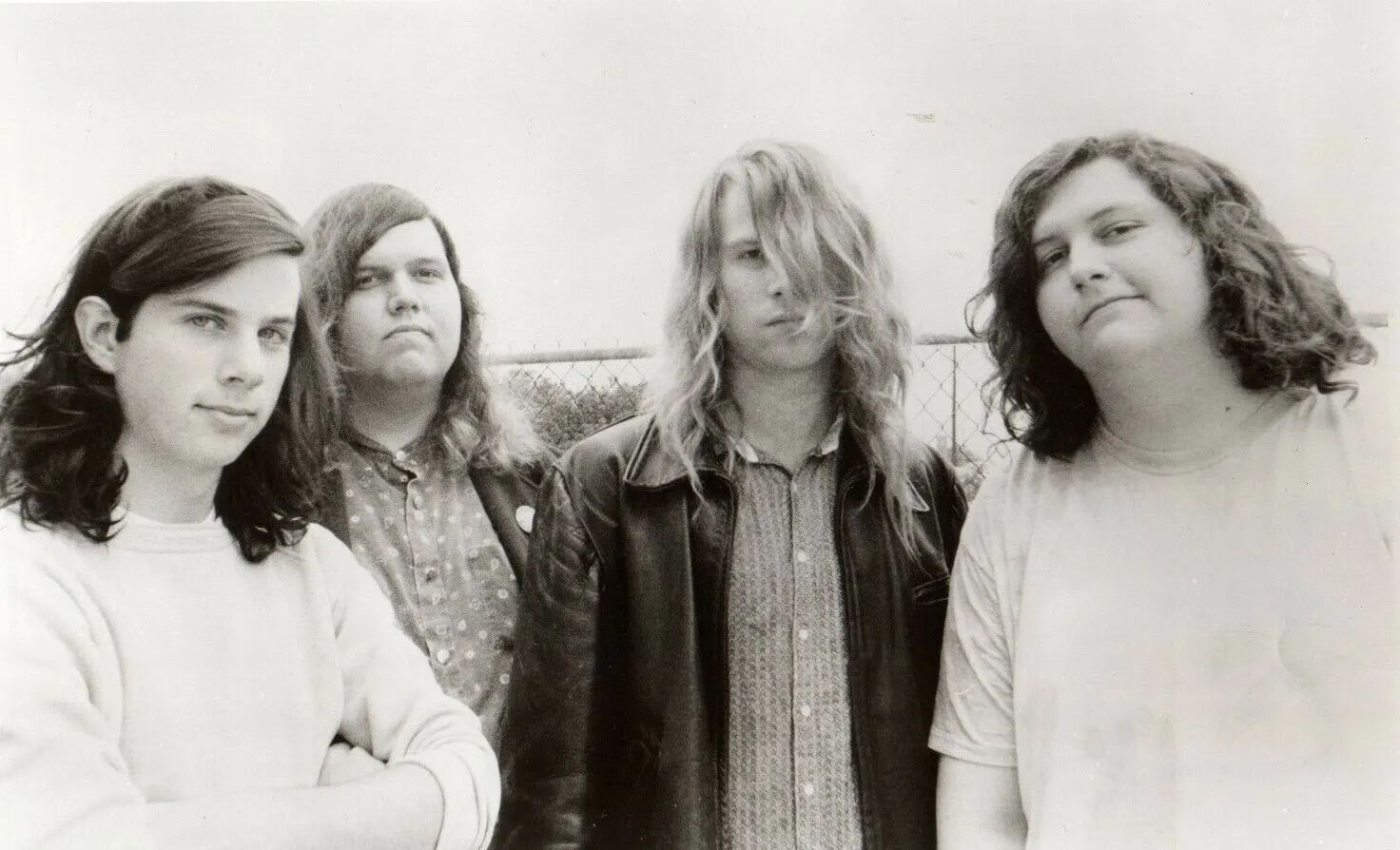
Photo by Naomi Petersen. Distributed by SST Records . , licensed under Public domain · Wikimedia Commons
Rank #433
Screaming Trees
Mark Lanegan-fronted grunge band of psychedelic shading.
From Wikipedia
Screaming Trees were an American rock band formed in Ellensburg, Washington, in 1984 by vocalist Mark Lanegan, guitarist Gary Lee Conner, bassist Van Conner, and drummer Mark Pickerel. Pickerel was replaced by Barrett Martin in 1991. Screaming Trees became known as one of the pioneers of grunge along with Melvins, Mudhoney, U-Men, Skin Yard, Soundgarden, Green River, and Malfunkshun, among others. Although widely associated with grunge, the band's sound incorporated hard rock and psychedelic elements.
Members
- Mark Lanegan
Studio Albums
- 1986 Clairvoyance
- 1987 Even If and Especially When
- 1988 Invisible Lantern
- 1989 Buzz Factory
- 1991 Uncle Anesthesia
- 1992 Sweet Oblivion
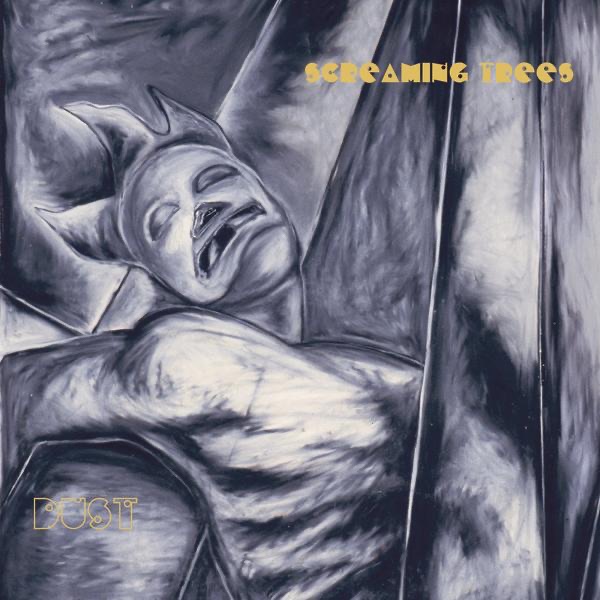
- 1996 Dust
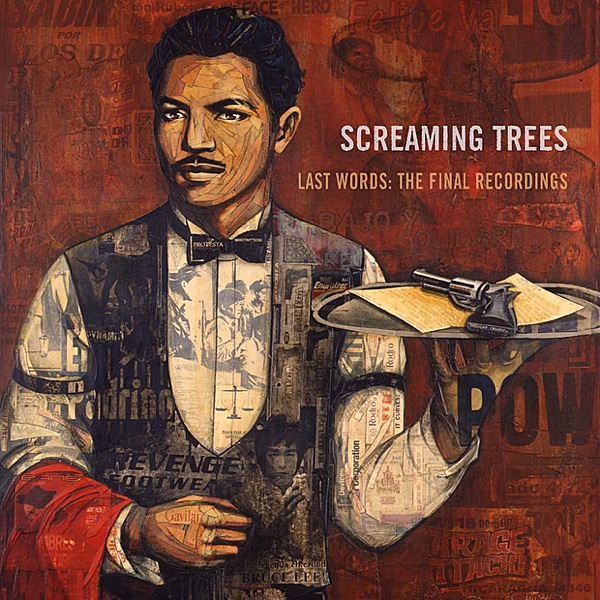
- 2011 Last Words: The Final Recordings
Source: MusicBrainz
Deep Dive
Overview
Screaming Trees were an American rock band formed in Ellensburg, Washington, in 1985, and became recognized as one of the pioneering acts of the grunge movement alongside Melvins, Mudhoney, Soundgarden, and Green River. Fronted by vocalist Mark Lanegan, the band distinguished itself within the grunge landscape by blending hard rock and psychedelic elements, creating a sound that transcended the genre’s typical aesthetic. Their presence helped establish the Pacific Northwest as the epicenter of alternative rock in the late 1980s and early 1990s.
Formation Story
Screening Trees emerged from Ellensburg, a town east of Seattle, when Mark Lanegan joined forces with guitarist Gary Lee Conner, bassist Van Conner, and drummer Mark Pickerel in 1985. The Conner brothers provided the band’s musical foundation, with their intertwined guitar and bass work establishing a heavy yet textured sonic palette. Lanegan’s distinctive baritone vocals immediately set the band apart from their contemporaries. The formation of Screaming Trees coincided with the broader emergence of Seattle’s underground rock scene, a moment when local bands were beginning to synthesize punk, metal, and psychedelic influences into something entirely new.
Breakthrough Moment
Screening Trees’ early recordings on SST Records—particularly their 1988 album Invisible Lantern and the 1989 release Buzz Factory—established the band’s credentials within the expanding Seattle underground. However, their transition to mainstream attention occurred following their 1991 album Uncle Anesthesia, which saw the introduction of Barrett Martin on drums, replacing Mark Pickerel. This lineup shift coincided with the broader momentum of Seattle grunge, as the genre began its ascent from regional phenomenon to international commercial force. The band’s association with Sub Pop, the label that had become synonymous with grunge, further elevated their profile.
Peak Era
Screening Trees reached their commercial and critical zenith in the early-to-mid 1990s with the album Sweet Oblivion in 1992, released on Epic Records. This period marked the band’s full integration into the mainstream grunge landscape, benefiting from the movement’s explosive popularity while maintaining their distinctive psychedelic-inflected sound. The early-to-mid 1990s represented the most visible and accessible chapter of their career, when their music reached its widest audience and their reputation as serious musicians, not merely trend-riders, solidified among critics and devoted fans.
Musical Style
Screening Trees’ sound fused the heavy riffs and distorted guitar textures of hard rock with psychedelic production choices and atmospheric arrangements. Mark Lanegan’s deep, melancholic voice became the band’s signature characteristic—a counterpoint to the brighter vocal styles prominent in other grunge acts. Gary Lee Conner and Van Conner crafted guitar and bass interplay that emphasized both melody and texture, moving away from the purely power-chord driven approaches favored by some Seattle contemporaries. The band’s incorporation of psychedelic elements, evident in their use of layered harmonies, exploratory song structures, and spacious production, provided an alternative genealogy within grunge, one that traced back through 1970s hard rock and 1960s psychedelia rather than purely through punk and metal.
Major Albums
Sweet Oblivion (1992)
The band’s most commercially successful release, Sweet Oblivion represented their full arrival as both a regional and national act, showcasing mature songwriting and production that expanded on their earlier psychedelic-hard rock foundation.
Invisible Lantern (1988)
A pivotal early effort that demonstrated the band’s ability to balance heaviness with atmospheric depth, establishing many of the sonic characteristics that would define their later work.
Buzz Factory (1989)
Released as grunge was beginning to coalesce as a recognizable movement, this album reinforced Screaming Trees’ position among Seattle’s most ambitious alternative rock bands.
Uncle Anesthesia (1991)
Marked the introduction of Barrett Martin on drums and appeared during the period of grunge’s acceleration toward mainstream acceptance, capturing the band in a moment of renewed creative energy.
Dust (1996)
A later-career release that continued the band’s exploration of psychedelic and hard rock textures in the post-grunge era.
Signature Songs
- “Nearly Lost You” — A showcase for Mark Lanegan’s vocal depth and the band’s ability to balance heaviness with melodic sensibility.
- “Dollar Bill” — Demonstrated the band’s harder-edged approach without abandoning their psychedelic sensibilities.
- “Evergreen” — Exemplified the band’s melancholic atmosphere and Lanegan’s distinctive baritone.
- “Change Has Come” — Highlighted the interplay between the Conner brothers’ guitar and bass work over Lanegan’s commanding vocal performance.
Influence on Rock
Screening Trees’ demonstration that grunge could incorporate psychedelic textures and atmosphere influenced subsequent alternative and hard rock bands to explore similar sonic territories. Their success proved that the Seattle grunge movement encompassed considerable stylistic diversity, and that the genre’s appeal extended beyond the angst-driven punk-metal fusion that many associated with bands like Nirvana. Mark Lanegan’s powerful baritone and the band’s willingness to prioritize atmosphere and texture in their production choices offered an alternative model for how hard rock vocals and arrangements could function in the alternative rock era.
Legacy
Screening Trees disbanded in 2000, though their influence on grunge and alternative rock history remained significant. The band reunited periodically and continued to release material, including Last Words: The Final Recordings in 2011. Their position among the pioneering acts of grunge—alongside Soundgarden, Melvins, and Mudhoney—secured their place in rock history as essential architects of the movement, even as their psychedelic-inflected sound distinguished them from more straightforward hard rock and punk-influenced contemporaries. The band’s legacy rests not merely on their commercial success but on their demonstration that grunge encompassed considerable sonic range and artistic ambition.
Fun Facts
- Screaming Trees formed in Ellensburg, a town located away from Seattle’s main music hub, yet still became central figures in the Seattle grunge movement.
- The band’s 1988 album Invisible Lantern was released on SST Records, the influential independent label that had previously championed Black Flag and other punk and post-punk acts.
- Mark Lanegan’s distinctive baritone vocal style became so recognizable that he pursued a notable solo career alongside his work with Screaming Trees.
- The band’s transition from SST Records to Epic Records with Uncle Anesthesia reflected the broader movement of Seattle acts from independent to major-label distribution during grunge’s commercial explosion.
Discography & Previews
Click any album to expand its track list. Each track plays a 30-second preview streamed from Apple Music. Tap the link icon next to a track to open it in Apple Music for full playback.


- 1 Beyond This Horizon ↗ 4:13
- 2 Bed of Roses ↗ 3:03
- 3 Uncle Anesthesia ↗ 3:52
- 4 Story of Her Fate ↗ 1:40
- 5 Caught Between ↗ 5:04
- 6 Lay Your Head Down ↗ 3:32
- 7 Before We Arise ↗ 2:27
- 8 Something About Today ↗ 3:03
- 9 Alice Said ↗ 4:12
- 10 Time for Light ↗ 3:48
- 11 Disappearing ↗ 3:11
- 12 Ocean of Confusion ↗ 3:05
- 13 Closer ↗ 5:48