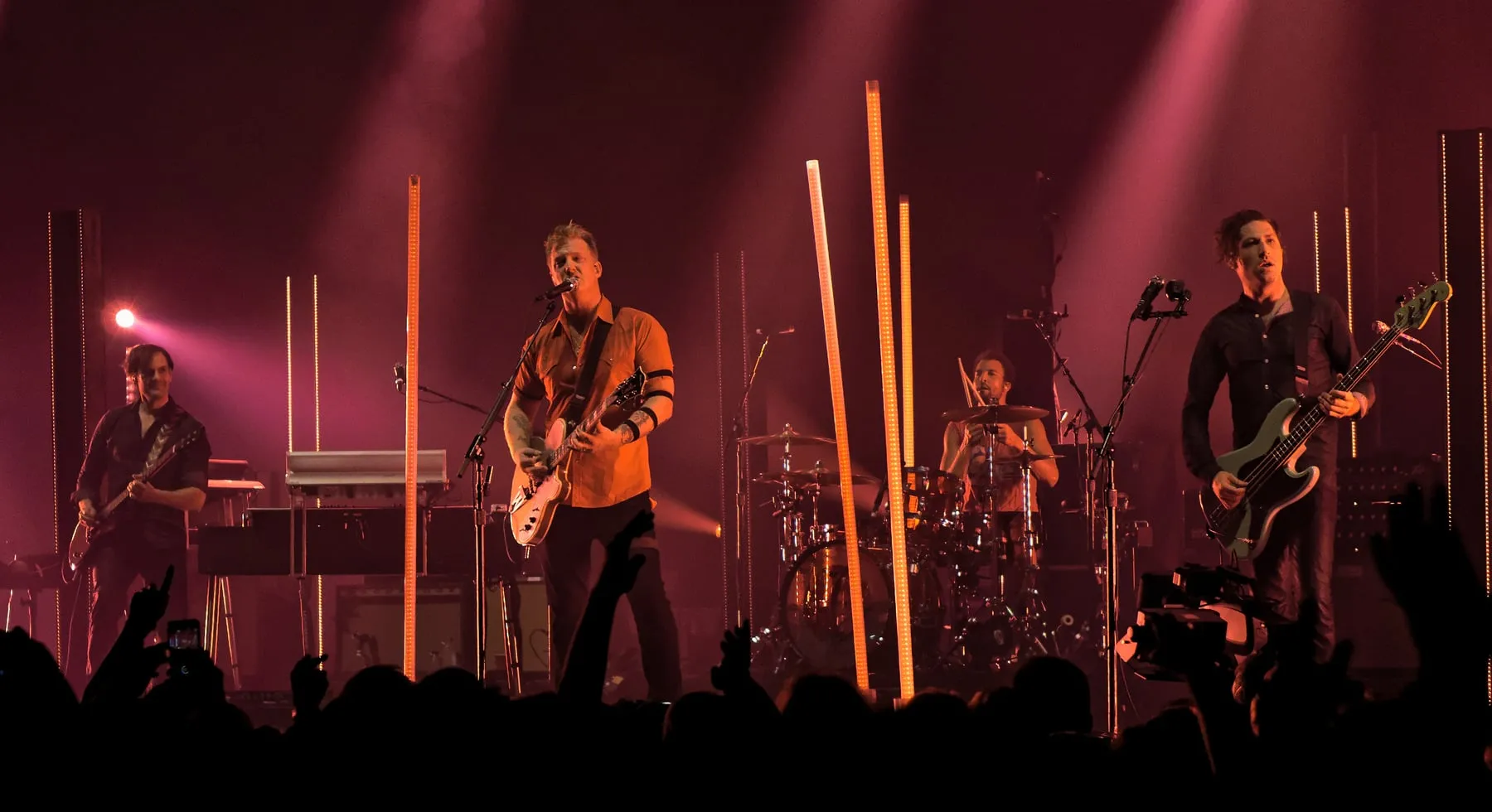
Photo by Raph_PH , licensed under CC BY 2.0 · Wikimedia Commons
Rank #130
Queens of the Stone Age
Josh Homme's hooky desert-rock project and rock radio mainstay.
From Wikipedia
Queens of the Stone Age is an American rock band formed in Seattle in 1996. The band was founded by vocalist and guitarist Josh Homme shortly before he returned to his native Palm Desert, California. Homme has been the only constant member throughout multiple line-up changes; since 2013, the line-up has consisted of Homme, Troy Van Leeuwen, Michael Shuman, Dean Fertita, and Jon Theodore.
Members
- Alain Johannes
- Alfredo Hernández
- Dave Catching
- Dave Grohl
- Dean Fertita
- Gene Trautmann
- Joey Castillo
- Jon Theodore
- Josh Homme
- Mark Lanegan
- Michael Shuman
- Natasha Shneider
- Nick Oliveri
- Troy Van Leeuwen
Studio Albums
- 1998 Queens of the Stone Age
- 2000 Rated R
- 2002 Songs for the Deaf
- 2005 Lullabies to Paralyze
- 2007 Era Vulgaris
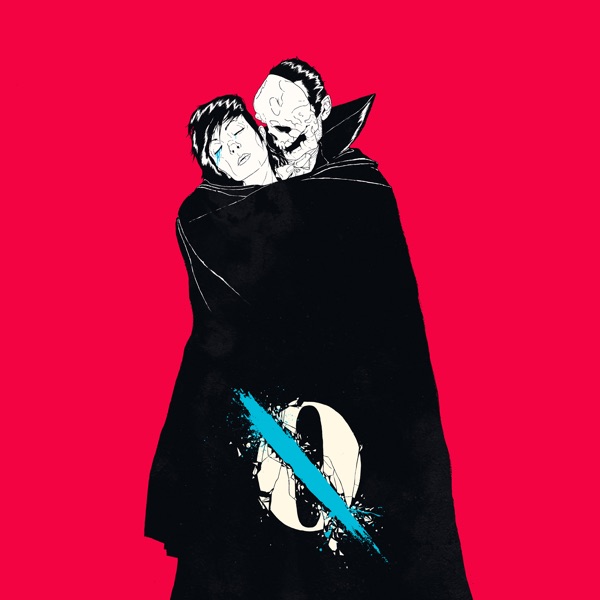
- 2013 …Like Clockwork
- 2017 Villains
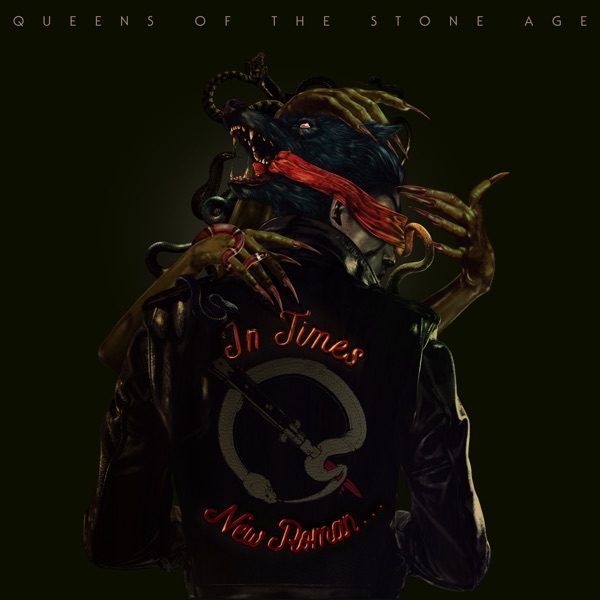
- 2023 In Times New Roman…
Source: MusicBrainz
Deep Dive
Overview
Queens of the Stone Age is an American rock band formed in Seattle in 1996 by Josh Homme, who relocated to his native Palm Desert, California shortly after the band’s founding. The group emerged from the California desert rock scene and became one of the most prolific and influential hard rock acts of the 21st century. Homme remained the sole constant member through numerous lineup shifts, establishing QOTSA as a vehicle for heavy, melodically sophisticated alternative rock that drew equally from stoner rock traditions, funk grooves, and pop song structure.
Formation Story
Josh Homme founded Queens of the Stone Age in Seattle in 1996, immediately before moving back to Palm Desert. The band’s geographic shift from the Pacific Northwest to the Mojave Desert proved formative; Palm Desert’s isolated but musically vibrant scene—anchored by bands like Kyuss and Fu Manchu—provided both sonic and community context. Though the earliest lineup included figures such as Mark Lanegan and Dave Catching, Homme’s presence as songwriter, vocalist, and guitarist defined the project from inception. By the time the band issued its first full-length, the desert rock identity was already crystallizing around fuzzy, downtuned riffs and compressed, synth-like guitar textures.
Breakthrough Moment
Queens of the Stone Age’s self-titled debut arrived in 1998 and signaled the band’s arrival as a serious creative force within hard rock circles. The album moved beyond traditional stoner rock templates by emphasizing angular song structures and Homme’s distinctive falsetto vocal approach. The real commercial breakthrough came with Rated R in 2000, which introduced a lean, focused sound and began attracting mainstream rock radio and MTV attention. Songs for the Deaf, released in 2002, cemented their transition to arena-rock status; the album featured both radio-ready anthems and deeper cuts that demonstrated Homme’s ear for melody within a heavy framework. By this point, QOTSA occupied a unique space—heavy enough for metal audiences, hooky enough for alternative rock playlists, and sophisticated enough to sustain critical respect.
Peak Era
The years between 2000 and 2007 marked Queens of the Stone Age’s most commercially successful and artistically confident period. Rated R and Songs for the Deaf established them as major-label players capable of translating desert-rock minimalism into stadium-ready production. Lullabies to Paralyze (2005) further expanded their sonic palette while maintaining the heavy-yet-tuneful identity. Era Vulgaris (2007) continued this trajectory, showcasing Homme’s evolving compositional approach and his ability to attract world-class collaborators and session players. This era saw the band become genuine rock radio fixtures, a feat rare for acts rooted in stoner and desert rock traditions. The stable presence of musicians such as Troy Van Leeuwen, Nick Oliveri, and drummer Joey Castillo during much of this period provided continuity and allowed Homme to refine his vision across multiple tours and studio cycles.
Musical Style
Queens of the Stone Age’s sound coalesced around heavily compressed, often synth-like guitar tones created through overdriven signal chains and unconventional effects processing. Homme’s riffs favor angular, stop-start rhythms and prominent bass frequencies, creating a percussive quality that often drives the song architecture more than traditional verse-chorus patterns. Vocally, Homme employs both a gritty lower register and a characteristic falsetto, the latter deployed for melodic emphasis and emotional inflection. The band’s rhythm section, whether featuring Dave Grohl (who appeared on major sessions), Joey Castillo, or Jon Theodore, typically locks into tight, groove-oriented patterns that distinguish QOTSA from looser, jam-based stoner rock traditions. Lyrically, Homme writes in oblique, imagery-driven verse, rarely adopting the explicit anthemic stance of mainstream hard rock. The band’s sonic evolution from their debut through Era Vulgaris reflected increasing studio sophistication and production polish without sacrificing the heavy, detuned foundation that first defined them.
Major Albums
Queens of the Stone Age (1998)
The debut established the band’s signature compressed guitar sound and Homme’s falsetto vocal delivery, proving that desert rock could sustain a full-length album without sacrifice to hooks or arrangement intelligence.
Rated R (2000)
A leaner, more focused follow-up that refined the band’s radio-ready instincts while maintaining heaviness, marking the beginning of their transition from cult concern to mainstream recognition.
Songs for the Deaf (2002)
Widely regarded as the band’s commercial and creative peak, the album balanced accessibility with instrumental sophistication, generating substantial radio play and establishing QOTSA as genuine arena-rock contenders.
Lullabies to Paralyze (2005)
A sprawling, ambitious work that expanded the sonic palette while maintaining the core desert-rock identity, with Dave Grohl contributing drums on key tracks and lending the album wider mainstream visibility.
…Like Clockwork (2013)
Their first studio album in six years, released on Matador Records, signaling a return after a period of quieter activity and reinforcing the band’s enduring creative drive with a stable lineup featuring Van Leeuwen, Shuman, Fertita, and Theodore.
Signature Songs
- “No One Knows” — A showcase for Homme’s melodic sensibility and compressed guitar tone, becoming one of the band’s most recognizable and radio-friendly compositions.
- “Song for the Deaf” — A explosive instrumental showcase featuring Dave Grohl on drums, demonstrating the band’s rhythmic sophistication and dynamic range.
- “Go with the Flow” — A groove-oriented track emphasizing the band’s funk-rock undertones and accessible but heavy production approach.
- “First It Giveth” — A showcase for Homme’s falsetto and the band’s ability to build tension through arrangement and textural layering.
- “The Lost Art of Keeping a Secret” — An early radio hit that displayed the band’s mainstream rock potential while anchoring their identity in desert imagery and heavy sound.
Influence on Rock
Queens of the Stone Age fundamentally reshaped the relationship between stoner and desert rock and mainstream rock radio. By proving that heavily downtuned, synth-like guitar work could coexist with pop melody and arena-rock production, Homme established a template that influenced countless hard rock and alternative rock acts in the 2000s and beyond. The band demonstrated that rock radio could accommodate sophisticated, sometimes oblique songwriting without sacrificing heaviness or groove. Their success legitimized desert rock as a major-label concern and showed that groups rooted in California’s underground could achieve genuine commercial scale. The Dave Grohl association—both through the Lullabies to Paralyze sessions and broader rock community cross-pollination—amplified their cultural reach and influenced how drummer-driven heavy music was recorded and perceived in the post-grunge era.
Legacy
Queens of the Stone Age remains an active and touring concern, with a stable lineup in place since 2013 consisting of Homme, Troy Van Leeuwen, Michael Shuman, Dean Fertita, and Jon Theodore. The band’s extensive discography—spanning from 1998 through 2023’s In Times New Roman…—occupies a central position in 21st-century hard rock history. Their streaming presence remains substantial, and their influence on contemporary heavy and alternative rock acts is measurable in both sonic imitation and conceptual approach. The band’s ability to remain creatively relevant across multiple decades, without revisiting past glories or sacrificing Homme’s compositional voice, has cemented their standing as one of rock’s most consistently respected major acts. Their catalog continues to be reappraised and discovered by successive generations of rock listeners, ensuring their place in the broader hard rock canon.
Fun Facts
- Mark Lanegan, later celebrated as a solo artist and Screaming Trees vocalist, appeared on the band’s earliest recordings before pursuing other projects.
- Dave Grohl’s drumming contributions on Lullabies to Paralyze marked a rare instance of the Foo Fighters frontman appearing as a session musician on another major act’s album.
- The band was formed in Seattle but immediately relocated to Palm Desert, California, a geographical shift that proved artistically definitive and embedded them in the American desert rock tradition rather than Seattle’s grunge legacy.
- Jon Theodore, the band’s drummer since 2013, previously served as the drummer for The Mars Volta, representing a cross-pollination between progressive and heavy rock worlds.
Discography & Previews
Click any album to expand its track list. Each track plays a 30-second preview streamed from Apple Music. Tap the link icon next to a track to open it in Apple Music for full playback.

- 1 Regular John ↗ 4:38
- 2 Avon ↗ 3:25
- 3 If Only ↗ 3:23
- 4 Walkin on the Sidewalks ↗ 5:02
- 5 You Would Know ↗ 4:18
- 6 How to Handle a Rope (A Lesson in the Lariat) ↗ 3:31
- 7 Mexicola ↗ 4:56
- 8 Hispanic Impressions ↗ 2:47
- 9 You Can't Quit Me Baby ↗ 6:37
- 10 Give the Mule What He Wants ↗ 3:09
- 11 I Was a Teenage Hand Model ↗ 5:02

- 1 Feel Good Hit of the Summer ↗ 2:44
- 2 The Lost Art of Keeping a Secret ↗ 3:36
- 3 Leg of Lamb ↗ 2:49
- 4 Auto Pilot ↗ 4:01
- 5 Better Living Through Chemistry ↗ 5:49
- 6 Monsters In the Parasol ↗ 3:28
- 7 Quick and to the Pointless ↗ 1:42
- 8 In the Fade ↗ 3:51
- 9 Feel Good Hit of the Summer (Reprise) ↗ 0:35
- 10 Tension Head ↗ 2:53
- 11 Lightning Song ↗ 2:07
- 12 I Think I Lost My Headache ↗ 8:40

- 1 The Real Song for the Deaf ↗ 1:32
- 2 You Think I Ain't Worth a Dollar, But I Feel Like a Millionaire ↗ 3:13
- 3 No One Knows ↗ 4:39
- 4 First It Giveth ↗ 3:18
- 5 Song for the Dead ↗ 5:52
- 6 The Sky Is Fallin' ↗ 6:16
- 7 Six Shooter ↗ 1:19
- 8 Hanging Tree ↗ 3:06
- 9 Go with the Flow ↗ 3:07
- 10 Gonna Leave You ↗ 2:50
- 11 Do It Again ↗ 4:05
- 12 God Is In The Radio ↗ 6:05
- 13 Another Love Song ↗ 3:16
- 14 Song for the Deaf ↗ 6:43
- 15 Mosquito Song (Hidden Track) ↗ 5:38

- 1 This Lullaby ↗ 1:23
- 2 Medication ↗ 1:54
- 3 Everybody Knows That You're Insane ↗ 4:14
- 4 Tangled Up In Plaid ↗ 4:13
- 5 Burn the Witch ↗ 3:35
- 6 In My Head ↗ 4:01
- 7 Little Sister ↗ 2:54
- 8 I Never Came ↗ 4:48
- 9 Someone's In the Wolf ↗ 7:16
- 10 The Blood Is Love ↗ 6:38
- 11 Skin On Skin ↗ 3:42
- 12 Broken Box ↗ 3:02
- 13 You Got a Killer Scene There, Man... ↗ 4:57
- 14 Long Slow Goodbye ↗ 6:54