
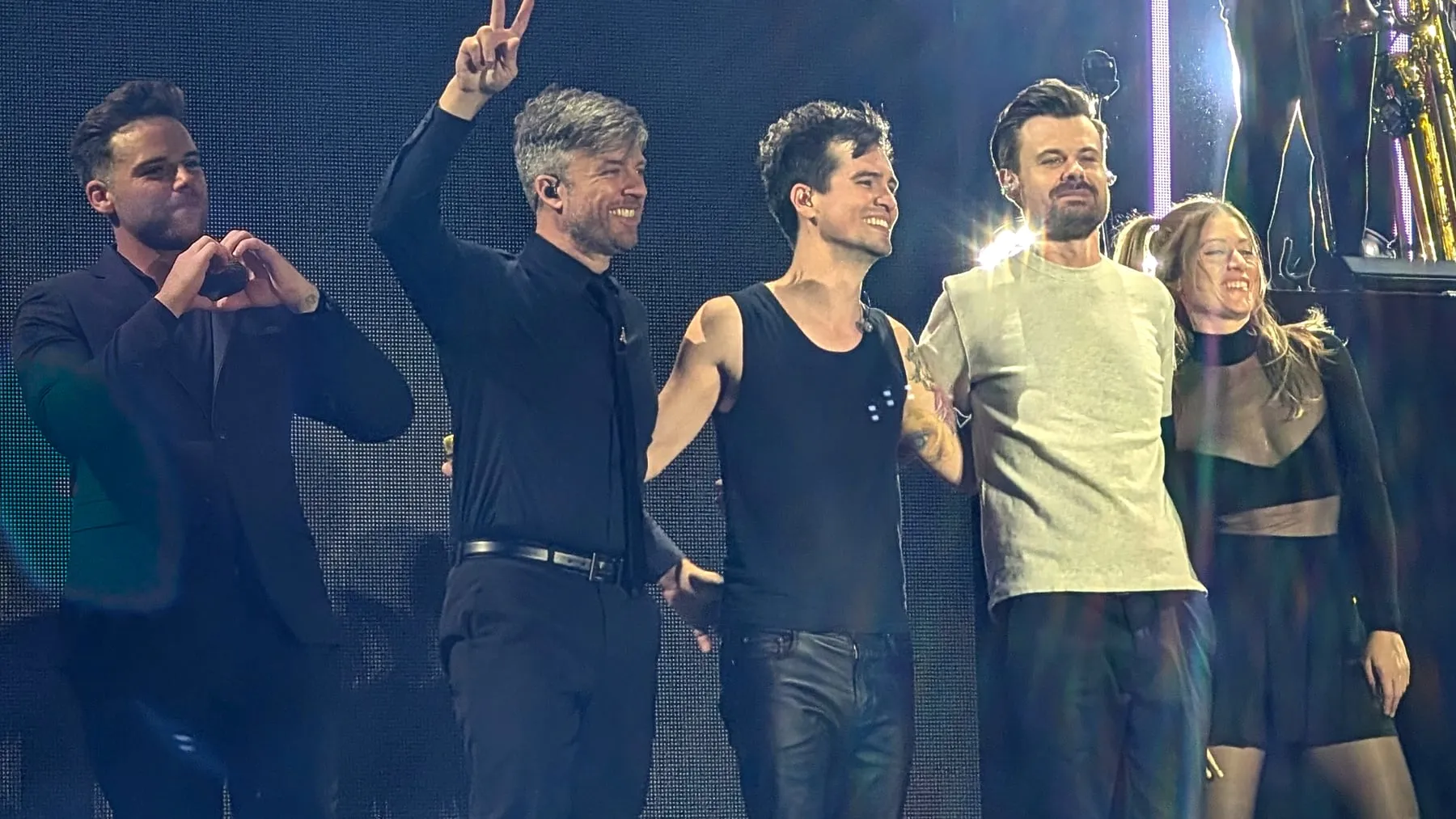
Photo by Popturtle , licensed under CC BY 4.0 · Wikimedia Commons
Rank #161
Panic! at the Disco
Vegas band whose vaudevillian emo-pop dominated late-2000s charts.
From Wikipedia
Panic! at the Disco was an American pop rock band formed in Las Vegas, Nevada, in 2004 by high school friends Ryan Ross and Spencer Smith (drums), who recruited classmates Brendon Urie and Brent Wilson (bass). Following several lineup changes, Panic! at the Disco operated as the solo project of frontman Urie from 2015 until its discontinuation in 2023.
Members
- Brent Wilson (2004–2006)
- Ryan Ross (2004–2009)
- Spencer Smith (2004–2015)
- Jon Walker (2006–2009)
- Dallon Weekes (2010–2015)
- Brendon Urie
Studio Albums
- 2005 A Fever You Can’t Sweat Out
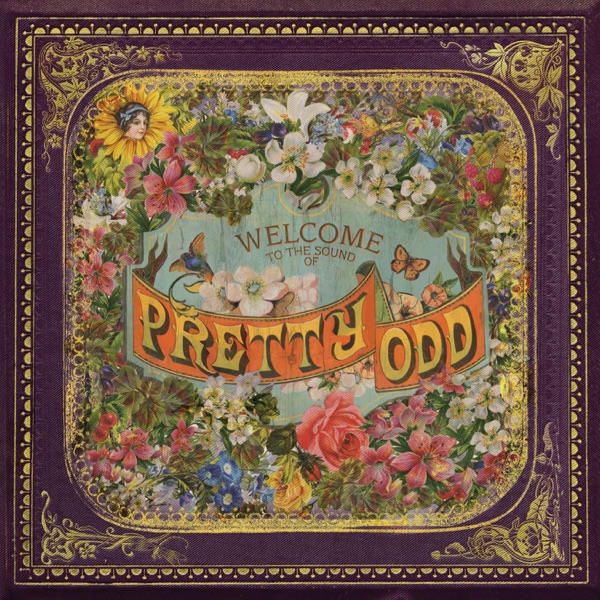
- 2008 Pretty. Odd.
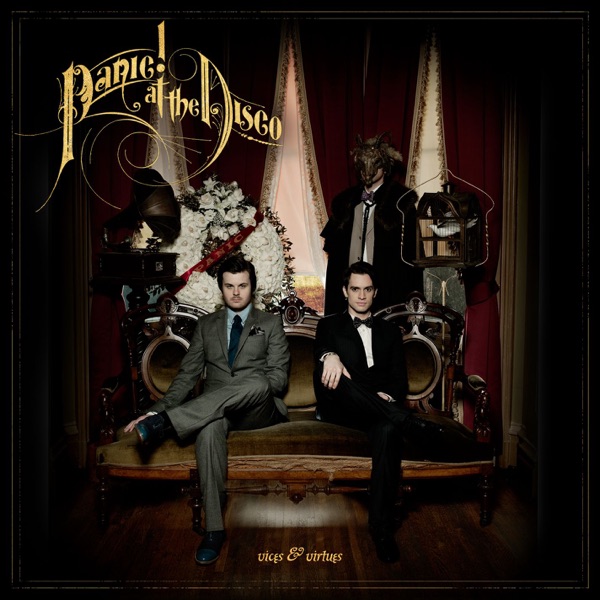
- 2011 Vices & Virtues
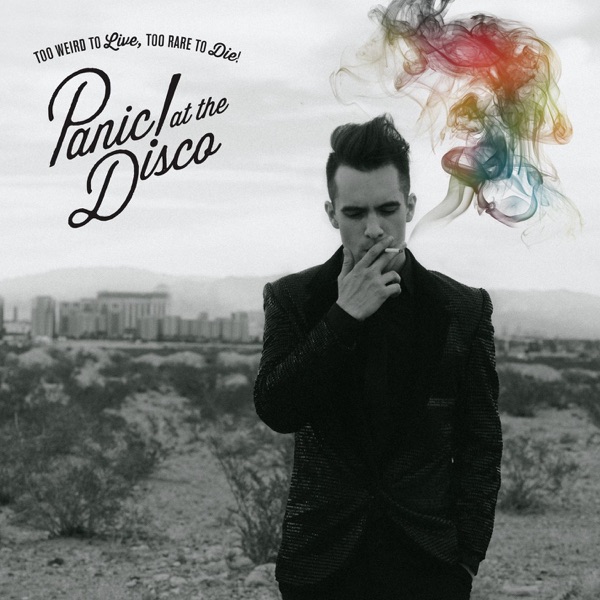
- 2013 Too Weird to Live, Too Rare to Die!
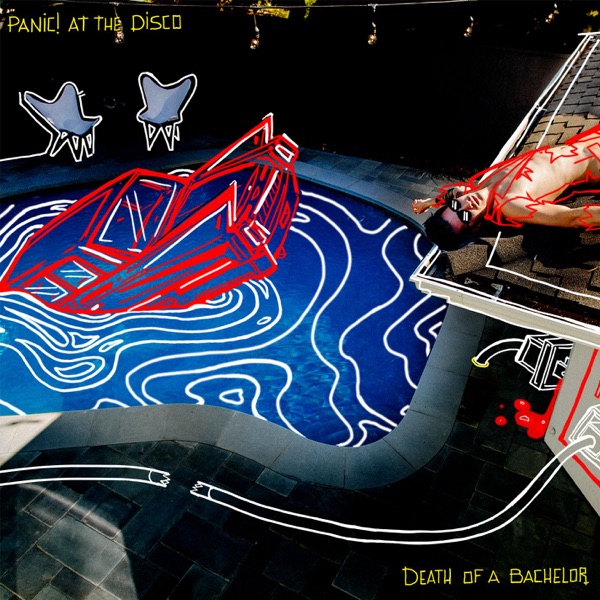
- 2016 Death of a Bachelor
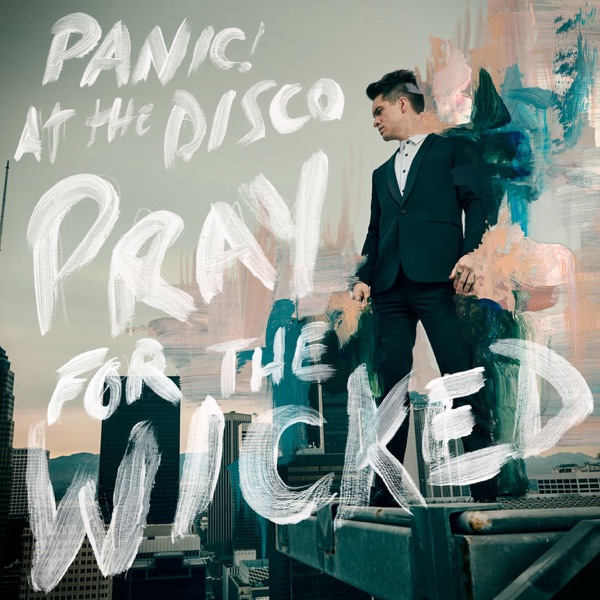
- 2018 Pray for the Wicked
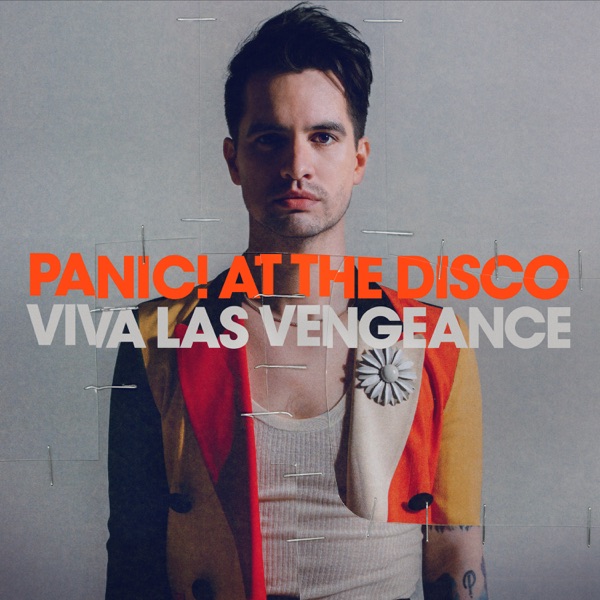
- 2022 Viva las Vengeance
Source: MusicBrainz
Deep Dive
Overview
Panic! at the Disco emerged from Las Vegas in the mid-2000s as a theatrical pop rock act that fused baroque arrangements, synth-pop hooks, and emo sensibilities into a style that captured the late-2000s charts. The band’s visual presentation—ornate costuming, vaudeville influences, and dramatic staging—paired with infectious melodies made them central figures in the post-emo landscape. Though the band underwent significant lineup shifts over its eighteen-year existence, it remained synonymous with Brendon Urie, whose distinctive vocal performance anchored the project through multiple iterations and genre refinements.
Formation Story
Panic! at the Disco formed in Las Vegas in 2004 when high school friends Ryan Ross and Spencer Smith recruited classmates Brendon Urie and Brent Wilson. This founding lineup—Ross on guitar and keyboards, Smith on drums, Urie on vocals, and Wilson on bass—quickly began performing in the Las Vegas area. The band’s earliest years were marked by the energy of a young group working from the geographic margins of the American rock establishment, developing their theatrical sensibilities while drawing on influences spanning alternative rock, pop-punk, and vaudeville aesthetics. The choice of Las Vegas as their home base lent the band an outsider status and a visual palette distinct from the coastal emo scenes dominating the mid-2000s.
Breakthrough Moment
Panic! at the Disco’s breakthrough came with the release of their debut album, A Fever You Can’t Sweat Out, in 2005. The album’s blend of ornate production, infectious pop hooks, and theatrical arrangement immediately distinguished them from peer bands. Lead single “I Write Sins Not Tragedies” became a staple of rock radio and MTV rotation, introducing a national audience to the band’s signature sound: layered synths, propulsive rhythms, and Urie’s soaring vocal delivery. The album’s success positioned Panic! at the Disco at the forefront of a new wave of pop-influenced emo acts, one that prioritized hooks and production sheen alongside emotional introspection. This early momentum established them as key figures in the 2000s pop-rock landscape.
Peak Era
The band’s peak commercial and creative period stretched from 2005 through the early 2010s, anchored by a string of successful albums and consistent touring. Following the breakthrough of A Fever You Can’t Sweat Out, they released Pretty. Odd. in 2008, which shifted toward a more eclectic sound incorporating baroque pop and psychedelic influences. The subsequent releases Vices & Virtues (2011) and Too Weird to Live, Too Rare to Die! (2013) maintained the band’s commercial momentum while showcasing their willingness to evolve sonically. During this period, the band navigated multiple lineup changes—Jon Walker played bass from 2006 to 2009, Brent Wilson departed in 2006, and Dallon Weekes served as bassist from 2010 to 2015—but maintained a cohesive sound and visual identity that kept them relevant in a rapidly shifting rock market.
Musical Style
Panic! at the Disco’s sound synthesized theatrical pop sensibilities with rock instrumentation and emo songwriting traditions. The band’s early work foregrounded lush synth arrangements, often reminiscent of 1980s synth-pop, combined with dynamic rock rhythms and Urie’s acrobatic vocal range. Over successive albums, they incorporated baroque pop elements, psychedelic textures, and dance-influenced production techniques. The songwriting typically balanced earnest emotional vulnerability—a core emo trait—with pop craftsmanship and melodic accessibility. Their vaudevillian visual presentation complemented this musical eclecticism, suggesting influences from theatrical traditions beyond rock. The band’s genre classification shifted across their career from “emo pop” to “pop rock” to encompass synth-pop and alternative rock elements, reflecting their consistent genre-blending approach and resistance to formulaic categorization.
Major Albums
A Fever You Can’t Sweat Out (2005)
The debut album established Panic! at the Disco’s core aesthetic: baroque-inflected synth-pop melodies layered over rock arrangements, with Urie’s distinctive vocal performance as the centerpiece. Its immediate commercial and critical success launched the band into national prominence and defined their signature sound.
Pretty. Odd. (2008)
A marked departure from the synth-heavy debut, Pretty. Odd. incorporated baroque pop, psychedelia, and vintage rock influences, signaling the band’s willingness to evolve sonically. The album demonstrated ambitions beyond the emo-pop formula that had made them successful.
Vices & Virtues (2011)
Released following significant lineup changes, Vices & Virtues reasserted a more electronic and pop-oriented direction, balancing the theatrical excess of earlier work with streamlined production and accessible songwriting.
Death of a Bachelor (2016)
Following Urie’s transition of the band into a solo project, Death of a Bachelor showcased a shift toward funk-influenced pop-rock production and introspective lyricism, signaling another stylistic evolution.
Pray for the Wicked (2018)
This album consolidated Urie’s solo control of the project while maintaining the theatrical pop sensibilities that had always defined Panic! at the Disco, featuring polished production and elaborate arrangements.
Viva las Vengeance (2022)
The final studio release before the band’s 2023 discontinuation, Viva las Vengeance returned to a Las Vegas-centric thematic framework and served as a closing statement for the project.
Signature Songs
- “I Write Sins Not Tragedies” — The band’s breakthrough single from A Fever You Can’t Sweat Out, defined by its theatrical chorus and introduction of their theatrical pop aesthetic to mainstream audiences.
- “Nine in the Afternoon” — From Pretty. Odd., this track exemplified the band’s shift toward baroque pop and psychedelic influences with its distinctive melodic hooks.
- “The Only Difference Between Martyrdom and Suicide Is Press Coverage” — An early deep cut that showcased the band’s emo-pop roots and emotional directness on their debut album.
- “Miss Jackson” — From Vices & Virtues, this song demonstrated the band’s ability to craft accessible pop-rock hooks while maintaining their theatrical sensibilities.
- “This Is Gospel” — A synth-driven track that balanced introspection with production-forward pop sensibilities, defining their mid-career sound.
Influence on Rock
Panic! at the Disco’s fusion of emo earnestness with pop craftsmanship and theatrical presentation influenced the trajectory of 2010s pop-rock. They demonstrated that bands could achieve sustained commercial success while rejecting genre purity and embracing ornate production values. Their success contributed to the broader mainstream legitimacy of synth-pop and electronic influences within rock contexts during the 2000s and 2010s. The band’s visual and sonic eclecticism—moving between baroque pop, psychedelia, funk, and dance-pop across successive albums—normalized genre fluidity in contemporary rock, influencing how subsequent artists approached album-to-album stylistic evolution.
Legacy
Panic! at the Disco operated for eighteen years from their 2004 formation through their 2023 discontinuation, achieving significant commercial success and cultural impact during the late 2000s and 2010s. The band’s catalog remains a central reference point for the theatrical pop-rock and synth-pop movements of the 2000s and 2010s. Brendon Urie’s stewardship of the project during its final years—particularly from 2015 onward when the band became effectively a solo vehicle—extended the band’s relevance into new creative territory while maintaining continuity with their foundational theatrical pop sensibility. The band’s dissolution in 2023 marked the end of an influential chapter in contemporary rock history, though their recorded work continues to circulate across streaming platforms and remains a touchstone for understanding early-2010s pop-rock aesthetics.
Fun Facts
- The band’s name references panic at the disco nightclub in Las Vegas, drawing directly from their hometown’s cultural geography and club culture.
- Panic! at the Disco transitioned from a full band configuration to Brendon Urie’s solo project in 2015, following Spencer Smith’s departure, fundamentally reshaping the group dynamic while maintaining the band’s name and artistic identity.
- The band’s theatrical visual presentation—costumes, staging, and multimedia elements—consistently emphasized presentation as integral to their artistic vision, blurring lines between rock performance and theatrical spectacle.
Discography & Previews
Click any album to expand its track list. Each track plays a 30-second preview streamed from Apple Music. Tap the link icon next to a track to open it in Apple Music for full playback.

- 1 Introduction ↗ 0:37
- 2 The Only Difference Between Martyrdom and Suicide Is Press Coverage ↗ 2:55
- 3 London Beckoned Songs About Money Written By Machines ↗ 3:24
- 4 Nails for Breakfast, Tacks for Snacks ↗ 3:24
- 5 Camisado ↗ 3:12
- 6 Time to Dance ↗ 3:22
- 7 Lying Is the Most Fun a Girl Can Have Without Taking Her Clothes Off ↗ 3:20
- 8 Intermission ↗ 2:36
- 9 But It's Better If You Do ↗ 3:26
- 10 I Write Sins Not Tragedies ↗ 3:07
- 11 I Constantly Thank God for Esteban ↗ 3:30
- 12 There's a Good Reason These Tables Are Numbered Honey, You Just Haven't Thought of It Yet ↗ 3:17
- 13 Build God, Then We'll Talk ↗ 3:41
- 1 We're So Starving ↗ 1:21
- 2 Nine In the Afternoon ↗ 3:12
- 3 She's a Handsome Woman ↗ 3:12
- 4 Do You Know What I'm Seeing? ↗ 4:14
- 5 That Green Gentleman (Things Have Changed) ↗ 3:15
- 6 I Have Friends In Holy Spaces ↗ 1:56
- 7 Northern Downpour ↗ 4:08
- 8 When the Day Met the Night ↗ 4:54
- 9 Pas de Cheval ↗ 2:39
- 10 The Piano Knows Something I Don't Know ↗ 3:44
- 11 Behind the Sea ↗ 3:33
- 12 Folkin' Around ↗ 1:55
- 13 She Had the World ↗ 3:47
- 14 From a Mountain In the Middle of the Cabins ↗ 3:02
- 15 Mad As Rabbits ↗ 3:48
- 16 Nine In the Afternoon (Radio Mix) ↗ 3:13
- 1 Victorious ↗ 2:59
- 2 Don't Threaten Me with a Good Time ↗ 3:33
- 3 Hallelujah ↗ 3:01
- 4 Emperor's New Clothes ↗ 2:39
- 5 Death of a Bachelor ↗ 3:24
- 6 Crazy=Genius ↗ 3:18
- 7 LA Devotee ↗ 3:17
- 8 Golden Days ↗ 4:14
- 9 The Good, the Bad and the Dirty ↗ 2:52
- 10 House of Memories ↗ 3:29
- 11 Impossible Year ↗ 3:23
- 1 Viva Las Vengeance ↗ 3:27
- 2 Middle Of A Breakup ↗ 3:20
- 3 Don’t Let The Light Go Out ↗ 3:50
- 4 Local God ↗ 3:01
- 5 Star Spangled Banger ↗ 3:10
- 6 God Killed Rock And Roll ↗ 4:17
- 7 Say It Louder ↗ 3:31
- 8 Sugar Soaker ↗ 3:11
- 9 Something About Maggie ↗ 3:21
- 10 Sad Clown ↗ 3:46
- 11 All by Yourself ↗ 4:19
- 12 Do It To Death ↗ 4:36