
Photo by Raph_PH , licensed under CC BY 2.0 · Wikimedia Commons
Rank #50
Muse
Bombastic British trio fusing prog ambition and arena spectacle.
From Wikipedia
Muse are an English rock band from Teignmouth, Devon, formed in 1994. The band consists of Matt Bellamy, Chris Wolstenholme, and Dominic Howard.
Members
- Chris Wolstenholme
- Dominic Howard
- Matt Bellamy
Studio Albums
- 1999 Showbiz
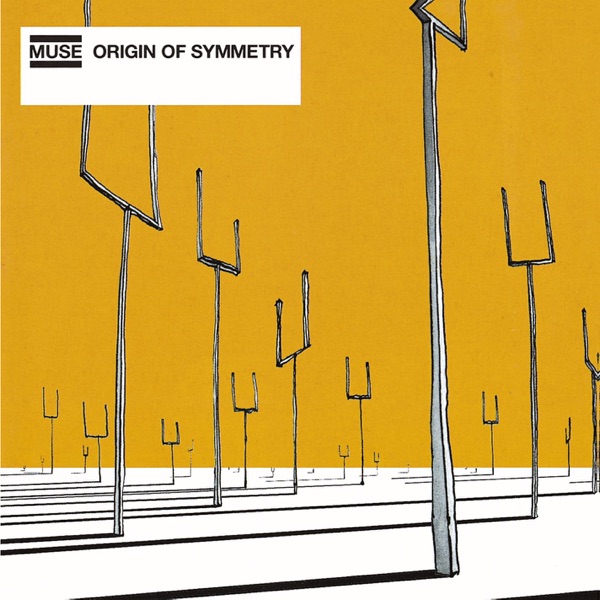
- 2001 Origin of Symmetry
- 2003 Absolution
- 2006 Black Holes and Revelations
- 2009 The Resistance Instrumentals
- 2009 The Resistance
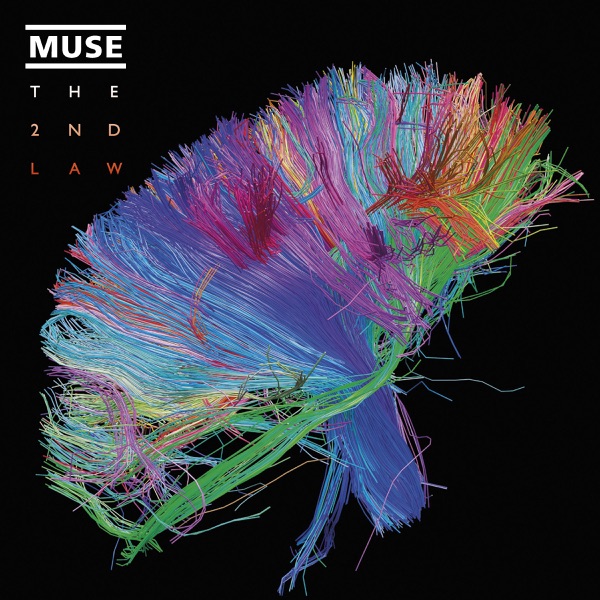
- 2012 The 2nd Law
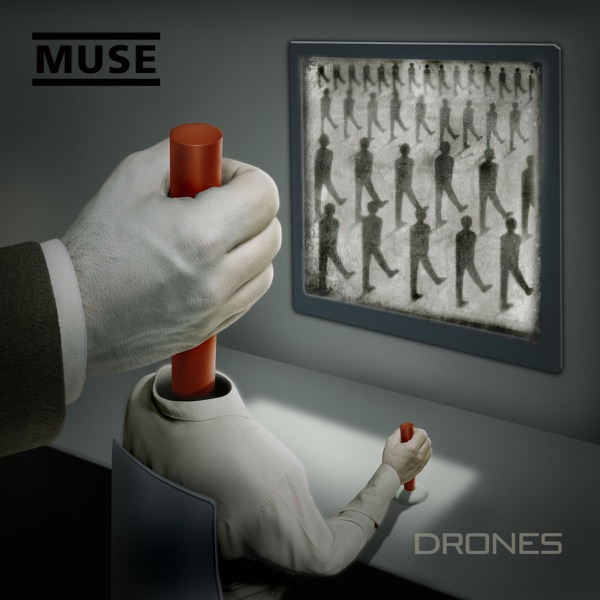
- 2015 Drones
- 2018 Simulation Theory
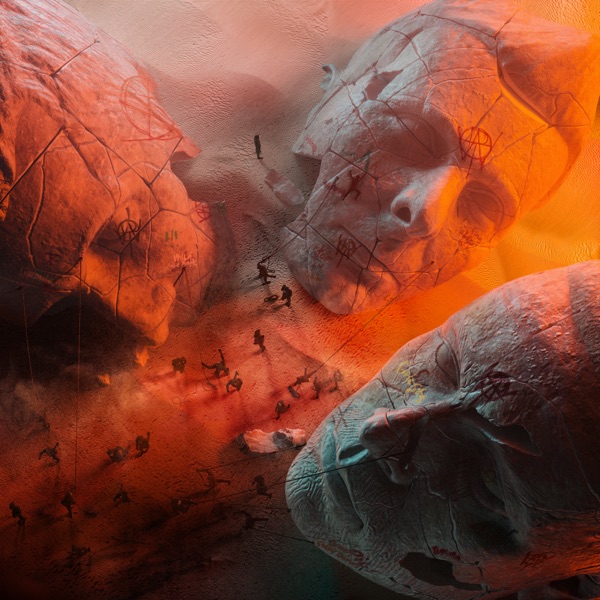
- 2022 Will of the People
- 2026 The Wow! Signal
Source: MusicBrainz
Deep Dive
Overview
Muse are an English rock band from Teignmouth, Devon, formed in 1994. The trio of Matt Bellamy, Chris Wolstenholme, and Dominic Howard built a career spanning three decades by synthesizing progressive rock’s structural complexity and sonic ambition with the immediate visceral impact of arena rock. Their music draws from symphonic and space rock traditions while incorporating elements of psychedelia, hard rock, and alternative metal, creating a hybrid sound that resists easy genre classification. Muse emerged from the provincial southwest of England to become one of the defining rock acts of the 21st century, their albums moving between tightly coiled studio arrangements and expansive live presentations.
Formation Story
Muse formed in Teignmouth in 1994 as a three-piece unit centred on the songwriting and vocal presence of Matt Bellamy alongside Chris Wolstenholme and Dominic Howard. The band took shape during the mid-1990s, a period when British rock was fragmented between Britpop’s pop-inflected majorities and guitar-driven alternative movements. Working out of Devon, a region with limited major-label infrastructure, Muse developed their sound in relative isolation from London’s mainstream industry attention. Their early years saw them building a live reputation through regional performances and building a foundation in composition that would eventually define their approach: complex, multi-sectioned songs often featuring rapid key changes, extended instrumental passages, and arrangements that moved from intimate verses to overwhelming crescendos.
Breakthrough Moment
Muse’s commercial and critical breakthrough came with the release of Origin of Symmetry in 2001. The second album marked a decisive leap from their debut Showbiz (1999), establishing the band’s signature approach to rock composition. Origin of Symmetry demonstrated Bellamy’s expanding vocal range and command of layering, while the band’s instrumental interplay tightened around Chris Wolstenholme’s melodic bass and Dominic Howard’s textural keyboards and drums. The album attracted significant attention in the UK and Europe, with subsequent tours amplifying their reputation as a live unit capable of translating studio complexity into energetic performance. By the early 2000s, Muse had crossed over from the alternative rock underground into mainstream rock radio and festival billing, positioning them for the larger commercial success that would arrive across the remainder of the decade.
Peak Era
Muse’s most commercially successful and creatively expansive period ran from 2003 through 2012, spanning the albums Absolution (2003), Black Holes and Revelations (2006), and The 2nd Law (2012). During this stretch, the band’s sound grew more ambitious and stadium-oriented, incorporating orchestral arrangements, electronic production elements, and increasingly theatrical presentation. Black Holes and Revelations in particular crystallized Muse’s approach: a double album’s worth of material compressed into single-album length, with songs moving fluidly between acoustic introspection and electric bombast. Their live shows during this era became notable for Bellamy’s guitar and keyboard work alongside his vocals, the band operating as a genuine trio without additional musicians on stage. The Resistance (2009) and accompanying instrumental variant The Resistance Instrumentals (2009) showed the band’s willingness to branch into concept-album territory and experimentation, though their core audience remained most engaged by the guitar-driven, anthem-scaled material that had built their following.
Musical Style
Muse’s sound is built on an alliance between progressive rock’s organizational principles and arena rock’s emotional directness. Matt Bellamy’s vocals occupy a distinctive register: a tenor capable of both intimate, almost ethereal delivery and piercing, falsetto-tinged belting that cuts through dense arrangements. His guitar work balances precise, minimalist phrases against walls of distortion and layering, often within the same song. The rhythm section of Wolstenholme and Howard operates with a syncopated precision uncommon in mainstream rock, their patterns shifting and reorienting across phrases rather than settling into locked grooves. Keyboards—often synthesizers and orchestral pads—are not decorative but structural, providing melodic and harmonic movement that guitars alone could not achieve. The band’s arrangements typically feature four or five distinct sections per song, with transitions marked by instrumental interludes or sudden textural shifts. Their approach to production has evolved from the tightly compressed sound of Origin of Symmetry toward the wider dynamic range and layered orchestration of their later work, but the core principle remains: rock music deployed with the ambition of classical composition.
Major Albums
Origin of Symmetry (2001)
The album that established Muse’s signature sound and earned them international attention. Origin of Symmetry demonstrated the band’s skill at moving between intimate vocal passages and explosive instrumental sections, with production that balanced clarity against density.
Black Holes and Revelations (2006)
Muse’s most commercially successful period arrived with this album, which synthesized their prog-rock foundations with explicit arena-rock ambitions. The album features some of their most recognizable songs and remains their most streamed work.
Absolution (2003)
Following Showbiz’s foundation, Absolution refined the band’s compositional voice and expanded their production palette, incorporating more orchestral elements and demonstrating increased technical facility across all three members.
The 2nd Law (2012)
A late-career commercial peak that saw the band continue exploring electronic and experimental textures alongside their core rock vocabulary, maintaining their position as working rock artists capable of filling large venues.
Simulation Theory (2018)
A return to synthesizer-heavy arrangements and science-fiction themed lyrical content, showing Muse maintaining creative ambition and commercial appeal well into their third decade as a working band.
Signature Songs
- Plug in Baby — A driving, heavily distorted guitar riff paired with intricate synth work and falsetto vocals, becoming one of Muse’s most recognizable and streamed tracks.
- Stockholm Syndrome — A complex, multi-section composition featuring dramatic dynamics and instrumental showcasing that exemplifies Muse’s prog-rock ambitions.
- Starlight — A chorus-driven arena rock moment that balanced Muse’s experimental side with immediate commercial appeal.
- Resistance — An epic, orchestrally arranged track that demonstrates the band’s late-career approach to grand compositional gestures.
- Uprising — A politically charged alternative rock song that became a festival staple and demonstrates Bellamy’s commitment to topical lyrical content.
- Hysteria — A synth-bass driven composition showcasing Chris Wolstenholme’s instrumental contribution and the band’s dance-rock influences.
Influence on Rock
Muse occupied a crucial position in early 21st-century rock music as a credible progressive rock band working at stadium scale. At a moment when mainstream rock radio was dominated by post-grunge and pop-punk acts, Muse’s insistence on complex arrangements, unconventional song structures, and serious musical ambition validated the idea that contemporary rock could be both commercially viable and artistically uncompromising. Their influence can be traced through bands pursuing similar fusions of prog ambition and arena presentation, and their willingness to incorporate electronic and orchestral elements into rock music helped normalize such approaches during the 2000s and 2010s. Bellamy’s falsetto-inflected vocal delivery, in particular, set a template that influenced subsequent generations of male rock vocalists working outside of purely aggressive or purely melodic registers.
Legacy
Muse remains one of the few acts from the 1990s alternative rock generation to maintain large-scale touring and recording operations into the 2020s. Their continued active status—evidenced by the 2022 album Will of the People and the upcoming 2026 release The Wow! Signal—demonstrates sustained creative output across three decades. The band’s catalog remains heavily streamed across digital platforms, with their biggest albums continuing to accumulate hundreds of millions of plays. Their influence on the shape of contemporary rock, particularly the idea that rock bands could incorporate and center electronic elements, remains culturally significant. Muse’s trajectory from provincial British trio to stadium-filling international act in the pre-streaming era has become a case study in how bands built devoted fanbases through touring and album cycles before social media and playlist algorithms became primary discovery mechanisms.
Fun Facts
- The band’s name, Muse, was chosen from a random word generator.
- Matt Bellamy has performed on guitar, keyboards, and vocals simultaneously during live performances, often undertaking complex arrangements as a three-piece unit without additional touring musicians.
- Teignmouth, the band’s hometown in Devon, is a relatively small coastal town with limited major music industry presence, making Muse’s rise to international prominence particularly notable as an example of success built outside traditional music-industry centers.
- The band’s Warner Bros. Records partnership has remained consistent across their career, providing them with label stability uncommon in an era of frequent roster changes and restructuring.
Discography & Previews
Click any album to expand its track list. Each track plays a 30-second preview streamed from Apple Music. Tap the link icon next to a track to open it in Apple Music for full playback.

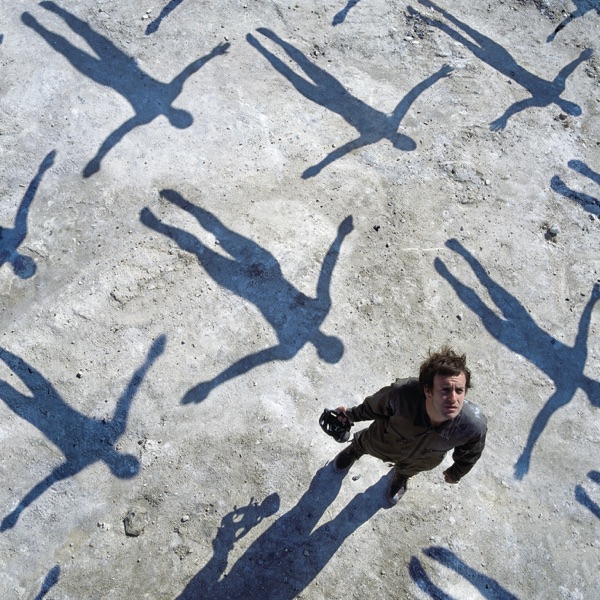
- 1 Intro ↗ 0:22
- 2 Apocalypse Please ↗ 4:12
- 3 Time is Running Out ↗ 3:57
- 4 Sing for Absolution ↗ 4:56
- 5 Stockholm Syndrome ↗ 4:56
- 6 Falling Away with You ↗ 4:40
- 7 Interlude ↗ 0:38
- 8 Hysteria ↗ 3:47
- 9 Blackout ↗ 4:22
- 10 Butterflies & Hurricanes ↗ 5:03
- 11 The Small Print ↗ 3:29
- 12 Fury ↗ 5:01
- 13 Endlessly ↗ 3:48
- 14 Thoughts of a Dying Atheist ↗ 3:08
- 15 Ruled by Secrecy ↗ 4:53

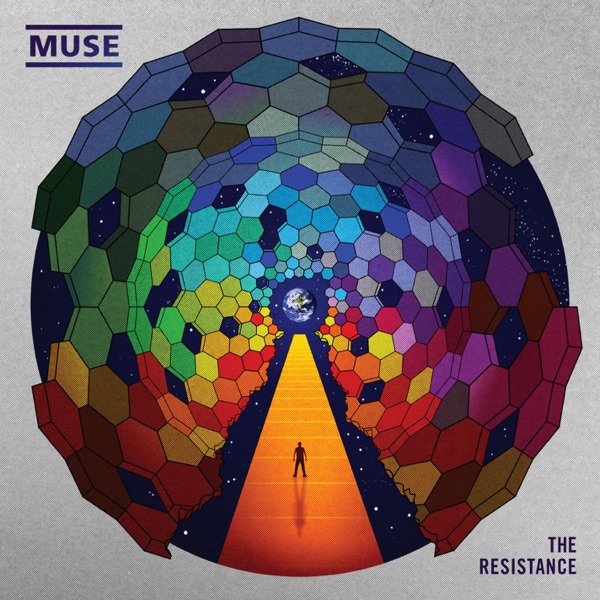
- 1 Uprising ↗ 5:03
- 2 Resistance ↗ 5:47
- 3 Undisclosed Desires ↗ 3:56
- 4 United States of Eurasia (+Collateral Damage) ↗ 5:48
- 5 Guiding Light ↗ 4:13
- 6 Unnatural Selection ↗ 6:55
- 7 MK Ultra ↗ 4:06
- 8 I Belong to You (+Mon Coeur S'Ouvre a Ta Voix) ↗ 5:39
- 9 Exogenesis: Symphony, Pt. 1 (Overture) ↗ 4:18
- 10 Exogenesis: Symphony, Pt. 2 (Cross-pollination) ↗ 3:56
- 11 Exogenesis: Symphony, Pt. 3 (Redemption) ↗ 4:37