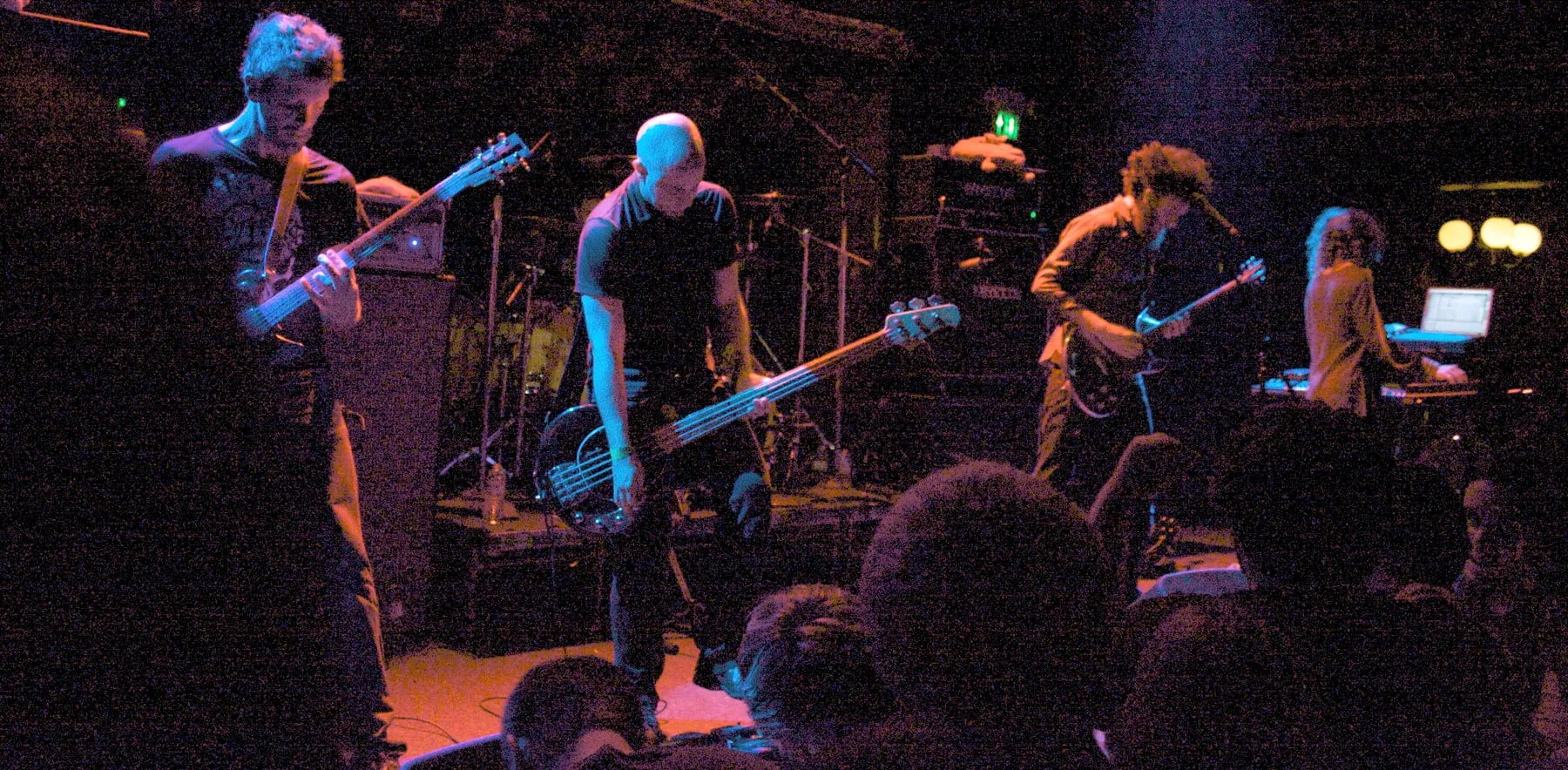
Photo by Peter Alfred Hess , licensed under CC BY 2.0 · Wikimedia Commons
Rank #123
Isis
Boston post-metal pillar of patient builds and cathedral crescendos.
From Wikipedia
Isis was an American post-metal band from Boston, Massachusetts that was active from 1997 to 2010. The band's lineup of vocalist-guitarist Aaron Turner, bassist Jeff Caxide, drummer Aaron Harris, guitarist Michael Gallagher and keyboardist Bryant Clifford Meyer remained consistent for all five studio albums.
Studio Albums
- 2000 Celestial
- 2002 Oceanic
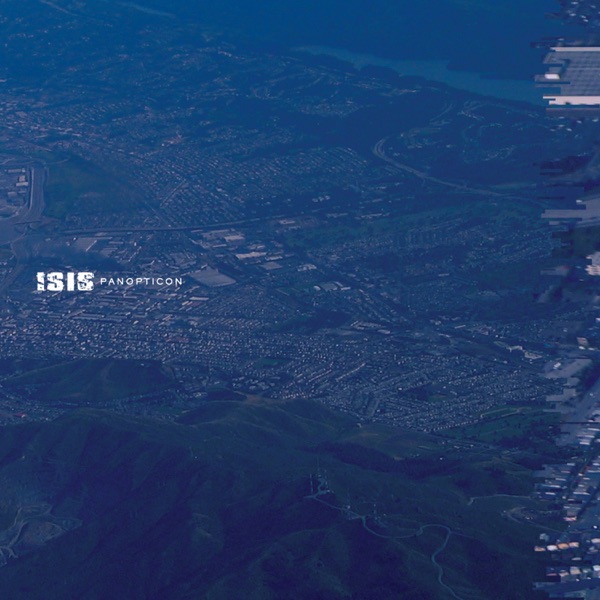
- 2004 Panopticon
- 2006 In the Absence of Truth
- 2009 Wavering Radiant
Source: MusicBrainz
Deep Dive
Overview
Isis was an American post-metal band from Boston, Massachusetts that defined a strain of instrumental and vocal-driven heavy music built on patient architectural tension and towering crescendos. Active from 1997 to 2010, the band occupied a liminal space between post-rock’s dynamic silence-to-noise arcs and stoner rock’s crushing density, creating a sound that prioritized sustained mood and emotional arc over traditional verse-chorus-bridge song structures. Their influence extended across the 2000s alternative and experimental metal underground, establishing a template for how metal could absorb post-rock’s compositional logic without abandoning heaviness.
Formation Story
Isis formed in Boston in 1997, emerging from a scene rich with college radio and independent experimental activity. The band’s core lineup—vocalist-guitarist Aaron Turner, bassist Jeff Caxide, drummer Aaron Harris, guitarist Michael Gallagher, and keyboardist Bryant Clifford Meyer—would remain unchanged across all five of their studio albums, an uncommon stability that allowed the group to develop an increasingly refined sonic vocabulary without the fractures and personnel shifts that often mark metal bands. Boston at that moment hosted a thriving underground circuit, and Isis positioned themselves within a wider network of post-rock, avant-garde metal, and experimental acts, though their specific fusion of melodic restraint and metallic weight distinguished them from immediate peers.
Breakthrough Moment
Isis reached wider recognition with their second album, Oceanic (2002), a record that crystallized their approach to song-building and caught the ear of the experimental metal and post-rock crossover audience. The album demonstrated the band’s ability to sustain tension across lengthy pieces, layering feedback, melodic guitar work, and Aaron Turner’s distinctive vocal delivery—often buried in the mix and used as an additional textural element rather than as a traditional frontman presence. By Panopticon (2004), the band had secured their reputation as serious architects of patient, cathedral-scaled compositions, establishing themselves as one of the most consequential post-metal acts of the 2000s and earning attention from both the underground and more mainstream experimental music circles.
Peak Era
The band’s creative and commercial zenith came between 2004 and 2009, spanning Panopticon, In the Absence of Truth (2006), and Wavering Radiant (2009). During this period, Isis refined their compositional sophistication while maintaining the patient, dynamics-driven aesthetic that defined their work. In the Absence of Truth marked a deepening of their production sensibilities and emotional palette, while Wavering Radiant represented the culmination of their artistic vision—a final statement that synthesized everything the band had learned about tension, release, and the expressive possibilities of post-metal across five years of consistent touring and studio work. This trio of albums positioned Isis as one of the most important metal-adjacent acts of the decade, influencing countless bands working in post-metal, sludge, and experimental heavy music.
Musical Style
Isis’s sound was defined by a commitment to dynamics, textural layering, and the rejection of conventional metal tropes. Their music favored long instrumental introductions and extended compositional arcs, with Aaron Turner’s vocals deployed sparingly and often positioned low in the mix as one voice among many rather than as a focal point. Michael Gallagher’s guitar work ranged from clean, arpeggiated passages to heavily processed walls of feedback, while Jeff Caxide’s bass playing provided melodic counterpoint and harmonic depth rather than purely rhythmic support. Aaron Harris’s drumming emphasized restraint, using space and silence as compositional tools; Bryant Clifford Meyer’s keyboards added ethereal, often orchestral textures that situated the band’s sound somewhere between progressive metal and post-rock. Lyrically, the band favored abstraction and emotional ambiguity over narrative clarity, creating a listening experience that was cerebral without being coldly intellectual. Their debt to post-rock pioneers like Godspeed You! Black Emperor and Explosions in the Sky was audible, as was their engagement with heavier precedents in metal and krautrock, but Isis synthesized these influences into something distinctly their own.
Major Albums
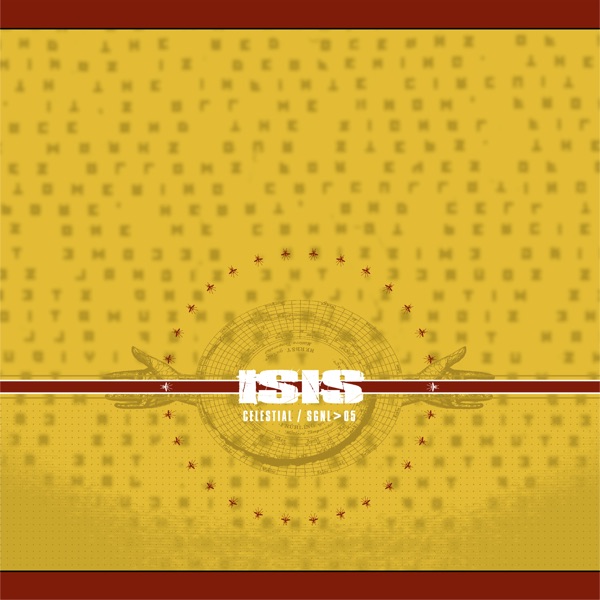
Celestial (2000)
The band’s debut announced their core aesthetic: patient builds, textural sophistication, and a willingness to let pieces breathe across multiple movements without relying on traditional song structures or hooks.
Oceanic (2002)
Their breakthrough established Isis as a serious post-metal force, refining their compositional approach and demonstrating the emotional power contained within their restrained, dynamics-heavy songwriting.
Panopticon (2004)
A masterwork of instrumental rock that showcased the band at peak creative power, with every member contributing to carefully orchestrated passages of escalating tension and release.
In the Absence of Truth (2006)
A darker, more introspective entry that deepened the band’s production palette while maintaining their commitment to long-form compositional development and emotional restraint.
Wavering Radiant (2009)
The band’s final studio album synthesized five albums’ worth of development, presenting Isis at their most refined and representing a strong artistic statement before their 2010 dissolution.
Signature Songs
- Celestial — The album opener establishes the band’s compositional DNA: patient introduction, mounting layers, and a crescendo that justifies the preceding silence.
- In Fiction — A showcase for how Isis deployed Aaron Turner’s vocals as texture rather than focal point, wrapped in feedback and harmonic density.
- The Beginning — Demonstrates the band’s ability to construct a ten-plus-minute arc that moves through multiple emotional registers without repetition or conventional chorus structure.
- Carry — One of their most widely recognized pieces, built on escalating instrumental intensity and showcasing Jeff Caxide’s melodic bass work.
Influence on Rock
Isis proved that post-rock’s compositional logic—the patient build, the orchestration of dynamics, the elevation of texture and mood above hook—could coexist with metal’s heaviness and distortion without sacrificing either. Their success opened pathways for a generation of post-metal acts that emerged throughout the 2000s and beyond, from Neurosis (with whom they shared certain spiritual kinship) to later bands like Pelican and Russian Circles. They demonstrated that instrumental or near-instrumental heavy music could reach audiences beyond traditional metal fans, appealing to listeners engaged with experimental and avant-garde music more broadly. Their influence extended into the soundtrack and ambient world as well, with their emphasis on textural layering and patient development informing how subsequent experimental composers approached heavy and atmospheric music.
Legacy
Isis dissolved in 2010, ending a thirteen-year run with five studio albums that achieved consistency across their entire discography. Though the band’s active period coincided with the post-metal underground’s greatest period of visibility and creative fertility, they remained one of the most respected acts within that milieu, never achieving mainstream commercial success but earning lasting credibility among musicians and dedicated listeners. Their catalog has retained its power in the decades since, with Oceanic and Panopticon in particular standing as touchstones of 2000s experimental metal. The band released their material through Ipecac Recordings, a label aligned with adventurous heavy music, and their work continues to circulate and influence within post-rock and experimental communities. Though they have not reunited, their recorded legacy endures as a template for how patience, restraint, and sonic sophistication can serve metal.
Fun Facts
- The band’s name, Isis, was drawn from Egyptian mythology, reflecting the spiritual and esoteric interests that informed their lyrical and aesthetic approach.
- Aaron Harris’s drumming in Isis influenced a generation of post-metal and experimental rock drummers who sought to use space and silence as compositional elements rather than filler.
- The band maintained the exact same five-person lineup across all five studio albums, an unusual feat of stability in a genre often marked by personnel changes.
- Their commitment to long-form composition meant that many of their songs exceeded the ten-minute mark, making them a challenging but rewarding listen in an era of shortened attention spans.
Discography & Previews
Click any album to expand its track list. Each track plays a 30-second preview streamed from Apple Music. Tap the link icon next to a track to open it in Apple Music for full playback.
- 1 SGNL>01 ↗ 0:53
- 2 Celestial (The Tower) ↗ 9:42
- 3 Glisten ↗ 6:35
- 4 Swarm Reigns (Down) ↗ 6:02
- 5 SGNL>02 ↗ 0:51
- 6 Deconstructing Towers ↗ 7:30
- 7 SGNL>03 ↗ 0:35
- 8 Collapse and Crush ↗ 5:55
- 9 C.F.T. (New Circuitry and Continued Evolution) ↗ 5:43
- 10 Gentle Time ↗ 7:02
- 11 SGNL>04 (End Transmission) ↗ 1:09