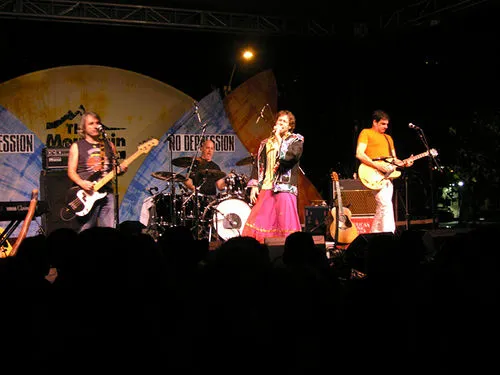
Photo by The original uploader was Teemu08 at English Wikipedia . , licensed under CC BY 2.5 · Wikimedia Commons
Rank #486
Hothouse Flowers
Dublin band of Celtic-tinged soulful rock.
From Wikipedia
Hothouse Flowers are an Irish rock band that combine traditional Irish music with influences from soul, gospel, and rock. Formed in 1985 in Dublin, they started as street performers. Their first album, People (1988), was the most successful debut album in Irish history, reaching No. 1 in Ireland and No. 2 in the UK. After two more albums and extensive touring, the group separated in 1994. Since getting back together in 1998, the band members have been sporadically issuing new songs and touring, but also pursuing solo careers.
Members
- Liam Ó Maonlaí
Studio Albums
- 1988 People
- 1990 Home
- 1991 Just a Note
- 1993 Songs From the Rain
- 1998 Born
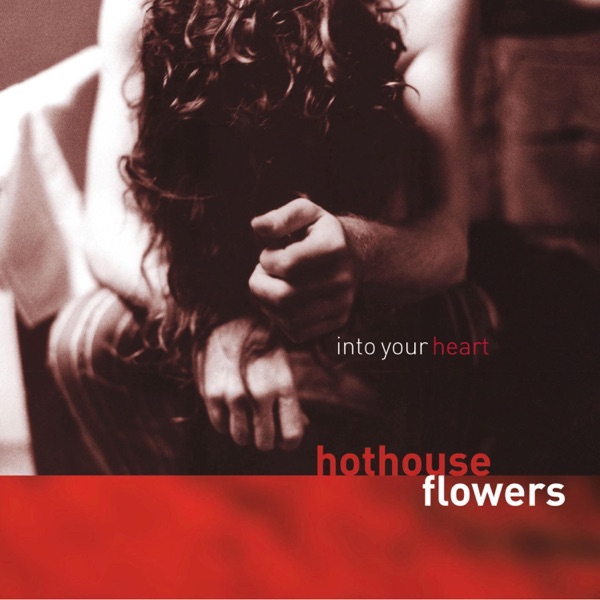
- 2004 Into Your Heart
- 2018 Let’s Do This Thing
Source: MusicBrainz
Deep Dive
Overview
Hothouse Flowers are an Irish rock band that emerged from Dublin in 1985, distinguishing themselves through a fusion of traditional Irish musical elements with soul, gospel, and rock idioms. Beginning as street performers, they achieved rapid commercial success with their debut album and sustained a recording and touring presence through the 1990s, establishing themselves as one of Ireland’s significant alternative rock acts. Since reuniting in 1998 after a three-year separation, the band has maintained an intermittent recording schedule while its members have also pursued solo ventures.
Formation Story
Hothouse Flowers formed in 1985 in Dublin during a period of growing cultural vibrancy in the Irish capital. The band began as street performers, a grass-roots introduction to the public that reflected the informal, accessible ethos that would characterize much of their career. This foundation in busking and live performance established a direct rapport with audiences and grounded their musical approach in immediacy and spontaneity rather than studio polish alone.
Breakthrough Moment
The band’s breakthrough arrived swiftly with their debut album People in 1988, a record that became the most successful debut album in Irish history at the time. People reached No. 1 in Ireland and climbed to No. 2 in the United Kingdom charts, demonstrating that Hothouse Flowers’ blend of Celtic-inflected songwriting with contemporary soul and rock production resonated beyond their domestic market. This immediate success elevated them from Dublin street performers to an internationally recognized band and set a high bar for their subsequent releases.
Peak Era
The early 1990s constituted Hothouse Flowers’ most commercially and creatively active period. Following People, the band released Home in 1990 and Just a Note in 1991, consolidating their position as recording artists while undertaking extensive touring. The release of Songs From the Rain in 1993 extended their studio output further into the decade. This run of four albums in five years—combined with sustained live performance—established Hothouse Flowers as a fixture in alternative rock radio and concert venues during the early 1990s, though their commercial momentum did not match the heights of their debut.
Musical Style
Hothouse Flowers’ sound represents a deliberate cross-pollination of Irish traditional music with influences drawn from soul, gospel, and contemporary rock. The traditional elements appear in melodic sensibilities, modal chord progressions, and an emphasis on folk-derived instrumental textures, while the soul and gospel influences manifest in vocal phrasing, harmonic sophistication, and rhythmic approaches that favor groove and emotional expression over rigid rock structures. This synthesis positioned them distinctly within the alternative rock landscape of the late 1980s and early 1990s, when genre boundaries were more porous and world-music influences were becoming increasingly integrated into rock production. Liam Ó Maonlaí’s vocal performance and songwriting provided the band’s primary creative direction, anchoring their identity in the specificity of Irish cultural tradition while reaching toward contemporary urban sensibilities.
Major Albums
People (1988)
The band’s commercially and historically defining statement, People achieved chart success in both Ireland and the UK that few debut albums have matched, establishing Hothouse Flowers as a significant presence in rock music.
Home (1990)
Home extended the band’s artistic reach two years after their debut, sustaining their momentum with additional material that built upon the foundation established by People.
Just a Note (1991)
Released in 1991, Just a Note marked the band’s third consecutive album during their most prolific period, continuing their presence in the studio and on touring circuits.
Songs From the Rain (1993)
The final album before the band’s separation, Songs From the Rain represented the culmination of their 1990s output and a shift toward new creative directions after their breakup.
Born (1998)
Released following the band’s 1998 reunion after a four-year separation, Born signaled their return to recording and reestablished their presence as an active band.
Into Your Heart (2004)
More than a decade after their reformation, Into Your Heart demonstrated the band’s continued capacity to produce new material while balancing their reunited status with periodic activity.
Signature Songs
- “Take Me Up” — A track from their early catalog that exemplified the band’s blend of soul-influenced vocals with rock energy.
- “Don’t Go” — A song reflecting the emotional depth and melodic approach that characterized their songwriting.
- “Love Don’t Work That Way” — Representative of their engagement with rock and soul traditions within an Irish musical context.
Influence on Rock
Hothouse Flowers contributed to the broader legitimacy of non-English rock voices within alternative rock and proved that traditional cultural elements could be integrated into contemporary rock without pastiche or dilution. Their early success validated the commercial viability of Irish rock bands addressing international audiences while retaining distinct local identity. The band’s trajectory—particularly their use of traditional Celtic elements alongside soul and gospel influences—helped establish a template that subsequent Irish alternative and indie rock acts would follow, demonstrating that rock music could accommodate folk tradition and contemporary production without contradiction.
Legacy
Hothouse Flowers’ legacy rests primarily on the unprecedented success of People and their role in the Irish rock renaissance of the late 1980s. Though their commercial prominence diminished after their initial breakthrough, their decision to reunite in 1998 and continue recording and performing periodically has preserved their presence in Irish cultural memory and live music circuits. The band’s achievement as street performers who became internationally recognized recording artists remains part of Dublin’s music history. Subsequent releases including Let’s Do This Thing in 2018 have allowed them to maintain engagement with audiences across several decades, positioning them as veterans of an alternative rock generation rather than a nostalgic tribute to a single era.
Fun Facts
- Hothouse Flowers began their musical journey as street performers in Dublin before achieving international success, reflecting an organic and grassroots approach to developing their craft and audience.
- The band was signed to London Records, the same label that released their debut album People.
- After separating in 1994, the band waited four years before reuniting in 1998, allowing members to pursue solo work and explore other musical directions during their hiatus.
Discography & Previews
Click any album to expand its track list. Each track plays a 30-second preview streamed from Apple Music. Tap the link icon next to a track to open it in Apple Music for full playback.

- 1 I'm Sorry ↗ 3:35
- 2 Don't Go ↗ 3:49
- 3 Forgiven ↗ 3:23
- 4 It'll Be Easier in the Morning ↗ 3:36
- 5 Hallelujah Jordan ↗ 3:07
- 6 If You Go ↗ 5:05
- 7 The Older We Get ↗ 4:46
- 8 Yes I Was ↗ 3:15
- 9 Love Don't Work This Way ↗ 3:42
- 10 Ballad of Katie ↗ 6:10
- 11 Feet on the Ground ↗ 3:27
- 12 Lonely Lane ↗ 4:23
- 13 Saved ↗ 3:35

- 1 Hardstone City ↗ 3:46
- 2 Give It Up ↗ 3:32
- 3 Christchurch Bells ↗ 3:51
- 4 Sweet Marie ↗ 6:02
- 5 Giving It All Away ↗ 3:50
- 6 Shut Up and Listen ↗ 4:09
- 7 I Can See Clearly Now ↗ 4:55
- 8 Movies ↗ 4:39
- 9 Eyes Wide Open ↗ 3:15
- 10 Water ↗ 4:10
- 11 Home ↗ 4:28
- 12 Trying to Get Through ↗ 4:25
- 13 Dance to the Storm ↗ 4:14
- 14 Seoladh Na Ngamhna ↗ 0:43


- 1 You Can Love Me Now ↗ 4:13
- 2 Turn Up the Reverb ↗ 4:11
- 3 Forever More ↗ 4:07
- 4 Born ↗ 3:53
- 5 Pop Song ↗ 3:33
- 6 Used to Call It Love ↗ 4:22
- 7 At Last ↗ 5:24
- 8 Find the Time ↗ 4:44
- 9 I Believe ↗ 4:23
- 10 Learning to Walk ↗ 4:18
- 11 It's a Man's Man's Man's World ↗ 4:04
- 12 Love Don't Work This Way ↗ 4:28