
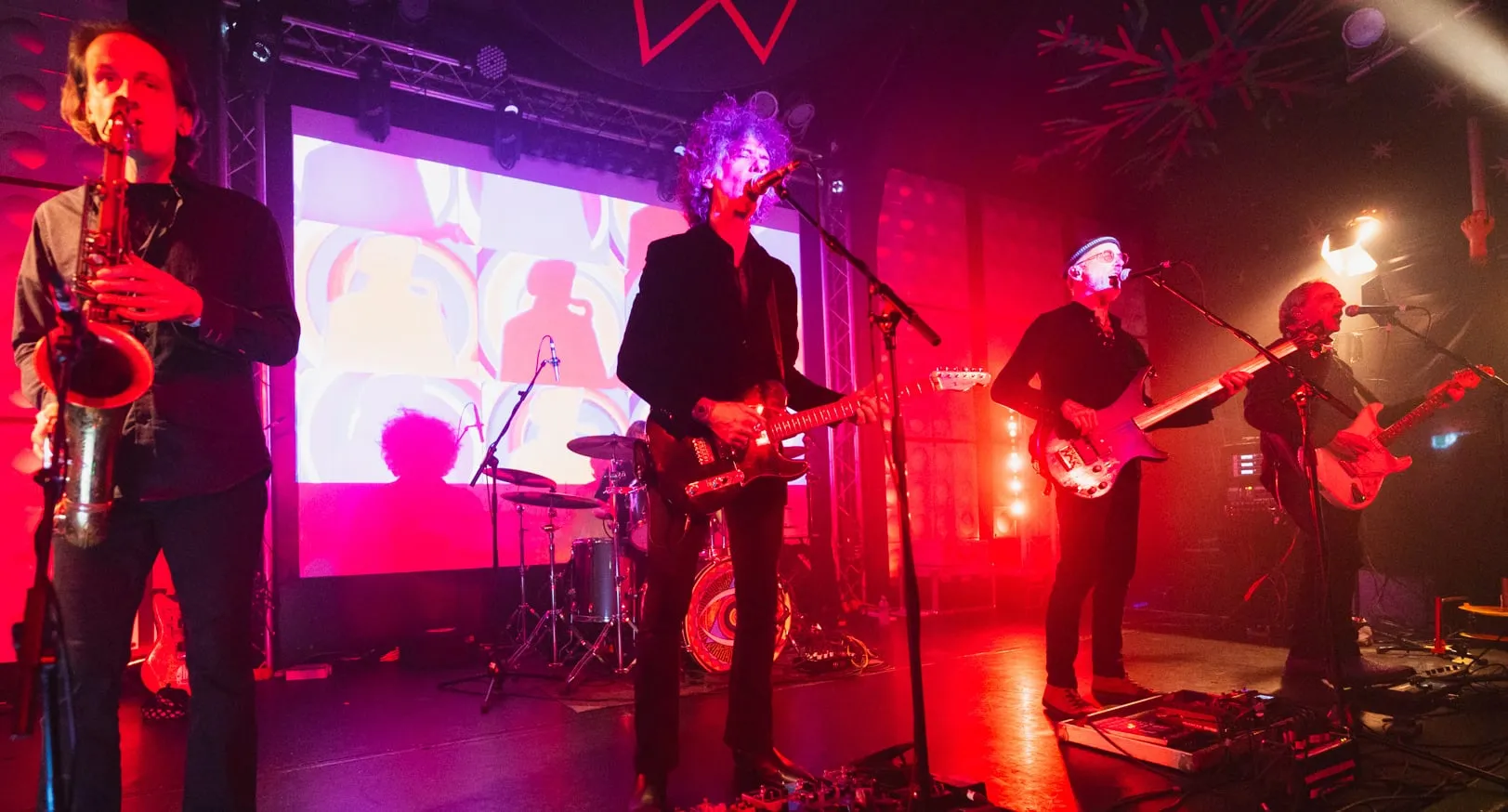
Photo by Paul Hudson from United Kingdom , licensed under CC BY 4.0 · Wikimedia Commons
Rank #281
Gong
Anglo-French Canterbury-scene band of cosmic prog whimsy.
From Wikipedia
Gong are a rock band associated with the Canterbury scene. They incorporate elements of psychedelic rock, jazz and space rock into their musical style. The group was formed in Paris in 1967 by Australian musician Daevid Allen and English vocalist Gilli Smyth. Band members have included Didier Malherbe, Pip Pyle, Steve Hillage, Mike Howlett, Tim Blake, Pierre Moerlen, Bill Laswell and Theo Travis. Others who have played on stage with Gong include Don Cherry, Chris Cutler, Bill Bruford, Brian Davison, Dave Stewart and Tatsuya Yoshida.
Members
- Benoît Moerlen (1976–1978)
- Hansford Rowe
- Pierre Moerlen
Studio Albums
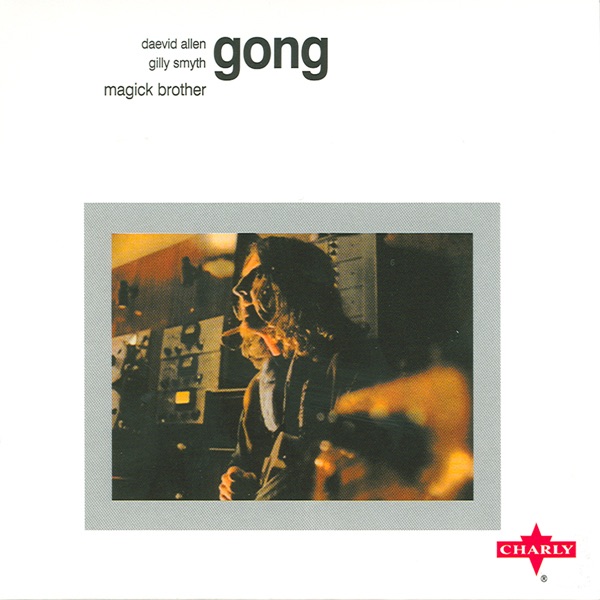
- 1970 Magick Brother
- 1971 Camembert électrique
- 1973 Angel’s Egg: Radio Gnome Invisible, Part 2
- 1973 Flying Teapot: Radio Gnome Invisible, Part 1
- 1974 You: Radio Gnome Invisible, Part 3
- 1975 Shamal
- 1976 Gazeuse!
- 1978 Expresso II
- 1992 Je ne fum’ pas des bananes
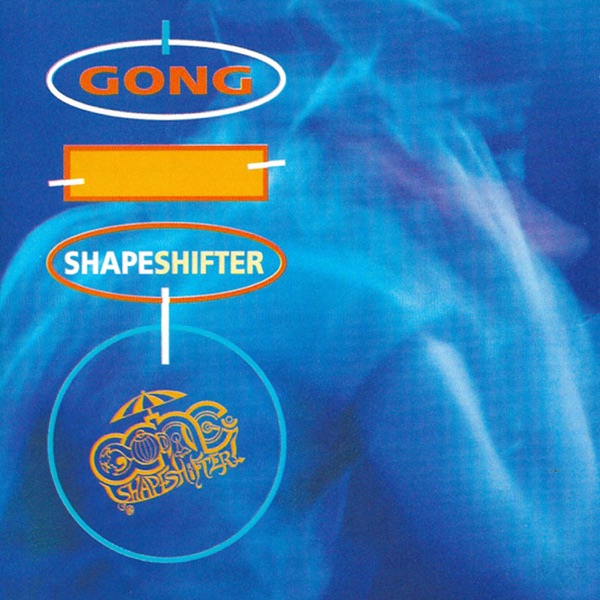
- 1992 Shapeshifter
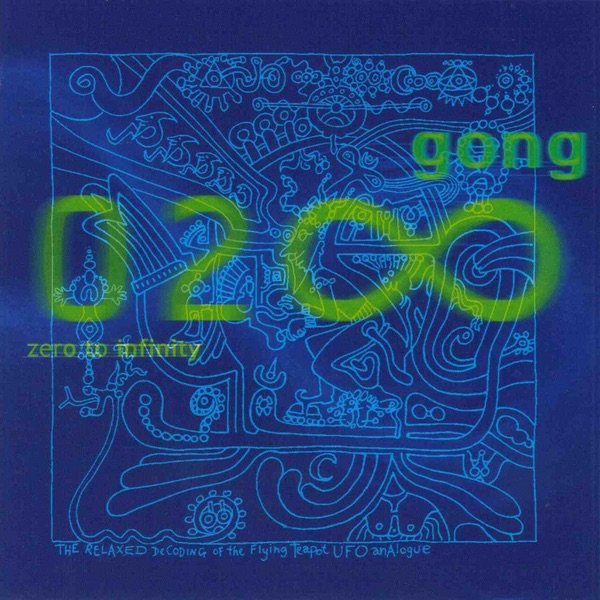
- 2000 Zero to Infinity
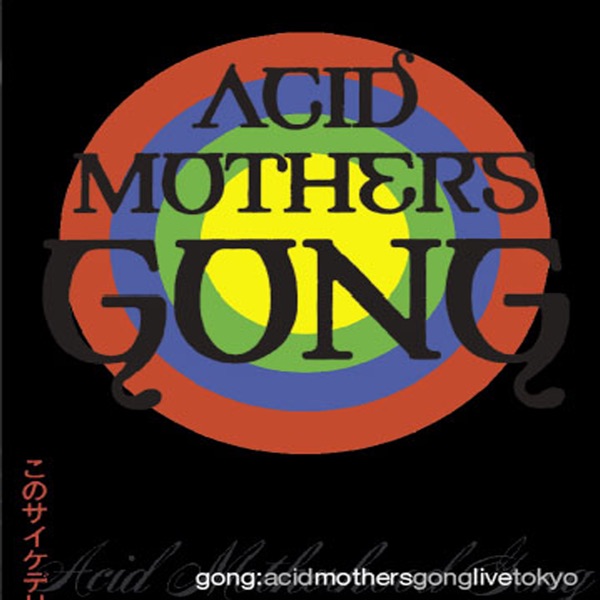
- 2004 Acid Motherhood
- 2009 2032
- 2014 I See You
- 2016 Rejoice! I’m Dead!
- 2019 The Universe Also Collapses
- 2023 Unending Ascending
- 2026 Bright Spirit
Source: MusicBrainz
Deep Dive
Overview
Gong are a rock band formed in Paris in 1967 that emerged as one of the most distinctive voices within the Canterbury scene—an Anglo-French constellation of progressive rock and psychedelic innovators. The group, founded by Australian musician Daevid Allen and English vocalist Gilli Smyth, built a sound that fused progressive rock’s structural ambition with psychedelic textures, jazz improvisation, and an avant-garde sensibility grounded in cosmic and whimsical themes. Their output across four decades established them as architects of space rock and surrealist prog, with a cult following that has sustained their activity from their 1967 formation through to the present day.
Formation Story
Gong coalesced in Paris during the counterculture ferment of the late 1960s, when Daevid Allen—an Australian musician and composer with roots in free jazz and experimental music—partnered with Gilli Smyth, a vocalist whose dramatic, ethereal presence would become the band’s spiritual center. The duo established the group in 1967 as the broader psychedelic movement was reaching critical mass in Europe. Paris, with its avant-garde artistic traditions and distance from the Anglo-American rock establishment, provided an unconventional launching ground for a band uninterested in commercial formula. The early lineup drew from a fluid pool of European musicians, many with connections to the jazz and contemporary classical worlds that would color Gong’s output throughout their career.
Breakthrough Moment
Gong’s commercial and critical ascent crystallized between 1973 and 1974 with the release of two consecutive albums that announced their distinctive vision to a broader audience: Flying Teapot: Radio Gnome Invisible, Part 1 (1973) and Angel’s Egg: Radio Gnome Invisible, Part 2 (1973). These records introduced the band’s signature narrative arc—a sprawling, concept-driven exploration of alien contact and cosmic consciousness that would become their most celebrated work. The Radio Gnome Invisible saga continued with You: Radio Gnome Invisible, Part 3 (1974), cementing Gong’s position as visionary storytellers within progressive rock. The trilogy’s combination of instrumental virtuosity, theatrical vocals from Gilli Smyth, and layered production captured audiences eager for rock that aspired to the experimental and the absurd simultaneously.
Peak Era
The period from 1973 to 1976 represented Gong’s most creatively fertile and commercially successful stretch. Beyond the Radio Gnome trilogy, the band released Shamal (1975) and Gazeuse! (1976), albums that demonstrated their capacity to evolve within their established sonic universe while maintaining thematic coherence. During this era, the band’s membership solidified around key figures including Steve Hillage (guitar), Didier Malherbe (saxophones and woodwinds), Pip Pyle (drums), and Pierre Moerlen (percussion and vibraphone), each bringing distinct technical expertise and compositional voice to group arrangements. The live experience became central to Gong’s identity during these years, with the band’s increasingly elaborate stage presentation and improvisational freedom reflecting the progressive rock ethos of extended performance and audience immersion.
Musical Style
Gong’s sound represents a synthesis of Canterbury-scene harmonic sophistication, psychedelic texture, and free-jazz flexibility. The band’s instrumentation typically featured layered guitars, woodwind sections (particularly the serpentine saxophone and flute work of Didier Malherbe), keyboards, percussion banks, and Gilli Smyth’s vocals—often processed through effects and used as an instrumental texture as much as a narrative device. Their compositions favored extended sectional development, non-linear song structures, and the use of humor and whimsy as compositional elements rather than breaks from seriousness. Tim Blake and later Pierre Moerlen’s synthesizer work added otherworldly textures that positioned Gong at the intersection of space rock (alongside contemporaries like Hawkwind) and studio-craft experimentation. Lyrically and thematically, Gong embraced surrealism, cosmic mythology, and absurdist storytelling—a tonal palette that set them apart from the more straightforward narrative ambitions of peers in the progressive movement.
Major Albums
Flying Teapot: Radio Gnome Invisible, Part 1 (1973)
The first installment of Gong’s concept trilogy, Flying Teapot established the narrative framework and sonic vocabulary that would define the band’s most celebrated period. The album balances intricate instrumental passages with theatrical spoken-word interludes and Gilli Smyth’s ethereal vocals, creating a cohesive world of alien contact and cosmic consciousness.
Angel’s Egg: Radio Gnome Invisible, Part 2 (1973)
Released the same year as Flying Teapot, Angel’s Egg deepens the Radio Gnome narrative while showcasing the band’s expanding instrumental sophistication and the crystallization of their core lineup. The album exemplifies the band’s ability to balance accessibility with avant-garde structural ambition.
You: Radio Gnome Invisible, Part 3 (1974)
Completing the Radio Gnome trilogy, You brought narrative and musical resolution to the concept while demonstrating no decline in inventiveness. The album cements the trilogy’s status as progressive rock’s most ambitious and whimsical concept sequence.
Shamal (1975)
Shamal marked a shift toward greater instrumental cohesion and ensemble interplay, with Pierre Moerlen’s percussion work and the band’s rhythm section achieving new levels of tightness. The album proved Gong capable of evolving beyond their conceptual framework without sacrificing their distinctive identity.
Gazeuse! (1976)
The final studio album of Gong’s initial run, Gazeuse! represents the band at peak technical proficiency, with all members functioning as equal contributors to densely layered, rhythmically adventurous compositions.
Signature Songs
- “Radio Gnome Invisible” — The thematic anchor and title concept that unified Gong’s most celebrated work and became synonymous with their artistic vision.
- “Flying Teapot” — The opening statement of the Radio Gnome trilogy, establishing the band’s cosmic narrative and sonic palette in one economical track.
- “Witch’s Spell” — A showcase for Didier Malherbe’s saxophone work and the band’s ability to marry dance-inflected rhythms with free-jazz spontaneity.
- “I Never Glid Before” — Demonstrates Gilli Smyth’s vocal range and the band’s use of her voice as both lyrical instrument and sound texture.
Influence on Rock
Gong’s legacy within progressive and space rock runs deep despite their relative obscurity outside devoted prog circles. Their demonstration that rock music could accommodate cosmic absurdism, narrative ambition, and instrumental virtuosity without sacrificing coherence influenced generations of musicians exploring the boundaries of rock structure. The band’s willingness to incorporate world-music elements, jazz improvisation, and electronic texture into a rock context anticipated many of the cross-genre movements that would emerge in the 1980s and beyond. Steve Hillage’s subsequent solo work and his collaborations with other artists extended Gong’s influence into electronic and ambient territories; Pierre Moerlen’s career similarly disseminated the band’s rhythmic innovations. For musicians working in space rock, psychedelic revival, and experimental rock, Gong’s example—that genre hybridity and thematic ambition need not preclude accessibility—remains instructive.
Legacy
After disbanding in 1977, Gong has periodically reunited and reformed, with Daevid Allen and Gilli Smyth overseeing the project through multiple lineups and a catalog that extends into the 2020s. The band returned to recording in 1992 with Je ne fum’ pas des bananes and Shapeshifter, signaling a sustained commitment to the original vision while accommodating the passage of decades and the natural evolution of musicians’ interests. A string of 21st-century albums—including Zero to Infinity (2000), Acid Motherhood (2004), 2032 (2009), and continuing through Unending Ascending (2023)—demonstrates Gong’s refusal to calcify into nostalgia, though the Radio Gnome trilogy remains the touchstone by which the band is primarily understood. The band’s 1970s work, particularly the trilogy, has benefited from the expanded reach of streaming platforms and the enduring cult appeal of progressive rock, ensuring that new listeners continue to encounter their singular fusion of cosmic storytelling and instrumental ambition.
Fun Facts
- Gong was one of the few major progressive rock bands to emerge from Paris rather than the United Kingdom, reflecting the cosmopolitan and avant-garde traditions of French artistic culture during the 1960s and 1970s.
- The band’s concept of the Radio Gnome—an alien intelligence communicating through rock music—became literal in their live performances, with elaborate staging and Gilli Smyth’s presence functioning as the embodiment of the concept’s theatrical dimension.
- Pierre Moerlen, who joined Gong as a percussionist during their peak era, later forged a significant solo career while maintaining his association with the band across multiple reunions and recording projects.
- Despite their influence on progressive and space rock, Gong never achieved the mainstream commercial success of contemporaries like Yes or Genesis, a fact that many observers attribute to their commitment to cosmic whimsy and conceptual ambition over radio-friendly songwriting.
Discography & Previews
Click any album to expand its track list. Each track plays a 30-second preview streamed from Apple Music. Tap the link icon next to a track to open it in Apple Music for full playback.
- 1 Mystic Sister / Magick Brother ↗ 5:56
- 2 Rational Anthemn ↗ 4:08
- 3 Glad to Sad to Say ↗ 3:43
- 4 Chainstore Chant / Pretty Miss Titty ↗ 4:48
- 5 Fable of a Fredfish / Hope You Feel OK ↗ 4:28
- 6 Ego ↗ 4:00
- 7 Gong Song ↗ 4:08
- 8 Princess Dreaming ↗ 2:54
- 9 5 and 20 Schoolgirls ↗ 4:36
- 10 Cos You Got Green Hair ↗ 5:04

- 1 Radio Gnome (2015 Remaster) ↗ 0:28
- 2 You Can't Kill Me (2015 Remaster) ↗ 6:17
- 3 I've Bin Stone Before: Mister Long Shanks: O Mother (2015 Remaster) ↗ 4:51
- 4 I Am Your Fantasy (2015 Remaster) ↗ 3:39
- 5 Dynamite: I Am Your Animal (2015 Remaster) ↗ 4:30
- 6 Wet Cheese Delirium (2015 Remaster) ↗ 0:28
- 7 Squeezing Sponges over Policemen's Heads (2015 Remaster) ↗ 0:13
- 8 Fohat Digs Holes in Space (2015 Remaster) ↗ 6:20
- 9 Tried so Hard (2015 Remaster) ↗ 4:37
- 10 Tropical Fish: Selene (2015 Remaster) ↗ 7:32
- 11 Gnome the Second (2015 Remaster) ↗ 0:26

- 1 Gnomerique ↗ 0:07
- 2 Shapeshifter ↗ 4:53
- 3 Hymnalayas ↗ 7:38
- 4 Dog-O-Matic ↗ 3:00
- 5 Spirit with Me ↗ 2:28
- 6 Mr. Albert Parkin ↗ 0:18
- 7 Raindrop Tablas ↗ 0:21
- 8 Give My Mother a Soul Call ↗ 4:04
- 9 Heaven's Gate ↗ 4:50
- 10 Snake Tablas ↗ 0:34
- 11 Loli ↗ 5:09
- 12 Là Bas Là Bas ↗ 4:07
- 13 I Gotta Donkey ↗ 2:13
- 14 Can You : You Can (Live) ↗ 9:09
- 15 Confiture de Rhubarbier (Live) ↗ 1:18
- 16 Parkin Triumphant ↗ 0:07
- 17 Longhaired Tablas ↗ 0:15
- 18 Eléphant la Tête ↗ 4:42
- 19 Mother's Gone ↗ 1:12
- 20 Eléphant la Cuisse ↗ 3:26
- 21 White Doves ↗ 5:25
- 22 Gnomoutro ↗ 0:27

- 1 City of Self Fascination ↗ 6:04
- 2 Digital Girl ↗ 4:23
- 3 How to Stay Alive ↗ 8:06
- 4 Escape Control Delete ↗ 7:58
- 5 Yoni Poem ↗ 2:09
- 6 Dance with the Pixies ↗ 4:37
- 7 Wacky Baccy Banker ↗ 8:21
- 8 The Year 2032 ↗ 5:39
- 9 Robo-Warriors ↗ 3:00
- 10 Guitar Zero ↗ 4:55
- 11 The Gris Gris Girl ↗ 6:29
- 12 Wave & a Particle ↗ 2:05
- 13 Pinkle Ponkle ↗ 4:35
- 14 Portal ↗ 7:08

- 1 I See You (2024 Mix) ↗ 3:29
- 2 Occupy (2024 Mix) ↗ 2:53
- 3 When God Shakes Hands with The Devil (2024 Mix) ↗ 5:36
- 4 The Eternal Wheel Spins (2024 Mix) ↗ 7:09
- 5 Syllabub (2024 Mix) ↗ 4:32
- 6 This Revolution (2024 Mix) ↗ 3:57
- 7 You See Me (2024 Mix) ↗ 2:45
- 8 Zion My T-Shirt (2024 Mix) ↗ 7:01
- 9 Pixielation (2024 Mix) ↗ 4:49
- 10 Brew of Special Tea (2024 Mix) ↗ 1:24
- 11 Thank You (2024 Mix) ↗ 10:20
- 12 Shakti Yoni & Dingo Virgin (2024 Mix) ↗ 9:19


