
Photo by Tammy Lo from Brooklyn, NY , licensed under CC BY 2.0 · Wikimedia Commons
Rank #449
Galaxie 500
Boston dream-pop band whose three records remain quietly enormous.
From Wikipedia
Galaxie 500 was an American indie rock band that formed in 1987 and split up in 1991 after releasing three studio albums: Today (1988), On Fire (1989), and This Is Our Music (1990).
Studio Albums
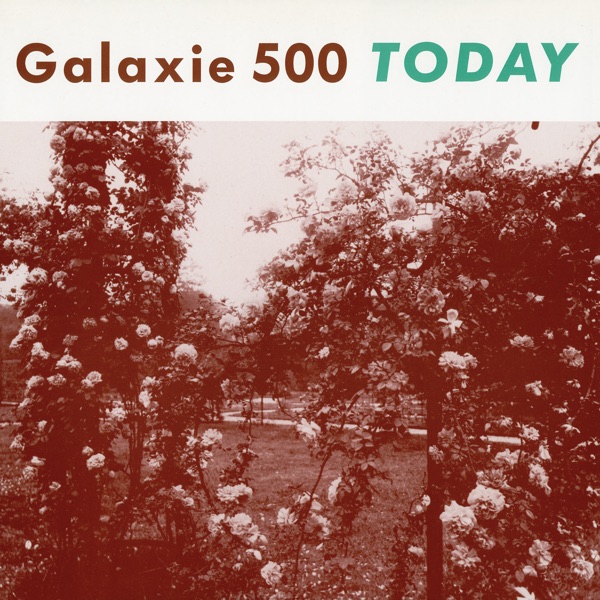
- 1988 Today
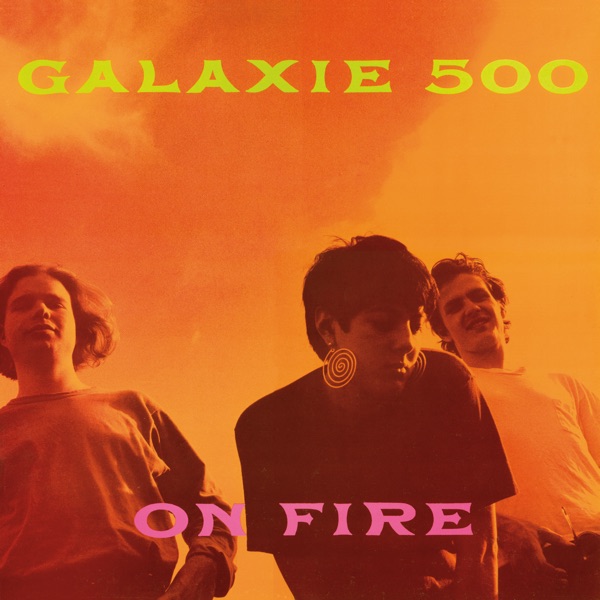
- 1989 On Fire
- 1990 This Is Our Music
Source: MusicBrainz
Deep Dive
Overview
Galaxie 500 was an American indie rock band formed in Cambridge, Massachusetts, in 1987. Operating during the tail end of the 1980s and the early 1990s, the band released three studio albums over a brief four-year lifespan before dissolving in 1991. Despite their short tenure and limited commercial reach, Galaxie 500’s output—Today, On Fire, and This Is Our Music—established a template for dream-pop and indie rock that would resonate with underground musicians and dedicated listeners for decades. Their influence outweighs their contemporary visibility, marking them as a significant force in shaping the aesthetics of 1990s alternative rock.
Formation Story
Galaxie 500 emerged from the Cambridge indie music scene in 1987, a period when Boston was quietly incubating alternative and independent rock acts beyond the glare of commercial radio. The band coalesced around a core of three musicians working within the independent label infrastructure, particularly through Rough Trade, which would become their primary home for releases. Their formation coincided with the tail end of the post-punk era and the rise of dream-pop and shoegaze movements overseas, though Galaxie 500 developed their sound in relative isolation from those trends, arriving at similar aesthetic territory through their own artistic instincts.
Breakthrough Moment
Galaxie 500’s debut album, Today, arrived in 1988 on Rough Trade. The record introduced listeners to the band’s minimalist approach to melody and production—sparse arrangements, restrained vocals, and a willingness to embrace slowness and quiet as compositional strategies. This approach proved compelling enough to establish the band within underground circles, creating a small but devoted audience. The success of Today provided the foundation for a second release just a year later, demonstrating that the band’s artistic vision had enough depth and originality to sustain repeated engagement from listeners seeking alternatives to the more accessible indie rock of the era.
Peak Era
Galaxie 500’s peak creative and commercial window spanned 1988 to 1990, covering the release of all three albums: Today, On Fire, and This Is Our Music. This three-year period saw the band refining and deepening the sonic language established on their debut, each subsequent album expanding their palette while maintaining the core aesthetic that defined them. On Fire (1989) and This Is Our Music (1990) solidified their reputation within the independent rock community as essential listening, even as mainstream attention remained absent. The decision to disband in 1991, just as their influence was beginning to extend beyond immediate indie circles, ensured that their three-album catalog would retain a sense of completeness and artistic integrity.
Musical Style
Galaxie 500 crafted dream-pop and indie rock that prioritized emotional restraint and sonic simplicity. Their arrangements were deliberately spare, stripping rock music down to essential elements—guitar, bass, drums, and voice—and resisting the temptation to layer elaborate production or prominent instrumental flourishes. The vocals were often detached, almost conversational, delivered without the dramatic expressiveness common in alternative rock of the era. Their songs moved at deliberate tempos, frequently emphasizing slowness and space over traditional pop momentum. This minimalist approach allowed melodic content and lyrical detail to occupy the foreground, creating an intimate listening experience that rewarded close attention. The band emerged from roots in post-punk and indie rock but moved toward a sound more closely aligned with dream-pop aesthetics, though always maintaining a distinctly American sensibility rather than emulating the shoegaze bombast occurring simultaneously in the United Kingdom.
Major Albums
Today (1988)
The debut established Galaxie 500’s signature sound: sparse guitar work, restrained vocals, and songs structured around emotional simplicity rather than technical showmanship. The album introduced listeners to the band’s ability to convey feeling through subtraction and silence.
On Fire (1989)
The second album deepened the band’s exploration of minimalist songwriting while expanding their sonic vocabulary. On Fire demonstrated that their debut was not a one-time artistic statement but rather the beginning of a sustained compositional approach.
This Is Our Music (1990)
The final studio album refined the trio’s sound to its most focused form, balancing their established minimalism with increased melodic confidence. This Is Our Music served as a fitting conclusion to their initial run, leaving their legacy intact and uncompromised by later career shifts.
Signature Songs
- Strange — A track exemplifying the band’s ability to extract maximum emotional resonance from minimal instrumental means.
- Tugboat — Demonstrates the band’s gift for creating memorable melodies through quiet, patient composition.
- King of Spain — Showcases the sparse, almost conversational vocal delivery that defined Galaxie 500’s approach to singing.
Influence on Rock
Galaxie 500’s influence extended well beyond their modest audience during their initial run. Their blueprint of minimalist indie rock—sparse instrumentation, emotional restraint, and melodic focus—became a foundational reference point for subsequent generations of independent musicians. The band demonstrated that unconventional approaches to rock structure and production could resonate deeply without commercial compromise or mainstream accommodation. Artists working in slowcore, sadcore, and related movements that emerged in the 1990s and 2000s traced direct lineage to Galaxie 500’s aesthetic choices. The band’s willingness to move slowly, embrace silence, and prioritize emotional nuance over technical display opened creative pathways for musicians uninterested in conventional rock dynamics.
Legacy
Galaxie 500’s three-album catalog has acquired the status of canonical indie rock literature over the three decades since their initial dissolution. Though they operated largely outside mainstream recognition, their work became increasingly valued as independent rock history crystallized and reassessed its own heritage. The band’s influence appears particularly strong among musicians concerned with emotional depth and sonic restraint, making them perennially relevant to artists exploring the quieter registers of alternative rock. Their output on Rough Trade has maintained consistent availability and presence in the discography of serious indie rock listeners, ensuring that new audiences continue to discover their records and understanding their place in the genealogy of American rock music. The brevity of their career—just four years from formation to dissolution—has paradoxically enhanced their legacy, as their three albums stand as a complete artistic statement unblemished by later experimentation or commercial decline.
Fun Facts
- Galaxie 500 disbanded in 1991 while still creatively vital, resisting the temptation to extend their run beyond their artistic peak.
- The band’s name referenced the Galaxie 500, a Ford model from the 1960s, reflecting a somewhat detached approach to band nomenclature typical of indie rock aesthetics.
- Their releases on Rough Trade positioned them within the British independent label system, despite their Cambridge, Massachusetts origin, connecting them to a broader international indie rock community.
Discography & Previews
Click any album to expand its track list. Each track plays a 30-second preview streamed from Apple Music. Tap the link icon next to a track to open it in Apple Music for full playback.