
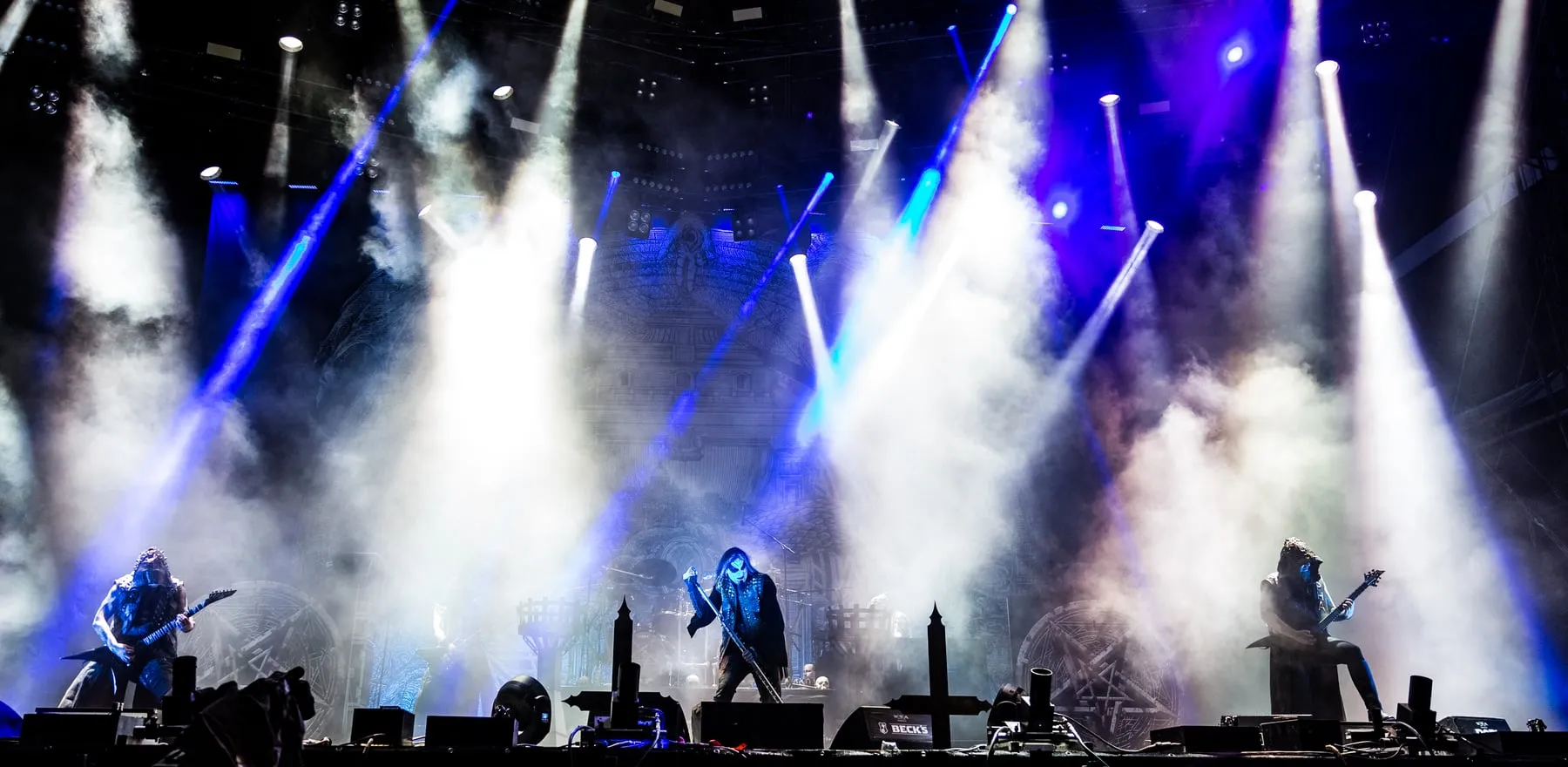
Photo by Andreas Lawen, Fotandi , licensed under CC BY-SA 4.0 · Wikimedia Commons
Rank #248
Dimmu Borgir
Norwegian symphonic black-metal band who pushed the genre to mainstream metal.
From Wikipedia
Dimmu Borgir is a Norwegian symphonic black metal band from Jessheim, formed in 1993. The name is derived from Dimmuborgir, a volcanic formation in Iceland, the name of which means "dark cities" or "dark castles/fortresses" in Icelandic, Faroese and Old Norse. The band has been through numerous lineup changes over the years; vocalist Shagrath and guitarist Silenoz are the only original members who still remain.
Members
- Astennu
- Brynjard Tristan
- Galder
- ICS Vortex
- Mustis
- Nick Barker
- Shagrath
- Silenoz
- Stian Aarstad
- Stian Arnesen
- Tjodalv
Studio Albums
- 1994 For all tid
- 1996 Stormblåst
- 1997 Enthrone Darkness Triumphant
- 1999 Spiritual Black Dimensions
- 2001 Puritanical Euphoric Misanthropia
- 2003 Death Cult Armageddon
- 2005 Stormblåst
- 2007 In Sorte Diaboli
- 2010 Abrahadabra
- 2018 Eonian
- 2026 Grand Serpent Rising
Source: MusicBrainz
Deep Dive
Overview
Dimmu Borgir is a Norwegian symphonic black metal band that emerged from Jessheim in 1993 and became one of the genre’s most commercially successful acts. The band’s name derives from Dimmuborgir, an Icelandic volcanic formation whose name translates to “dark cities” or “dark castles” in Icelandic, Faroese, and Old Norse. What distinguished Dimmu Borgir from their peers was their systematic integration of orchestral arrangements and symphonic elements into the raw, tremolo-picked framework of black metal—a fusion that would eventually push the subgenre toward mainstream metal audiences and expand what black metal could encompass structurally and sonically.
Formation Story
Dimmu Borgir coalesced in 1993 from the Jessheim metal underground, with Shagrath and Silenoz establishing the project’s core identity from its inception. The band’s early years coincided with the second wave of Norwegian black metal, an era when Scandinavia’s extreme metal scene was fracturing into increasingly specific subgenres and stylistic experiments. The lineup underwent substantial flux throughout the 1990s, with members including Stian Aarstad, Tjodalv, and Mustis rotating through the ranks as the band’s vision crystallized.
Breakthrough Moment
Dimmu Borgir’s ascent from underground Norwegian act to internationally recognized metal band crystallized around the release of Stormblåst in 1996. The album introduced a more expansive sonic palette than their debut For all tid (1994), demonstrating the band’s growing facility with layered production and orchestral instrumentation. This trajectory accelerated decisively with Enthrone Darkness Triumphant in 1997, an album that codified their symphonic approach and established the sonic and compositional template they would refine across subsequent releases. By the turn of the millennium, Dimmu Borgir had transitioned from a cult black metal band to one of the subgenre’s most recognizable entities, a position solidified by Spiritual Black Dimensions (1999) and cemented with Puritanical Euphoric Misanthropia (2001).
Peak Era
The period from 2001 to 2007 represented the band’s creative and commercial zenith. Puritanical Euphoric Misanthropia (2001) arrived as their most ambitious statement yet, employing full orchestral arrangements alongside the band’s black metal framework. This album established Dimmu Borgir as an act that could command both critical respect within the extreme metal underground and crossover appeal to broader metal and rock audiences. They sustained this momentum through Death Cult Armageddon (2003) and In Sorte Diaboli (2007), albums that refined rather than fundamentally reinvented the symphonic black metal template, consolidating their position as leaders of the subgenre.
Musical Style
Dimmu Borgir’s sound marries the corpse-painted traditions of second-wave Norwegian black metal with classical orchestration and theatrical production values. The band’s instrumental foundation remains grounded in rapid-fire blast beats, tremolo-picked riffing, and lower-register vocal extremity—the core sonic grammar of black metal. Over this, Dimmu Borgir layer synthesizers, string arrangements, and what amount to symphonic overtures that echo film scores and prog-metal ambition. Shagrath’s vocals oscillate between a harsh, pitched black metal rasp and deeper, more declamatory spoken passages, while the guitar interplay between Silenoz and Galder creates intricate harmonic textures. This orchestral augmentation is not decorative but structural; entire compositions are organized around rising and falling orchestral movements that mirror the band’s riff sequences, creating a sense of operatic grandeur within the extreme metal idiom.
Major Albums
For all tid (1994)
Dimmu Borgir’s debut introduced their core black metal foundation with raw production and energetic but still-coalescing songwriting, establishing the raw material upon which later sophistication would build.
Stormblåst (1996)
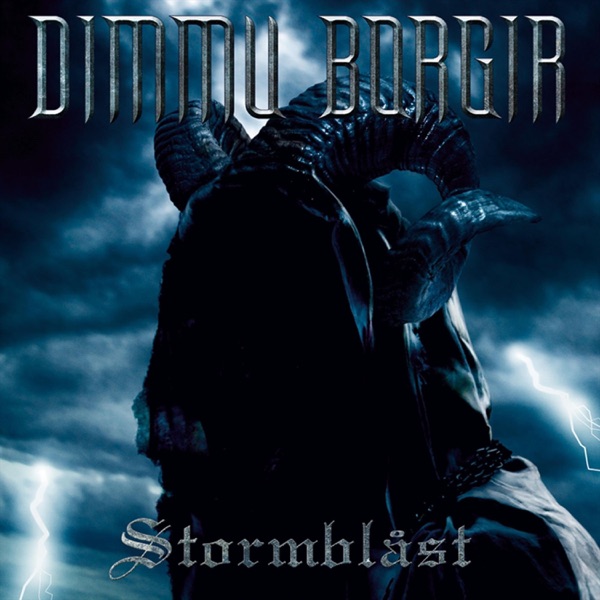
A marked step forward in production and arrangement, Stormblåst hinted at the symphonic direction to come while maintaining aggressive black metal aesthetics and was rerecorded in 2005 with updated production and expanded arrangements.
Enthrone Darkness Triumphant (1997)
This album crystallized Dimmu Borgir’s symphonic vision, introducing layered synths and orchestral passages as compositional partners to tremolo-picked riffs and establishing the template for their later mainstream successes.
Puritanical Euphoric Misanthropia (2001)
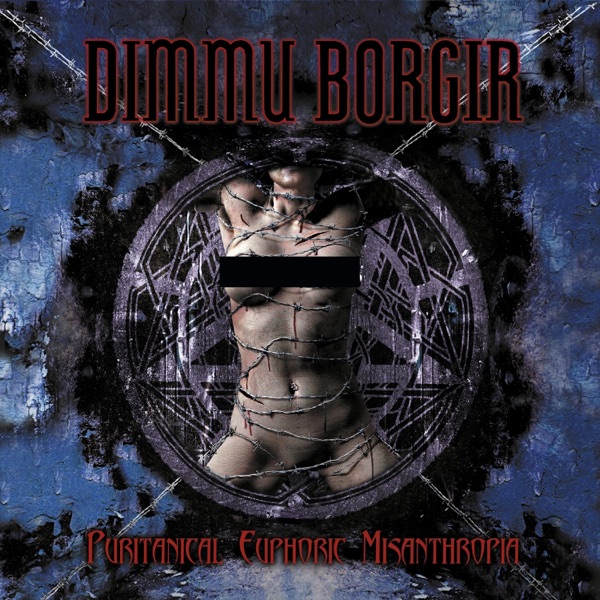
Their most celebrated work, this album deployed full orchestral arrangements and refined production to create cinematic black metal, reaching peak creative ambition while achieving significant crossover recognition.
Death Cult Armageddon (2003)
Continuing the symphonic expansion of Puritanical, Death Cult Armageddon consolidated their orchestral approach with guest musicians and session orchestras, representing the full realization of their cinematic aesthetic.
In Sorte Diaboli (2007)
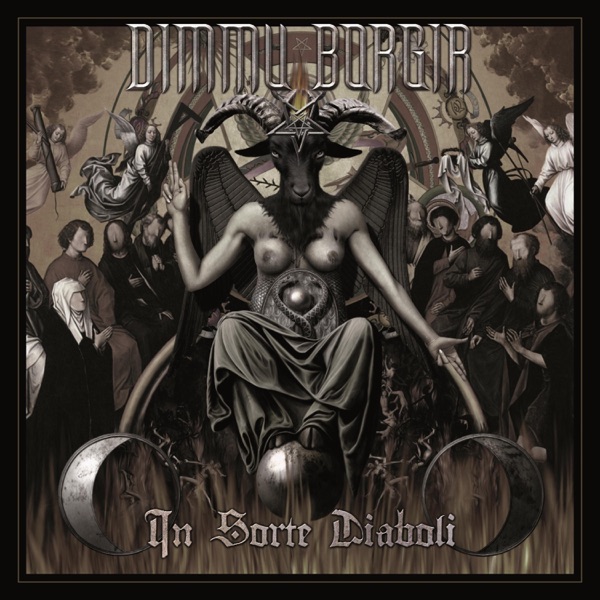
The band’s final album before a extended hiatus, In Sorte Diaboli refined and sustained the orchestral symphonic black metal blueprint without substantially departing from their established approach.
Signature Songs
- Erodent — A foundational black metal composition from their early period, demonstrating the raw power of their baseline sound.
- Progenies of the Great Apocalypse — An extended composition that showcases the band’s layering of orchestral passages with black metal intensity.
- Puritania — A defining song from Puritanical Euphoric Misanthropia that encapsulates their symphonic approach and achieved crossover visibility.
- A Perfect Discharge — A more aggressive example of their mid-period work, balancing symphonic elements with pure black metal aggression.
Influence on Rock
Dimmu Borgir’s achievement was to demonstrate that black metal, the most uncompromising and aesthetically rigid subgenre in rock music, could absorb symphonic and orchestral influences without losing its essential character. Their success redefined the boundaries of what symphonic metal could be, influencing countless bands to integrate classical instrumentation into extreme metal contexts. The band proved that extreme metal could command legitimate crossover appeal through compositional sophistication and production excellence rather than compromising their aesthetic principles. In doing so, they expanded the template for symphonic metal beyond the gothic and operatic traditions established by earlier acts, showing that orchestration could coexist with black metal’s raw velocity and tonal darkness.
Legacy
Dimmu Borgir’s 2010 album Abrahadabra marked a return following several years of reduced activity, and subsequent releases including Eonian (2018) demonstrated their continued ability to tour and record within their established symphonic black metal framework. The band remains one of the most recognizable names in extreme metal globally, a status grounded in their pioneering fusion of orchestral grandeur with black metal’s sonic brutality. Their influence extends across contemporary metal, from symphonic metal bands who adopted orchestral arrangements to progressive metal acts who incorporated darker tonalities and black metal production choices. Dimmu Borgir’s career arc illustrates a crucial development in late-twentieth and early-twenty-first-century metal: the erosion of strict generic boundaries and the increasingly accepted coexistence of extremity and sophistication within a single artistic vision.
Fun Facts
- The band’s name references Dimmuborgir, an actual volcanic landscape in Iceland comprising fractured lava columns and dark rock formations that inspired the band’s aesthetic vision.
- Shagrath and Silenoz have remained as the only original members throughout the band’s entire history since 1993, through all lineup changes and stylistic evolutions.
- The band’s 1996 album Stormblåst was rerecorded and rereleased in 2005 with updated production, demonstrating their commitment to revisiting and refining their earlier material.
Discography & Previews
Click any album to expand its track list. Each track plays a 30-second preview streamed from Apple Music. Tap the link icon next to a track to open it in Apple Music for full playback.

- 1 Det nye riket ↗ 5:04
- 2 Under korpens vinger ↗ 6:00
- 3 Over bleknede blaner til dommedag ↗ 4:05
- 4 Stien ↗ 2:00
- 5 Glittertind ↗ 5:15
- 6 For all tid ↗ 5:52
- 7 Hunnerkongens sorgsvarte ferd over steppene ↗ 3:22
- 8 Raabjorn speiler draugheimens skodde ↗ 5:01
- 9 Den gjemte sannhets hersker ↗ 6:20
- 10 Inn i evighetens morke, pt. 1 ↗ 5:25
- 11 Inn i evighetens morke, pt. 2 ↗ 2:09
- 1 Alt Lys Er Svunnet Hen ↗ 4:44
- 2 Broderskapets Ring ↗ 5:31
- 3 Nar Sjelen Hentes Til Helvete ↗ 4:43
- 4 Sorgens Kammer - Del II ↗ 5:52
- 5 Da Den Kristne Satte Livet Til ↗ 3:03
- 6 Stormblast ↗ 6:10
- 7 Dodsferd ↗ 5:42
- 8 Antikrist ↗ 3:36
- 9 Vinder Fra En Ensom Grav ↗ 4:01
- 10 Guds Fortapelse - Apenbaring Av Dommedag ↗ 4:02
- 11 Abmaktslave ↗ 3:55

- 1 Mourning Palace ↗ 5:13
- 2 Spellbound (By the Devil) ↗ 4:09
- 3 In Death's Embrace ↗ 5:42
- 4 Relinguishment of Spirit and Flesh ↗ 5:33
- 5 The Night Masquerade ↗ 4:25
- 6 Tormentor of Christian Souls ↗ 5:39
- 7 Entrance ↗ 4:48
- 8 Master of Disharmony ↗ 4:16
- 9 Prudence's Fall ↗ 5:56
- 10 A Succubus in Rapture ↗ 6:00

- 1 Reptile ↗ 5:16
- 2 Behind the Curtains of Night - Phantasmagoria ↗ 3:19
- 3 Dreamside Dominions ↗ 5:13
- 4 United in Unhallowed Grace ↗ 4:22
- 5 The Promised Future Aeons ↗ 6:51
- 6 The Blazing Monoliths of Defiance ↗ 4:37
- 7 The Insight and the Catharsis ↗ 7:16
- 8 Grotesquery Conceiled (Within Measureless Magic) ↗ 5:10
- 9 Arcane Lifeforce Mysteria ↗ 7:01
- 1 Fear and Wonder ↗ 2:48
- 2 Blessings Upon the Throne of Tyranny ↗ 5:19
- 3 Kings of the Carnival Creation ↗ 7:48
- 4 Hybrid Stigmata ↗ 6:58
- 5 Architecture of a Genocidal Nature ↗ 6:09
- 6 Puritania ↗ 3:06
- 7 Indoctrination ↗ 5:57
- 8 The Maelstrom Mephisto ↗ 4:42
- 9 Absolute Sole Right ↗ 6:26
- 10 Sympozium ↗ 5:14
- 11 Perfection or Vanity ↗ 3:37
- 12 Burn in Hell ↗ 5:06

- 1 Allegiance ↗ 5:50
- 2 Progenies of the Great Apocalypse ↗ 5:18
- 3 Lepers Among Us ↗ 4:44
- 4 Vredesbyrd ↗ 4:44
- 5 For the World to Dictate Our Death ↗ 4:47
- 6 Blood Hunger Doctrine ↗ 4:40
- 7 Allehelgens Dod I Helveds Rike ↗ 5:35
- 8 Cataclysm Children ↗ 5:16
- 9 Eradication Instincts Defined ↗ 7:13
- 10 Unorthodox Manifesto ↗ 8:50
- 11 Heavenly Perverse ↗ 6:35
- 1 Alt Lys Er Svunnet Hen ↗ 4:44
- 2 Broderskapets Ring ↗ 5:31
- 3 Nar Sjelen Hentes Til Helvete ↗ 4:43
- 4 Sorgens Kammer - Del II ↗ 5:52
- 5 Da Den Kristne Satte Livet Til ↗ 3:03
- 6 Stormblast ↗ 6:10
- 7 Dodsferd ↗ 5:42
- 8 Antikrist ↗ 3:36
- 9 Vinder Fra En Ensom Grav ↗ 4:01
- 10 Guds Fortapelse - Apenbaring Av Dommedag ↗ 4:02
- 11 Abmaktslave ↗ 3:55
- 1 The Serpentine Offering ↗ 5:09
- 2 The Chosen Legacy ↗ 4:17
- 3 The Conspiracy Unfolds ↗ 5:24
- 4 The Ancestral Fever ↗ 5:51
- 5 The Sacrilegious Scorn ↗ 3:59
- 6 The Fallen Arises ↗ 2:59
- 7 The Sinister Awakening ↗ 5:09
- 8 The Fundamental Alienation ↗ 5:17
- 9 The Invaluable Darkness ↗ 4:44
- 10 The Foreshadowing Furnace ↗ 5:49

- 1 Xibir ↗ 2:50
- 2 Born Treacherous ↗ 5:02
- 3 Gateways ↗ 5:10
- 4 Chess with the Abyss ↗ 4:08
- 5 Dimmu Borgir ↗ 5:35
- 6 Ritualist ↗ 5:13
- 7 The Demiurge Molecule ↗ 5:29
- 8 A Jewel Traced Through Coal ↗ 5:16
- 9 Renewal ↗ 4:12
- 10 Endings and Continuations ↗ 5:58
- 11 Gateways (Orchestral Version) ↗ 5:44
- 12 The Demiurge Molecule (Orchestral Version) ↗ 5:23


- 1 Tridentium ↗ 3:55
- 2 Ascent ↗ 5:22
- 3 As Seen in the Unseen ↗ 7:00
- 4 The Qryptfarer ↗ 4:30
- 5 Ulvgjeld & Blodsodel ↗ 5:43
- 6 Repository of Divine Transmutation ↗ 6:34
- 7 Slik Minnes en Alkymist ↗ 5:38
- 8 Phantom of the Nemesis ↗ 5:07
- 9 The Exonerated ↗ 5:57
- 10 Recognizant ↗ 5:52
- 11 At the Precipice of Convergence ↗ 4:16
- 12 Shadows of a Thousand Perceptions ↗ 5:30
- 13 Gjǫll ↗ 4:00