

Photo by Raph_PH , licensed under CC BY 2.0 · Wikimedia Commons
Rank #202
Devo
Akron art-punks whose herky-jerky New Wave was both satire and innovation.
From Wikipedia
Devo is an American new wave band from Akron, Ohio, formed in 1973. Their classic line-up consisted of two sets of brothers, the Mothersbaughs and the Casales, along with drummer Alan Myers. While the band is best known and technically a one-hit wonder in the U.S. for their 1980 single "Whip It," their only appearance on the Billboard Hot 100, they continue to have a loyal following.
Members
- Alan Myers
- Bob Casale
- Bob Lewis
- Bob Mothersbaugh
- David Kendrick
- Fred Armisen
- Fred Weber
- Gerald Casale
- Jeff Friedl
- Jim Mothersbaugh
- Josh Freese
- Josh Hager
- Mark Mothersbaugh
- Rod Reisman
Studio Albums
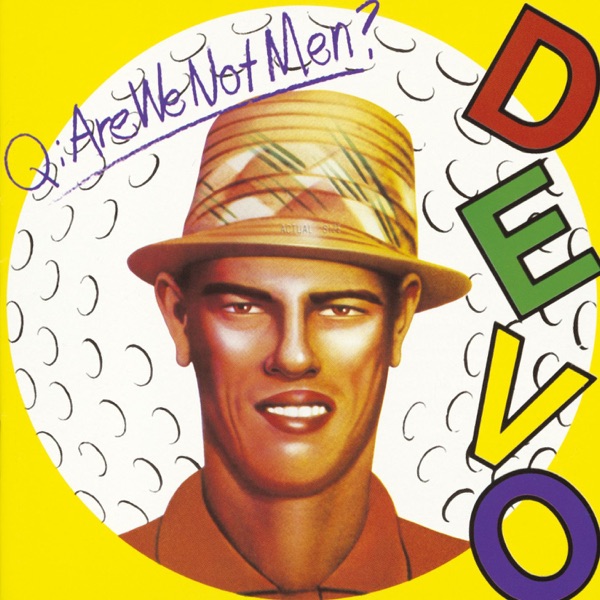
- 1978 Q: Are We Not Men? A: We Are Devo!
- 1979 Duty Now for the Future
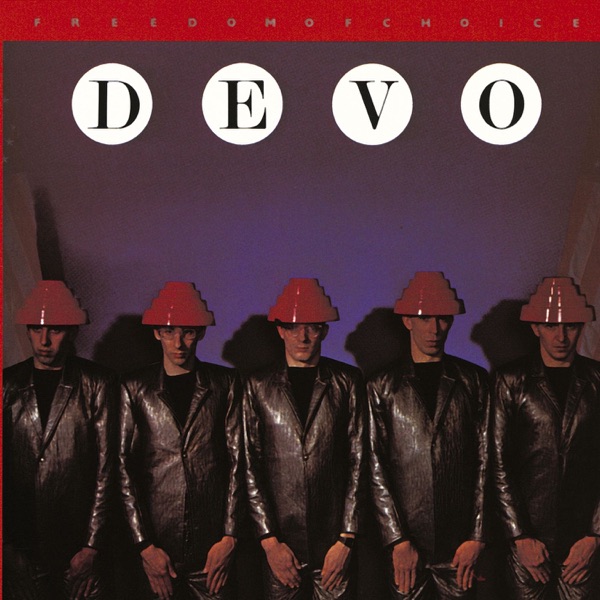
- 1980 Freedom of Choice
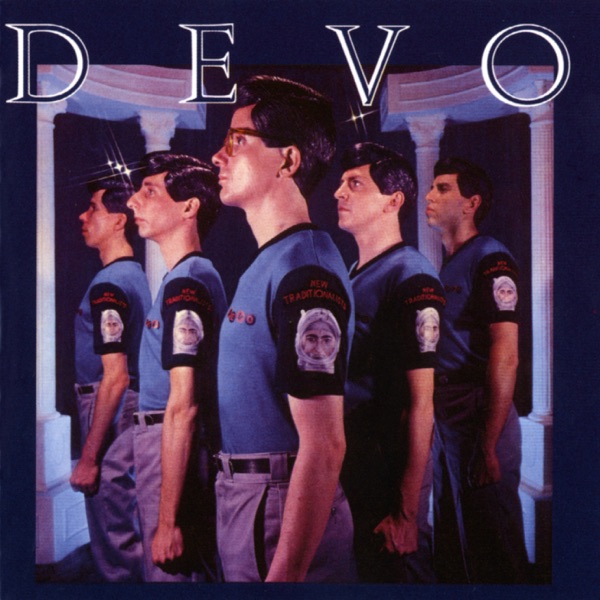
- 1981 New Traditionalists
- 1981 E-Z Listening Muzak
- 1982 Oh, No! It’s DEVO
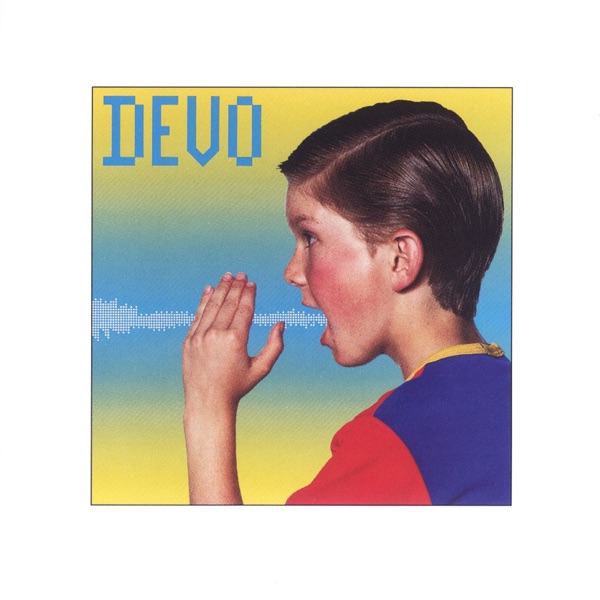
- 1984 Shout
- 1988 Total Devo
- 1990 Smooth Noodle Maps
- 2010 Something for Everybody
- 2013 Something Else for Everybody
- — Unreleased Demos, Vol. 1 & 2
Source: MusicBrainz
Deep Dive
Overview
Devo is an American new wave band formed in 1972 in Kent, Ohio, whose stripped-down aesthetic and staccato musicianship made them one of the most distinctive voices in 1980s rock. Built around two sets of brothers—Mark and Bob Mothersbaugh, and Gerald and Bob Casale—along with drummer Alan Myers, Devo bridged art-rock conceptualism with dance-floor accessibility. While the band achieved mainstream recognition primarily through a single U.S. hit, their influence on new wave and post-punk extended far beyond that moment, establishing a template for how rock bands could marry intellectual critique with infectious, propulsive rhythm.
Formation Story
Devo coalesced from the Akron, Ohio art scene in the early 1970s, emerging as part of a broader wave of post-punk experimentation that would define the latter half of the decade. The classic lineup featured Mark Mothersbaugh on vocals and keyboards, Bob Mothersbaugh on guitar, Gerald Casale on bass, Bob Casale on guitar, and Alan Myers on drums. The band’s name itself was shorthand for “de-evolution,” a concept central to their artistic vision—a commentary on the perceived decline of human society and culture, expressed through jerky, angular arrangements and deadpan stage presence. From their inception, Devo positioned themselves as both musical innovators and social commentators, a stance that would define their catalog and live performances.
Breakthrough Moment
Devo’s debut album, Q: Are We Not Men? A: We Are Devo!, arrived in 1978 and immediately signaled that the band had arrived with a fully formed artistic vision. The record’s collision of synthesizer-driven arrangements, robotic vocal harmonies, and punk-derived energy created a template that felt entirely new. However, it was the 1980 single “Whip It” from their third studio album, Freedom of Choice, that catapulted them into mainstream awareness. The track became their sole appearance on the Billboard Hot 100, reaching a level of commercial success that neither their earlier nor later work would replicate. “Whip It” paired an impossibly catchy hook with a music video that emphasized the band’s distinctive visual aesthetic—matching jumpsuits, synchronized jerky movements, and a deadpan humor that suggested both celebration and critique of consumer culture.
Peak Era
Devo’s creative and commercial apex spanned the early 1980s, with Freedom of Choice (1980) and New Traditionalists (1981) standing as the twin pillars of their most inventive period. Freedom of Choice proved they could embed conceptual rigor within pop structures, while New Traditionalists deepened their exploration of technology’s role in modern life and personal identity. Tracks across both albums demonstrated how precisely engineered synth-pop could sound both cerebral and dancefloor-ready. The follow-up, Oh, No! It’s DEVO (1982), continued their commercial momentum, though by the mid-1980s, the band’s creative energy began to fragment across different projects and directions. Despite shifts in lineup and focus, Devo remained active, releasing Shout in 1984 and continuing to record and perform into the late 1980s and beyond.
Musical Style
Devo’s sound was characterized by herky-jerky rhythms, prominent synthesizers, and vocal delivery that ranged from deadpan to robotic to urgently conversational. Drums and bass locked into stuttering, repetitive patterns rather than swinging grooves; melodies often twisted in unexpected intervals; and production emphasized clarity and precision over warmth or organic texture. Their work descended from both punk rock—especially the raw energy and attitude—and art rock’s conceptual ambition, but filtered through an emerging electronic sensibility. Unlike some synth-pop acts of the era that chased smoothness and glamour, Devo deliberately emphasized the artificial qualities of their instruments, turning seeming limitations into strengths. The arrangement and production philosophy suggested that human behavior itself had become automated and predictable, a central thesis underlying much of their songwriting. Vocally, the band often employed three-part or four-part harmonies that sounded oddly processed, emphasizing unity and conformity rather than individual personality.
Major Albums
Q: Are We Not Men? A: We Are Devo! (1978)
Devo’s debut established the band’s core concept and sound: dense synth arrangements, jerking rhythms, and an underlying social critique delivered through art-rock abstraction. Tracks like “Jocko Homo” became early anthems of new wave.
Freedom of Choice (1980)
The album that contained “Whip It” also showcased Devo’s ability to embed serious thematic material within irresistibly catchy pop songs, proving they could write hooks without sacrificing intellectual edge.
New Traditionalists (1981)
A darker and more synth-forward follow-up, New Traditionalists deepened the band’s exploration of conformity and technological mediation in modern life, with a harder edge than its predecessor.
Oh, No! It’s DEVO (1982)
The band’s third major-label effort continued their commercial viability while showing signs of stylistic divergence, with individual members pursuing parallel songwriting and production interests.
Shout (1984)
By the mid-1980s, Devo’s grip on the zeitgeist had loosened, but Shout demonstrated their refusal to abandon the core elements of their sound despite changing musical fashions.
Signature Songs
- “Whip It” (1980) — A one-hit wonder in the U.S., the track’s deceptively simple hook and driving rhythm became Devo’s calling card and enduring presence in pop culture.
- “Jocko Homo” (1978) — The band’s original statement of purpose, with the repeated query “Are we not men?” becoming a rallying cry for new-wave outsiders.
- “Girl U Want” (1978) — An early single that showcased the band’s ability to make angular, deliberately awkward arrangements feel genuinely funky.
- “Beautiful World” (1978) — A sarcastic meditation on consumer culture wrapped in a bouncy synth-pop melody, capturing Devo’s simultaneous embrace and rejection of pop artifice.
Influence on Rock
Devo’s influence rippled through new wave, post-punk, and electronic rock, establishing that intelligent musical critique and commercial appeal were not mutually exclusive. They proved that synthesizers could sound menacing and conceptually purposeful rather than merely decorative. The band’s visual presentation—matching outfits, synchronized movement, deadpan humor—also elevated the importance of image and performance concept in rock, influencing how new-wave acts approached stagecraft and music video production. Artists across subsequent decades drew from Devo’s template of combining art-rock pretension with populist hooks, and their influence echoes through acts that blur entertainment and satire. Their work was foundational in demonstrating that rock music could be funny, serious, and danceable simultaneously.
Legacy
Devo’s reputation has only deepened since their commercial peak. While “Whip It” remains their most visible achievement in mainstream culture, serious music historians and contemporary artists recognize the first four albums as essential new-wave documents. The band has remained active, recording Something for Everybody in 2010 and Something Else for Everybody in 2013, proving their commitment to the project decades after their initial formation. Their early albums have been reissued and recontextualized as foundational texts of 1980s rock. The band’s satirical ethos and technical precision anticipated post-punk and art-rock revival movements of later eras, and their work continues to inspire acts interested in merging conceptual rigor with accessibility. Mark Mothersbaugh’s subsequent career in film and television scoring has only enhanced the band’s cultural footprint, introducing new audiences to their aesthetic and ideology.
Fun Facts
- The band was named after a concept of de-evolution, reflecting their artistic thesis that human culture and behavior were in decline toward automated conformity.
- Devo recorded a version titled E-Z Listening Muzak in 1981, demonstrating the band’s willingness to subvert their own commercial success and genre expectations.
- The band’s iconic matching jumpsuits and synchronized choreography were developed as part of a comprehensive visual statement that made them as memorable for appearance as for music.
- Alan Myers, the classic-era drummer, was instrumental in creating the precise, machine-like rhythmic foundation that defined Devo’s sound during their peak years.
Discography & Previews
Click any album to expand its track list. Each track plays a 30-second preview streamed from Apple Music. Tap the link icon next to a track to open it in Apple Music for full playback.
- 1 Uncontrollable Urge ↗ 3:11
- 2 (I Can't Get No) Satisfaction ↗ 2:40
- 3 Praying Hands ↗ 2:48
- 4 Space Junk ↗ 2:14
- 5 Mongoloid ↗ 3:45
- 6 Jocko Homo ↗ 3:37
- 7 Too Much Paranoias ↗ 1:57
- 8 Gut Feeling / (Slap Your Mammy) ↗ 4:58
- 9 Come Back Jonee ↗ 3:49
- 10 Sloppy (I Saw My Baby Gettin') ↗ 2:40
- 11 Shrivel-Up ↗ 3:05

- 1 Devo Corporate Anthem ↗ 1:16
- 2 Clockout ↗ 2:47
- 3 Timing X ↗ 1:12
- 4 Wiggly World ↗ 2:45
- 5 Blockhead ↗ 3:00
- 6 Strange Pursuits ↗ 2:46
- 7 S.I.B. (Swelling Itching Brain) ↗ 4:29
- 8 Triumph of the Will ↗ 2:19
- 9 The Day My Baby Gave Me a Surprize ↗ 2:42
- 10 Pink Pussycat ↗ 3:12
- 11 Secret Agent Man ↗ 3:38
- 12 Smart Patrol / Mr. DNA ↗ 6:06
- 13 Redeye Express ↗ 2:50


- 1 Baby Doll ↗ 3:56
- 2 Disco Dancer ↗ 4:15
- 3 Some Things Never Change ↗ 4:13
- 4 Plain Truth ↗ 3:13
- 5 Happy Guy ↗ 3:26
- 6 Don't Be Cruel ↗ 2:10
- 7 The Shadow ↗ 3:26
- 8 I'd Cry If You Died ↗ 4:06
- 9 Agitated ↗ 3:53
- 10 Man Turned Inside Out ↗ 4:19
- 11 Sexi Luv ↗ 3:15
- 12 Blow Up ↗ 4:39
- 13 Some Things Never Change (Alternate Version) ↗ 5:19


