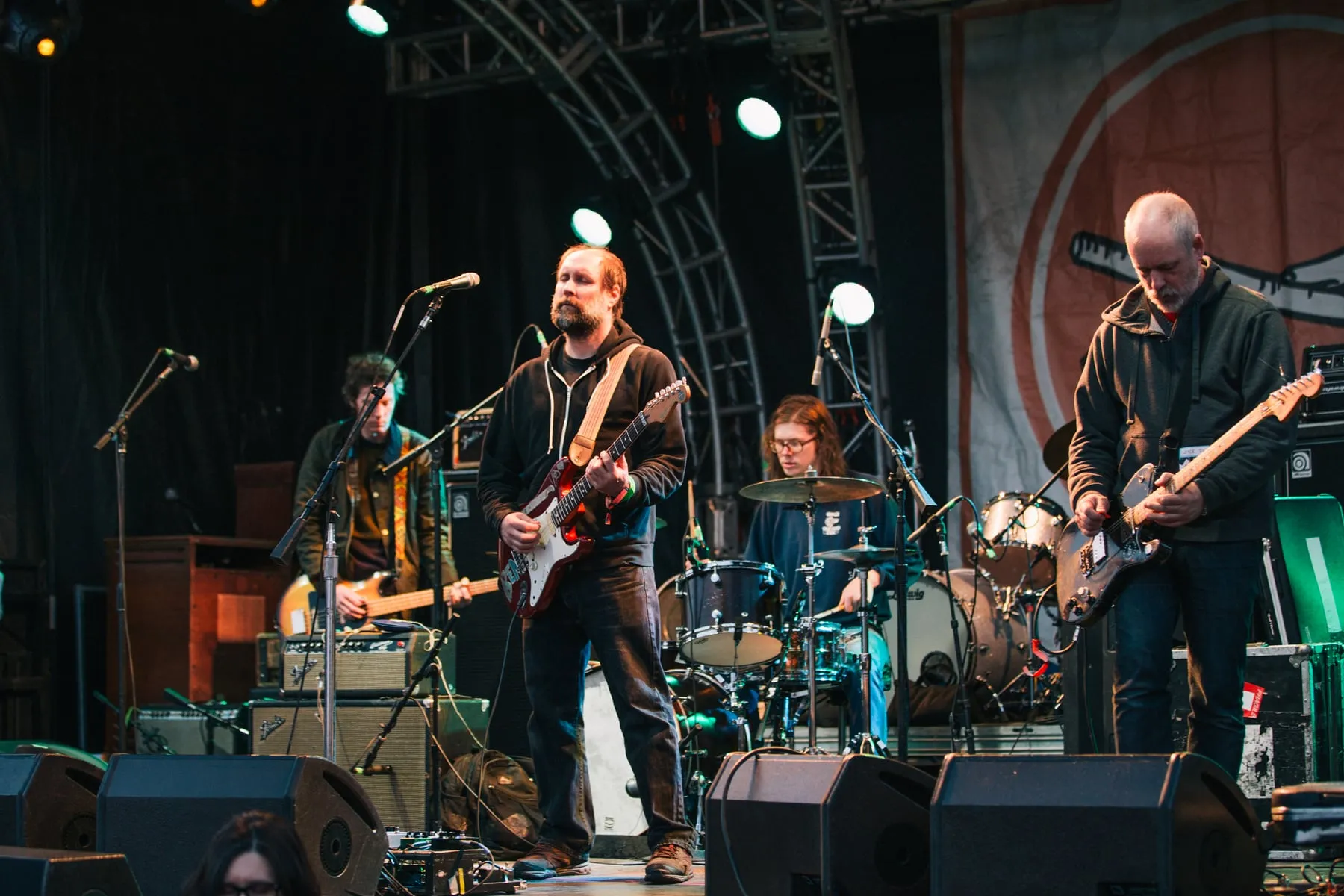
Photo by Treefort Music Fest , licensed under CC BY 2.0 · Wikimedia Commons
Rank #444
Built to Spill
Boise indie band whose Doug Martsch-led guitar sprawl is hugely influential.
From Wikipedia
Built to Spill is an American indie rock band that formed in Boise, Idaho, in 1992. Centered on lead vocalist and guitarist Doug Martsch, the only permanent member, Built to Spill has released nine albums since its inception. Martsch originally envisioned the band to feature a changing set of backing musicians for each album, but eventually settled with a stable lineup for over a decade before returning to his original plan in 2012.
Members
- Ralf Youtz
Studio Albums
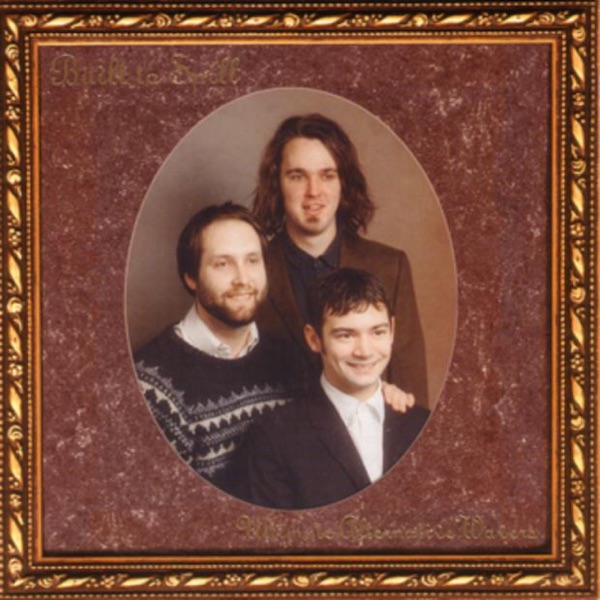
- 1993 Ultimate Alternative Wavers
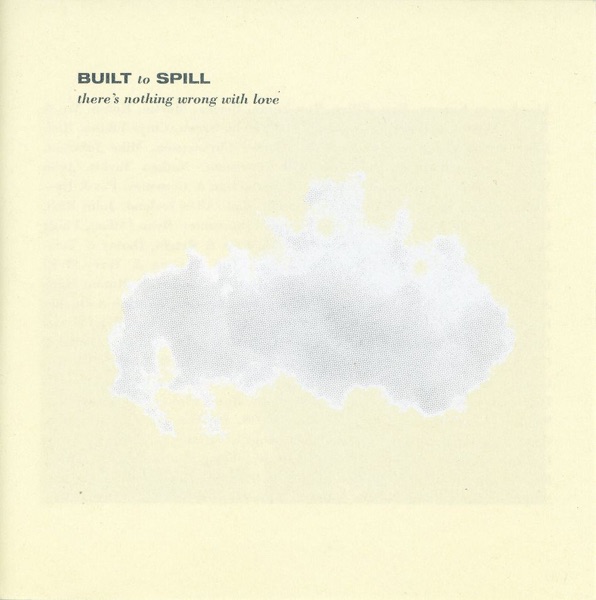
- 1994 There’s Nothing Wrong With Love
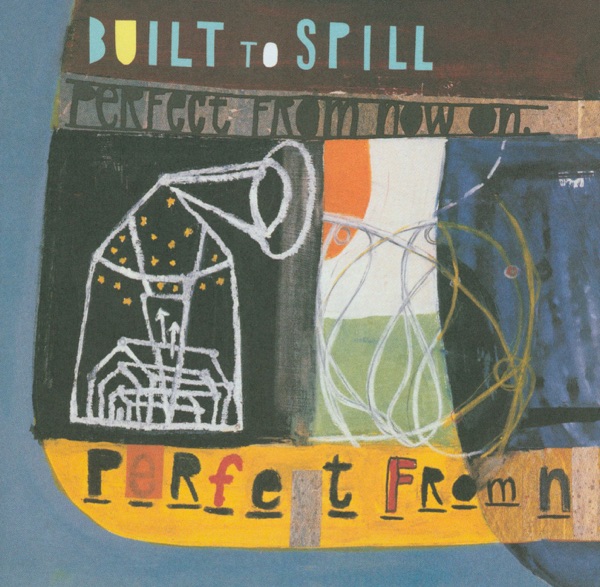
- 1996 Perfect From Now On
- 1998 Keep It Like a Secret
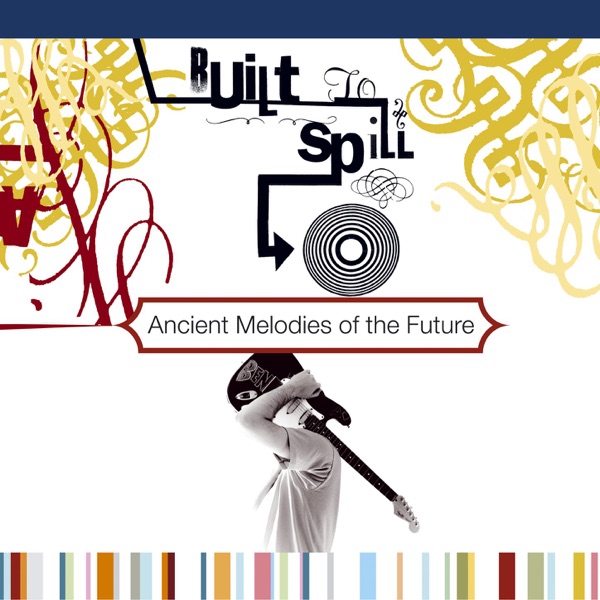
- 2001 Ancient Melodies of the Future
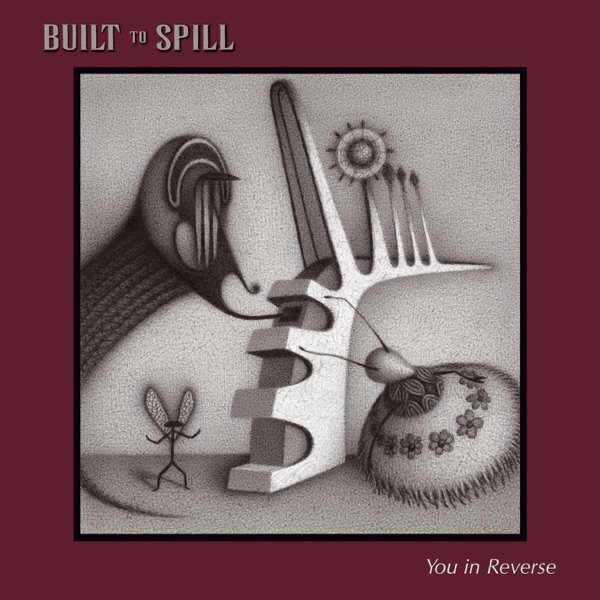
- 2006 You in Reverse
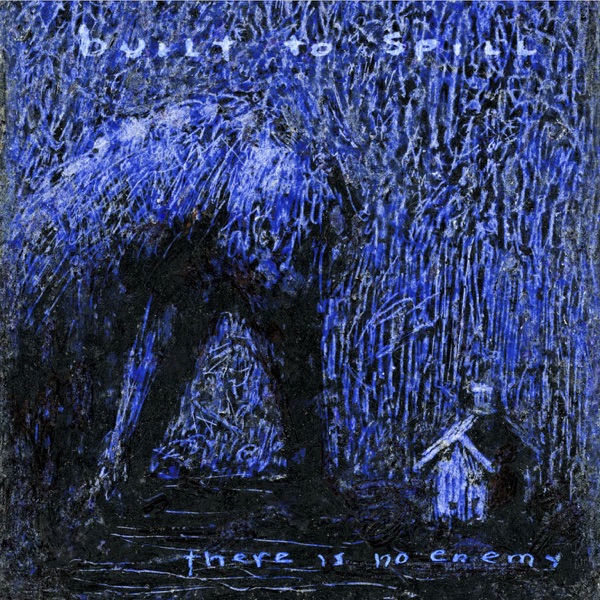
- 2009 There Is No Enemy
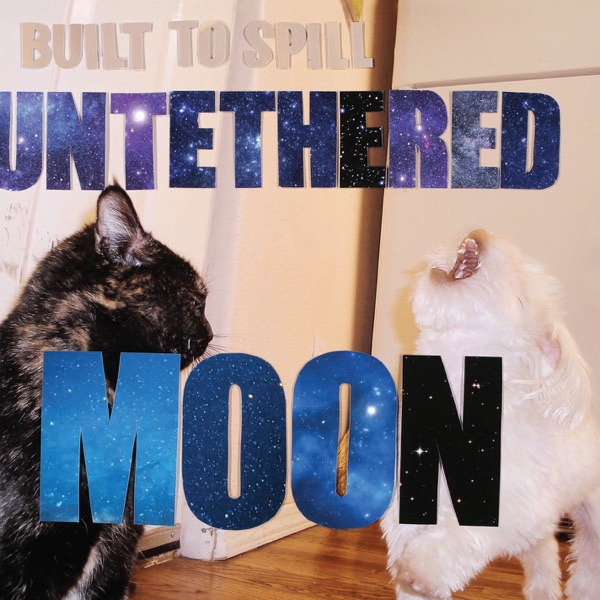
- 2015 Untethered Moon
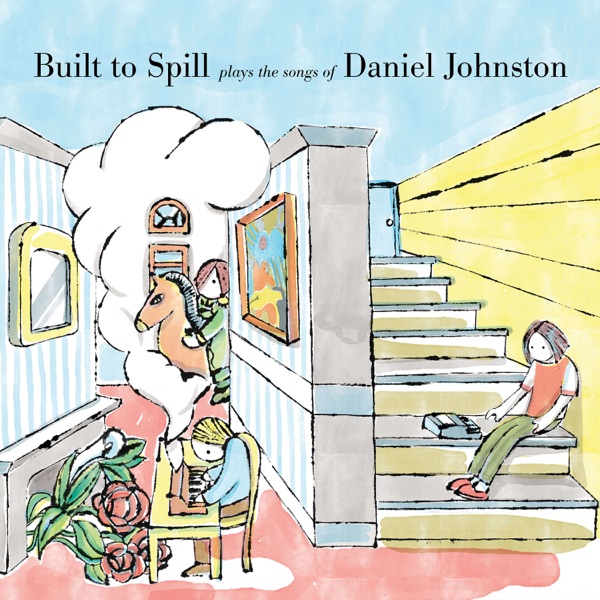
- 2020 Built to Spill Plays the Songs of Daniel Johnston
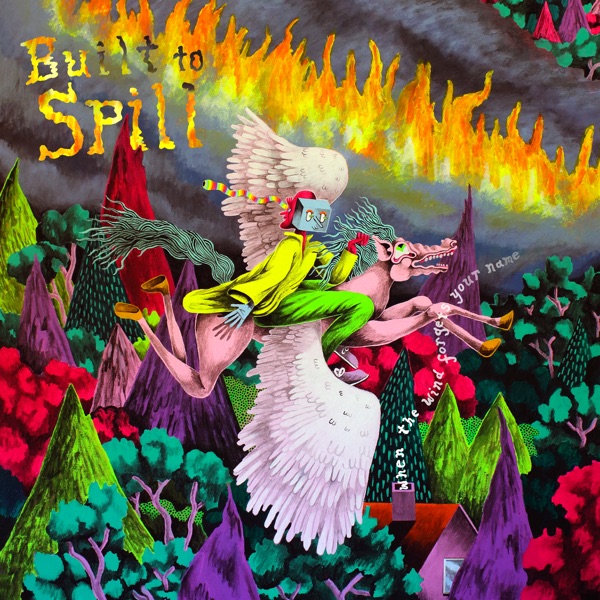
- 2022 When the Wind Forgets Your Name
Source: MusicBrainz
Deep Dive
Overview
Built to Spill is an American indie rock band that formed in Boise, Idaho, in 1992. Centered on lead vocalist and guitarist Doug Martsch, the only permanent member throughout the band’s history, Built to Spill emerged from the Pacific Northwest’s indie rock ferment to become one of the most influential guitar-driven acts of the 1990s and beyond. The band’s distinctive sound—characterized by sprawling, melodically dense compositions that blend indie rock sensibilities with power pop hooks and atmospheric production—established them as architects of a particular strain of American indie that prioritized instrumental virtuosity and conceptual ambition over punk minimalism.
Formation Story
Built to Spill coalesced in Boise during 1992, a moment when the Idaho capital was beginning to establish itself as an unlikely nexus of creative musical activity. Doug Martsch, the sole consistent member, founded the band with the original intention of assembling a rotating cast of supporting musicians, treating each album as a distinct project with its own instrumental palette and personnel. This approach reflected a broader ethos in 1990s indie rock of treating the album as a primary artistic unit rather than simply a document of a fixed touring entity. The band began recording and performing in Boise’s burgeoning underground scene, establishing themselves as a distinctive presence in a landscape increasingly populated by guitar-oriented indie rock acts.
Breakthrough Moment
Built to Spill’s initial recordings—Ultimate Alternative Wavers (1993) and There’s Nothing Wrong With Love (1994)—established their core sound on independent labels, building word-of-mouth reputation and critical recognition within indie rock circles. These early efforts demonstrated Martsch’s facility for constructing elaborate, multi-movement compositions that felt both intellectually rigorous and emotionally direct. Perfect From Now On (1996) marked a decisive leap in scope and sophistication, solidifying the band’s reputation as one of the era’s most vital guitar bands and attracting wider critical attention. By the late 1990s, Built to Spill had transcended their regional origins to become a fixture of the national indie rock conversation, their records consistently appearing on year-end critical lists and their live performances becoming legendary for their extended, exploratory arrangements.
Peak Era
Built to Spill’s most commercially and critically successful period encompassed the late 1990s and 2000s, anchored by Keep It Like a Secret (1998) and Ancient Melodies of the Future (2001). During this stretch, the band maintained a relatively stable lineup, moving away from Martsch’s original conception of constantly rotating personnel. These albums represented the apex of their melodic ambition and production sophistication, with Keep It Like a Secret in particular becoming regarded as a touchstone of 1990s indie rock. The band’s touring schedule during this period cemented their reputation as masterful interpreters of their own material in live contexts, where their extended instrumental passages became the stuff of bootleg recordings and devoted fan mythology. This era established Built to Spill as core figures in the American indie rock canon.
Musical Style
Built to Spill’s sound is fundamentally characterized by Doug Martsch’s approach to the electric guitar as both a melodic and textural instrument, creating compositions that balance indie rock’s angular songwriting sensibility with the kind of layered, effects-driven atmospherics more commonly associated with alternative and experimental rock. Their records typically feature densely arranged guitar interplay, with Martsch’s lead lines often interwoven with complementary harmonic passages, creating a sense of spacious complexity rather than cluttered excess. Vocally, Martsch’s delivery is straightforward and emotionally open, often contrasting with the instrumental elaboration surrounding it. The band draws from power pop’s gift for memorable hooks, lo-fi’s embrace of textural imperfection, and indie rock’s resistance to glossy production, resulting in a hybrid approach that sounds both immediately engaging and rewarding of sustained listening. Over time, their production became more polished without losing the band’s essential character—an evolution visible across their catalog from the rawer early records through the more refined arrangements of their later work.
Major Albums
Perfect From Now On (1996)
Built to Spill’s third album marked a significant maturation of their compositional and production approach, establishing the template for their subsequent work and demonstrating Martsch’s ability to craft extended, multi-part arrangements that sustained interest across album length.
Keep It Like a Secret (1998)
This record represents Built to Spill at the height of their creative powers, balancing melodic accessibility with instrumental complexity and becoming the album most frequently cited as their masterwork by critics and fans alike.
Ancient Melodies of the Future (2001)
Released during the band’s period of lineup stability, this album showcased a refinement of their established sound with increased production sophistication while maintaining their core identity as guitar-driven indie rock visionaries.
You in Reverse (2006)
This later work demonstrated the band’s continued evolution and willingness to explore different textural and compositional approaches while remaining true to their fundamental aesthetic principles.
Signature Songs
- “Carry the Zero” — A centerpiece of their mid-1990s output that exemplifies Martsch’s ability to construct extended, multi-sectioned compositions from relatively simple thematic material.
- “Tseries” — One of their most distinctive and frequently cited songs, showcasing the band’s skill at balancing intricate instrumental work with accessible melodic content.
- “Valediction” — A track that demonstrates their capacity for genuine emotional resonance through minimalist arrangements and Martsch’s direct vocal delivery.
- “Geyser” — A song that captures the band’s power pop influences while maintaining their trademark guitar-heavy approach.
Influence on Rock
Built to Spill occupies a crucial position in the lineage of 1990s guitar-based indie rock, influencing countless bands working in the intersection of indie rock, math rock, and progressive approaches to songwriting. Their demonstration that melodic accessibility and instrumental complexity were not mutually exclusive propositions proved influential for a generation of musicians who might otherwise have accepted the false binary between craft and innovation. The band’s emphasis on the guitar as a primary compositional tool rather than a subordinate rhythm instrument helped revitalize interest in instrumental texture and layering within indie rock contexts during an era when minimalism and restraint dominated much critical discourse. Their albums circulated widely among musicians and in underground communities, affecting how subsequent indie rock bands approached arrangement, production, and the possibilities of extended instrumental passages.
Legacy
Built to Spill’s longevity and consistent critical regard have solidified their position as one of American indie rock’s foundational acts. The band returned to Martsch’s original concept of varying personnel in 2012, embarking on a new phase of their career while maintaining the core elements that defined their sound. Their 2020 album Built to Spill Plays the Songs of Daniel Johnston demonstrated their sustained engagement with their artistic practice, choosing to interpret another songwriter’s work rather than rest on their catalog. When the Wind Forgets Your Name (2022) continued this trajectory, confirming Built to Spill’s status as an active and evolving artistic entity rather than a legacy act coasting on past achievements. Their records remain staples of indie rock streaming playlists and continue to attract new listeners, while their influence on contemporary guitar-based indie rock and adjacent genres remains visible and acknowledged.
Fun Facts
- Doug Martsch has remained the only permanent member throughout Built to Spill’s entire history, making him one of indie rock’s most consistent visionary figures.
- The band originated in Boise, Idaho, a city not typically associated with major rock music scenes, helping establish the region as an unlikely creative hub during the 1990s indie rock era.
- Built to Spill’s 2020 album devoted entirely to interpretations of Daniel Johnston’s songwriting reflects Martsch’s deep engagement with indie rock history and his respect for fellow songwriters working outside mainstream contexts.
Discography & Previews
Click any album to expand its track list. Each track plays a 30-second preview streamed from Apple Music. Tap the link icon next to a track to open it in Apple Music for full playback.