
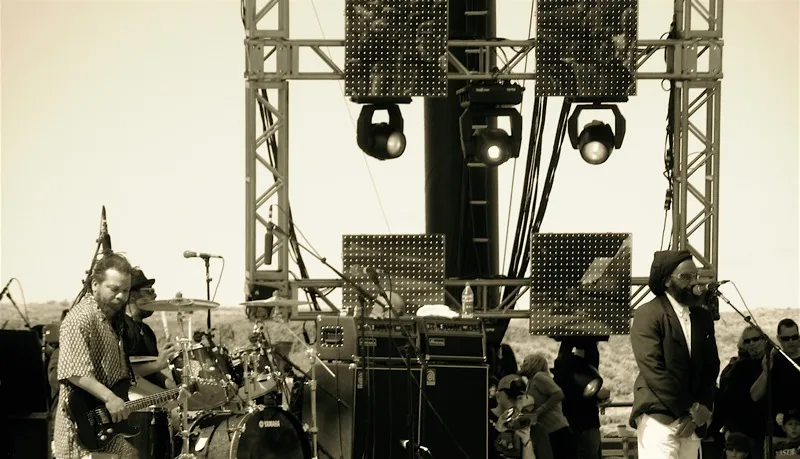
Photo by JASON ANFINSEN , licensed under CC BY-SA 2.0 · Wikimedia Commons
Rank #143
Bad Brains
D.C. Black hardcore innovators who fused reggae and lightning-fast punk.
From Wikipedia
Bad Brains are an American punk rock band formed in Washington, D.C., in 1976. They are widely regarded as pioneers of hardcore punk, though the band's members have objected to the use of this term to describe their music. They are also a reggae band, while later recordings featured elements of other genres like funk, heavy metal, hip hop, and soul. Rolling Stone magazine called them "the mother of all black hard-rock bands", and they have been cited as a seminal influence to numerous other subgenres in addition to hardcore punk, including various subgenres of heavy metal, such as thrash/speed metal, alternative metal, and funk metal. Bad Brains are followers of the Rastafari movement.
Studio Albums
- 1982 Bad Brains
- 1983 Rock for Light
- 1986 I Against I
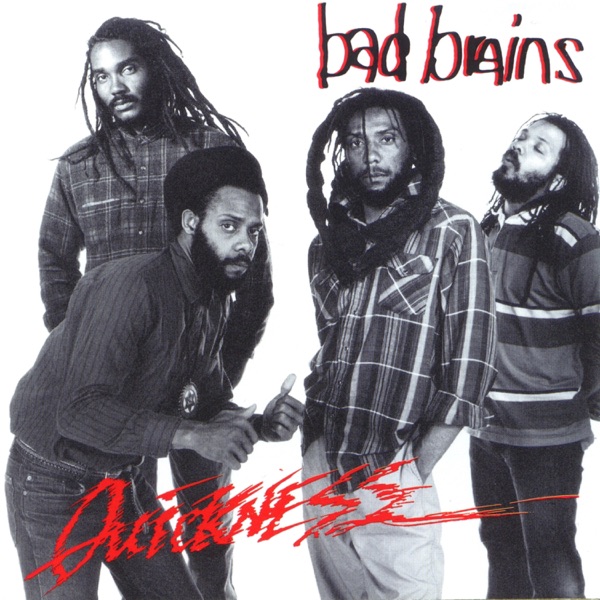
- 1989 Quickness
- 1993 Rise
- 1995 God of Love
- 1996 Black Dots
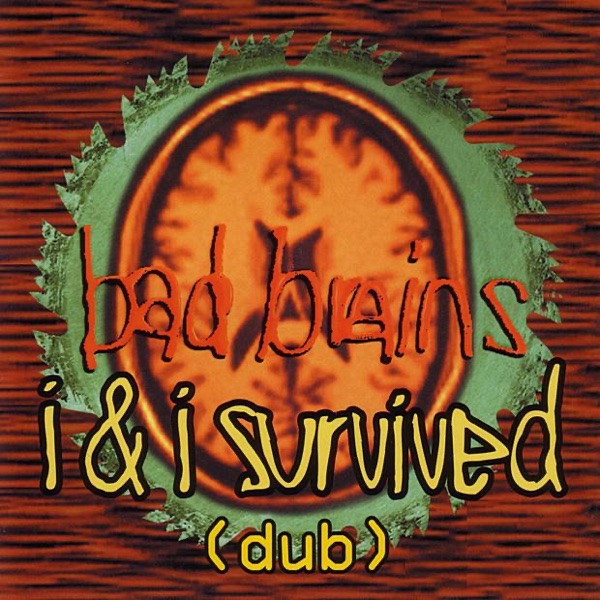
- 2002 I & I Survived (dub)
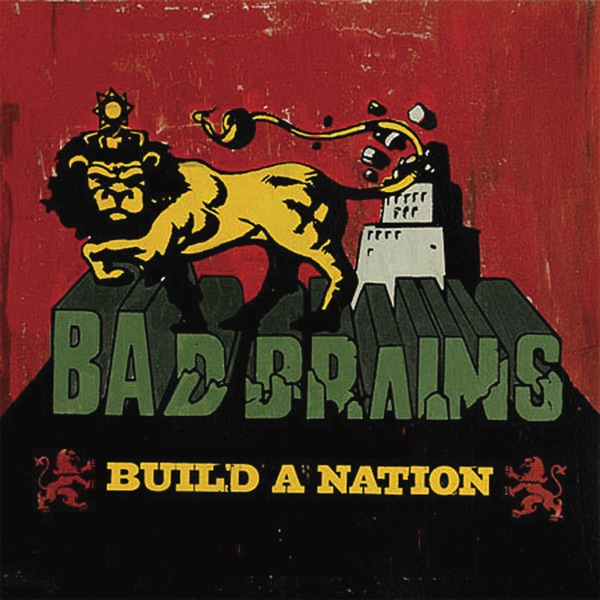
- 2007 Build a Nation
- 2012 Into the Future
- 2015 Old Waldorf, San Francisco '82
Source: MusicBrainz
Deep Dive
Overview
Bad Brains are an American punk rock band formed in Washington, D.C., in 1977, and stand as pioneers of hardcore punk despite the band members’ historical resistance to that label. Emerging from a city with minimal punk infrastructure, they built a sound that fused the velocity and aggression of punk with reggae rhythms, Rastafarian spiritual content, and a virtuosic musicianship that set them apart from their contemporaries. Their influence spans hardcore punk, thrash metal, funk metal, and alternative metal—a reach few bands in their genre have achieved.
Formation Story
Bad Brains coalesced in Washington, D.C., in 1977, a period when the capital had no established punk scene to anchor them. The founding lineup—H.R. on vocals, Dr. Know on guitar, Darryl Jenifer on bass, and Earl Hudson on drums—brought a musical literacy and technical command that exceeded the three-chord simplicity associated with early punk. Their bond deepened through a shared adherence to Rastafarianism, a spiritual and cultural framework that would permeate their lyrics, imagery, and album artwork. This intersection of punk velocity and reggae consciousness created a sound entirely their own, one that transformed punk from a purely Western rock phenomenon into something that could accommodate Caribbean musical traditions and African diasporic spirituality.
Breakthrough Moment
Bad Brains’ eponymous debut album, released in 1982 on ROIR Records, announced their arrival with uncompromising force. The record captured the band’s live intensity—their songs averaged two to three minutes and hit with the impact of a pile driver—while showcasing a technical mastery that influenced generations of metal and hardcore musicians to follow. Rock for Light, released in 1983, cemented their position as innovators, expanding their sonic palette and deepening the reggae elements that sat alongside their punk ferocity. These early recordings circulated primarily through the hardcore underground, but their reputation grew through live performance and word of mouth in a pre-internet era, establishing them as essential listening among musicians seeking to push punk beyond its original boundaries.
Peak Era
The mid-1980s through early 1990s represented Bad Brains’ most prolific and artistically expansive period. I Against I (1986) saw the band incorporating funk and heavy metal elements without diluting their core identity, a balance many bands fail to achieve. Quickness (1989) and Rise (1993) continued this eclecticism, with the band moving through alternative metal, funk, and soul influences while maintaining the frenetic guitar work and H.R.’s distinctive vocal presence. These records demonstrated that Bad Brains were not a one-trick innovators but artists capable of genuine stylistic evolution while retaining their foundational intensity and musicianship.
Musical Style
Bad Brains’ sound is built on a paradox: controlled chaos. Dr. Know’s guitar work combines the speed and distortion of punk with the precision and harmonic complexity of a trained musician, often switching between lightning-fast punk passages and blues-inflected or reggae-tinged licks within a single song. Earl Hudson’s drumming is the engine—capable of machine-gun-fast double kicks that power their hardcore material while also locking into reggae’s syncopated pocket. Darryl Jenifer’s bass anchors these extremes, providing both the low-end propulsion of punk and the melodic, dub-influenced counterpoint associated with reggae production. H.R.’s vocals range from aggressive, nearly shouted punk delivery to more soulful, sung passages, reflecting the genre-hopping ambitions of their compositions. This musicianship elevated them above the deliberate primitivism of punk’s early wave, inviting comparisons to progressive rock in their ambition while remaining committed to punk’s energy and directness.
Major Albums
Bad Brains (1982)
The band’s self-titled debut established their core sound: two-to-three-minute songs built on Dr. Know’s impossibly fast riffing and H.R.’s distinctive vocals, all threaded through with reggae sensibilities and Rastafarian imagery.
Rock for Light (1983)
A refinement of their debut formula, this album deepened the reggae and spiritual elements while maintaining the hardcore intensity, proving their fusion was not a novelty but a sustainable artistic direction.
I Against I (1986)
The band’s most expansive work, incorporating funk, heavy metal, and soul alongside their hardcore core, demonstrating their range without losing their identity.
Quickness (1989)
A showcase of the band’s ability to move between punk speed, reggae grooves, and metal heaviness within individual tracks, cementing their influence on thrash and alternative metal musicians.
Signature Songs
- “Pay to Cum” — A sub-two-minute hardcore explosion that became their calling card, defined by Dr. Know’s machine-gun riffing and the song’s unambiguous energy.
- “I Against I” — Funk-inflected and heavy, demonstrating the band’s ability to merge metal and reggae sensibilities into a cohesive statement.
- “Big Take Over” — A showcase for Earl Hudson’s drumming prowess and H.R.’s vocal range, moving from aggressive punk to almost sung passages.
- “Right Brigade” — Reggae-forward and lyrically pointed, illustrating how the band used their Rastafarian beliefs as thematic material.
Influence on Rock
Bad Brains’ impact on punk and metal cannot be overstated. They proved that hardcore punk could accommodate virtuosity and spiritual depth without surrendering its aggression. Thrash and speed metal bands—including Metallica, Slayer, and countless alternative metal acts—drew directly from Dr. Know’s guitar approach and the band’s overall intensity. At the same time, their integration of reggae and African diasporic spirituality expanded punk’s sonic and ideological boundaries, influencing post-punk, alternative rock, and later hip-hop-inflected punk hybrids. Their status as a Black band working in a genre with troubling racial dynamics made their presence and persistence politically significant, opening doors for diverse participation in punk and metal that had been symbolically closed. Musicians across genres have cited them as essential: their combination of technical proficiency and raw power created a template for how rock music could be both intellectually complex and viscerally immediate.
Legacy
Bad Brains remain active into the 2020s, with albums like Build a Nation (2007) and Into the Future (2012) proving their longevity and continued creative engagement. Their influence is visible in the careers of contemporary hardcore, metal, and alternative artists, and their records continue to circulate through streaming services and physical reissue channels. The band’s refusal of nostalgia—their willingness to explore new genres and production approaches across four decades—has kept them from calcifying into a heritage act. They stand as proof that innovation in rock music need not mean abandonment of core identity, and that a band’s contribution to music history can deepen and expand long after their initial breakthrough.
Fun Facts
- Bad Brains’ early singles were released on ROIR Records, a label founded specifically to document the New York and Washington, D.C., hardcore scenes in the early 1980s.
- The band members’ commitment to Rastafarianism extends to their visual presentation, with their imagery and album artwork consistently reflecting their spiritual beliefs throughout their career.
- Old Waldorf, San Francisco ‘82, released in 2015, is a live recording capturing their early intensity before the release of their debut studio album, documenting a pivotal moment in their development.
Discography & Previews
Click any album to expand its track list. Each track plays a 30-second preview streamed from Apple Music. Tap the link icon next to a track to open it in Apple Music for full playback.

- 1 I and I Survive (A-Bot Dub Remix) ↗ 5:42
- 2 I and I Survive (Umberto Echo Dub Remix) ↗ 4:15
- 3 The Meek Shall Inherit the Earth (Trance Hill Remix) ↗ 4:51
- 4 The Meek Shall Inherit the Earth (Dub Spencer Remix) ↗ 3:34
- 5 The Meek Shall Inherit the Earth (Dubvisionist Dub Remix) ↗ 3:33
- 6 I and I Rasta (Dubvisionist Dub Remix) ↗ 3:20
- 7 I and I Survive (Dubmatix Remix) ↗ 5:55
- 8 I and I Rasta (Darryl Jenifer Dub Remix) ↗ 3:18
- 9 I and I Survive (Aldubb Remix) ↗ 5:45
- 10 What Remains (Darryl Jenifer Dub Remix) ↗ 4:20
- 11 The Meek Shall Inherit the Earth (Darryl Jenifer Dub Remix) ↗ 3:39
- 12 I and I Survive (Darryl Jenifer Dub Remix) ↗ 5:40
- 13 The Meek Shall Inherit the Earth (Aldubb Remix) ↗ 4:45
- 1 Big Takeover ↗ 2:29
- 2 Attitude ↗ 1:10
- 3 Right Brigade ↗ 2:08
- 4 Joshua's Song ↗ 0:32
- 5 I and I Survive ↗ 5:14
- 6 Banned In D.C. ↗ 1:58
- 7 Supertouch ↗ 2:20
- 8 Destroy Babylon ↗ 1:19
- 9 F.V.K. (Fearless Vampire Killers) ↗ 0:58
- 10 The Meek Shall Inherit the Earth ↗ 3:38
- 11 I ↗ 1:55
- 12 Coptic Times ↗ 2:06
- 13 Sailin' On ↗ 1:45
- 14 Rock for Light ↗ 1:36
- 15 Rally 'Round Jah Throne ↗ 3:59
- 16 At the Movies ↗ 2:16
- 17 Riot Squad ↗ 2:00
- 18 How Low Can a Punk Get ↗ 1:49
- 19 We Will Not ↗ 1:35
- 20 Jam ↗ 1:15



- 1 Don't Need It ↗ 1:59
- 2 At the Atlantis ↗ 1:58
- 3 Pay to Cum ↗ 2:03
- 4 Supertouch / Shitfit ↗ 3:02
- 5 The Regulator ↗ 1:29
- 6 You Are a Migraine ↗ 1:41
- 7 Don't Bother Me ↗ 2:37
- 8 Banned In D.C. ↗ 2:47
- 9 Why'd You Have to Go? ↗ 2:56
- 10 The Man Won't Annoy You ↗ 2:42
- 11 Redbone In the City ↗ 2:06
- 12 Black Dots ↗ 1:12
- 13 How Low Can a Punk Get? ↗ 2:40
- 14 Just Another Damn Song ↗ 1:57
- 15 Attitude ↗ 1:40
- 16 Send You No Flowers ↗ 1:53
- 1 Give Thanks and Praises ↗ 2:25
- 2 Jah People Make the World Go Round ↗ 2:10
- 3 Pure Love ↗ 0:56
- 4 Natty Dreadlocks 'Pon the Mountain Top ↗ 3:32
- 5 Build a Nation ↗ 1:45
- 6 Expand Your Soul ↗ 2:49
- 7 Jah Love ↗ 3:08
- 8 Let There Be Angels (Just Like You) ↗ 2:27
- 9 Universal Peace ↗ 3:04
- 10 Roll On ↗ 4:05
- 11 Until Kingdom Comes ↗ 3:20
- 12 In the Beginning ↗ 1:32
- 13 Send You No Flowers ↗ 2:32
- 14 Peace Be Unto Thee ↗ 3:54
